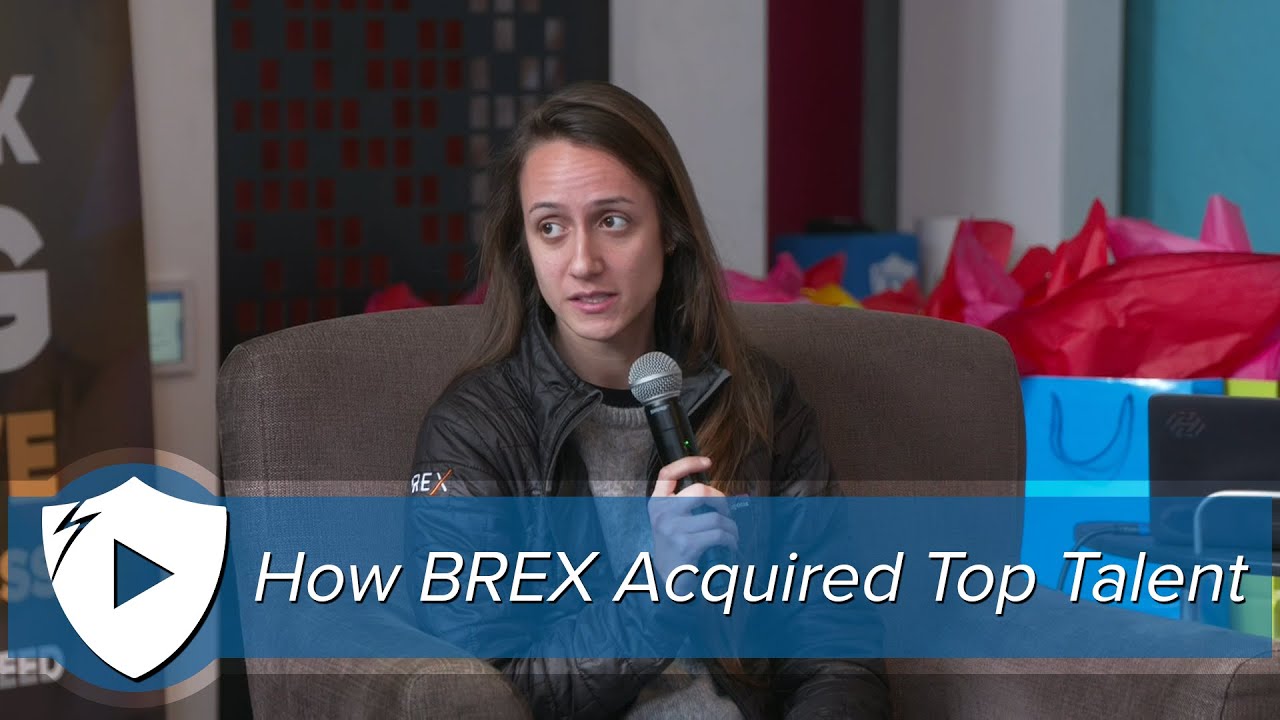
Larissa Rocha, BREX's first employee, explains how the startup hired senior executives like Michael Tenenbaum and Vince Kogan in 2017 by building trust through months of relationship-building and offering substantial equity. The founders operated from Henrique's house and deliberately sought experienced talent to gain credibility and regulatory know-how in fintech.
Chapters
Brex did very well because we were able to bring very senior people really early on. But, you know, in particular for a financial services company, that added not only the credibility but also the know-how on how to navigate a lot of things in finance and compliance that was crucial for us early on and crucial to kind of further build that trust from the market and from investors.
When you first joined Pedro and Henrique, That was 2017?
Yes, June 2017.
Were you working out of an apartment? Where were you?
We were working out of Enrique's house, like a super small room. There wasn't even room for 3 desks. So I had a desk, Pedro had a desk, and Enrique was on the couch.
And so what was your first month like? How did— when did you guys— did you guys have formal weekly meetings, or was it just that you were all in the same room all the time?
We were all in the same room all the time. And we were also recruiting, which is another super interesting point I'm going to make. We were recruiting at the same time Michael Tenenbaum, who today is our CFO and runs the business side of the company. So super smart guy, very aggressive. And he was the Chief Revenue Officer at SoFi, which is a huge fintech here in the Valley. And to convince someone like that to drop his job and come join 3 Brazilian kids doing some financial services, product. It was a pretty big dream type of thing. But ultimately, he understood what we were trying to do, and we were just so lucky to have him join. So at the time, he was already kind of doing some work there. So I was working with him a lot around some financial projections to understand how much startups spend, et cetera, how much capital we would need. Pedro was coding all day long. And at the end of the day, Henrique, Michael, and myself were going around getting customers, getting some important partnerships. And 2 important lessons from this time, I think, are one, Brex did very well because we were able to bring very senior people really early on. And credibility is important to every single business, but, you know, in particular for a financial services company. And, you know, other than myself, our next hire was Michael Tenenbaum, who was like Chief Revenue Officer at a company like SoFi and came to do the financial side and the business side of Brex. And after him, we hired Vince Kogan, who was the second lawyer at Stripe, worked at Silicon Valley Bank, and today is our general counsel. So 2 extremely senior hires that added not only the credibility but also the know-how on how to navigate a lot of things in finance and compliance that was crucial for us early on and crucial to kind of further build that trust from the market and from investors as well. So super important. You will see that Silicon Valley is a place that has an abundance of executives, right? These people who have taken a key aspect of a successful company, From the startup stage to the scaling phase, to the growth phase. And this is like, if you can bring these people, even if you have to give up a little bit more cash, a little bit more equity, that can make a difference between getting there or not.
You know, that's very interesting and very different from what a lot of startups do, right? Conventional wisdom is, you know, you grow for the first 2 or 3 years really slowly, incrementally, perfect your product, and then bring on the big guns. So one, I understand you were in a heavily regulated industry and credibility was everything. And I see why bringing these very experienced people was really important to you. But what was the dynamic like? How, on one hand, obviously the 3 of you are incredibly smart and successful and you have plenty of data to show, but how did you get them to trust you and respect you? And how did you— was there any friction sometimes about— I feel like people who've done things in a certain way and have succeeded like doing things the same way. But you guys were trying to build a company completely differently, right? Going against conventional wisdom. How did you set up a dynamic where everyone understood and respected each other and were able to work together?
Sure. So first, we all were incentivized by the same goal of making it work. And we knew that each one would have their own area of expertise. Of course, sometimes we disagreed, the team disagreed, but ultimately we would just, you know, not leave the room until everyone's comfortable with that. And especially Henrique and Pedro are very mature in a sense that, sure, they have, you know, very impressive track record for a 24 and 23-year-old, but they also are extremely humble to understand that there's people that are much, much better than they are in particular things, and that we need them, and we need to trust them in order to take it to the next level. And I think that these people realized that on the interviews, that they weren't just young and they wanted to— they thought they knew everything. They noticed that they were trying to build something amazing and that They respected incredibly the background of these people who would help us, take us there. And it wasn't an overnight, like we had one conversation and they came. It was something that took months. We got referrals from investors, from the lawyers of these investors, and you just were looking everywhere, meeting with tons of people. In the early days, Henrique spent a crazy amount of time just meeting people. People who today are investors, people who today we hired for the team. So he just did an amazing job taking his time, going around and having tons of conversations. Then you can also, for example, bring the candidate, right? Let's say you have a more senior candidate, bring him to meet your investor, right? If you have a very impressive investor, maybe he will kind of be slightly skeptical about you as a founder, but when they meet your investors, see what they have to say. That can help you as well. So take your time. Understand that especially people who are more senior, they have a lot more at stake, right? When they're leaving the job that they've been doing so well on to join a brand new thing, these things take time. And so respect that time. Use your investors to try to talk to these people as well and use them as a resource.