How to Harness the Press in Silicon Valley to Work with Your Startup with Reporter Hermione Way
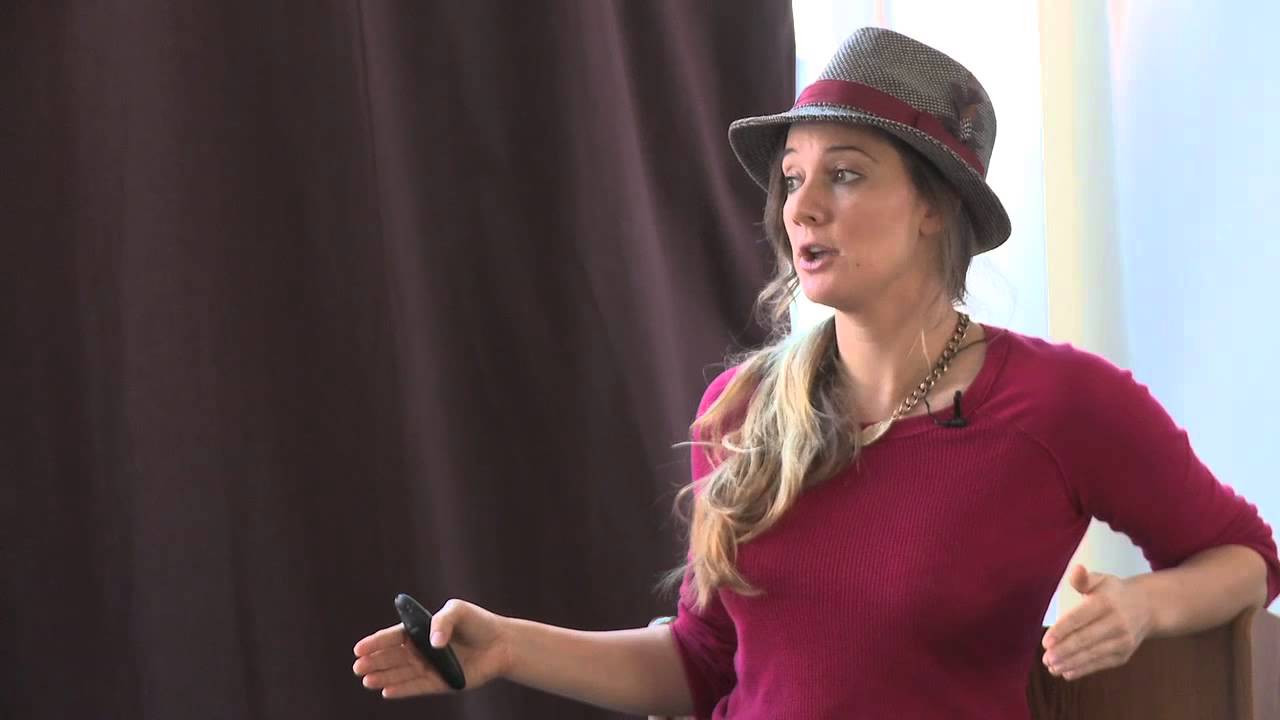
Hermione Way, a technology journalist, teaches founders how to pitch media and get coverage. She covers dos and don'ts: build real relationships with reporters, craft a compelling story, respect their beats, and use unconventional stunts. She shares examples like a marching band at a Microsoft conference and warns against failed tactics like stripper-laden launch parties.
Chapters
Should we be standing up for that?
Nah, you're good. All right. Now we can start. Now we can start. I know it's very important for startups to be lean, so I like to do a little yoga before every talk. Okay. So I'm actually going to do 2 presentations today. The first is about the state of global entrepreneurship. And I'm going to tell you why in a minute. And then the second one is about how to grab the attention of the press if you're a startup. I've been a journalist in technology for the past 7 years. I started writing for TechCrunch in London in 2006, 2007, and I've been doing tech ever since. So hopefully I can give you some insights into how to launch and how to grab the attention of technology journalists. But first, I want to talk to you about Startup World. This is a project that Eric and I have been running for the past year and a half. And actually, I'll just go through the presentation, and then I'm going to introduce you to the startups we have that have flown in from all around the world to join you today, and I'm going to do that in a minute. But Startup World. So when I came into Silicon Valley 4 years ago, at the end of 2010, I was writing for the Next Web. I was the video director, so I had to cover startups in Silicon Valley. And I came here with the promise that Silicon Valley was a place where entrepreneurs were pushing the human race forward, where they were solving real-world problems and changing the world. In fact, when I got here, this is what I found. So as a journalist, I was being pitched photo-sharing app after photo-sharing app. And I was like, WTF? Where are all the startups that are changing the world? So at the same time as this trend, I noticed another trend, which was the growth in international entrepreneurship. I actually was down at an event, covering an event at Plug and Play, and I interviewed— did a video interview with the Minister of Digital from Iraq. And I was like, you're from Iraq. What are you doing in Silicon Valley?
Yeah.
OK, we have another one. Great. So I was like, what are you doing here? What the WTF are you doing here? And he said, Hermione, I'm learning Silicon Valley culture because I want to take it back to Iraq and create a Silicon Baghdad. He didn't. Not yet. Not yet. Not yet. Not yet. Okay. He didn't yet. But— so we started to do more research into global entrepreneurship and the state of startup culture around the world. And we discovered that there's actually, as a lot of you probably know, huge amounts of innovation happening in places that you cannot even imagine. But there are a few things that are missing from these ecosystems. So put your hand up. What is missing from startup ecosystems outside of Silicon Valley?
Funding.
Funding, yes.
Circle of dreamers. Circle of dreamers. The Drapers.
The Drapers, yes.
Motivation and culture. Success stories.
Success stories, yes.
Stanford. Women, yes.
Laws that are more forgiving of failure. Exactly, yeah. In Silicon Valley, failure is seen as success. Good universities, Stanford. Yeah, talent, talent. But I call it the Silicon Valley circle jerk. And what this means— what this means is the concentration of press and media that shine a spotlight on Silicon Valley startups is like none other in the world. It's really not. The concentration of press covering startups in Silicon Valley is extremely high. And startups in Africa and South America and Europe and Asia are not getting the same type of coverage. So me and Eric, we decided to do a global startup competition. And this is what we spent the last year and a half doing in between a TV show. So we traveled to 25 countries around the world And we decided that we could try and bring this international press and this international media and help them focus on startups outside of Silicon Valley. So we went to 25 countries last year. We put on events, pitching events, in 25 cities around the world. And if you think Silicon Valley is exciting right now and it's booming here, you really need to go to Rwanda in Africa or Peru and Chile. Peru and Chile. Or you need to go to Buenos Aires or Rwanda or Tanzania because startup culture there is growing. There is a huge amount of activity, and the quality of startups are very, very high.
Where did you go in the Middle East?
In the Middle East? Actually, we didn't do the Middle East yet. That's going to be Startup World 2.0. We have 3 people here.
4.
Okay, yeah. Actually, my friend runs PITME, Peace in the Middle East.
Nima?
Nima, yeah. Anyway, that's another story. So I just want to invite up our startups here that are here today. Guys, come up. And we're just going to talk for a couple of minutes each about what's going on. I mean, I know you guys are international, but I just want these guys to talk a little bit about what's going on in their startup ecosystem. So first up we have Vancouver. Mike, say hi.
Hi everyone. Anyone from Canada? Yeah, so my name is Mike. I'm with a company called Change Heroes. We're on a mission to one day see a world where every child has access to education. We built an online fundraising platform that enables anyone to build a school. The ecosystem in Vancouver is growing. There's a lot of good government support. Support. If you're looking to build a product, it's a pretty good spot to be in, in that the government has a lot of government grants where they subsidize up to 80% of your development costs. So pretty good to start a startup, but when it comes to scaling and going to market, we tend to come down here and do that.
All right, Montreal. Sorry, Montréal. You're not allowed to say the T.
Monsieur Français-Canadien, is it?
No, I don't think so.
My name's Jeff from ReallyActive. We do context as a service, being able to identify everything, everyone that's present in a space. You can do some really cool stuff with that. We enable a lot of applications. I'd say real quick about Montreal and Canada. I've worked in the Bay Area as well, had some experience here in Germany as well. When I started my startup, I wanted to go back to Montreal for one very important reason. It's because there's great people, like my co-founders, that are there. Very experienced, a lot of universities, great talent. You have then also some awesome subsidies. They're even better than they are in British Columbia. And all that is great. The problem though is, and one of the reasons why we're really excited to be here with Hermione, is because when you want to get money and stuff, it still is here and you still have to have a presence in the Bay Area for so many different things. So it's good to be able to leverage the best of everything that's available. And we definitely don't have Circle Jerk. Our investors won't do anything.
All right, Mexico City.
Hi, I'm Jose. I'm here with my co-founders, Antonio and Marisol. We develop technology, hardware and software for energy efficiency in buildings. We measure the amount of energy you are using inside, and if there are people inside, if you are using HVAC or the light bulbs, we measure that, send it to the cloud, and after that we have an index. We measure that index and compare you with an efficient building. So we know exactly where the opportunity areas are inside your building. And that's what we are doing in Mexico. It has been very, very difficult to raise money in Mexico, but we're doing OK. So we're representing Mexico here. The Mexican startup ecosystem, I think, is growing pretty fast. They're trying to do something similar to Silicon Valley with a lot of events, with a lot of communities. Gatherings and all that stuff. But I think we're still a good way to go in Mexico. But it's growing pretty good. As Jose said, we're missing— and as Hermione said, we're missing a lot of funding. It's still a lot better to get funding here in the United States, especially in San Francisco. But we're doing pretty good. We're feeling pretty good about our technology and our And the people in the Mexican, the Mexican community, I think we have a lot of talent and it's growing pretty good.
All right, Lima, Peru.
Well, I'm Mario. This is Gianfranco. We are from Lima, Peru. We are from Depot. Depot is a mobile application that helps big companies to communicate employee perks. So we cross this information with GPS data of the stores. But right now we are working with big companies in my country. The startup ecosystem in Peru is right now really growing. Right now there are a lot of events about startups, some accelerators or incubators in Peru, and some universities are doing some new work about startups. Right now the Peruvian government is launching a program about startups. It's like the Chileña startup Chile. Like a startup Chile, the name is Startup Peru. Very original. Yeah. But okay, I think it will be okay in some months, so I will hope this. And that's all. Thank you.
All right. Good job, guys. Thanks. Cheers. So these guys are here for an accelerator week this week, and on Thursday in the city, Thursday evening, we are doing the grand final pitch event when they'll be competing for title of world's best startup. So if anyone wants to come to that, just Google Startup World on Eventbrite. And if you want to keep up to date with Startup World, you can like our Facebook. We're just Startup World on Facebook. And in fact, whilst we're on the subject of international entrepreneurship, is Draper international-focused or American?
50/50.
International. So where are you guys all from? Netherlands. Netherlands. Hoe gaat het? Het gaat goed, dankjewel. Where else? Pakistan. Namaste.
Nepal.
Nepal?
Yeah.
God, no.
Lebanon.
Lebanon. Okay, that's cool. Assalamualaikum.
Waalaikum assalam. India.
India. Namaste. Texas. South Africa. Yeah. Oh, Hohati, that's right. Yeah. Yeah, British. Yeah, yeah. Sweden. Sweden. Um, how do you—
Ireland.
Ireland. Guinness.
All right.
Okay, well, I'll— oh, shit. Hold on. Okay. I'll do the presentation I was originally supposed to give, which was how to get the attention from the press if you're a startup. As I said, I've been a technology journalist for the past 6 years. Started off writing in London. Moved to Silicon Valley 4 years ago. and have done a lot of things since. So hopefully I can give you some good perspective of what it's like to be a journalist or a blogger in the Valley and what it's like this side of the table. So this is the dos and don'ts of how to get the attention of the press. So my first do is think outside of the box, literally. This is my inbox right now. As you can see, I have nearly 19,000 unread emails. And that's because, as a blogger, as a journalist, we get sent so many press releases. I probably get sent 30 or 40 press releases or some sort of launch news every day. So when I say think outside of the box, try and use other platforms to communicate with bloggers and journalists. You'll find that different bloggers and different journalists prefer different platforms. For example, I'm really into Facebook. I love Facebook. I'm on it all day long. If you send me a press release on Facebook or you send some contact on Facebook, I'm 90% more likely to reply than if you send me an email. I just hate email. It's just— I don't want to deal with it. So Robert Scoble— does everyone know Robert Scoble?
Yes.
He loves Google+, right? He loves Twitter. So if you send him a message on Google+, He's more likely to reply than if you send him an email. So when I'm talking about think outside the box, I'm literally thinking try and find bloggers who are using different platforms to communicate with their audience. Do have an interesting story. So this is a quote from Michael Arrington. Actually, it was Robert Scoble who asked him one day, so what do you think you are? What are you? Are you a journalist? Are you a Are you a blogger? Are you a business guy? And he actually turned around and said, actually, I'm not a journalist. I'm an entertainer. So do have an interesting story. If Michael Arrington thinks that he's an entertainer and his readers need to be entertained, you need to come up with an interesting story. And I think a lot of startups that pitch to me, they just— tell me what their company does, they're not telling me what problem they're trying to solve or what the impact is of solving that problem. And always funny anecdotes, or one of our— 2 of our team members at Startup World are sleeping in the same bed as each other. They're not gay. Not that that's a problem. But this is part of the startup journey, right? We're all bootstrapping. We're all sleeping, I don't know, God knows where. And so they're telling me the story, you know, we're in San Francisco, we could only afford one hotel room because we're bootstrapping. This makes the story a little bit more entertaining. So just think about that when you're pitching to the press. You know, if somebody comes up to me and is like, we're a social media dashboard, it's like, no. But if it's like, yeah, dude, I'm so tired because I had to share my bed with my co-founder last night. You know, that creates an emotional reaction in me because it's funny. So do think of your story when you're pitching to journalists, and do make sure you have thought of how your story comes across. Do think of unusual ways to launch. We're living in a time where everyone has a startup, everyone's changing the world, everyone's raising $1 million, everyone has Ashton Kutcher as an investor.
Mm-hmm.
So we're in a time where when you launch your startup, you're competing against probably 300 other startups that are launching on the same day as you. This is a good example of an unusual way to launch. This is a marketing campaign I helped a startup with called Huddle. Huddle is an enterprise software solution, kind of like Salesforce. Anyone heard of Huddle? You've heard of it. It's a British startup.
Is it a sports app?
No, it's an enterprise solution. So this is Huddle on the right here. At this point, I think they were a 20-person startup. And they do exactly the same thing as Microsoft SharePoint. Now, obviously, Microsoft SharePoint is Goliath. It's this huge corporation, billions of dollars in backing. They were like, Hermione, how can we make some noise in the market? How can we get SharePoint customers to use Huddle? We have a better product. We have better UX, better design, better development, but how do we make noise? So we came up with this idea that we would march a 120-person marching band with cheerleaders with Huddle t-shirts into the Microsoft SharePoint conference. In LA, in Anaheim, and this is like you know Microsoft's flagship conference in Anaheim. Everyone's like buttoned down, very serious, and you know we're this small little startup that has like hardly any budgets. We hire this marching band, and we we marched them into the conference and around the conference center. Of course, the police were called. The cops came. And they closed us down, and we were covered in every tech blog, TechCrunch, The Next Web. The title was, Police Called as Microsoft Shuts Down Huddle. So that was, like, awesome. That was, like, the best press we could have ever got. Okay, it was slightly negative, but you know the quote, any good is good press— any press is good press.
Mm-hmm.
We— and also, you know, it was this big Goliath, this big corporation, Microsoft, evil, shutting down this small, thriving startup that was just trying to make some noise. So it was a good perspective in terms of a story. So do think of unusual ways to launch. Do sell press the bigger picture. This was a towing startup. They pitched to me, I think, here in San Francisco. And they said, yeah, we have an app that streamlines towing. And I was like, that's really boring. That's so boring. But then they told me if they can streamline towing, they told me the size of the towing industry, I can't remember what it is now, but they told me there's a lot of excess when it comes to towing, and this app was kind of like the Uber for towing, and it would get the drivers paid more. It would waste less gas mileage in terms of, you know, for the environment. And so, you know, by giving me the bigger picture here on their product, on their startup, then I could see that actually this small app, this Uber for towing, was actually a really sexy story. And I ended up writing about it. And the bigger picture was that they were saving the environment by using less trucks on the road. There was less waste. And so this became a really interesting story. So just make sure when you're pitching, you know, you always kind of like zoom out and give the worldview, the world picture. Do make a spreadsheet of all press sorted by what they do and what they write about, okay? So we live in the age where everybody is so easily available and we all can get each other's email addresses. And Twitter and Facebook. I found really helpful is to write an address, write a spreadsheet of different tech bloggers, what publication they write for, what their beat is, what they cover. This might seem very obvious to you, but I do consumer app coverage, and some people pitch hardcore enterprise stuff or Clean tech. Clean tech. And I'm like, dude, that's not really my game, so why waste the time sending me that press release? You could have just looked at your spreadsheet, saw who does environmental stuff or whatever it may be, and sent it straight to him. So each journalist, each blogger has a different beat, has a different patch that they cover, and so make sure you just recognize that and send the right release to the right journalist. Otherwise, you're just wasting their time and you're just wasting your time. And they're not going to look at it. Don't assume conversations are off the record. You've probably read TechCrunch, where they publish emails without editing, whole emails from investors to legal, to spats they're having. There was a famous spat with Snapchat where 2 of the founders were arguing over who actually founded it. TechCrunch just publishes everything. So it's kind of like yoga. Just be mindful. Be mindful that everything you put out into the world, every text you send to somebody, is easily uploadable. And if a journalist is trying to get your story, they'll stop at nothing to get the story. So just be mindful of that. It might seem very obvious again, but you'd be surprised at the amount of people that write stuff stuff that ends up on TechCrunch or ends up on some blog. So just be mindful of that. Don't launch at a bad time. Again, we have access to an events calendar of Silicon Valley events. If you're trying to launch your product during Google I/O conference or one Salesforce Dreamforce conference, you're not going to make any noise because the whole press and media and everything is focused on that event. Happening. So make sure you write yourself a calendar of events and make sure you don't launch when anything else exciting and big is going on. Again, it might seem obvious, but you'd be surprised at the amount of startups I've seen that try to launch during Google I/O and nobody gives a shit. So just make sure you're mindful of that. Don't misunderstand lead times. Many journalists write for publications that are biweekly or bimonthly. As a journalist at The Next Web, our quota was 6 posts a day. That was our minimum of what we had to publish every day. So I already had my week planned of what— roughly of what I was going to publish every week. So if you were sending me a press release, like, 2 days— Hey, Romany, we're launching on Thursday. Can you cover us? No. No, I can't cover you.
No.
I've got, like, 12 other stories I need to push out. So no, I'm not covering you. You should have thought about this before. So just think about that. You know, journalists— bloggers are very, very busy. They're up to their eyeballs in emails. They're up to their eyeballs in tweets, Facebook messages. I showed you my inbox earlier. You know, we have 6 posts to write a day. And just be mindful of understanding that, you know, bloggers aren't at your beck and call. They often have editorial calendars and scheduled events. Don't go too big with the launch party. So you've launched your product. You have a great startup. You get funding, and then you spend all your investors' money on a A party, a lame party that gets covered in TechCrunch and sends out the wrong message. Okay, whilst you might want to have a launch party and create some buzz and excitement, just be aware that this can happen. This was a startup called VeeRall, a video startup, and they had strippers dressed as doctors, and it was just really distasteful. And yeah, they pushed for us.
They came and pushed you.
Oh really?
Yeah. Oops.
Were they good?
They're still alive.
Yeah.
I like their product. They're still going.
They have a good product. I mean, they have a great product. That's the thing. The problem is now it's marred. Their brand is ruined by this lame kickoff party that they had. So just be mindful of that, and don't default to strippers and alcohol. Do something interesting. Do ice VCs. So this is a story of a startup, Punch. They were at 500 Startups, and they— this is a video of them on their way to meet Dave McClure for the first time, and they decided they were going to ice David McClure. Which might seem crazy, but if you know the type of investor, the type of person Dave McClure is, he loves fun stuff. He loves craziness. So they got his attention by icing him, and in the end, he ended up investing, and they got acquired by Google 3 months later. So if you are trying to get the attention of investors or press, Think outside the box in terms of how you can get their attention. What do you mean by icing? I think they they threw. Yeah, they'll tell you later. No, they threw ice on. They threw ice on his head.
Everyone raise your hands. Oh my God!
Anyway, so that was their story. Do you have the movie on YouTube? Yeah, it's on YouTube. You can Google it later. But obviously, be mindful again of— you've got to make sure that you know the right type of investor. I'm not sure if Tim Draper would appreciate being iced. So just be mindful of that. Do a TV show and grow a thick skin. I'm not sure if any of you know, last year I did a TV show on Bravo called Startup Silicon Valley. It was an amazing experience. You know, every day leading up to the broadcast on the show, we were in press, on the front cover of the New York Times. Unfortunately, not all of that press was good press. There was a lot of bad press. There were a lot of haters. There were a lot of negative stuff going into the world about, you know, who we are, who we were, and what we were doing. But still, you could never pay to get your startup on the front of the New York Times.
Of course.
You could never have that much money in advertising to pay for that. So, yeah, I had to act like a dick on camera for a few months, but I got my startup on a national TV show in front of 88 million Americans. And I got on the front cover of the New York Times. So for me, it was like a win-win. I would never have been able to— our startup would never have been able to afford that amount of press coverage. So do— if you do get offered a TV show, there's a lot more media in Silicon Valley now. TV is still a great channel. It can get you in front of millions of Americans. If you have a consumer product like we did, it can really get you to your target market. You can get your product in front of the right people. And we actually, from the TV show, have had a lot of new opportunities. We got investment from the TV show. So even though in the end the TV show got a lot of negative press and wasn't necessarily a positive thing, in my view, it was a win-win because we got our product in front of millions of Americans. And actually global as well. So, do a TV show.
Yeah?
Did you ever feel like your skin wasn't thick enough and you got really hurt by what was going on? Yeah, I mean, at first you're like, why is she writing that about me? I'm a nice person. But you just, you know, like I say, opinions are like assholes. Everyone has one. So, you know, if you ever stick your head above water, if you ever do something out there, if you're ever disrupting a market, You're going to get people hating on you. You're going to get people beating you down. Microsoft called the police on Huddle, this little startup. You're always going to get people that are going to bitch about you or talk about you or criticize what you're doing. And you just have to grow a thick skin. But yeah, at first, you're like, mm. Come on.
So then do you think Vayu, what they did with their launch party, was actually a good thing?
That's a good point. You could look at it 2 ways. Yeah, they got in TechCrunch, but they didn't really add any value. I do know that they were not happy with the TechCrunch article. So I think in their case, that wasn't in their favor. But with our show, I think a lot of us have got more opportunities after the show, and we're just continuing with the new things that we're doing. So for us, it worked out. But yeah, I mean, you can look at it however you want. If you're prepared to take the criticism, then do it. But I know that Vrool were really upset about it. OK, Uber.
What?
That was really great, guys. So build awesome products, and they will sell themselves. This is pretty obvious, but don't build another bloody iPhone photo-sharing app. Build something awesome, and the product will sell itself. Uber has spread like wildfire. They haven't actually spent that much on marketing. They do it through personal recommendations. People just fall in love with Uber's service. They love the Uber UX. I'm sure you've all taken Uber. So build awesome products. And you'd be surprised at the amount of really bad products that people pitch me all the time. People are pitching me social media dashboard after social media dashboard after photo sharing app after photo sharing app. And it gets kind of boring, actually. So if you're going to change the world, change the world, you know?
Right.
Do have a beer with the press. At the end of the day, bloggers, most bloggers and journalists like beer, and they're just human beings. They want to have fun, right? We all work really hard, but often, if you find a blogger or a tech journalist at a tech event and you can grab them aside and, you know, buy them a beer or have a beer with them, often when they're in this social situation, they've got their guards down. Because rather than pitching your startup, it's going to be the best, I'm going to change the world, it's like, hey, dude, let's have a beer together. Let's actually talk as human beings and one-on-one. So, yeah, up here is Robert Scoble, very drunk in London with the pink wig. He likes to have fun. He travels around the world. He gets pitched so many ideas all the time that he does like to let off steam, and if you can find him at this point, point and make a connection that isn't work, then do it. This is me hanging out with Richard Branson. Name drop. This is a trip, a Silicon Valley trip to his island in the Caribbean. But we were just having fun. And I think sometimes in Silicon Valley— how am I going to phrase this? The thing I like about Richard Branson is he is at the intersection between business and fun. So he, yes, he's a multimillionaire. Yes, he's done extremely well in business. Yes, he gets pictured in hot tubs with random people and skydives naked into his launch events. So I think sometimes in Silicon Valley, people are very serious about business, and that's great, but I think you don't necessarily need to be. You can actually have fun and Be a human being. Do offer an exclusive. If we get sent a press release and we Google the startup and TechCrunch has already written about it, we're not going to write about you. Sorry, it's already been covered. Same, you know, if you've promised Next Web an exclusive, then we find out that TechCrunch already has the story, sorry, we're not going to write about you. So do make sure that you target the press beforehand. Try and make good relationships with bloggers. And, you know, an exclusive, if you offer them an exclusive, it's kind of like a mini marriage. You know, you're binded to them, and you know that they're going to write a really in-depth, good review of your product because you're giving them the exclusive. They get to write about it first.
Would you say that you should offer an exclusive to someone who has more exposure or someone who is is only— kind of has a niche in your industry?
Totally depends on your product. If you're doing consumer and you want to get to as many people as possible, as many people as possible person. If you're doing software as a service or something niche, go to someone that has fewer followers, but they're really hardcore in your industry. So yeah, exclusives are a really way to make sure a startup gets in the press and make sure it's covered. So just think about that. Do give away free stuff. One of the perks of not getting paid very much to write about startups is that you get free stuff.
Yay!
So, you know, give journalists free trainers or laptop stickers or caps or whatever it may be. We absolutely love that stuff.
Next.
Do start a conversation using social media. This is kind of what I touched on before. You know, I'm much more likely to reply if you Tweet me on Twitter and Facebook rather than email, and, you know, do start that conversation. Do start that relationship. Yeah. What was the most exclusive thing you ever got? Exclusive thing. I interviewed Mark Zuckerberg. Well, not one-on-one, in a group interview. That was pretty cool. He ignored my question. But at least I asked the question, right? What was the question? It was like 3 years ago at F8, and it was about how— it was before Facebook monetized. And I was like, what are you doing? Something to do with monetization. And his press people were kind of like, OK, next. Anyway, do start a conversation using social media. Oh, I just did this. So Zappos, for example, you know, an example of a company that is human, that starts conversations with people, great customer service, and they often, you know, will tweet you. They'll Facebook you, their staff. They'll start a conversation. So don't be afraid to do that. Contests are a great, great way to, you know, To get your product or brand out there. So do pitch a contest. Hey, Hermione, we've got these new 10 new pairs of trainers, self-heating trainers. Can you reach out to your followers and do a contest? Like, the top 10 replies win. So that's a really good way to engage customers, to engage people with your product. And that's it. Thank you. Thank you.
Questions? So how do you think about press embargoes, especially for startups?
Press embargoes? No, nobody does it anymore.
So if you want to reach out to most bloggers to actually write at the same time, so how do you go about that? out earlier and somebody might publish it?
I would say, yeah, you can reach out earlier. It depends. Like, if you're offering an exclusive, then you're not going to send it to a lot of people.
So exclusive is one people or it could be a couple of them?
No, exclusive normally means like you're saving it for one publication. But yeah, you could just blast it out on the same day. But TechCrunch has been breaking embargoes for years. So now, The Next Web breaks embargoes, Wired breaks embargoes. It's like a vicious circle. So, yeah. Actually, if I get an embargo, I'm like, you douchebag. Don't tell me when I can write about this. If I want to write about it, I'll write about it.
So what would you say the optimum time to just reach out? So you mentioned about the schedule of 7 days or something.
Yeah. I'd say about a week before. Yeah. Week before, maybe 2 weeks. Maybe you could send like a month before or 2 months before, like, hey, we're launching this product. And then like 3 days before, like, hey, Hermione, like, it's 3 days to go now. Because often we need friendly reminders as well.
Last thing you mentioned was about the contest. Like, can you just give us an example of that? Because I actually never heard of anything like that before.
Like running a contest with a blogger? So you could email Robert Scoble and say— what's a good product? Okay. Hey, we've got 10 Fitbits we want to give you to send out to your readers. Can you run a contest, like ask his followers, whoever can tweet their favorite workout wins a Fitbit, and then he chooses the winners and he sends out the product? It's just a way to reach niche audiences through bloggers. Does that make sense?
So in that case, would the blog be considered not completely neutral or too commercial?
Well, I think we live in a time where bloggers— everyone knows that bloggers get paid by sometimes advertising, sometimes they partner with startups, partner with companies on different projects. So I don't think people would look at that. I mean, as long as you disclose, like, this is a competition run by Robert Scoble and you're a startup. Just as long as you're transparent, I think it's fine. Any other questions? Yeah.
You mentioned Robert Scoble a lot. Do you know of anyone else that you also like other than him?
I actually really like Michael Arrington. I think he's a great journalist. Sarah Lacey is a great journalist. Who else? Yeah, Scoble's more of a blogger. Nick Bilton from the New York Times. Who else?
Om Malik.
Om Malik, yeah. There's a lot. Who else is a good journalist? Oh, a friend of mine, Jolie O'Dell, writes for VentureBeat. Christina Farr, she writes for VentureBeat too. I mean, there's a lot.
What's the best place to find out about the How do you find the events where journalists are most likely to be? Because I've looked on a lot of Eventbrite sites and there's like 6 different events. What's the best way to navigate through which will be the hottest one?
I think you can look on Facebook groups and Eventbrite. A lot of times now you can see who's signed up on the list. Or you could just target like 10 of your favorite journalists and follow them on Facebook. Most journalists are like, hey, I'm going to be at this conference this week or that conference this week. So I think Facebook's the best way. Just if you start following them on Facebook, then you can see where they're going to be at.
One of the tips you mentioned is for us to create a spreadsheet with all the authors and publications. What's the easiest and quickest way to do that? Is it just by going to the websites and joining up with the team, or is there a quicker—
I actually have a spreadsheet I can send you. with some contacts. But, yeah, just Google, Twitter, Facebook. I don't think it would take you that long. I mean, just first of all, go by the top publications and the top tech blogs, then independent bloggers. Yeah.
That's great. I'll follow up.
Thank you.
Yeah. How's the culture of media up here compared to other places around the world that you've been to?
Startup media doesn't really exist in other places? No, I think New York has a little bit of media going on, but at the moment, there's this whole convergence between Hollywood and Silicon Valley. And Hollywood is looking to Silicon Valley for content and looking to Silicon Valley for ideas. I think the last 3 big Hollywood movies have been about Silicon Valley, like The Internship, the Google movie, the Jobs movie. something else as well. So, Social Network. So, yeah, I do think that Silicon Valley is becoming more of a hotbed of content. I think our reality show was the first of about 6 reality shows being filmed about Silicon Valley. I'm actually involved in a new HBO series about Silicon Valley now. And Hollywood's kind of in decline, and Silicon Valley's booming. So they're kind of looking to us for inspiration. So I think you're going to be seeing more media outlets, more TV shows. Like Big Bang Theory, massive hit, right? Show about nerds, show about geeks. So I think nerd culture, geek culture, entrepreneurship has become mainstream now. It's sexy to be nerdy. It's cool to be a geek. It's like pop culture. So I think since that's happened, I think a lot of media is going to be following that.
You talked about partnership with If you partner with any blogger, does it restrict or limit you from getting attention from other bloggers?
It could do. It could do. But I would say if you can build any relationship with any journalist or blogger, just go for it and don't worry about anybody else.
Should you directly offer partnership or equity or something like that?
You what?
Should you directly offer equity or partnership? Partnership or equity from your startup?
Oh, no, no, not equity. Not equity. So hold on a minute. So people like BBC journalists, you can't bribe with shares, like write about my story and I'll give you 5%. But you can run competitions. The lines have been blurred because journalism has changed. A lot of independent bloggers like Robert Scoble, they're not considered serious journalists, but they have millions of followers. So it depends on what you want. If you want serious journalism, go to the BBC, go to Wired, but you can't bribe them with shares. That's against the journalism code. But if you want something maybe a little less serious that goes out to millions of people, where maybe you can bribe him with ice cream, or maybe not shares, but run a competition or give him free product, then he's probably gonna write about your story. So there's kind of like some blurred lines. Yeah.
I'm from Hollywood, and I've noticed— I've been taught in the studios, and what the studios taught me and stuff is that the entertainment news has simply become an extension of the PR departments.
Yeah.
And so they'll pay the reporters to write Really good reviews, so it tricks the audience for like a week or two to go to the movies.
Really?
Yeah. So it's kind of like I see what you're saying though. The lines have been blurred. Blurred. There's been reporters that write bad reviews, and then they're not invited. The studio totally blocks off that whole news like department or whatever. You cannot ever like write a review for the studio ever again.
So actually, on that point, one of my favorite journalists right now is Sam Biddle from Valleywag. And he is bringing down Silicon Valley one blog post at a time. And he has such a tough time because Silicon Valley is very insular, and because he's writing balanced pieces, but they're hard-hitting, and they're like, Biz Stone tricked his co-founders. And he's writing real journalism, but he's not getting any friends. He's being renegaded. Like, he's been outlawed. But actually, if you look up Sam Biddle, he's a great journalist. And I think what he's doing at ValueAg is really brave. You have to be really brave to be able to write good journalism.
Yeah. Is there any best practices you recommend to go about reaching out to journalists?
Just no. Being authentic, making yeah, making real relationships. Actually, I can remember where was I? Some event, and I was like getting harassed by about I don't know thirty or forty people around me, and I was like really hot, and this one. entrepreneur came to the front and just handed me a glass of water and didn't say anything. And I was like, oh my God, I really needed a glass of water because I was hot. And I ended up talking to her and at the end writing about her story. So, I mean, that sounds silly, but that's what I— yeah, be authentic.
So most of the startups, when they get presses, When they launch or when they get funding, would you sort of recommend to try and get as much press as possible always? Are there sort of certain parts in the startup lifecycle where you really recommend press? Because it seems that some just get it when they get funding.
Yeah.
Maybe you never hear about them again.
The article in TechCrunch and then— yeah, I think get it as much— you want to grab people's attention, as much attention as you can for as long as possible. I mean, look at Yahoo, Marissa Mayer. She's been in the press. Yahoo's been in the press, and we're talking about Yahoo again. The last time we were doing that was 10 years ago. So she's been really great at getting press, getting Yahoo back in the media. And it's not deep tech stuff that she's doing. She's changing a bloody logo, and she's doing this and that. But yeah, we're all here talking about Yahoo again. That's a win-win in my opinion.
Going off of that then, how would you deal with that whole chicken and the egg problem of whether you make big things happen, which takes up a lot of time, or you line up and get the press ready for what you want to push out?
The press is busy. Yeah, I think you should try the organized strategy, timings and releases and launches. And then if you can do anything big that is like we did with Huddle, where you're doing something where the police are called, or if you can try and do those sort of things once in a while, that's great. But I think doing the organized model of timelines is better on a regular basis. Great. Well, you can all friend me on Facebook, facebook.com/HermioneWay. And I've got this kind of profile picture. And yeah.
More from Tim


He Sold His Car to Build This Startup, Then Pitched It for $1M 😳 #Startups #AI

This Startup Moves Your Crypto BEFORE Hackers Can Steal It 😳 #Crypto #Cybersecurity




15 Months Without Refrigeration?! This Startup Thinks It Can Go Global 🥥 #FoodTech #Startups



