Andrew Chung from Khosla Ventures walks through how to turn deep tech into products. He covers a UC Santa Barbara green laser that made LEDs more efficient, Jawbone's noise-cancellation tech from DARPA, and AliveCor's iPhone EKG device, explaining Khosla's bet on moonshots and consumer-empowering medical tools.
Chapters
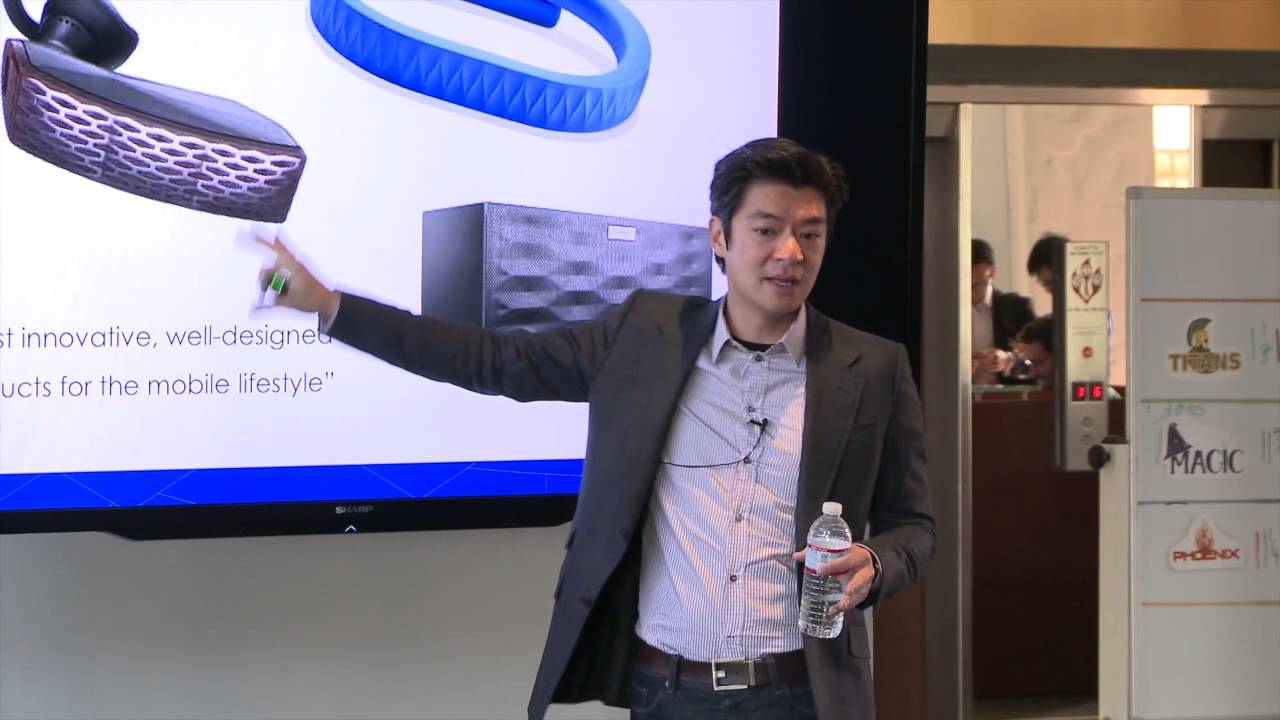
We're gonna talk about rock stars, what I was saying about the Nobel Prize-winning people, because in this case, the guy just won a Nobel Prize. He's a professor out of UC Santa Barbara who was the inventor of the Blu-ray. So for those of you guys who have Blu-ray players, this guy invented the blue laser. His next project was to invent the green laser out of UC Santa Barbara, and Vinod got to know him over time and invested in his technology, again, before they formed a company, and we came up with 2, 3 different ideas for how you commercialize the technology, not knowing what would stick. This is the result of one of them. His green laser enables you to create these wafers that can generate 5 times more light per unit area than any other LED material known to man. Which means if you go to Home Depot right now and you buy an LED bulb, you usually see like multiple There's multiple chips in there, strange optics. It's kind of ugly. It gets really hot. Some of them have little fans inside to dissipate the heat. They're ugly, clunky, and they're expensive. And they're still not cheaper than— you can see the ones that are here have 3 little chips inside. They can do it all with 1 chip, which means that it's much cheaper to produce, much simpler design. The optics are much simpler. And they got the folks that did Apple and Jawbone and really cool industrial design to make A very sleek shell that looks sexy, creates an emotional appeal, and is a heat sink all in one. So this, we think, is the first LED bulb that actually is the fastest to break even and is actually the first thing that can compete truly with incandescents. Started with a rock star, created an emotional product around it, something that everyone, once they see it, they have to have it. And it's just a better performing product. Jawbone is a company that all of you, how many of you guys have a Jawbone headset or a speaker or any of that kind of thing? Yeah, so Hossein Rahmin, who is a young entrepreneur who was able to bring this technology out of DARPA, it was a DARPA-funded noise cancellation technology that he originally was going to license to a lot of the large headset developers. So like Motorola or Jabra or Nokia, he was gonna take this technology and license it. He met with Vinod and met with our team, and we said, this technology is disruptive enough where you could go to market with your own product that people will want to have. And if you apply good industrial design and create an emotional need for the product, you can build a brand and then capture a lot more of the value than if you're getting a 2% royalty for every headset that's sold. That's what he did. Hundreds of millions in revenue later, these guys have been able to generate a multiple— a multi-suite of products That include obviously a lot of the headset and the communication stuff, sound, and Bluetooth-connected stereo systems now that are much cheaper than the usual thing where you have to get all the installers to come in and put in all the speakers. These are all like computer— it's all algorithmically controlled, and the sound is projected based on the separation and distance from each other. And then the Jawbone UP, which is a device that sits on your wrist and is able to track a lot of information. about your health and monitor your health and open up a new direction there. So they've done a lot from what originally started as a technology that was suitable for licensing. And it's a good thing they didn't go that path. The last company that I'll mention and then, you know, I'll try to wrap up and get to any questions is called AliveCor. So my dad has a heart condition and every quarter he has to go to the cardiologist where they're going to put all these leads on him He does like a little running thing and you have to— you hope as a son that in that 5-minute interaction with the doctor, if there's anything bad in there, it better show up. Because if it doesn't show up, I've got to wait another 3 months. What AliveCor has done is it has taken a $20,000 piece of machinery, which is this EKG machine, and distilled it down into a $50 or $100 iPhone case. What does this mean? So this is a medical-grade, FDA-approved heart monitor that I can tell my dad after dinner every day, you sit there, you let the thing— don't worry about what it means, just hold the thing. It'll— the computing power of the iPhone now is able to process the signal and come up with a medical-grade EKG signal. It sends it up to the cloud, compares it against the hundreds of thousands of other images that we have, and is able to render a judgment and sends me a text if there's any kind of issue. So if it's something where he needs to go call his cardiologist now, then we do that and we don't wait 3 months. You need to go to the emergency room right now because there's some weird arrhythmia going on, and then son gets alerted. Or you are about to have a heart attack and you better do what you need to do, right? So this capability empowers the consumer in a way that has never been able— has never been possible in the field of cardiology. And you're gonna start to see a lot of other companies working on medical products that use that supercomputer in your pocket called the iPhone or Android device to be able to do medical diagnosis in a way that has just never been possible before. And it's gonna change the field of medicine. And it's gonna make a lot of the simple things that we waste a lot of time in going to a doctor's office to get those basic diagnoses and empowers you to do it yourself. So I won't go into any more of the other companies or other examples, but hopefully it gives you a flavor of the types of things that we're looking for and how we're trying to build great teams. We're trying to invest in things with unpredictable upside. We're trying to invest in products and services that have that emotional and irrational component. And again, as I sit here as a VC thinking about all the great things that can happen, A lot of really funny or neat headlines that can happen over the next 5 years. And there's not really an easy way of predicting what will happen, right? But suffice it to say, in all of these fields, there's going to be so much change that the world will change and the pace of innovation will change, which will create some earth-shattering black swan type of events that I'm excited to look forward to as an investor. So don't give up on the moonshots. Others haven't. And I'll just close with, if you want to predict the future, you should just invent it. Thank you. Thank you.