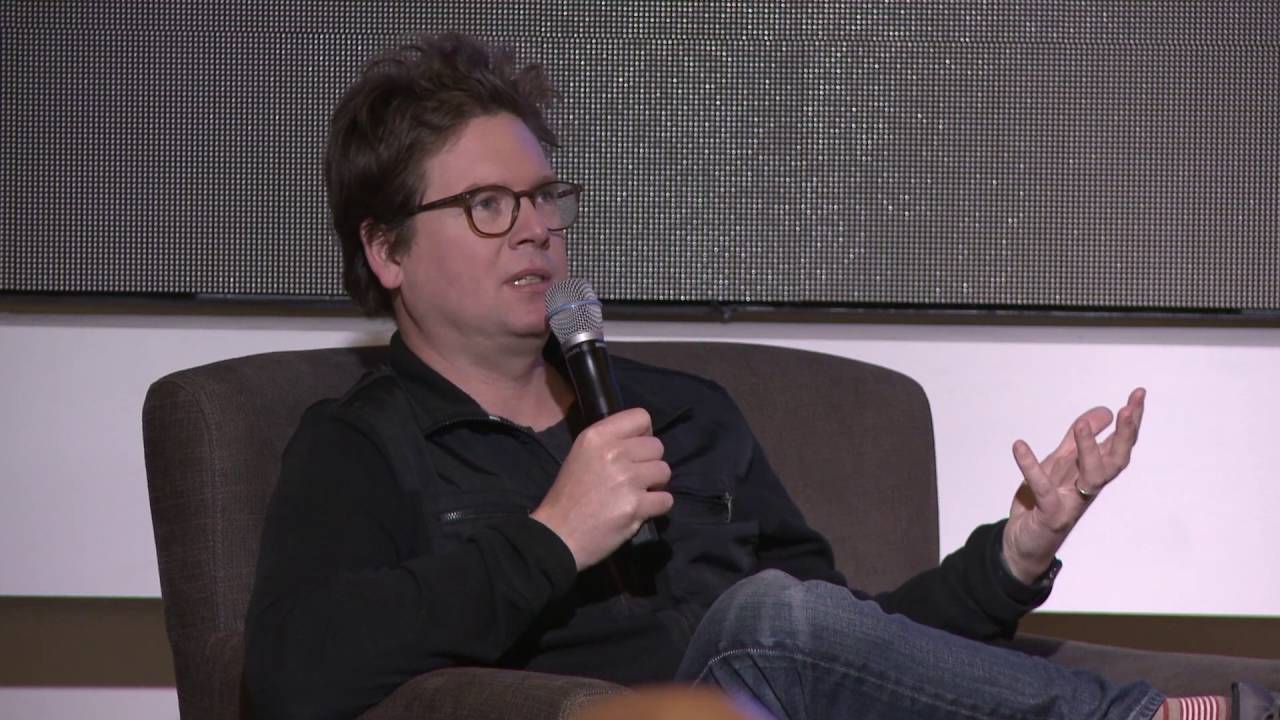
Biz Stone explains how Twitter built brand loyalty by celebrating what users did with the product instead of promoting itself. During outages, the Fail Whale and honest blog posts set realistic expectations. Users got so attached they sent pizzas to the team.
Chapters
Well, okay, so there's hiring and recruiting and firing people. But what about one of the things that you were known for at Twitter, which is building a brand and getting people to be passionate about a product? How do you— what are your best tips for achieving that?
Well, I didn't really know that I was good at that until it happened. I mean, I was hired at Google. In retrospect, I can figure out why I got the job at Google, because I should never have gotten that job. But what I did was I humanized the product at Google, and then I took that to Twitter and I sort of—
What do you mean by humanized the product?
Well, I kind of, you know, a lot of marketing and a lot of companies Just the general sort of way of doing things is to say how great you are all the time and put out a lot of materials about how great you are and all this stuff. And instead, what we did was we just— we celebrated— first of all, we didn't celebrate ourselves. We didn't— the plan was don't celebrate ourselves, celebrate what people have accomplished. By using the tool. And then—
So, for example, you wouldn't say, we got X many users in 3 weeks. You would say—
Because our numbers were really low, and everyone thought they were high, so we just didn't say anything. We were just like, great, we'll take that. And then we celebrated what people did. Like, oh my gosh, look what this lady did. She's so great.
Like, she was able to organize a—
She did a spontaneous charity across 200 cities and raised $3 million.
Using our tool.
How great is that? And first I started doing that internally just to get people psyched about, oh my gosh, I can't believe I'm building this thing that can enable these awesome things. And then I was like, oh, wait a minute, we should just tell everybody. There was that, and then there was, we broke a lot, and we weren't, there was really no other way than to say, yep, The service broke, and I would sort of act as an embedded reporter and go around and ask, like, what exactly was it? Like, what? Because people really were frustrated. We were frustrated too. So I would use every channel I had, like a company blog and not Twitter because it was broken, to say, you know, hey everybody. Our servers went down, as you might have seen, and this is exactly what happened. And we fixed it so it won't break exactly that way again.
But it ended up breaking a lot.
It'll probably break.
It'll probably break. You guys remember the Fail Whale? Early Twitter users in the audience? Maybe not.
I picked this image when the servers went down of a bunch of birds lifting up a Like, we're working on it together. I don't know where they were supposed to be taking the whale, but it was, um, it was, it was supposed to be like, we're working on it.
And whenever, whenever Twitter wouldn't load, this like animated cute whale would appear. That was like— yeah, no, I guess it wasn't animated, but it was like—
But the, um, later on, Ed pointed out the birds trying to carry the whale were actually Facing different directions. That's perfect technology of what we were like. So yeah, we so I just basically would explain everything I could about what happened, why you know why it broke, why it won't happen again. Even in the early days, I was trying to set expectations because we were we built before the iPhone built everything over SMS. And the web. And when you sent a message on the web out to people who followed you on SMS, the confirmation was great, that might have worked. Because I wanted to be like, we don't know, like, it made a lot of sense. We don't know if the SMS is going to work or if our thing's going to work, right? So we changed that later, but—
So just being honest with your users, trying to—
Just tell them exactly what happened. Don't try to sugarcoat stuff. I have a positive mentality. So one of my friends, Jason Goldman, who worked with us for a long time at Blogger and Twitter, he used to always accuse me of putting a spin on things. And I was like, I'm not spinning it. I'm just saying the good news is that it won't break this way again. Elon Musk has been doing this lately. Until the rocket finally landed perfectly, every time it blew up, he was like, it's not gonna blow up that way next time. So, I like that. That was good.
It might blow up, though. And then your users started to sympathize with you a little bit and cheer you on. I think today we still see a lot of people cheering Twitter on even as the stock falls and saying, you know, we hope—
They fell in love with the brand before the actual service caught up. People fell in love with this.
They sent you pizza.
Yeah, it's like imprinting, I think, because it's not actually Twitter that they love. It's what they can do with Twitter and how it connects them to their constituents if they're a politician or whatever. So they don't actually love Twitter, but they see that logo and they're like, I love it. It's like when a little duckling is born and whatever it sees, it picks mommy. You know, so they imprint on it. And yeah, at one point, we, you know, there were competitors popping up everywhere. This is a good idea, we'll just copy them but make a better infrastructure. And they were better, but people didn't switch because they were attached to us. And a great example was one— we famously would go down anytime there was going to be some kind of big event. Events were all— Twitter excelled at events. And every time there was a big event, we knew a lot of people would be tweeting. We probably would break because of the simultaneous calls to the server. So we knew there was a Macworld the next day or something, and we were staying up late in the office to try to fix it. Trying to figure out how to shore up stuff, and a pizza came to the office, and then another, and another. I was like, "Who's ordering all these pizzas?" Because it was only like ten of us, and nobody had ordered pizzas. And it turns out that people who used for it were ordering us pizzas and paying for them, and because they figured we were probably staying up late because Macworld was tomorrow, we probably were worried that we're going. Go down, and we were just like, that's so awesome.
It's very nice.
It's an example, it's like a sort of concrete example of how the brand can really help in everyday use.