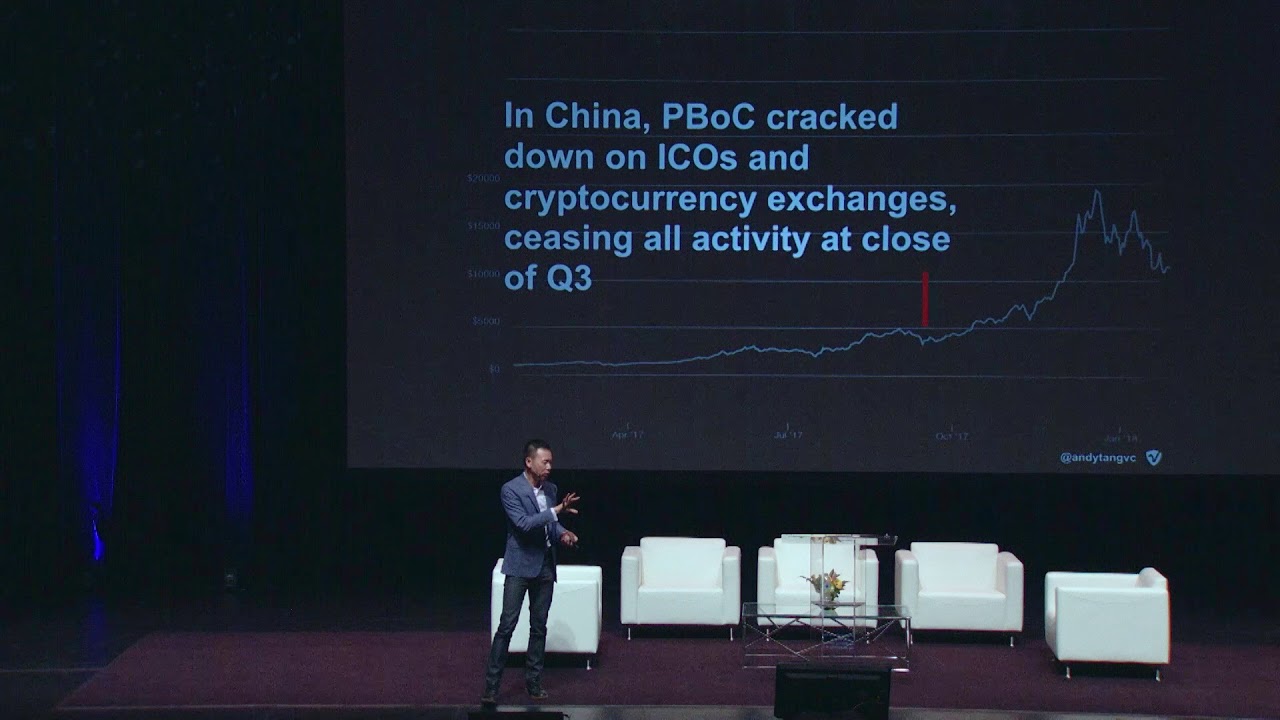
Andy Tang compares how governments regulate crypto. The SEC issues warnings without strict thresholds, which he sees as reasonable. Japan openly backs crypto technology. By late 2017, companies incorporated in the Cayman Islands and British Virgin Islands to issue coins as products and avoid taxes.
Chapters
Okay, let's talk about government. I mean, it's one of our favorite topics. In fact, some of the early crypto people, they're really libertarians. There's some political slant to this. Okay, so worldwide, government looking at this and say, hey, we're the people who sort of produced this fiat currency. It's the government's job. So is this challenging us? So, I think it's a great thing when governments start telling people, hey, you got to be careful. Many people look at the SEC and say, hey, they're gonna start governing this. This is great. You know what the SEC did? They basically said, hey, just be careful. There's some bad guys out there. What they didn't say is, hey, if you don't own $1 million, or, you know, like, you don't make over $250,000, you can't participate in this. So, you gotta read between the lines. This is actually a great development. This is basically government saying that, hey, you know, generally don't be bad actors, including ICOs, and let the market figure it out. Nothing new. I mean, government telling you not to be bad actors, I mean, that exists in securities law. Basic judgment, don't lie to people. You tell them you're gonna raise money to do a certain ICO, Make sure you follow through. That's not bad regulation. That is just good governance. Now this is missing a thumbs up. Now, so they warn people on ICO, which is a thumbs up, but closing down exchanges, not so much. Japan, double thumbs up. This is a government backing a technology solution. They're basically saying, hey, We're the government, we provide currency payment and all that, but maybe we will consider upgrading, just like the telecom industry, just like the industrial, just like education. We might want to embrace this internet square thing. Another thing that's interesting is that the start of 2017, you see many of these foundations getting formed, because people didn't know how to issue tokens. Is it a security? Is it a product? And then you get into governance issues. So, at the end of 2017, we actually started seeing companies forming in tax-efficient domiciles, like Cayman, BVI, and essentially issue coins as a product.