Improving Your Business in 12 Weeks | Vungle CoFounder Jack Smith
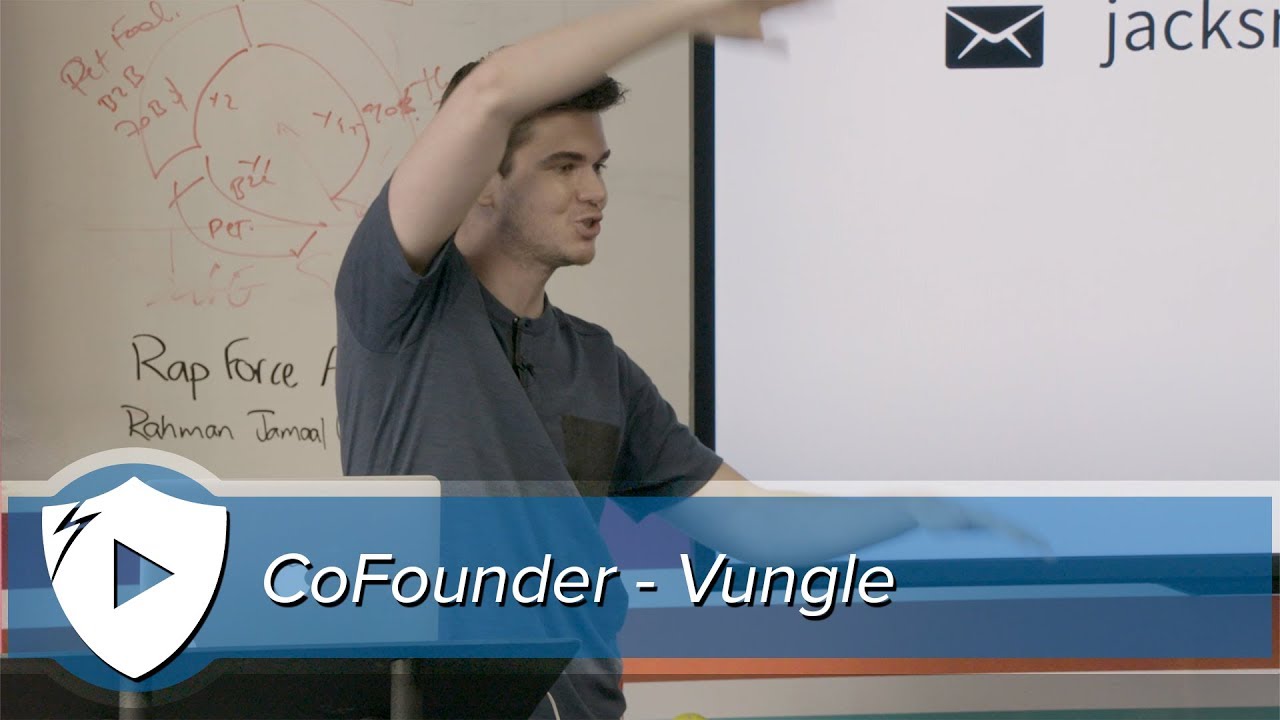
Jack Smith's startup Vungle pivoted from an Android app idea to mobile video ads after discovering developers needed users, not code. In 12 weeks, they landed a $50,000 Barnes & Noble contract, bluffed progress to Google Ventures into a $5M valuation term sheet, and raised about $2M by demo day.
Chapters
Thanks. Maybe I can just give a quick background. So basically we got into this incubator, 12 companies. The first day you go up like this in front of everyone else in the room and you basically pitch your idea to the rest of the class. And then our idea was like so terrible. I remember the first day I was like, oh shit, this is like terrible. And so we have 12 weeks and basically in that 12 weeks We knew the things that we needed to do, which was we needed to get a CTO, because neither of us are engineers. We needed to come up with a new business idea, and we needed to raise funding. And I was listening to the previous speaker saying about the importance of market, right? That is the main reason why Bungle can do $400 million in revenue today, because the mobile advertising market is so huge and is growing so much. So the main thing we lucked on was targeting mobile apps. When we launched, the App Store was only 1 year old. And we saw, hey, this thing seems to be taking off a bit. And so even though we had a terrible idea initially, we iterated different ideas within that market of mobile apps. And so basically, we tried out 8 different ideas. What was the original idea? It was like an app store where every app had a video. And it was mainly like an Android app store. And so when I was pitching the idea, I'm like, wait, everyone has iPhones. This is terrible. And so basically, all the other teams are engineers, and we thought we were at a massive disadvantage because we're like, we're the only team that's not an engineer. Actually, that was a massive advantage because, for example, this other team where they were all PhD engineers from Google, they spent the whole 12 weeks locked in a conference room coding the product that they thought the market wanted. And so at the end of the 12 weeks, they tried to launch it, and then no one wanted to use it. Because we were not engineers, it meant we had to sell before we wrote a single line of code. So we tried 8 different ideas where we just created a fake landing page for each one, making it seem like the idea already existed. And then for each one, we just tried to sell it. And we tried all these different ideas, like, and each one, like, people were like, oh, yeah, that's great. I'll check it out later. And, like, people wouldn't even use it when it was free. But then when we finally stumbled on this idea for Vungle, then people were basically like, I want to be your first customer. Just put me down for $5,000, $10,000. So they were throwing money at us, and that's when we knew this is the idea. And so the main thing that I learned from that incubator that could be very useful for you guys, and it's actually covered in a very short book called The MOM Test, like M-O-M. We call it mum in England, so it's called The MOM Test. And basically what they say, and what they said in the incubator, is go and speak to your prospective customers. So for us, that was app developers. And they're saying, stop pitching your idea. Instead, just talk to them and ask them questions about what are the challenges in you doing business. So we spoke to these app developers, and we're just like, we want to learn from you. We're not trying to sell you anything. And we're like, OK, what are your biggest challenges as an app developer? And so they told us, they're like, our biggest challenge is that we're engineers. We know how to build these apps, but then we don't know how to get users for them. And so then that's why we tried out these 8 different ideas about how can we help them get users. And the final idea, we told them, hey, what if we could create an ad, a video ad for your app, and show it inside of other apps, kind of like a TV commercial? And then people would be able to download your app from there. And then people were like, oh, that's amazing. So that's basically how we ended up on it. So how big is the company size when you get into the incubator? It was just us 2 and 3 interns. And with no revenue, with no headshots? We had some revenue, but it was like we were charging companies like Spotify like $200 to make them a video. It was terrible. So that's why we were nowhere near good enough to get into this incubator. But we just, like, just because we wanted it enough, then they were just like, maybe we should give these guys a shot. And that's the thing as well with raising funding or things like that. So basically, the incubator was 12 weeks long, right? So, as I said, the first day we had this shit idea. I'm presenting to the whole group, and it's like some Android App Store thing, and it's like, this is terrible. And so we knew we've got 12 weeks to turn this around. because we had 12 weeks tourist visa. If we otherwise— so we're like, all right, we need to pull this off, otherwise we've got to go back to England. And we already told everyone in England, like, hey, we're going to get funding from these ex-Google guys, like, fuck you. And so we'd have to come back and be like, oh, shit, we failed. So we were like, all right, we need to pull this off. So in those 12 weeks, we came up with a new idea. We got a CTO who at first he was just working nights. He already had a job at Intuit, but he was just helping us in the evenings, right? And then we were like, all right, and then we need to get funding and stuff. So Google Ventures had come by at the start of the program, and they saw that we were terrible. They basically came by, and they had a meeting with all the teams, and they just see what's cool. And we met them at the start, and we were terrible. And basically, a week before the end, we met them again, and we'd made a bit of progress at that point. And one progress we made, actually, is a speaker— like I'm speaking here, right? A speaker came by to talk to our class, and then he was a VC, and then he was talking at some app developer conference. And we just emailed the conference organizers, or I think we actually asked him for an intro to the organizers, and we're like, hey, can we be involved in this app developer thing? And they were like, yeah, sure. It's like $10,000 to sponsor a table. And so basically, we were talking with them, and we were like, We don't have $10,000, and we were, oh no, we didn't say that. We were like, oh, we were just kind of hoping because you are connected with the speaker, and we're connected with him, could you help us out, or whatever? And so, for whatever reason, they were like, all right, whatever, just take the table for free. I think it's 'cause this conference was tomorrow, so they were just like, fuck it, just take it for free. And so, basically, this conference, you have these tables lined up. It was basically Salesforce, PayPal, Barnes Noble, et cetera, and then our thing was Vungle. And they all had these professional printed posters, billboards, whatever. Our thing, we had just this table with the two of us, and then we didn't even have a color printer. So we printed this stuff in black and white. We didn't even have scissors, so we just torn it. It was the most ghetto stand ever. But because we were alongside PayPal, Amazon, Salesforce, Vungle, then my co-founder was just talking to the table next to us on the lunch break, And just saying, oh yeah, we're from Vungle. And because we were next to all these guys, they thought that we had legitimacy, right? So they're like, oh yeah, yeah, we've heard of Vungle. Yeah, you guys are awesome. And so he was just talking with them, and actually we managed to come out that day with some agreement where basically they agreed to give us $50,000 to get videos for all of the Barnes Noble Nook App Store things. And so basically, at the end, towards one week before the end of the incubator, we went to meet Google Ventures again, and we were just telling them, basically we made out like it was their ideas that helped us make all this progress. So we were like, oh yeah, we followed all your advice that you gave us at the start of the program. Now we've got a CTO, new business idea, this $50,000 deal. And so the Google guy's like, wow, that's pretty cool progress, actually. And so he's like, why don't you come in and pitch to the Google Ventures partners like next week. And so we were like, okay, cool. So we need to make some progress by next week because we didn't have any investors or anything, and the demo day was the day after. And so basically what I did is I also found who the founder of the other largest mobile advertising company at the time— it was called Tapjoy— who I just checked the founders on LinkedIn. They'd actually left the company, and so it seemed somehow they were actually just like one block around the corner. That's the advantage of the Bay Area is you've got all these legit people just walking distance from you. Everyone's here. And so I just said, can we just have 10 minutes of your time? It'd be great to get your advice about what we're doing or whatever. And that guy was a bit ADD and we went in and showed what we're doing and he's like, oh wow, this is awesome. Let me phone up my friend who's an app developer. And his friend was like, oh yeah, this is a cool idea. And then so he's like, hey, I know you just wanted advice, but actually I do some investing. Would you be interested if I invested? And we're like, yeah, we'll take your money. And so we got him. We had to hustle him because he said he would invest, then he just went quiet on email for a bit, and then basically because we had this demo day, we were like, we need to close this guy. Basically, I threatened, and I think I actually did, just turn up at his office because we were like, dude, we need you to sign this paperwork before the demo day. But then when we went in to meet Google Ventures, because it was the first VC that we were ever meeting, our pitch deck was terrible. I actually made it on the car journey down from San Francisco to Mountain View or Palo Alto, wherever they are. And so basically, text was overlapping images. It was terrible. It was obvious we hadn't really been pitching that many VCs. And the partner there was not exactly very impressed. So basically, after half an hour, he's just like, all right, guys, thanks for coming down. Yeah, I just wanted to give you feedback on your pitch. I hope that was useful. He was basically making out like, He was basically making out that this was never an investment pitch ever. He's like, I was just giving you design feedback. Basically, just get out, basically he was saying. And then, so we're basically walking out, and then he's like, hey, by the way, how's your fundraising going, or whatever? So we're walking out of the room, and we kind of bluffed, kind of true, because we did have these app developer, these other founders investing. So we basically said, oh, it's going great. We've got these legit— Investors. founders, you'll definitely have heard of them, but we can't name-drop them just yet because we haven't got their permission to drop their names yet. And then now we're just deciding the right VC to partner with, who will be the best partner. And it's basically, he just got super paranoid because he's feeling like, oh, I just helped these guys make all this progress, now some other VC's gonna take it. And so basically, he's walking out, and basically, out of his briefcase or something, he basically just gets out loads of papers and he's like, all right, here's a term sheet, and he just slams it on the table and says, Google Ventures is leading your round. It's like $5 million valuation. You don't negotiate with me. This other dude who hadn't talked the whole meeting, he was just sitting here, he's like, this guy will write up the paperwork, and don't announce this to anyone until after Demo Day. And then he just walked out. So that means that from coming in as the worst company in the class— so as I said, at the first day, you pitch to all of your other teammates, right? And we were the worst company by far. But this other company, they kind of got a bit carried away with themselves early on, this one guy especially. And so this one guy early on in the program, because they were getting some investor interest early on and stuff, he actually walked by our table, so it was just me and my co-founder, and he threw a quarter to my co-founder. And he's like, here, I'll lead your fundraising round. You'll need this. And so we were just like, what a dick. That guy's such an idiot. But then at the end, when it came to demo day, we didn't tell anyone else all this progress we'd made. So it comes to demo day and we're like, hey, we're Jack and Zane from Vungle. We're doing mobile advertising for mobile apps. We've got this $50K deal with Barnes Noble. This is our CTO because we got our CTO to join full-time at that point. We were basically like, dude, you need to join now, otherwise this is exploding. We've got this CTO and then, yeah, we're raising $1 million and we've already got half of it committed from a top-tier VC. Now we're just deciding who else to invest, whatever. That guy who had thrown the quarter, he was actually the first person that's sitting in the audience. He just stood up and then he just started clapping. 'Cause he's like, I have no idea how you guys managed to pull this off. And then basically after Demo Day, once you have some momentum, then we managed to raise— we increased the amount we were raising. We finished at like $2 million. So sorry, that was a long answer to your question, but that's some more context. Thank you.
More from Tim


He Sold His Car to Build This Startup, Then Pitched It for $1M 😳 #Startups #AI

This Startup Moves Your Crypto BEFORE Hackers Can Steal It 😳 #Crypto #Cybersecurity




15 Months Without Refrigeration?! This Startup Thinks It Can Go Global 🥥 #FoodTech #Startups



