Derek Andersen left EA to start Startup Grind, an event series that began with nearly empty rooms. He switched to a paid model and an interview format featuring founders like Jason Calacanis, then franchised chapters to other cities, growing to over 400 worldwide.
Chapters
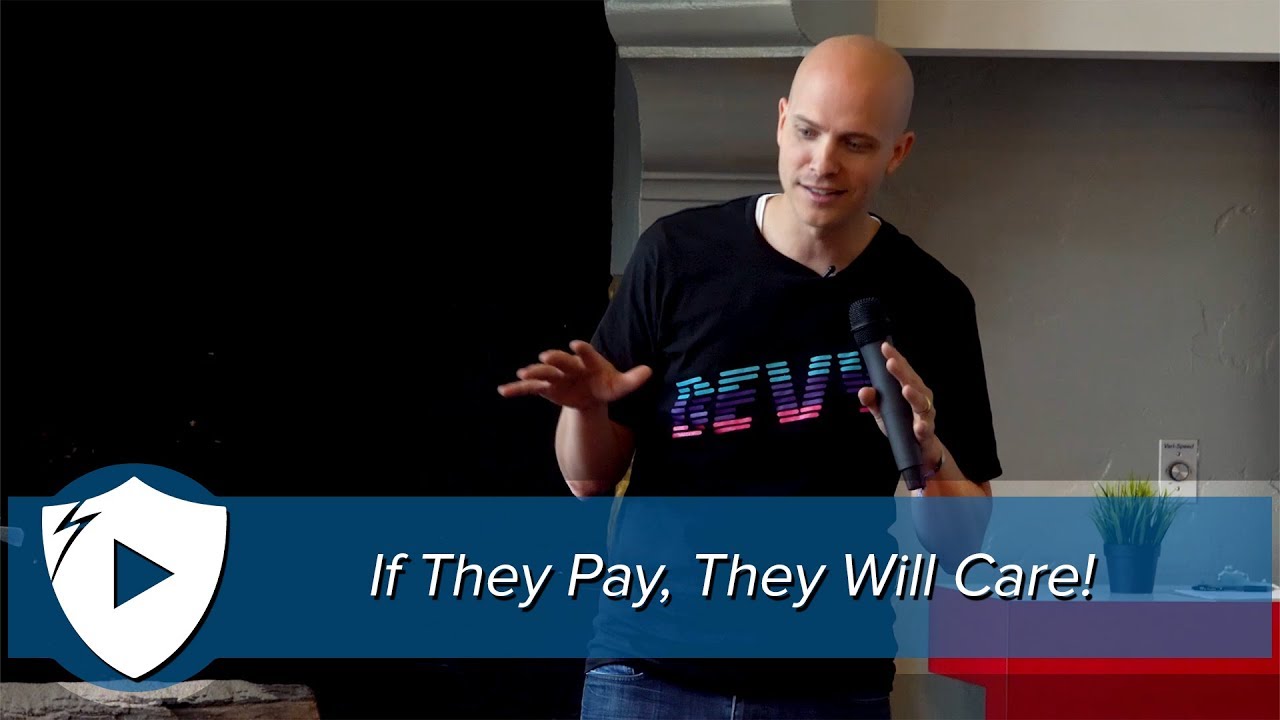
So fast forward about 6 months after I had left EA. I'm sort of trying to figure out what to do. I'd raised a little bit of angel funding for a game that I was building and sort of all over the place. And in the beginning— you've probably experienced this— in the beginning, you don't really know what's going to work. So you're just juggling tons of balls. Right? Just like, you've got 5 balls in the air because you don't know what's going to hit. And a ball drops out. And you grab another ball. And you throw it in. And you just start juggling that. Yeah. A lot of young entrepreneurs make the mistake. I never wanted to work on 5 ideas. I only wanted to work on 1 idea. But you kind of have to do that in the beginning. But when you find something that starts to get traction, you take it from 20% of your time to 30%, or from 30% to 40%, or you just put a little bit more effort into it. Drop your worst ball and spend a little more time on the one that's kind of starting to do well. So I was kind of juggling lots of balls. A friend and I started hosting this event series in my office. We called it Startup Grind, because that's what described being an entrepreneur best to me. And 5 people showed up at the first event. It was nothing, but it worked. It was a good experience, so we said, let's do it again. So we did it again. 10 people showed up. We did it again. 5 people showed up. 6 months in, we hosted an event, and 4 people showed up. And if there's ever, you know, when I die, if I'm not totally dead, I hope that I can rewatch this moment somehow because I walked out of the event, I got in the car, and I said, what a freaking waste of time. Like, it felt sort of like this. Because like nobody cared and we'd spent 6 months on it and we had begged all of our friends to come and we tried really hard to get them there and make it, enjoyable experience. And it just, it was dumb. Nobody liked it. And so I decided that I hadn't really given my full effort into it, and I would like drop another ball and put a little more time into it, and I would try to do 2 more events. Now you hear these stories, and again, if I had a journal, I could tell you for sure that was true, but to my knowledge, that is what I thought at that time. And so we waited a month. 2 months later, we hosted our next event. And we marketed it. We got it out there. And to my shock, a bunch of people showed up. And it was a really cool experience. And there was all these really cool people there that I didn't know. They weren't all my friends. They were just random people that were interested in the same things we were interested in. And some of these people— What's interesting, I'm still friends with them today. And I just met them at this random event. There was like this cool vibe. We talk about values now, but there was just like a cool vibe with these people that were there. So we said, OK, cool. Let's do it again. And then the next event, the momentum sort of started to build. And then the next event, the momentum started to build again. And this guy, his name is Jason Calacanis. I emailed him and asked him to speak. I didn't know him. And he said, well, I'll speak, but, you know, I can only just show up. You can just interview me. I'm not going to give a talk, because we had done talks at that point. I said, no problem. I'll interview you. Just show up. It's all good. Well, I'm just going to leave right after it's done. And okay, that's fine. Just leave right after it's done. It's great. I'll interview you. So I interviewed him. Kind of looked like a dork. And people really liked it. They thought it was great. They really got a lot out of it. It didn't feel like a pitch. It didn't feel like overly prepared. It was just fun and interesting. So we're like, let's not do anything else. Let's just do that. Because we hadn't really experienced that. So from that point on, like in perpetuity, we just did that. We got feedback from the users. Every month we had a new event. We could get more feedback from our customers, our users. And then when we finally found what worked, we didn't mess around. We didn't try other things. We just drilled that nail into the ground 7,000 times. In the fall, this was getting bigger and bigger. We're hosting it at a bigger venue. And 2 things really changed Startup Grind. You would never have heard of Startup Grind if it weren't for these 2 things. The first thing is we always had pizza at the events. The events were free. And this guy walked in one day before the event even started. He walked over to the pizza. He stacked pizza like 8 or 10 pieces high, and he walked out. I was like, what a jerk. I was like, what is that? Like, we have the worst pizza you can buy, right, because we're cheap entrepreneurs. It's like nobody wants to eat Domino's pizza except for my kids. And maybe some of you are like, I love Domino's pizza. I hate Domino's pizza, but it's cheap. And so that's what we had. He came in. It's like, why is he getting food? It's like, well, this isn't— and I just had this epiphany, like, this isn't a community. This is like a startup homeless shelter. Like, he's not even getting any value out of the education. He only came for the terrible food because he must be starving. So I was like, this is what, in my mind, this is sort of what he looks like. This was not him. But you know what I said? Like, after that event, I just said, I'm charging for all my events going forward, and if nobody comes, I don't care. But the people that will come, If they pay, then they will care. And much to my surprise, 60% of the people came back, but they paid. And it was the highest quality 60%. So this became a filter that didn't require more work, but also put money into the system. So there's created value for the brand and the product. And I actually owe a lot to this guy. Again, I wish I knew who this person was. The other thing that happened is— I had this entrepreneur walk up to me after an event and he was like, we need this in Los Angeles. I love the brand and the values and everything. It's so cool. We've got to do this. And I was like, terrible idea. Terrible idea. That will never work. You must have 20 of these in Los Angeles. He's like, no, we don't have any. And I was like, you know, finally he was persistent and he convinced us to do it. I flew down. These are the Movie Clips guys. These are my friends. I flew down, I interviewed him at the first event, and it worked. And soon thereafter, we started adding, you know, we added a chapter in New York and a chapter here. And I was meeting for breakfast with one of my mentors, and I was working on this software product at the time, and it was not really taking off. And we had put a ton of our own money into it. And he said, you know, I don't really know about this software thing that you're building. Because it doesn't seem like anybody really likes that, and I don't get it. But the Startup Grind thing is pretty cool. And you've got this organic momentum. And this is something that I have learned about great ideas. All of the ideas I've worked on, I have worked 110% on. Right? But Startup Grind is the only idea to this point that anybody actually wanted. And so I put, as soon as I put all of my energy and time and talents into that one thing that people actually wanted, it took off really fast. All these things happened that honestly I could have never planned. And I don't take credit for them. They just happened. It's the people. It's like people wanted this thing and so it worked. Now we worked really, really hard, but But this was sort of some of the first feedback. And I talked to another mentor and he kind of said the same thing. Like, yeah, this is the thing you should probably think about working on. So we stopped working on the company that we had and we started working on Startup Grind. And this is my garage. We worked here for more than a year and a half. After that, we moved in and we just started taking calls. meeting people across the world. And we kind of grew from a couple of chapters to a dozen chapters, and from a dozen chapters to 2 dozen chapters. And then when we got 2 or 3 dozen chapters, we got more momentum, and we got Google involved, or we got IBM involved, or we got other people that would help. And sort of like success sort of creates success, right? It sort of builds on itself. To today, we have Uh, over 400 chapters, uh, across the world educating millions of entrepreneurs.