Sam Purtill explains how video games like RollerCoaster Tycoon and Grand Theft Auto taught him entrepreneurship lessons: customer focus, surge pricing, strategic communication, and competition. He reflects on what he learned in junior high and high school that shaped his approach to business.
Chapters
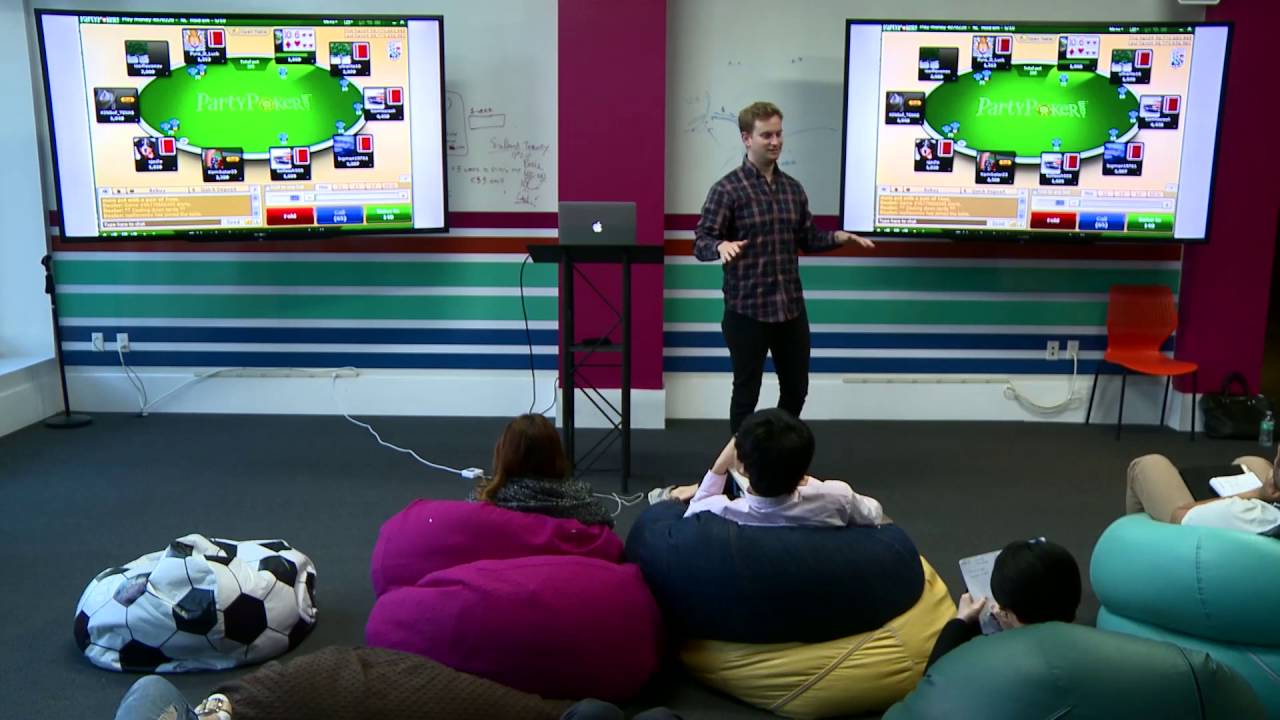
So junior high and high school, I look back on this. I was coding a lot, but I also played a ton of video games. Who played video games? OK. Were you other guys athletes, or? No. What did you guys do with your time? There's this guy, John Harrison, who does research on entrepreneurship. He says video games are problem-solving simulators that rely on hard work and persistence, very similar to an entrepreneurial endeavor. So I have like 3 games I'm going to talk about. The first is probably like my favorite game of all time, RollerCoaster Tycoon. Did you guys play this? No, it's so clicker. OK. RollerCoaster Tycoon is like one of the greatest games ever made. You basically, you get to build a theme park. And you get to build roller coasters and attractions. And the goal is to try to get as many visitors into your park and to increase your ratings as high as possible. And there are a ton of things that you learn in this game that are, I'd say, relevant to being an entrepreneur, working on a startup. You have a ton of customers all the time. You're constantly trying to make them happy. You're constantly screwing things up. You're constantly building things. A lot of the things get messed up when you're building them. My favorite thing by far was like there's this thing called an information kiosk. Do you guys remember this? Yeah. And so like you could sell umbrellas at the information kiosk. And like this, it was so cool. Like this was just the greatest troll thing ever. Like you could sell umbrellas for $1, but then the moment it started raining, you'd jack them up to $15. And like everyone walks by and buys an umbrella. And that was like your cash flow for the month. So, like, that's basically like the beginning of surge pricing. Like, I think that was like— I think that like the guys that work at Uber, I'm pretty sure they used to play RollerCoaster Tycoon. Because like when Uber, when it's raining outside, everyone in SF wants to take a cab to work. And so Uber is always surging. Or on New Year's or wherever. Like, so I think, I think like, I mean, I feel like I spent probably most of my time in maybe junior high and high school, I just spent so much time playing RollerCoaster Tycoon. And I also played a lot of the other, like SimCity, Yeah. The Sims, like all the— I mean, a lot of those games where you're just running simulations, and you're kind of running them quicker than what you get to do in real life, but I feel like that gives you a sort of mental blueprint for when you actually start running a company. You've already done a lot of this stuff before in these video games. The next one is PartyPoker. Did anyone play PartyPoker? Yeah. Nice. OK, so PartyPoker, this is actually a real money game. This is before they banned online gambling in the US, although I think it's available in some states now. Anyways, so PartyPoker was available when I was a freshman and sophomore in high school. And my friend's dad was really nice to us, and we'd give him cash, and he'd put money into our account. So we would just play— I think I literally spent one summer, and the only thing I did was play poker. I don't think I went outside. So I guess 2 things that I learned in PartyPoker. So one was you could actually chat with the people that were in the room. And we had this grand strategy where we would go into poker rooms, and we would just start talking trash. Immediately when we got in, we would just say that, okay, this guy has no idea how to play, this guy's bluffing. We would just talk so much trash. And so we would get the whole table to be really pissed off at us. And we would just basically Like, wait and slow play until we got super good cards and just tell everyone, guys, like, we have, like, we've got the worst cards ever. We're gonna bluff you, da da da. And they hated us so much, they wanted to just get us out. So they would, like, call us all the time, and we would just crush them. Like, we'd always beat them. So I think, like, I learned from that that, like, you can be, like, sort of outspoken, And use it as a strategy. And that actually can help you if you're very strategic about it. You shouldn't be outspoken for no reason. If there's some strategic reason to talk trash, then it can work. The other thing I would say is one hand we had, we literally hit this. I literally hit this, which is like, this is the greatest hand in all of poker. Oh. And this is like, you never, ever get it. You never see this hand. It's like getting a hole-in-one in golf. And we got this hand in a room that we were talking trash to people in. And we, like, ended up raising the pot to, like, $150, which was an insane amount of money back then. And, like, we totally won the hand. So the other thing I think is, like, I think poker teaches patience, for sure. And, like, you learn— like, if you play too fast, you can, like, run out of the resources that you need to play the game. I think when you're starting companies, you definitely need to be patient. I don't know anyone that's an overnight success. I've never met that person. And it just requires a lot of patience. And eventually, if you keep working and keep trying, you'll get good hands. And I think it's a process, and it just takes time. So I can tell you all the people I know in Silicon Valley that have been successful have been patient. That is a virtue that is shared by everybody. In Spanish, we have a saying. Yeah. Si en el poker has de ganar, deberás saber esperar. That means you have to be patient to win in poker. OK. Well, nice. I didn't know that, but I— OK, awesome. OK, then the next one's Grand Theft Auto. Who played Grand Theft Auto? This is like the greatest game ever made, next to RollerCoaster Tycoon. I played a ton of Grand Theft Auto. I feel like you can also learn about entrepreneurship from Grand Theft Auto. If you— so, like, I mean, first of all, I learned how to drive in Grand Theft Auto. So— That's like the number one thing I learned. And you have to drive to a lot of VC meetings. So sometimes you need to go faster than usual. No, but I think in Grand Theft Auto, it's very similar, again, to when you're starting a company. You start off as a guy that has nothing, and then eventually you start taking over. You take over a building, you take over a strip mall, you start taking over things, and you have to defend your territory. So I think there's a lot of stuff in Grand Theft Auto that is relevant. I think the other thing with Grand Theft Auto is, Poker teaches you patience. Grand Theft Auto teaches you if you don't have a good hand, you should just steal someone else's. That's bad advice. So, yeah. So, I think the takeaway is, again, like RollerCoaster Tycoon, I think it's like, charge a lot when there's real demand for your product or service. Like, don't sell yourself short in the same way that, like, When I was mowing lawns and that woman told me she would— I could do her lawn for $8. I left a lot on the table. Make sure that you guys are charging real money for what you guys are doing. Party Poker is all about patience. And then Grand Theft Auto, there's a lot of lessons there. So I think you guys probably learned a lot more than you think while you were wasting all that time playing video games. So don't think that all that time was wasted. There's just a ton of lessons in there. Think back on those memories fondly, not like you were wasting time.