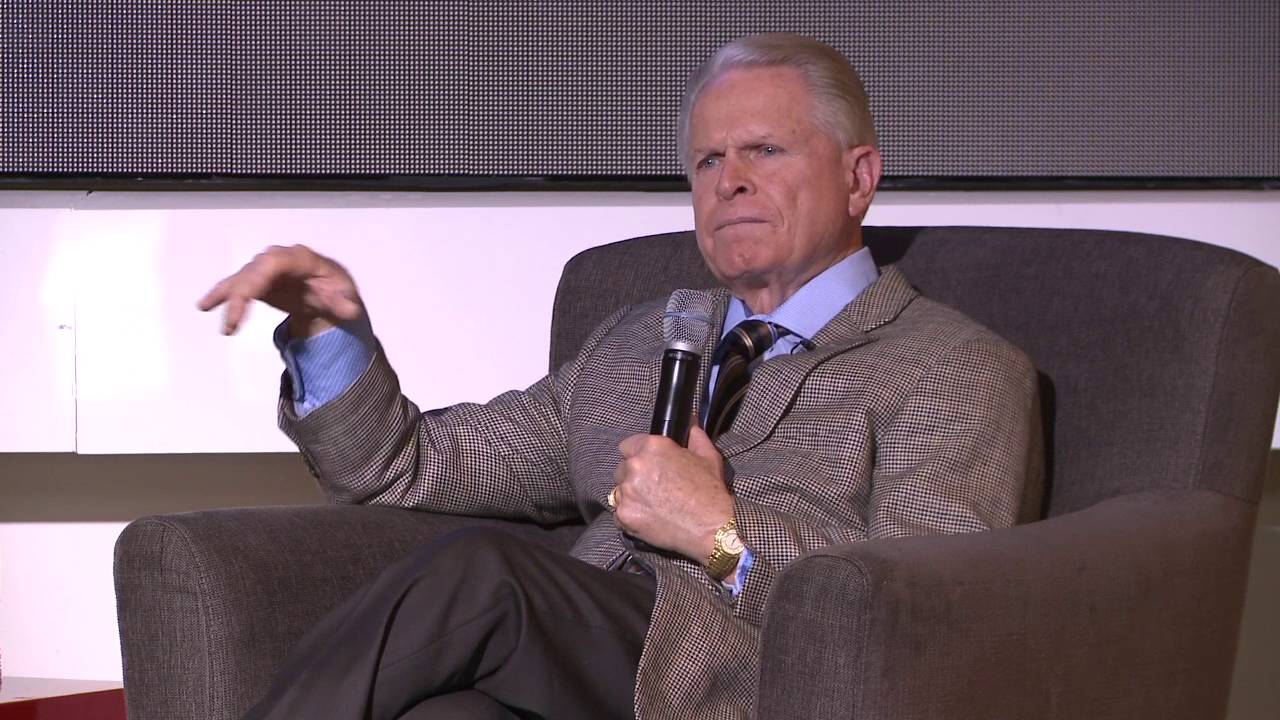
Ray Zinn maps life into five stages by decade, from student to reflection, arguing entrepreneurs should know which phase they're in. He started MyKrell at 40 during the harvesting stage and ran it for 37 years, using the framework to decide when to quit a venture and when to stay.
Chapters
Ray, you had mentioned that you had evaluated a number of ideas or tried a number of things before you actually ended up starting MyKrell. How did you know, or I guess what advice would you give to some of these entrepreneurs of, you know, how do you know when to quit or, you know, when to keep going? Did you ever think about when you were starting looking at those 3 or 4 different business ideas of going back to a company? How did you decide to just keep going until you found sort of the right formula?
Well, that's a good problem to have. I did try 4 or 5 other different ideas. They were okay. They would have worked. But then my roots are in semiconductors, so I went back to that. Because that's where I had the expertise. So if you're going to start a company and you say, what kind of horizon should I have to do that? I'd like to give you an idea of my concept of staging your life. So up until you're about 25, you're in a, what we call the student period of your life. And then from 25 to 35, assuming you graduated after 30— after 25, you go into the developing period of your life. And that's where you start developing your career. That's how you become who you are, how you're gonna become known. In other words, am I gonna be a doctor, a lawyer? Am I gonna become, you know, a franchise owner? What is, What is my goal? What do I want to do? That's that developing period. And so during that developing period, you wanna have, say, is that gonna take me where, can I visualize myself where I wanna be in 20 or 30 years? If you can't do that, if you can't see where you wanna be in, you know, 20 years, then you have to start rethinking again your developing period. Because that's very crucial, is by the time you're 35 that you should pretty well know, you know, kind of what you want to do. Then from 35 to 45 is where you start establishing your, your who you are, your identity. That's kind of the harvesting time of your life, like when you grow a crop, you know. You know, you plant the seed and you see the plant grow and then you Then you, the fruit develops and then you harvest it. So from 35 to 45, you want to be in a position to start harvesting, getting the value of all that developing you've done. And then from 45 to 55, you're kind of on the downhill. Now you're just getting kind of in the retirement time preparation. preparation for retirement. And then from 55 to 65 is really when you've got to look at, am I going to be— what do I want to do with the rest of my life? So it's important to get that, from that 25 to 35 developing period, establishing who you are. And then from 35 to 45 is when you really start taking— setting yourself up to, you know, by that time you should be a director or a vice president or, you know, have your company pretty well underway. I was just about 40 when I started Mike Krell and, but I stayed on for 37 years 'cause I really enjoyed what I was doing. So does that help you out? Up to 25, you're a student, 25 to 35, you're developing, From 35 to 45, you're kind of harvesting, and then you're kind of from there on, if you haven't made it, you're, you're pretty well set in kind of where you're going to be.