Millennials and Ecommerce Trends, Paid Marketing | Director of Zappos Labs, Will Young
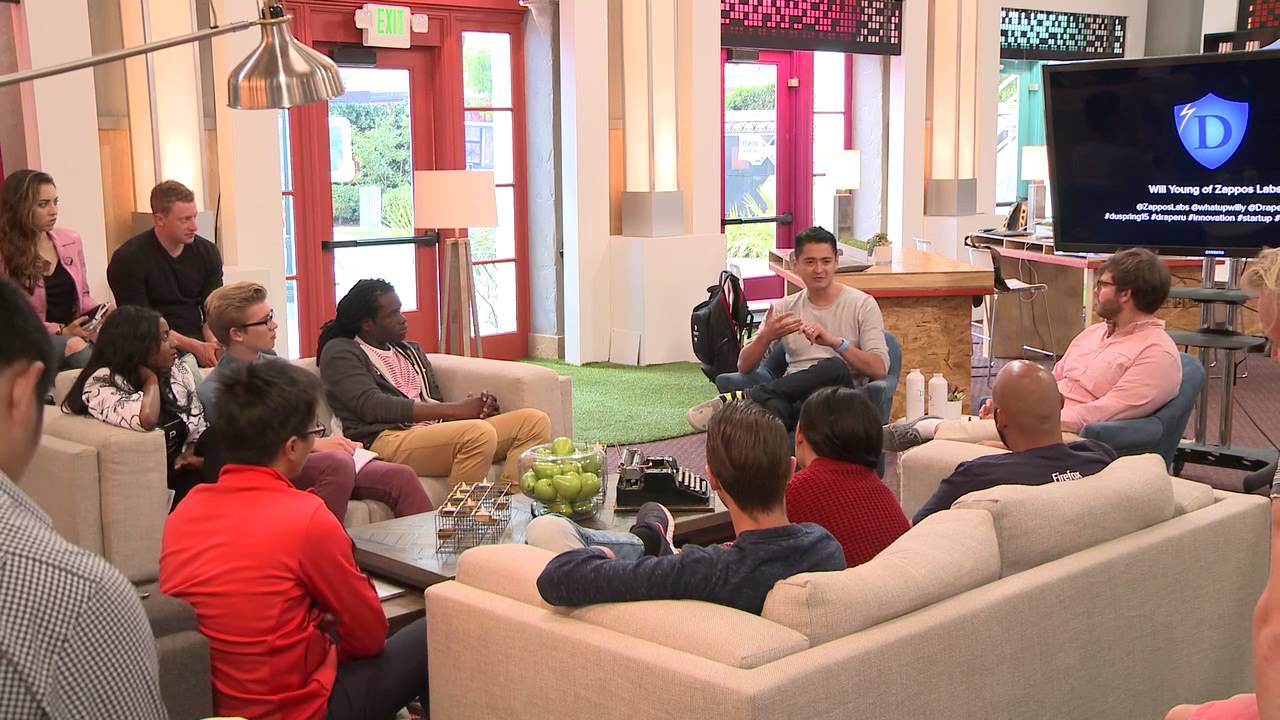
Will Young, director of Zappos Labs, explains why online fashion is still a massive opportunity: only 13% of the apparel market sells online. He highlights brands like Combat Gent, which owns its own sheep and sells cashmere sweaters for $45, and warns that paid customer acquisition must match lifetime value or brands fail like Fab did.
Chapters
I mean, what types of businesses— so you're perfectly willing to invest in businesses that you don't know much about. I mean, that's a pretty wide range. And what seems successful right now, or what trends in terms of types of startups are you excited about?
With my Zappos background, because my day job is Zappos, I really like the retail e-com fashion space, because I think— well, one, I actually have a little business domain there. And I think if we look at the opportunity in online commerce, in some ways it's not super sexy, but Like, we all buy clothing, right? And online clothing purchases is like 13% of the market. Of like a multi-hundred billion dollar market is only 13% online. So I think for people trying to think about how do I do this better, and you— I think there's brands that launch that don't need department stores anymore. So I think that's really interesting. I think, you know, I mentioned on the phone, we have this one portfolio company named Combat Gent, and they sell men's clothing. And it's interesting, right? Even 3 years ago, I probably wouldn't have trusted my credit card on a website that was combatgent.com. But now it's like people don't even think twice. So I think it's easier for people to do good things there.
It's amazing. Millennials especially trust any brand name. I mean, I did another panel here, and it's like Acorns, Robinhood, people are just giving them money. And it's like, they're not a bank. You don't need some fancy brand name. Retail, like any sort of interest in retail? What types?
We have a clothing company which is focusing on technology with fashion.
Like wearables?
Yeah, wearables. So I'm sure that you have the problem of getting too sweaty, or sometimes your insoles are getting greasy on your shirt. So our shirt would be water-resistant. I love that stuff. portfolio companies that they've made like, uh, but not like men's business casual clothing, but made out of like dry-fit material. Mizzen+Main and Ministry of Supply. And it was, it was interesting, right? They start with this small niche of like, their target is like CrossFit beefy dudes that want to go straight from the gym to the office, and they want to throw their shirts into their sports bags. And they're starting there, but now they're just blowing up everywhere. Like Mark Cuban— and Mark Cuban's not even an investor in one of the companies— but in Mark Cuban's Super Bowl commercial, he was wearing one of their shirts. Shirts. Like, that's a good testament, right? That shows like— and I don't think he was coming from a gym, he just really likes the shirts. So I think that's really interesting. One of the things that I've been pitched a lot with either my Zappos or my Vegas Tech Fund hat is like a social app for product discovery.
Isn't that Pinterest?
It is, and there's all these mobile apps that are trying to do it, and I think that is crazy hard. So I always tell people, don't do that. Well, do whatever you want, but I was like, that is Good luck doing that. I think the trends that we are excited about, like social matters, like for example, like there's a fundamental problem in e-commerce that hasn't been really solved yet by anyone. It's like, it kind of sounds kind of silly, but it's like, what should I wear today? Like how many people have looked in their closet and it's like, maybe I got this event and it's like, if you have a significant other or roommate, it's like, hey, what shirt can I ask? And no one's really cracked that. So I think that's an interesting part of social. And I think, should I buy this shirt or that shirt? is interesting. There's, I think, some social hooks onto it. And I think this one experiment we did out of Labs, which I think was one of the most— one of the— I was the most excited about, but completely bombed and failed, was, uh, it was called What to Wear. And it was literally the landing page was what to wear to blank. And it's interesting. So then we, we kind of did the MVP thing, right? We actually created a landing page that actually didn't do anything, but we let people fill in the blank. And the top 5 things were wedding, job interview, date, vacation, and then I forgot what the 5th thing was. But that's a really interesting thing, right? So the numbers— I think the number 2 thing was job interview. Like, go to Zappos and type job interview into search. We're useless. Like, completely useless. Type Hawaii.
People do that in search, though?
A little bit, but people also know, like, I'm not gonna bother because it's useless. But that's— if that's a— you think about tackling user problems, I think, how do you solve some of those problems? And I think social's a part of that. I think other trends in e-commerce I'm really excited about is just people who own their entire supply chain. Like, people who— and if you— obviously, the supply chain is the manufacturing side, the sourcing side. And again, I'll kind of do a selfish pitch for one of our portfolio companies, Combat Gent, again. When he was miking me up, he's like, oh, that's a nice sweater. And a Combat Gent sweater. So I've never owned cashmere in my life, right? Like, I've always, like, you know, as growing up middle class, I'm like, you know, cashmere is out of my league. These guys launched a $45 cashmere sweater. Like, that's crazy, right? Like, I can afford a $45 cashmere sweater. And how they do that is they own their own sheep. Like, this 3-year-old startup— They own sheep?
Like, this shocks me.
Owns their own sheep. They built their own supply chain management software that tracks, like, sheep, To shearing, to— so, when I tell people in the industry how cheap these are to landed cost, like, the landed cost is when it finally lands in the States, how much does that cost? People are like, that's impossible. I'm like, well, it isn't, because you can buy this for $45, and their margin is like 70%, which is crazy.
Is it a tech business? I mean, it seems very capital intensive.
Super capital intensive. I think there's some interesting things we're seeing in e-commerce as well. Really trying to put more of a crowdfunding angle on e-com. Like, there's an e-com company in San Francisco called Betabrand, and whenever they launch a new product, they launch it on their own custom Kickstarter platform. They're like, here's a new jacket, is anyone interested? If you're an early buyer, you get it for like 70% off, 50% off. And that way they only make one sample, so they kind of reduce a lot of their inventory costs. Inventory costs in e-com will kill you if you do it wrong, because if you're just sitting with a bunch of stuff But the tech is— some of the tech behind it is, okay, so this sweater sold really well. Should we manufacture 10,000 of them or 1,000 of them? Like, that's actually a data problem, right? So that's a tech thing. So people need to get that stuff. And I think more on the tech side, we talked a little bit about in e-commerce, no matter how good your word of mouth is, you need to crack, like, paid marketing. And that's, I think, a very sophisticated problem that sometimes—
Yeah, I was hoping we'd get to that. So can you— I mean, I thought your views on this were actually sort of provocative. I mean, the idea that a company should early on spend money on advertising. I mean, I think a lot of investors would say, we want to see organic growth. We want this to be a viral product on its own. We don't want to just spend our way into success.
For sure.
Why do you in some way disagree with that?
Yeah, I think organic and word of mouth is super powerful, right? I think people who are able to build a brand that people just talk about, like, buy this sweater, buy this sweater, buy this shirt, whatever, is powerful. Organic eventually kind of has a plateau. Your word of mouth, like your TechCrunch article that's gonna get you that spike in traffic, and then you're really sad 3 days later when you look at Google Analytics, and then you're hoping for that Mashable article, and you're like, yeah! And it's like, oh. So figuring out paid acquisition in a sustainable way though helps continued growth, and I think that's what investors look for is continued growth. Some of the things that people said, I think there's a lot of warning signs in that world, is paid acquisition. And I won't go into all the gory details, but how much are you willing to pay for a customer? Cost per acquisition, you guys are probably learning a little bit about that. Say you're willing to pay $50 for a customer. If that customer is worth $100, you'd do that all day. Why don't you keep doing that? So I think one of the articles, early articles about Fab, and Fab had a pretty famous e-commerce burnout, which I'm really sad about 'cause I love the brand. They had all these early organic customers, people who loved all their design stuff, and they're like, our customers are worth $300. Our lifetime value of a customer is $300. So they're like, and I'm sure I'm getting some of these numbers loosely wrong, but they said it's like $300. So they said, we're willing to pay $200 for those customers. So what they would do is they would run a Google ad that would sell, buy the beanie with a beard built into it for $30 and pay up to $200 to get those customers. But those customers who found that Google ad came, bought the $14 beanie, and never came back. So you have to understand when you're— so lifetime value of your customers is super tricky. Even Zappos, it's always an evolution. Again, like I said, you never have it figured out. But if you think you have that, be willing to do those tests of, well, we think a customer's worth $100, so let's— can we acquire them for $10? And that's a good story to investors. Good for you. Even if you're doing $100 of testing a day, but you're like, wow, we're actually learning. That's important to us.
Do you think the customer acquisition strategies will be maintainable? I mean, do you think there's a certain arbitrage? And startups are obviously very tech savvy and understand the value of Facebook ads, for example, before Macy's does. So do you think they're just sort of taking advantage of ad space that's more valuable than people realize, and that will go away?
I think there's always going to be a new platform that you can optimize better than other people if you're on top of it. Like, for example, Pinterest, I, like, they've kind of started— I don't know how deep they are in their ad platform yet, but they've started doing some interesting ad product. So you jump on that and you crack, like, Pinterest ad optimization before Macy's or Zappos does, you can kind of ride that advantage. And sometimes that advantage can be, like, 6 to 8 months before other people figure it out. Like, good for you, and that's a long time to, like, to not pay a lot for customers. But that's also like, you need, so again, people are, like early startups ask me is like, when is it too early to hire a CMO? I tell people don't hire any C-level folks, but hiring someone who gets paid acquisition early is a good thing.
More from Tim


He Sold His Car to Build This Startup, Then Pitched It for $1M 😳 #Startups #AI

This Startup Moves Your Crypto BEFORE Hackers Can Steal It 😳 #Crypto #Cybersecurity




15 Months Without Refrigeration?! This Startup Thinks It Can Go Global 🥥 #FoodTech #Startups



