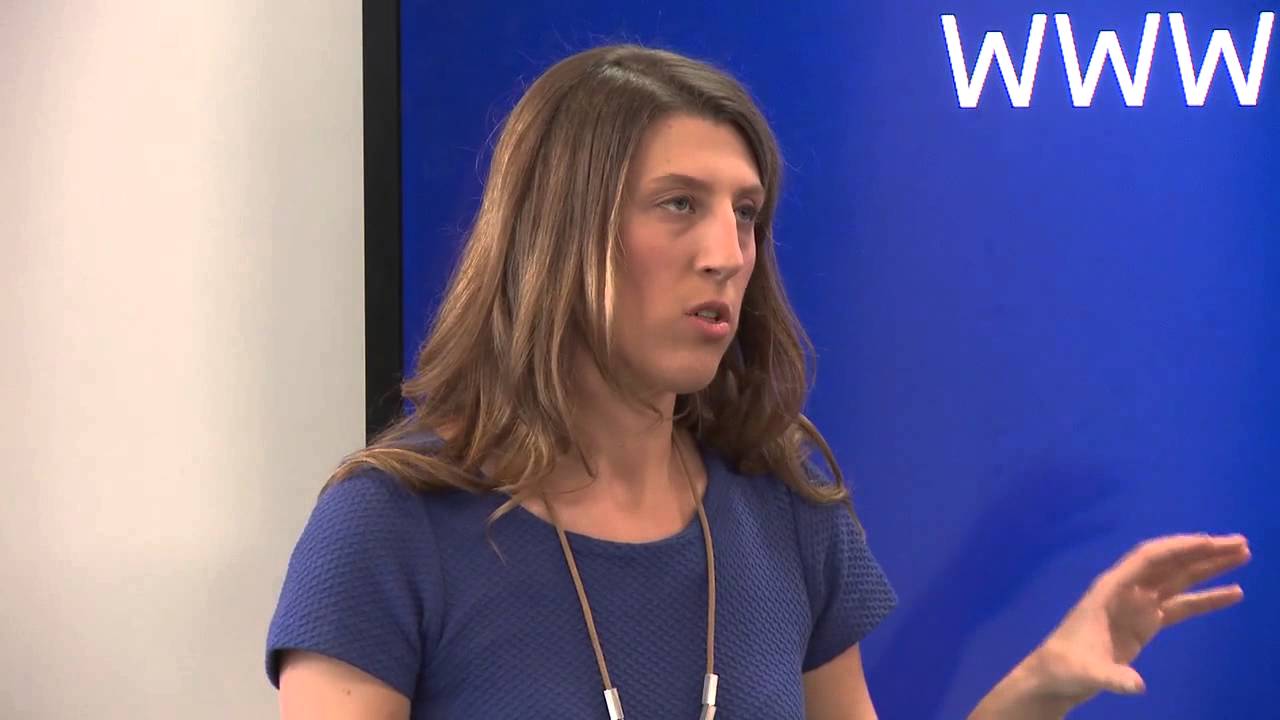
In this interview, Allison Stern, co‑founder of Tubular Labs, discusses how sales and marketing must shift from hustling to structured education when operating in emerging markets. She emphasizes that new markets require extensive education through blog posts, tweets, and conference speaking, noting that most of her leads come from conferences about the future of video measurement. Stern then explores the importance of platform agility, arguing that marketers must continuously learn where their audience resides—switching between Facebook, YouTube, Instagram, etc.—and avoid being spread too thin across every channel. She differentiates between precise, demographic‑targeted advertising on Facebook and broad, brand‑building video campaigns on YouTube, illustrating her points with examples such as OraBrush, Poo‑Pourri, and Dollar Shave Club. When asked about A/B testing and brand impact, Stern reassures that testing won’t alienate audiences unless the content is wildly off‑brand, and she encourages using video to tell a compelling story that can attract a wide audience.
Questions this video answers
Unless the test is wildly off‑brand (e.g., something offensive), you shouldn't worry about alienating people. Focus on targeted testing, and remember that broad video campaigns can be used to build awareness without damaging brand perception.
Chapters
I've been reading a lot about sales and marketing because we're in this process phase now. So hustling isn't good enough. You actually have to put in structure. And one of the— one interesting piece of the sales process is if you're in a market that is new, it's all about education. If you're in a market that's crowded, it's actually about getting someone to choose you over the other person. So for example, There's a PR software marketplace, Meltwater. Or there's all these softwares where they're literally the exact same thing. I did a conversation with a company called Pardot. And they're like, oh, what is HubSpot telling you? This is why they're good and we're better. There's a whole thing around competitors. But in the market that we're in, it's a new market. So it's all about education. And that means you just have to educate. So it's about writing blog posts. It's about tweeting. It's about going to conferences. Like, most of our leads actually come from conferences and me talking at conferences about this is the future of video. This is the future of video measurement. And it's also just a constant drumbeat. So we're actually helping each other right now, because I'm out there talking about the power of video, the power of YouTube, the fact that all these people exist. You're out there talking about the same thing. And as more and more people sort of join the party, It'll only get easier and easier. But that has been our major challenge is just educating, educating, educating. And the cool thing is that the coin is flipping. It's happening right now. So it's actually the best time to be doing online video and online video businesses because everyone is slowly understanding. It was interesting. I watched a presentation the other day which said that in history, When a new media platform arises, the people make content for the previous one. So for example, when TV was first invented, people made radio ads with just a still picture. Like, it took them a long time to learn that platform, learn Facebook, and like what was the correct form of content to put on it. So I actually think the skill is knowing what's next and keeping up. Like, you can't just say, oh, I'm dedicated to Facebook and no matter what happens, I'm on Facebook. It's really about learning where your audience is, learning which platform best services you, and continuing to iterate. If you're not having luck on Facebook, switch to YouTube. If you're not having luck on Vine, switch to Instagram, whatever it might be. I do think it's important to not— it's important to be everywhere, but being everywhere can really hurt you. I think you should focus on a platform, and it really has to do with what you're trying to accomplish. If you are trying— like Facebook, if you're trying to reach specific people, if you're trying to reach mothers, if you're trying to reach dog owners, if you're trying to reach people that live in Montana, you're gonna be able to run ads very easily through Facebook to meet those people. If you're trying to be on every manicure video in the world with an advertisement, YouTube's an awesome place for that. There's tons of nail content, tons of of style videos, and that might be the place for you. So, it's really about understanding like who you're trying to reach and where do they live, and then making sure that you have, you know, a house in that neighborhood. Wait, I already got you. One more and then I'm coming back to you. Okay.
So, I love Facebook ads for testing stuff. The only thing is I wonder like when I'm actually doing an A versus B ad, is it messing with kind of like the branding aspect? Like, for example, for anybody that's starting out, not sure which exact writing tactic I might use for it yet. And I guess I just want your thoughts on how to test without alienating, like, if one works versus the other.
Yeah, I think unless you're trying something that's like murder all cats, Like something that's like really off-brand, I wouldn't worry about it too much. Like I don't think you're gonna be alienating people in that way. But you bring up a good point that it's very targeted. So for example, I'm friends with the guys that started OraBrush. Do people know OraBrush? It's like the tongue cleaner. And it was like one of the first businesses that was launched on YouTube and saw crazy success on YouTube. And since then they've launched Poo-Pourri, which I don't know if people saw that one. Yeah. Yeah. And so that is really about canvassing awareness, less targeting specific populations, but just, hey, I want everyone in the world. I'm going to run this everywhere. I'm going to make a viral video. Same with Dollar Shave Club or people who have launched their businesses through video, which obviously I really believe in because I believe in the power of video. If you can make a video That perfectly tells your story and gets people excited about it, then I think you don't do something very specific. You go for the broad thing, and you blanket everybody, and you try and get people to click through and buy.