Part 3 Product | Pitching Workshop
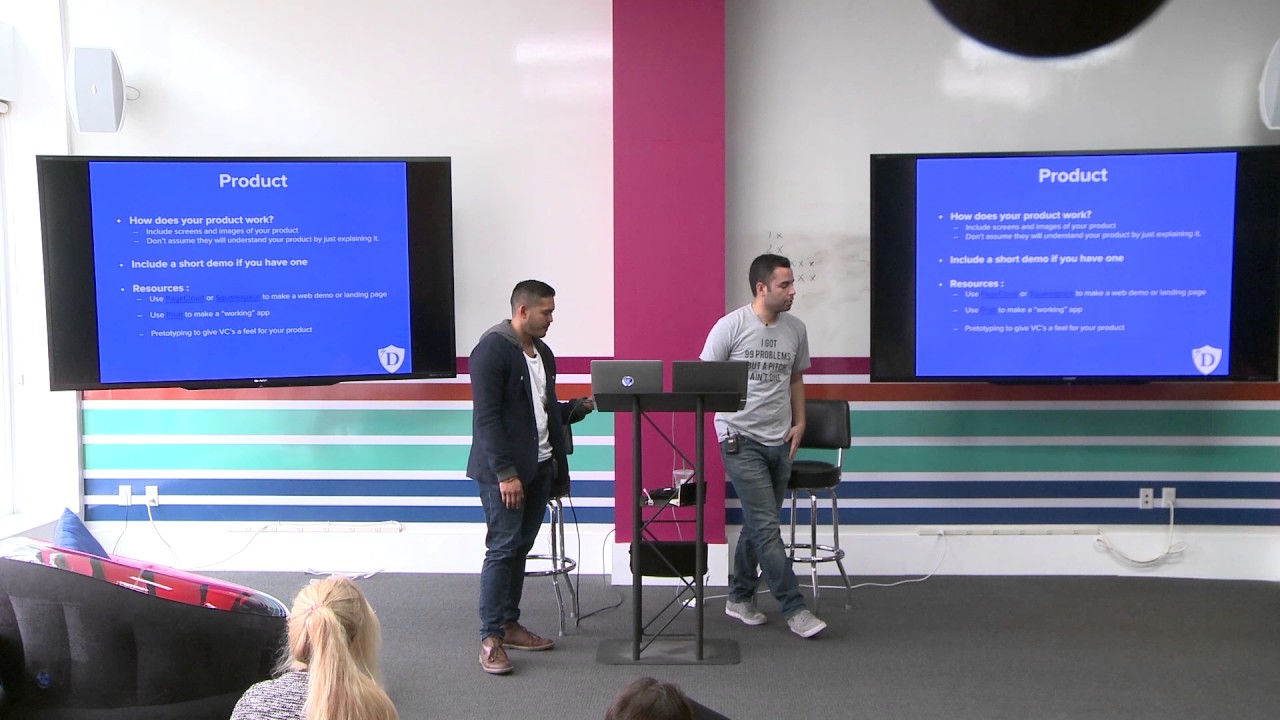
Tim Draper leads a pitching workshop on presenting products to investors. Panelists discuss stating problems concisely, framing solutions, whether to demo live or use screenshots, and choosing traction over a perfect product.
Chapters
For me, the most memorable pitches have always been the ones with the best stories, especially the sob stories.
Yeah, oh yeah, definitely.
And she also brought up another good point when you were talking about the VCs that we didn't really cover. Know your audience. Do your research. Know who you're pitching to. Say there's someone that is the perfect investor for you, know that. And kind of tell your pitch around that.
You guys got to do your homework. It will actually help you relate the story to them a lot better. If you do the story right, like Zach said, it will lead into the problem directly. So the person that's actually hearing you pitch, or the investor, or the audience, will actually kind of know the problem already. But it will help if you actually state your problem in 1 to 2 sentences that's really concise. By doing this, You can actually just bore out the exact problem. I usually like putting statistics in here of relating that story to the bigger audience. Maybe 70% of business owners experience this problem, and the actual problem they experience is this and that. So you really want to get that concisely. And in terms of— let me see.
So you're So saying that the story is the most important thing?
why is the problem worth solving? That's a huge one. Are you just solving a little problem that people have? Maybe it's just a small pain point, or are you really solving a huge pain point? Pointing out those big pain points and putting the audience in there, in those shoes, really will help you out along the way of the actual pitch. You guys, what exactly, what problems are you actually solving? Can you say it in 1 to 2 sentences?
You want to give it a try?
Sure.
We're solving seniors' ability to access technology and to communicate critical needs in real time.
OK.
Anybody else understand that problem?
You mean that it would be good for everybody? Yeah, yeah. My mother can't use technology very well, so it would be very good for her. Cool.
So if you did the story right, it'll help you set it up. And then once you state that— I mean, everybody knows, and it kind of leads into the solution already, if you say that correctly and it's in 1 to 2 sentences, the solution will be kind of like a eureka moment for the actual audience. So state the solution down. Explain the product itself. Go ahead, Kevin.
Right. So here it's easiest to just be like, step 1, create an account, or you just fill this information out. Step 2— so it's really useful here, like I said, use as many images as possible. So use icons and just explain it out. And then also explain what kind What kind of technology are you using? How are you making this happen? But don't go too technical. So for example, you, Felicia, you would say we use AI technology. And right away everyone knows what that is. And explain how you're using it and how it makes everything work. So along with the solution, this is where you can show off your product. I recommend having screenshots. And usually they tell you not to use a demo, but If you feel confident, I say go for it. Maybe have kind of like not a live demo, but kind of screenshots that show the different processes. And to create your product, I suggest using— so if you're doing a mobile app, have you guys ever heard of InVision?
Yeah. Yeah.
I highly recommend using—
huh?
InVision, yeah. So for any of you guys that don't know what InVision is, It's a prototyping app. So you build your website— or build your app on there. And you can download the app on your phone and play with it. It's really cool. And then also, landing pages are huge. You want to give them a call to action. So you can say, after this presentation, we'll give you 30% off if you sign up right now. So make sure you have something that they can go to after.
Now, in your experience, when you guys have been sitting down with actual VCs or angels, have you guys shown them the actual product of the app, or Before we go through the actual pitch, I just want to hear back from—
It kind of depends on who the audience is. I think a lot of the meetings that we've—
I don't know.
A lot of times they've already been familiar with the product, and that's why we got the meeting. Like you said, with this product section, sometimes demos can be hard to run. And also, sometimes less is more for this type of thing. Like if they show the product and it doesn't go smoothly, or they think the product's not good from the demo, and we're like, isn't enough time to really dive into it, it can kind of lead the meeting down a little bit.
That's worse than not showing it at all. I think there's this really interesting game you have to play with show them just enough information to get them to the next stage that you're trying to get them to, but not give them too much information. I think that really comes back to knowing your audience. If it's a previous entrepreneur, or maybe If you know they're a product person, you know they're going to be really excited. Or if you know, if you're really confident, you think your product's amazing, then show it to them. Use that to your strengths. But if your product's not very good, then I wouldn't even bother. But it all depends on your audience and kind of what stage you're at. So it's definitely different depending on the scenario.
Yeah. Yeah.
It's really— you just have to make a call on it.
Cool.
Yeah. I went to a VC meeting with one of our students once that needed just somebody to be there with him because he was deaf actually, so he needed some help communicating. And in the middle of the product, everything stopped working. When he was actually showing the website, the internet failed. He couldn't show it. Things wouldn't load. So it went bad. So always have a backup plan, screenshots, just a demo video sometimes works of somebody using the product, how you actually want the product to be used. So those things actually help. And just guide them through the process of the actual customer. the user when they're using your app, when they're using your platform. This is how they used to do it before, but now it's 3 easy steps. They go to our platform, they sign up, and then they get quotes, whatever.
Another thought about this product stuff is I think if you don't have customers yet, maybe they want to see the product or your vision for it. Once you start to have customers, your traction numbers can speak to the fact that you have a good product. And then traction becomes more important than product.
And the last thing I was going to say is, whenever you're pitching, do the best you can to have it feel organic. I think if you are in the moment, and for whatever reason you feel like not showing the demo is a good idea, don't be afraid to skip the slide. No one cares.
Just skip.
Being organic in your pitches. I skip slides all the time when I'm just like, I kind of get the feeling that this might not matter for this audience. And don't feel like you have to go with—
don't be afraid to change your plan.
And sort of just work on your feet. I think that's how you get really, really good, is knowing how to almost call an audible mid-pitch. Because a lot of times you'll learn a lot more about your audience. You're 30 minutes in, you're like, I think I understand this person now. And then you just make a call on what you're going to skip.
I think it depends on what kind of pitch it is. Like this type of a pitch, in front of Relatively large audience, I would skip the demo. And you could do something like a teaser, like you said. That's great. But it's an art form to do that. So if you're not so good at that, don't. As an investor, when I see a demo that's working not so— so it's not about— OK, so obviously you realize demos don't always work. But the problem is I get completely sidetracked.
Right.
Yeah. And also it shows to me that they're maybe not as experienced. Because they chose to do the demo.
Yeah.
But on a one-on-one meeting, definitely they have something. And after all, I used to be a part of that, so I really care about this.
Right, right.
Have you guys had any experiences so far when you guys were raising how you did the actual demos, the actual products, showing the actual product?
Well, yeah. But most investors, they seem more interested in the direction, in my days at least.
Absolutely.
Good. Cool.
We'll actually talk a little bit about that later.
More from Tim


He Sold His Car to Build This Startup, Then Pitched It for $1M 😳 #Startups #AI

This Startup Moves Your Crypto BEFORE Hackers Can Steal It 😳 #Crypto #Cybersecurity




15 Months Without Refrigeration?! This Startup Thinks It Can Go Global 🥥 #FoodTech #Startups



