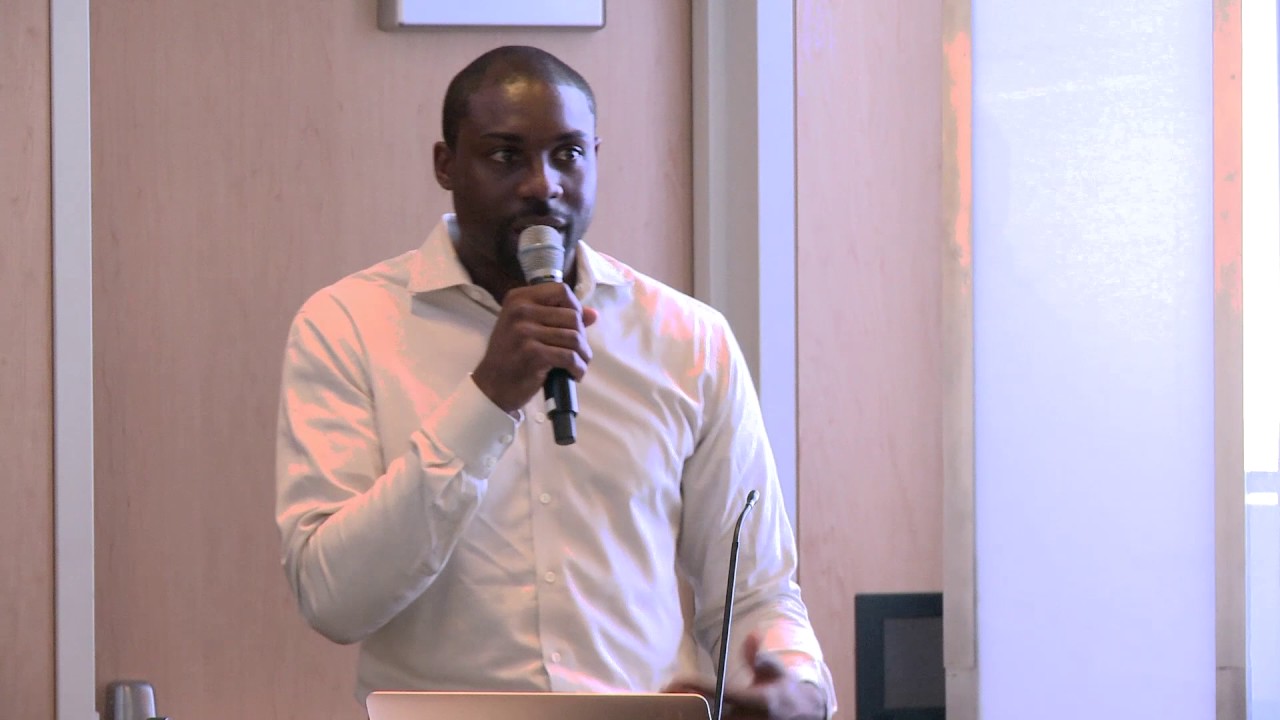
Marketers discuss Facebook strategy for different markets: emerging economies like Brazil have huge reach but low purchasing power, so target high earners. For a plant-based food startup in San Francisco, start with brand awareness, use the Facebook Pixel to find your first thousand customers, then build look-alike audiences from them.
Chapters
People in the middle of India might be your number one consumer, right? But you will never know if you just say, well, I'm trying to target people within a 25-mile radius of Oakland or San Francisco, right? So it's something to keep in mind.
As far as that greater international marketplace, do you think that the monetary systems are keeping up with the pace of the— like, I spent a lot of time in Brazil, in a rural area of Brazil, and so I know that People are on Facebook, but they're definitely not buying stuff with their phone because they don't have bank accounts, they don't have cards, they don't have numbers. So you definitely have a more insider look at what's going on. Is that kind of coming up to speed with the user numbers?
Yeah, so that's a good question. There are a lot of less advanced markets that have huge activity going on with regards to Facebook, right? So I'm not just saying reach out to everybody, right? Because a lot of these people won't be able to buy a product That's above X amount of dollars depending on what the product is. What I'm saying is you have to understand your business and take the cost of reaching out to that individual relative to how much it costs to make that product.
Well, I'm saying those could be your drivers. I mean, those could maybe just lend cachet to your brand. So if you get— even if I get, you know, a million people in Brazil that can't buy my product but they're following me, and then I now have a million followers, then maybe that helps my brand here in the US.
100%, yeah, 100%. And to take it even deeper than that, maybe of that many people, only 1% are actually buying, right? If that's the case, you just reached that 1% of the population extremely cheaply, right? Because you just said, I just want a million people in Brazil. So it's like, you know, you have to kind of measure it like that, whereas if you were trying to look for that same amount of people in the States, it might be 10 times more. So yes, we have more people that buy your product, but you're going to pay 10 times more. Times more for it. So it's like understanding that dynamic is extremely important. And then also, if you're talking about brand, Brazil is a growing economy, right? So 5 years from now, Brazil is going to look more like the United States than it does Brazil today, right? So you have to— more like, right? Because like you said, that 1% is starting to consume more and more and more and more. And oftentimes, let's be honest here, In a lot of developed countries, all the money is typically at that top 1 or 2 or 3%, right? Unfortunately. But if that's the case, you can market easily to that top 1, 2, or 3% in those other countries if you understand those markets. Because that top 1% might be very similar to our top 40%, right? So it's important to understand that. Looks like we got one more question.
So, gosh, I know this is just scratching the surface, but it's already made me realize how much I don't know, so I'll definitely tap in offline. But one of my questions is, is there a difference, or could you explain what difference there may be between when you have posts and it asks you, do you want to promote that post, versus advertising?
Good question. So there is not much difference. I would say the largest difference is To be able to boost your post or promote your post is typically language or verbiage that we use for our small businesses, right? When we talk about advertising or anytime somebody mentions advertising on Facebook, they're more talking about slightly larger companies if you want to say. So it all comes down to, okay, what's the difference between just getting a whole bunch of followers and being on the other side of things actually paying for media? A lot of people are hesitant to actually pay for media. That's why we use words like boost your post, promote your post, etc. But if you actually invest in marketing— a lot of businesses fail because they don't invest in marketing. Oftentimes when businesses are struggling or when the economy is struggling, the first thing they get pulled is marketing, right? That's not what you want to do, right? Because it's an investment, it's not a cost. For most people, or for many people anyway, For every dollar they put into marketing, they get XYZ out if it's good marketing, right? So I think that's a— so it's more of a difference in verbiage, but for the most part, if you invest in your product and you understand your target marketing, Facebook's going to work extremely well for you considering the amount of time and the amount of hours that every individual spends on Facebook.
Okay.
Yeah, I knew you were going to be the last one.
Okay.
I have, um, hello, my name is Dawn, and I have a new product in a new category. It's a food called Cashew Cream. It's plant-based, and it's a non-dairy substitute. It works well savory and sweet. We're going to be in stores in the San Francisco Bay Area and starting a website as well, online. Does it make sense to do Do Facebook right away? And if so, why? And how would I do it? In a few words.
Thank you.
Thanks.
So I think the question more is like, how would you use Facebook right away, right? There's many different— so that, a lot of it goes into what your budget is and what kind of brand you already think exists out there for your product. So it sounds like your product is a little bit more niche. So my guess is you want to definitely make sure you're investing in brand and then eventually start investing in DR. So what I mean by that is you want to make sure everybody knows in the Bay Area that your product is coming to market, period, bar none. We have the most people on our platform in this area, so I think Facebook is a sure bet, right? But that doesn't guarantee you anything, right? You also want to drive conversions. You want people to actually come into your store and purchase things. Right? That's like, are you going to be doing mostly online sales or online and in-store? Online and in-store. So I would say you're going to be doing a lot of online, online, let's say, purchases. That pixel that I mentioned earlier is something that you definitely want to get, right? Because if you have the pixel, then I could track your first, let's say, 1,000 customers, and we can find similar pools of people to that 1,000, those 1,000 individuals on Facebook's platform. And you might have more information in this area. You might get the first 1,000 customers, and those people that actually come into your store, they're going to be really good customers, maybe even more important arguably than the online customers. But you can use the attributes of those people that actually come to your store and spread them across this entire region in terms of trying to drive online sales, right? Because there's going to be a slight difference between somebody who's actually willing to drive and come to your store versus somebody that's sitting behind a computer and just buying your product. So you want to make sure you're building a model around the people that's actually driving to your store and they're committing to your store. So you would get all the email addresses, for example, or all the contact information. You can upload it into Facebook systems, and then we can build models just based on that information and be able to tell you who other people are that look a lot like your existing customers. And we can talk more about that offline if you want.
Thank you.
Well, I'll end there. Sorry to go over a little bit. If there's any other questions, I know my email information is not up here, but I'll be happy to share my information with you guys. You know, come chat with me.
Perfect.
All right, guys.
So we're gonna go ahead and do the closing remarks for our livestream, and then I have something really special for you guys since you guys actually Took the time and energy and money and resources to come all the way out to San Mateo and actually get this information. So with that being said, I want to say thank you so much again to Draper University for our livestream.