Q&A Part 3 Former CEOs | Jason Calacanis
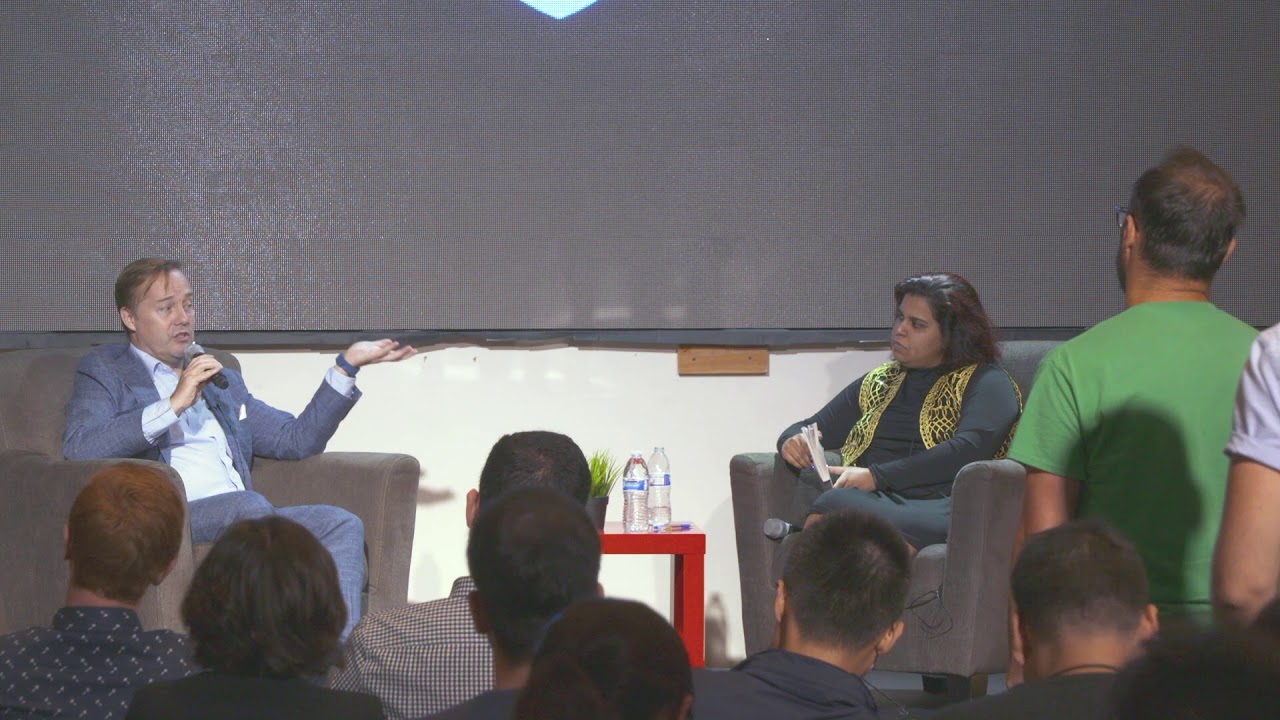
Jason Calacanis discusses the Uber leadership crisis and Travis Kalanick's ouster, comparing it to Theranos and Facebook. He argues about whether founders should be removed or given room to grow, and what investors owe when a company faces public outrage.
Chapters
Okay, hiking shoes, 10-year-old jeans. 20-year-old jeans.
Practicing for survival week for Draper. So when the Apple board fired Steve Jobs, everybody was cheering for the board. When the Uber board kind of forced Travis to get fired, or he resigned, everybody's now cheering for the Uber board. Do you think he will ever go back? Is there a chance, or if he calls you now and says, I got this new idea and I want to start a business, would you be the first one to write the check?
So it's an interesting analogy or an interesting observation. It's a very challenging situation. I would absolutely be the first investor and will be the first investor in Travis's next company if he chooses to do one. race with that check to give it to him. He is one of the great entrepreneurs of our time. And will he come back to Uber? I hope so. I think it's very easy to look at all the mistakes and virtue signal and say, bad, bad, bad, bad, bad. You should never be able to improve as a human. But we all improve, right? We all make mistakes and we all improve. I know Travis for 15 years. He's incredibly hardworking. He's always improving himself. I think it was obviously a very difficult situation for everybody. I don't have full insight and information into what happened. And I'm friends with Bill Gurley from Benchmark, First Round, and Chris Sacca, who signed the letter. I'm also very good friends with Travis. It puts me right in the middle. Also, we know that companies that keep their founders do better. And I'm an investor. And so I'm not worried. The team at Uber is tremendous. The revenue is tremendous. The value of the product is amazing. So I think it's going to have a wonderful outcome either way.
Thank you.
But I don't know if he should have been ousted or not. I don't know if that was the best solution. especially after the tragedy with his mom. I think letting him complete the leave of absence and then making a decision might have been my choice, but intelligent people can disagree. And those other people have— and Travis agreed to step away. So I have to think that they have better information than me and that my friends— these are all my friends— that they came to a decision together. Because Travis, you have to remember, didn't have to. He had the voting shares, I think, so he could have stayed if he wanted to. But I think they made a collective decision for what's in the best interest of the company at this time.
Maybe after the IPO?
Anything's possible. You know, anything's possible. Maybe after an IPO, maybe the company sells, maybe somebody else shepherds it like Eric Schmidt did for Google for 5 years, and then Larry Page took over. So anything's possible. I will say that, you know, I think Travis is a very good person, and I think that he's been treated really harshly, especially in light of what happened with his mom. And I think a little bit of compassion, even though there were mistakes made and people can be rightfully upset about those things, but I always look at how the person's reacting to the problems. And I think bringing Eric Holder in and making these changes to the board, I believe that that was a very bold decision and they've taken bold action. So I try to judge people with how they respond to bad situations. And I think the team up and down at Uber is really trying to get it right, and that the overwhelming majority of people at Uber are good people and that they want to provide a great service and they want to have a great culture, and they will. So I'm rooting for them. I know they're going to succeed because I can tell you Getting these culture issues fixed pales in comparison to what they had to do in terms of effort in building out 700 cities and building the service that we all love. If you can do that, they can solve these other problems. It's within their power to do so. And I think they're halfway there, or maybe they're two-thirds of the way there. So it's a difficult time and it puts me in a difficult position because I'm an outspoken person. And yes, I could be super critical, but if you're part of the team, I think it's my job to work quietly behind the scenes to try to help, and that's what I did during this crisis, multiple crises in a short period of time. I just tried to spend time with as many people as I could and offer my help and my insight to solve the problems. It would be easier for me to come out and say, I am absolutely outraged about this, I'm absolutely outraged about that, but all that does is give the press the ability to say, angel investor Jason Calacanis hates his founder, hates the company invested in, and it just— now the company has real work to do solving these very important problems, and now they have to deal with dissension of the investor base, and it just makes even more chaos. And so I elected not to do that. Now, some of my friends wrote public letters of how appalled they were. I wrote a tweet: this is not acceptable, it needs to be fixed. I tried to keep it very short because I know how the press works because I was a member of the press. And as a member of the press, I would be all over this. And look, every single publication dedicated an investigative journalist to Uber. And it's insane, like, the amount of scrutiny that company's under has never existed in the history of companies.
Maybe with Elizabeth Holmes, it kind of was the same story.
Yeah, and you know, the difference with Elizabeth Holmes is there was never a real business there, and it was a deranged way of handling the company never being able to release a product. There's nobody in this room who is not, I think, largely satisfied with the Uber product. And it's printing money and it's an incredible success and it's changed the world in a very good way. With Elizabeth Holmes, they never even released a product. Right. And I think most investors in that company feel duped. I can tell you the investors in Uber do not feel duped. They feel like This is an incredible success with mistakes, right? So I think mistakes are different than misrepresentations or fraud. And in the case of Elizabeth and what happened at Theranos, I think it's gonna wind up, you know, like she's been banned from testing and doing testing.
Testing.
So I think it's not an analogous situation, and there's a range of situations. Listen, Facebook got a $20 million fine and a 20-year audit from the FTC. Zuckerberg had 3 or 4 of his previous founders at war with him and in lawsuits. He had that fake guy who claimed that he owned half of it. That was a bogus lawsuit. So you saw all of these bogus lawsuits and real justified lawsuits and the investigation by the FTC into privacy, the settlement, the fines, all of this stuff. And then eventually, you know, Facebook kind of matured and they worked through a lot of these problems. Steve Jobs, same thing. Steve Jobs had many problems. He had a hard time working with people. People wouldn't work for him, and it wound up resulting in his exile and then his triumphant return. And so I don't know if it's perfectly analogous here, but I am hoping, and I'm rooting for Travis, and I'm certainly rooting for the entire company. It's a significant portion of my net worth, but I'll be fine. I have 5 other unicorn investments, so I know that it can seem like I'm talking up my portfolio, But the truth is, I root for all of my founders. And, you know, part of the role I'm in now is to help guide them when there are mistakes. So I try to be a bit of an elder statesman. And the story I told before of me being arrogant and telling stupid people what I really think and stuff like that, I kind of have left that behind. I was kind of Jason 1.0, and now I try to be an elder statesman. I try to really be considered in how I think about things. I don't always succeed, but I am trying to be that person. And I think you see that with a lot of people, you know, judging people in their 20s. I mean, look at Evan Spiegel and his emails he wrote were horrific. And when he was a frat guy, he was just a huge jerk. And now he's really being considered and trying to build a company. You know, people get started very young in our industry. They go through tremendous stress and pressure, as we've talked about. Some people kill themselves, sadly.
Like, it's—
I've seen that happen twice. Up close with Jody and with Cambrian Technologies. And it's just like, this is a pressure cooker. People make mistakes. And, you know, I think we have to have a little bit of tolerance for people evolving while still demanding a high level. Right. And it's a very challenged position as an investor because you don't have control of the company, but you do have some influence. Right? And we live in a world where, you know, between Twitter and Facebook and TV, if people make a mistake, man, the rage cycle is harsh. And the only good thing is, even though the rage is 10 times more than it's ever been, or 100, it lasts for half as long. So we seem to be moving as a society from outrage and outrage to outrage, and there's really systematic Important problems we have to solve, and rage doesn't solve them.
More from Tim


He Sold His Car to Build This Startup, Then Pitched It for $1M 😳 #Startups #AI

This Startup Moves Your Crypto BEFORE Hackers Can Steal It 😳 #Crypto #Cybersecurity




15 Months Without Refrigeration?! This Startup Thinks It Can Go Global 🥥 #FoodTech #Startups



