Q&A part 3 | Tam Pham
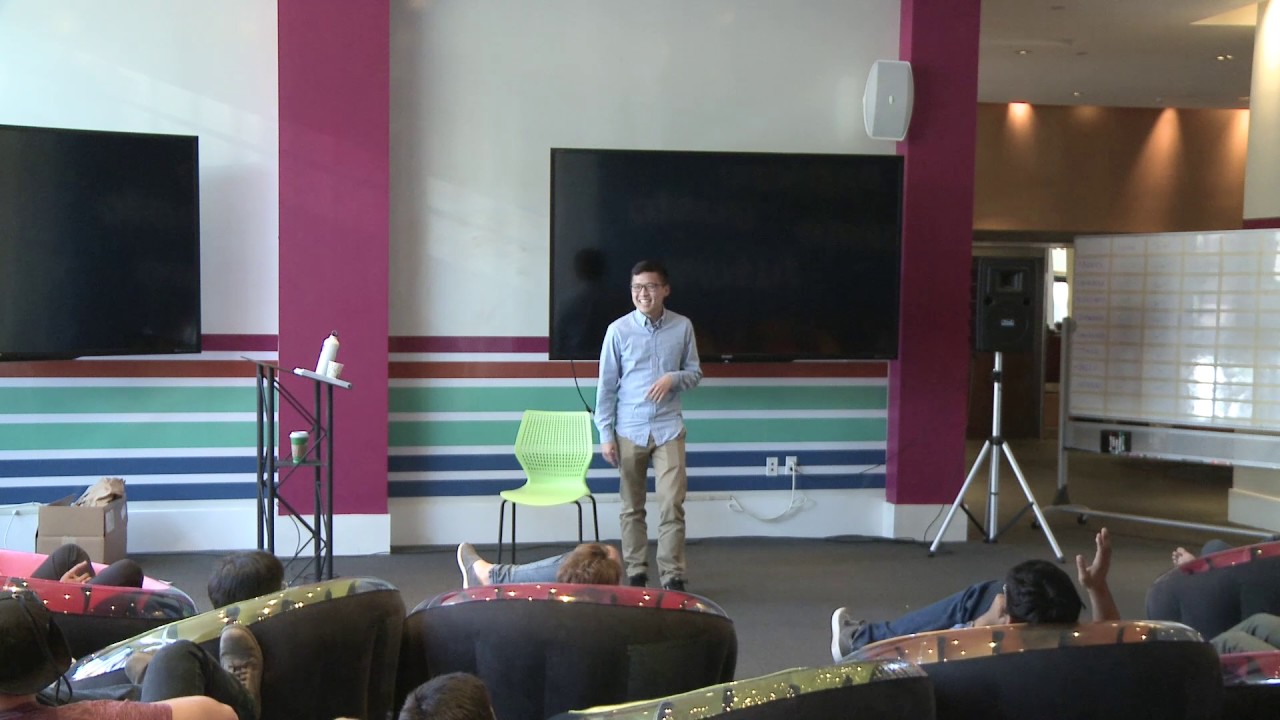
Tam Pham answers questions about networking for introverts and shy technical people. He uses a spreadsheet-based personal CRM with tags and reminders to maintain relationships, and recommends meeting people online first, volunteering, and helping hosts to break the ice without forced peacocking.
Chapters
What's the easiest way to let them remember you? Like a small thing.
The easiest way for them to remember you? In what context? At an in-person event?
At a conference, let's talk to someone. Just need them to remember me in a small thing.
So small, a small interview?
I mean, like, I'm just going to talk to them. It's not a big thing.
Yeah.
I need him to remember me.
Okay, well, like, for example, I've seen people do some crazy stuff. Like, people wear, like, these bright yellow pants so people remember them, associate them with those bright yellow pants. That's like a small thing.
Yeah.
You know, guys do it all the time when they're picking up girls. Like, they put, like, a little peacock— they do peacocking where they wear, like, some extravagant clothing, and then they go to a girl and then they, you know, whatever. So that's like a small thing, but I would argue to focus on the bigger picture. It's like making a genuine connection, that's like having a great conversation or giving something so great that they have to reach out to you and say, wow, that was awesome, thank you so much. So yeah. Who has a question? Back here?
I'm a junior in classrooms.
Go ahead, speak about it. Sure.
I'm a bit technical and I'm a bit shy, so how would you break the barrier down like networking? And how do you find advisors or through networking to get them on board? And how many shares do you offer them?
Whoa, whoa, whoa, whoa, whoa, whoa, whoa. Yo, how do I like go through life right now?
Let's do the first one.
Introverts, right? Believe it or not, I'm an introvert. So this takes a lot of energy from me, like speaking and just talking to people. I'm more of a heads down in my room, kind of quiet, just like doing work or writing or whatever I'm doing. So I definitely feel that pain. And what I've done in the past is I would use social media to meet people ahead of time and then meet up in real life. That's just like what I'm more comfortable with. I'm not very comfortable in a whole like 100, like, 1,000-person room and I just kind of meet random people, which is like, I can do it, but I prefer not to. And I think that there's more effective ways of going about that. So as an introvert, or as a more like shy person, I recommend meeting people ahead of time, like through online or through— sometimes these events have like communities where they talk about stuff before the event actually happens, or they have people talking about it on Twitter. before the actual event. So I would try to meet people through there. And also, there's so many people like yourself who go to this big conference and they're just super shy. They don't want to talk to anyone. So when I see another introvert, like, I know the introverts. Like, you can see them in the corner just like chilling. Because I'm an introvert.
In the room, you know.
Yeah, exactly. So when that happens, I'm very introvert-friendly. So I approach the introverts and I just chat with them because I know that with introverts, You'll have much more deeper conversations than like missing the surface level, like what do you do kind of work, because that's naturally how introverts are.
I'd like to add also, I had the same experience, or I've had some similar experiences in places where I was not comfortable. So I would just go with someone else to meet anybody. So I'll just go as a group, maybe just one more person with me, just go hang around. Then when I'm more comfortable, I now go as an introvert.
Oh yes, definitely. What other hack that I do is when I go to a party, for example, or like an event and I only know the host, I try to like help the host with like stuff set at the event. And so while you're helping them out, the host gets you introduced to people just naturally by your side, and you meet people like through that way. I also like to volunteer at a lot of conferences. I I don't do it that often anymore, but in the beginning, when I volunteered with other people, everyone was just like me, young, entrepreneur-minded. And because we had to do an activity together, we were forced to talk to each other, which was like my dream. So yeah. Can I talk to you? Yeah, talk to me. That's why I love UberPool. They can't get out.
Actually, I'm gonna add something, David, for you. So when you're at parties and stuff and you're going up to meet people, one of the things that really sucks is when you go up to somebody and their first thought is, how long do I have to spend with this person? Or how long is this person gonna try and talk to me? So if you give them a false time constraints call, and I learned this actually from pickup artistry.
The game.
Yeah, but if you— but it works in networking situations. If you go up and you're like, hey, like, I actually need to talk to my friend, or I need to meet up with my friend in a minute, But can I talk with you for, for like, I gotta go meet my friend in 5 minutes. He knows that only for 5 minutes he needs to pay attention to you and then he's safe. Um, but whenever anyone comes up to you, like, that's your first thought is how can I get away from this person? So if you set a false time constraint, like 1 or 2 minutes, they're— oh, it relaxes them like so much easier. And then you make sure you leave that.
Oh, that makes sense. Now everyone here is going to pick up on this. That's the story. Because that's from the game. Yeah. One question on that point.
What if like after 5 minutes you still— there are other people, right?
That person will text you. What would they—
I mean, either A, they're going to leave, or B, you're going to leave. But if there's other people joining in the conversation, like maybe your friend even comes over and then you can be like, oh look, this is my buddy. Like, okay, now we're— now we've become friends with them at that point. It just relaxes them from the get-go. So I know you blog sometimes, but so I wanted to ask, how do you use blogging as a tool?
And second question is, after BU, how do you see yourself growing How did you build your network before DU and after DU? Sure, so I write a lot. Like last year I wrote like 100 articles and 2 books. So, but this is really cool because when you write, people like, random people just email you. Like you emailed me. Yeah, like it's kind of cool because like you kind of have this authority by not— to people you never even met before, but people who just read your stuff and they say like, hey, I really dig your writing. I dig your thoughts and what you believe in.
What's up?
That's super cool. I don't use it as a way to network, but it definitely is a leg up when I talk to people. They know that I'm a writer for this publication, for example. Before and after DU, to be totally honest, DU wasn't the catalyst that broke open my network. I was always growing my network with or without the U. And I do that through a variety of ways within the book and most of the frameworks that I talked about just in the last 20 minutes or so. So, yeah. What's up?
Hi, I'm Austin.
What's up, Austin? You from Austin?
No, I wish.
That would have been cool.
I understand the concept of giving and all that. That's all great. That stuff I try to do. But what happens when the relationship becomes totally one-sided and you're just giving, giving, giving, giving, and you're not really feeling that reciprocation back? How do you tell that person, hey, I can only give so much before I reach my breaking point? Right. Because I try to give all the time, and I have a hard time telling people no. What advice would you have for that?
That's actually a real problem. People, like these givers, they just give so much because they want to like please people and they want people to be happy. You know, like they just want everyone to just feel good and they kind of overwork themselves to the point where they can't give anymore and they're kind of feeling like, ah shit, like fuck giving, like I want to go back to just taking shit. So, so for that, like, it's a whole different issue about not just like giving more, but setting boundaries for yourself. It's like, okay, I'm very kind to this person, like overly kind. If they don't want to reciprocate it, that's totally fine. Because in the book I mentioned that you should always give without expectation. So when I'm giving you this talk, Yeah. I don't expect any of you guys to like buy my book or share it or, you know, follow me or whatever. I don't expect any of that. So I'm just giving just because I want to give, and with that true intention. And so when you do that to other people, and you lift this burden of like, okay, they have to give back to me. So you don't have the burden at all, you're just giving, giving, giving. And if you just feel like they're not reciprocating back to you, or no matter what, that's totally cool. It's because you didn't expect for them to do it anyways. So that's a whole different mindset shift of Of the whole networking framework.
What if you actually expect something? Not to meet everybody, expecting something.
The whole point is not to expect anything. So I'm giving, giving, giving. I don't expect any of you guys to ever talk to me ever again, right? And if you guys do, that's great. But I don't expect you. I don't expect you. Like, I didn't expect Draper to bring me back here and buy these books for you guys. But they did because I was super nice to them. I helped Ali with a lot of the marketing stuff and. I brought people into the U, and so they naturally want to help me back without asking.
So can I just add something? Because I think like I used to do that, and I felt like oh fuck yeah, I'm always giving, and like never receiving back. But I just think like you don't have to have like that burden as you said. Like I always have to give, but once you Give as like a surprise to the person, and and not necessarily when they ask for for some help. You gotta give it like right away, but just surprise them sometimes. And I think all about all about like the surprise and like people people not not thinking about you like the the giver, but some. Someone that can help you, like sometimes, and are there for you. I'm not sure if I express myself well, but it's all.
Wait, he asked you a question?
No, no, I'm just.
Yeah, yeah.
I'm just adding your your point on on his his. Definitely. Uh huh.
Yeah, of course.
Yeah, I I give a ton. Like I I give books to people I never met before, and people do the same to me. They just ship to my house and. That looks cool, like the new book. I just, I always try to, when you're in the mindset of giving, it just comes so natural. It's like, oh, you have to meet this guy who's working on this thing. And then I host an event and we all come together or something like that. When you do it more and more and make it a habit, it just becomes really natural. So thank you for expanding on that. Yeah.
To me, building up a relationship Building relationships is easier, but maintaining that network is harder. So any suggestions on how to maintain the network?
Yeah, so maintaining network. I kind of mentioned earlier about building, like, having your own spreadsheet and making, like, putting a list of all the people you want to keep in touch with and tagging them. So as a whole, so I kind of explained a little bit, but essentially always just trying to be of service to people you really love and trust. And when you get into that mindset, then you naturally just want to help people. And you can do it my technical way where you, you know, have a spreadsheet, write names, tag investor or podcaster or author to their names, and put a reminder to follow up. That's like the more advanced stuff. But just in general, maintain relationships. You just want to just be mindful And self-aware that you haven't talked to like these like entrepreneur friends in a long time, and you want to reach out and say how's it going or I want to help you or whatever whatever you you would want to say to them. So yeah, sure. That's the real tip.
It's okay.
I love free books.
Yeah. So I have two questions. One is, do you have some tips about how to get out of a conversation? Because sometimes it takes. I know, like a switcher short way to get out in a polite way out of a conversation that takes too long. Yeah. And and yeah, just first one.
Cool.
Yeah.
Well, so if someone did that, I would just be like. So if you want to get out of the conversation, I would just kindly say like, hey, I'm gonna go meet some more people now. It was great talking to you.
Oh, okay. That's simple.
Yeah, you gotta be very direct and just clear. Not just with like, not just with, you know, business people, but like just in your relationships in general.
Oh, that's quite simple. Okay, and then the second thing—
What did you normally do? Like, did you just like stand there and just wait for it to die slowly?
Wait for it to die slowly.
I'm not gonna trick you. Yeah, yeah.
But the second—
No, it's okay. I love it in front of you. I used to do the same thing, but I actually got better at being more direct.
Okay. But the second question is about— so you just mentioned about the more advanced stuff of tracking your connections and managing them. So do you use some tools? How do you organize it?
Yeah. If you email me, I can share with you the actual spreadsheet that I use. You can make a copy.
And what you can do is—
You can write down all the names and the tags of the people you want to tag them as, like entrepreneur, investor, so it's all organized. So, for example, I find it so useful because if you guys ask me for, hey, do you know anyone in medicine or whatever, I would look at my thing, I would look at my spreadsheet and see if anyone's in medicine. Or look at my— Ask me, who do you guys want to meet? Like just marketing, right? Yeah, marketing, real estate. Yeah, I have like a tag for each marketing and real estate. And so yeah, sure, sure.
So yeah, so you use just a regular spreadsheet?
No, I use this spreadsheet, it's on steroids because it has like tags and stuff, um, and it's very formulaic and you have to like view it in a certain way for the tags to work. I'll send it to you in the instructions.
Yeah, quick question also about the tool. Did you try to use maybe Trello or some, some like tools for that?
Yeah, I tried to use Trello, I tried to use Evernote, I tried to use like Google Docs, I tried to use some like business CRM like Salesforce and like Contextually and stuff. Um, no, like none of them fit my need for a personal CRM, so this was the next best thing. And that was actually one of my DU projects that didn't take off. But I try to make my own personal CRM for this exact reason.
Okay, and how did it work?
It never took off the ground. I interviewed like seventy-five people, like customer interviews, and there wasn't from my research there wasn't like enough demand for me to put my heart and soul into it.
I would pay for that.
Yeah, well some people will pay for like one out of like fifty people.
Yeah.
Actually, this is a very targeted audience, so who knows, right? But that's a whole different story.
Thank you.
Yeah, yeah.
More from Tim


He Sold His Car to Build This Startup, Then Pitched It for $1M 😳 #Startups #AI

This Startup Moves Your Crypto BEFORE Hackers Can Steal It 😳 #Crypto #Cybersecurity




15 Months Without Refrigeration?! This Startup Thinks It Can Go Global 🥥 #FoodTech #Startups



