Raising Funds for Education | Draper University
In this webinar, Erica, a fundraising strategist at Indiegogo Life, walks viewers through how to use the Indiegogo Life platform to raise money for educational costs. She begins with a brief history of Indiegogo and the launch of Indiegogo Life—a fee‑free, 8‑click, 5‑minute setup platform tailored for personal causes such as education. Erica then outlines step‑by‑step best practices for creating a campaign: choosing a searchable, memorable title; setting realistic goals and using stretch goals; crafting a genuine, concise story; selecting compelling personal images; and setting a deadline. The presentation moves on to promotion tactics, covering direct email imports, email signatures, social‑media sharing (Facebook auto‑post, tagging donors), leveraging groups (alumni, school, neighborhood, professional, religious, meetup), offline methods (flyers, handwritten letters, events, local business partnerships), and media outreach (researching reporters, pitching a concise story). Erica emphasizes the importance of early donations from close contacts to boost perceived momentum, then expanding outreach. She explains the Updates feature—automated donor emails and on‑page posts—to keep supporters informed, announce stretch goals, thank donors, and avoid over‑communication (1‑2 updates per week). Throughout, she shares real campaign examples, provides resources on the Indiegogo Life site, and offers her contact information for personalized help. The talk concludes with encouragement to explore existing educational fundraisers for inspiration and to reach out to organizers for guidance.
Chapters
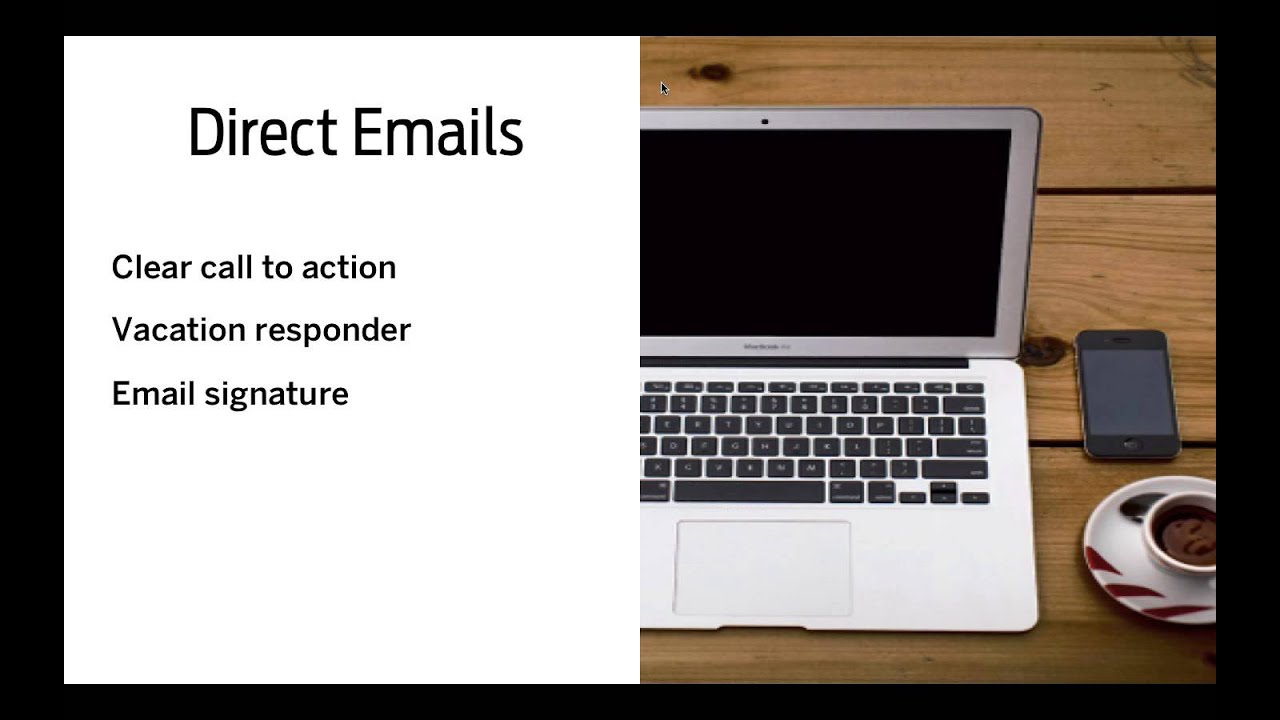
Hi everyone, my name is Erica and I am a fundraising strategist here at Indiegogo Life, and I wanted to take a few moments today to walk you through a bit more about our platform and some of the best practices which will hopefully help you as you start to raise funds for your educational expenses. So thanks so much for being part of this today, and I hope you find this useful. All right, we'll jump right in. So Indiegogo was founded in 2008 by our 3 founders, which you'll be able to see right— see if this works— right here. So this is Slava, Eric, and Danae, and they all kind of were raising funds. They had a need to raise funds for different things, 2 of them for different various drama pursuits and one for cancer research, and they were very frustrated by the fact that they were having so much trouble raising funds in other ways that existed in 2008. And they all came together and decided to, you know, start this new platform to better facilitate the idea of raising funds for something that you care about. So ever since launch in 2008, we've seen millions and millions of dollars raised for all kinds of different campaigns, from, you know, entrepreneurial ideas to creative pursuits, kind of all over the spectrum. And so last year we took a step back when we realized that one of the main things we were raising funds for and encouraging campaigners to raise funds for was that kind of personal cause category, whether it was healthcare, education, celebrations, anything along those lines. And we realized that the platform we currently had wasn't very much best tailored to that sort of project. And so just last December, we launched this new platform, Indiegogo Life, that's perfectly catered to that audience. And in doing that, we were able to take away all the regular Indiegogo fees. So there's no platform fee and you can fundraise for free. We also made it a very simple creating and editing process so you can actually launch your fundraiser in less than 8 clicks and takes, you know, average of 5 minutes or so. And then we also made it very easy for our shared rules to be present throughout social media and email and whatever it is, however you want to share it. We made it very easy to get the word out. So that's what's been so great about Indiegogo Life. So you can see here on Indiegogo all sorts of different projects. Like I said, a lot of tech campaigns, a lot of different social innovation projects, and then you come to Indiegogo Life, it's Really about raising funds for what matters to you personally, for someone in your family, a dear friend, yourself, something like that. And again, it's free, easy to use. So we've been really excited about the amazing stories and successes that have come out of this platform. And I'm excited to share with you today a little bit more about how you can utilize this specifically for educational expenses. So you'll see here a variety of different fundraisers that have already run on Indiegogo Life. This first one for Richard G. in Vancouver was actually about a boy. It was fundraising for this boy whose father was in a bad bike accident and was in the hospital and couldn't go to work. So he was able to raise $22,000 to kind of support him and his son while he was in the hospital and not able to work. This one in the middle is about a woman that was accepted to Juilliard who was from the Philippines and, you know, similar to your situations, was kind of struggling with the cost of going to the school when she knew she really wanted to do it. So she was able to raise about $16,000 through Indiegogo Life. And then finally we have kind of a different, a different need here on the far side. And this is actually one that ran through an Indiegogo employee that was raising funds for another Indiegogo employee to take her little sister through the Big Little Sistership program that we have here to do a fun activity. And so through this fundraiser, she was able to take her little sister to Tahoe. So education is a great thing to use this platform for, and there's, you know, a million other amazing things you can do with it too. So it's just kind of good to keep that in mind. So now we're going to talk through some of the best practices, especially in terms of raising funds for education. We're gonna go through kind of creating your fundraiser page and then how to spread the word and then how you're gonna keep that momentum going after your fundraiser is live, after you've shared it with everyone. So a couple different good strategies there. So essentially, like I said, it takes about 8 clicks to get that fundraiser completed and live. So it's gonna be a title, you're gonna have a goal amount, add a main image, and then you're also gonna add an organizer image, which is just gonna be a photo of yourself. The main, probably most time-consuming part is going to be the story, and that's just really about getting the word out there, sharing, you know, what your need is with your audience. And then you'll be able to select the deadline that you want, and you can pretty much make that as long as you want, so I wouldn't worry too much about that. If you do want to shorten it for any reason, you simply just have to write into our support team and they'll be able to do it for you. So very, very easy. So having a title that's searchable, specific, and memorable are the 3 things that I'd recommend more than anything for your title. The only way to search for any fundraiser through Indiegogo search is by typing in the title, so it's really important that your audience is going to remember. So maybe in your cases, I'd suggest adding your name to the fundraiser title in case people want to search for it that way. And then maybe giving it a call to action. So, you know, in this example over here, fundraiser to help Miss B who is fighting ALS. So pretty straightforward, you know, everyone knows what the fundraiser is about, it's easy to remember. So anything along those lines, feel free to, you know, have fun with it, be creative, but keep those 3 points in mind. The next thing to think about is regarding setting your goals. So Say a year of tuition, I'm not sure how much it costs, but say a year of tuition is $30,000. So it may not be the best strategy to just right off the bat ask for $30,000 because people are more likely to contribute to a fundraiser that appears to be successful. So you can always add stretch goals. So what we typically recommend is to Kind of setting a lower goal than you expect to hit because it's way better to way exceed your goal than not to meet your goal. So you can start it kind of low, maybe ask for half of your tuition or some other need, maybe your room and board expenses or something like that. And then once you do hit that goal, you can post an update and say, wow, thank you so much for this amazing support. Now that I have my room and board covered, I'm Also going to try to get funding for, you know, half of my first— maybe my first semester of tuition, something along those lines. So that kind of keeps people updated. It's a great way to stay engaged and people feel like whatever it is they're donating toward you, it's actually going to make a difference and it's— you're going to be able to fulfill whatever it is that you said you wanted to do. So just keep that in mind. And you can see this example here, you know, think about putting yourself In the position of a donor, would you rather donate to a fundraiser that's 40% funded already or only 13%? So I think the obvious answer would be 40%. So again, just to kind of keep that in mind. And then next comes the story. So this may be something I often advise kind of writing this up in a Word document first and then you can edit it more, play around with it. You know, you'll make sure nothing ever happens. It's always going to be saved on your computer in a different place. So typically the best thing to do in a story is make it very genuine and heartfelt and honest. So don't be afraid to share your truth with your audience. That's what they're going to relate to. And that's what's going to make them even more compelled to help you out with, with what you're asking for. Also keep it simple. It doesn't need to be a novel. You know, you want to keep people engaged. So again, we kind of like to think of it as a newspaper article. Making sure that the most important information is in the very first paragraph and then, you know, all the secondary information kind of comes at a later point. So definitely keep that in mind and just be very transparent about what you're going to be doing with this money because when people are putting money into something, especially for a donation, they want to know that it really is going to that and it's not just kind of saying it's going to that. So as specific as you can get is the best way to go. And then you can kind of continue doing that through our updates feature, which I will talk about later on in this presentation. And I know I'm going pretty fast here, so I have my email. I had it on the first slide and I'll have it at the end. Feel free to email me directly if you have any questions about anything, you know, at any point during this process. So next we're going to look at some different fundraiser images. And I think sometimes with educational fundraisers, students are more likely to maybe just do a logo of their school or something along those lines, but it doesn't change the fact that having that face-to-face connection, even if it is just an image, really, really says a lot about your character and, you know, it makes the audience and the potential donors connect with you that much more. So please do include a photo of yourself in your main image. Ideally, I think maybe even in, you know, you at your school or you doing something studious, holding books, anything along the lines so people understand it's you and your dreams of pursuing higher education. So these examples are kind of from some other fundraisers. This girl here at the top left is A Wish for Sophie, which was a fundraiser that ran a couple years ago. A Wish for Sophie is about a girl that had a very rare form of brain cancer. So again, you know, you see this image of this adorable girl and you relate to it and you want to help. This one on the top right is actually about a blind man who was actually— ended up falling over a train track and his dog was trying to help prevent that from happening so much that his dog threw himself in front of the track first. So Again, then his insurance covered his medical expenses. His insurance did not cover his dog's medical expenses, so that fundraiser was for his dog. So again, these photos are very captivating. Just keep that in mind as you create your own fundraiser. Great. So essentially that's the creation process. Pretty straightforward. Now we're going to talk more about spreading the word. So there's a lot of different ways you can do this. What's great especially about kind of being in this generation is most students are very engaged with the internet and the social media world. So highly recommend kind of engaging that network. Direct email is also a great, great way to raise funds. So emailing everyone you know, again social media, sharing with groups both online and offline is awesome. Engaging the local media, maybe you can get someone to do a story on it. And then again, more offline sharing. So I'm going to go into these in detail a bit more right now. Alright, great. So direct emails. So actually what's cool about Indiegogo Live is we have a direct email importer. So as soon as your fundraiser goes live, you can use this email importer to import all of your contacts from your Gmail or whatever email source you have on your computer. And you can kind of select whichever ones you want to use or use all of them, up to you. But you can kind of send out different personalized messages with your fundraiser that will automatically go out to this list. So highly recommend doing that. Other ways to get the word out is using a vacation responder or adding it in your email signature. So say, hey, by the way, check out my awesome fundraiser for my education on Indiegogo Life with the link. Something like that. So either way you want to do it, but both ways it kind of guarantees anyone that you're communicating with recently, even if they're not in your contacts, that they'll be able to see your fundraiser. So easy way to share the word. And then kind of relating this back to the idea of having your goal look strong, like having it look like your fundraiser is more successful already, what we recommend doing here is first emailing the people you know are going to donate. You know, for example, I know my mom would donate if I started a fundraiser for my higher education. So I'd email my mom and my dad and my sister, maybe my grandma, things like that. Once I get those initial donations, I'm going to have that stronger base that's going to make my fundraiser look even stronger when then I send it out to my parents' friends and some people I knew in college that I'm not super close with anymore, something along those lines. So Definitely kind of try to think about those different groups and as you get more and more funding in your fundraiser throughout the process, continue to expand to your larger and larger networks that way. Sharing on social media. Again, this is a great way to do it. So it's very easy. There's actually right on your fundraiser page you'll see a Facebook button and you just click it and it will come up. It will auto-populate a post with your photo and your campaign's title, and you have the option to write, you know, your own personalized message about it and then share it on your Facebook page. And then get all your friends, all your family, anyone that donates to do the same thing on their Facebook page because that's gonna, you know, open it up to that whole new network of people that your friends are friends with on Facebook that you may not necessarily know so well and so on. You can also ask your friends to tag you in posts, and the more people tag you, it'll show up on your page and theirs. You can also publicly thank donors. So say someone gave a really generous donation, you can tag them on Facebook and say, thanks so much for the donation to my campaign, and add a link to your campaign. A lot of different fun ways you can be creative and engaging with this. Okay, so sharing with groups. There's a ton of different groups in the world, and groups are a great way to send one message that's going to go out to a lot of people. that are likely going to care about it if you can target the right group. Alumni networks are a very, very strong group. If you share this with someone in your undergraduate network or even maybe high school, anything like that, you have that connection and people often want to help someone from something that they have in common with. Definitely recommend this. A lot of schools have Facebook groups now. You can just post it on that page. Or say you were in a sorority or fraternity within your university, post it on their page, whether it's Facebook page or some other group that you all have that keeps you connected. Don't be ashamed of anything, you know, post. The best thing to do is get the word out however you can. Also engaging your own neighborhood using something like Nextdoor. Post it up there, let your neighbors know what you're doing. Let your colleagues know what you're doing on something like LinkedIn. You can even share it with a big email around your office because of course people are going to want to help in that space. They know you. They're going to be excited about this. Just kind of try to be creative thinking about groups like that. Also, any meetup groups you're a part of, similar interests are great. Other community organizations, maybe you're involved in a town hall sort of thing or maybe you have a religious group, a church, something like that. Feel free to let any of those groups know because they're often people that really want to support you. So then finally we have our offline sharing. And groups are— you can definitely share via groups offline too. You can utilize making flyers. Some people even do handwritten letters because how fun is it to get an actual snail mail message in your mailbox? Hardly ever happens these days. Also, holding events is a great way to kind of engage your audience, whether it's a backyard potluck or barbecue, and then you can have iPads or laptops ready to go so people can donate right then and there. You can also kind of maybe do a happy hour, or if you say you have a friend that works at a local coffee shop, maybe you could get that coffee shop to donate 10% of all their proceeds that day to your fundraiser. Something like that. Again, don't be afraid to be creative. And then lastly, community groups kind of goes with the page about engaging groups, but church groups, anything else that you're involved with, it's a great way to get more exposure through them. And then next we're going to talk about engaging the media. So even if it can sometimes be a challenge and maybe a daunting task to look up reporters and write to them and pitch your story to them. But even if you just get one, we've seen amazing success stories just by one small local reporter sharing one story about a fundraiser. So definitely worth your time to kind of put some energy into this. And from our homepage, we actually have a toolkit on how you can go about this and some best practices that I'm happy to share with you. After the fundraiser. If you go to the homepage, it'll be listed at kind of the bottom with our resources. But again, just email me if you have any trouble finding it or any questions, and happy to help you out with that. So, but essentially what you're going to do is research all the local reporters, create a pitch to them which should be similar to your story, maybe even a little bit shorter, or if you know that particular reporter you're pitching likes a certain element. You can tailor it a little bit to make it very worth it to them. And then just reach out to them and, you know, don't be discouraged if it's not— they don't all reply. It's just one hit is really all you need and you're going to be set. So definitely worth the time. Highly encourage you to engage the media. And then last but not least, the updates feature. I know I've mentioned this a couple times throughout the presentation, but The updates feature is only going to be present when you go live and it's going to, every time you post an update, it will automatically email anyone that has already donated to the fundraiser. It will also be posted above your story. So on the updates you can do so many different things, but just to really continue to engage your crowd, you can say, you know, thank donors for the amazing donations they've already donated. You can share with people maybe your stretch goal. Again, my example at the beginning, thank you so much, I raised enough money for my room and board. Now I want to raise money for my first semester of tuition. Something like that. You can even do really small stretch goals like, now I need $400 to buy my books this semester. Or even maybe I need a car so I can commute to school every day, pay for gas, or whatever little things. would really help you and whatever's realistic and what you need, feel free to make those your stretch goals. It's also a great place you can add additional photos. You can, again, thank an individual donor, just anything you want to communicate with the audience. One thing that is, that is probably good to think about is not posting too many updates because you don't want to annoy or kind of overwhelm your crowd, but you do want to keep them informed. engaged and kind of let them know what's going on, make sure that they want to— a lot of times people donate a second donation, maybe a third, as you continue to gain momentum and add stretch goals. So we typically like to say maybe 1 to 2 updates a week, but just as long as it's relevant information that's interesting and varied, feel free to share it as you feel necessary. So that's essentially the end of the presentation. I've actually included some links to some examples of Some other educational-related fundraisers. We've also seen a couple people raise funds, you know, who maybe have some very startup idea in mind, some kind of entrepreneurial fundraisers, allowing them— raising funds to either get the very kind of initial startup costs funded for, or just funds for them to take that time off of work. So feel free to check out these examples. There's also a lot more if you go to life.indiegogo.com and click on Explore. You can search by different educational fundraisers that we have in different categories that are live right now, some of our top funded, anything along those lines. I think that looking at examples of what previous people have done to see how they have been successful is actually a really good way to kind of learn for yourself. You're also welcome to reach out to any organizers. All you need to do when you go to the fundraiser is Click on, right below the main photo, it'll say Contact Organizer. There's a little symbol of like an envelope. Feel free to contact them that way if you have specific questions for any specific fundraiser. So that's all the information I have for you right now. Again, I would love to talk to you individually with any questions. Talk to me on the phone, email, whatever is best for you. So please don't hesitate to reach out. Thank you. Thanks a lot and best of luck with your fundraisers, and I'm very excited to see the amazing success of all of you. Bye!
More from Tim


He Sold His Car to Build This Startup, Then Pitched It for $1M 😳 #Startups #AI

This Startup Moves Your Crypto BEFORE Hackers Can Steal It 😳 #Crypto #Cybersecurity




15 Months Without Refrigeration?! This Startup Thinks It Can Go Global 🥥 #FoodTech #Startups



