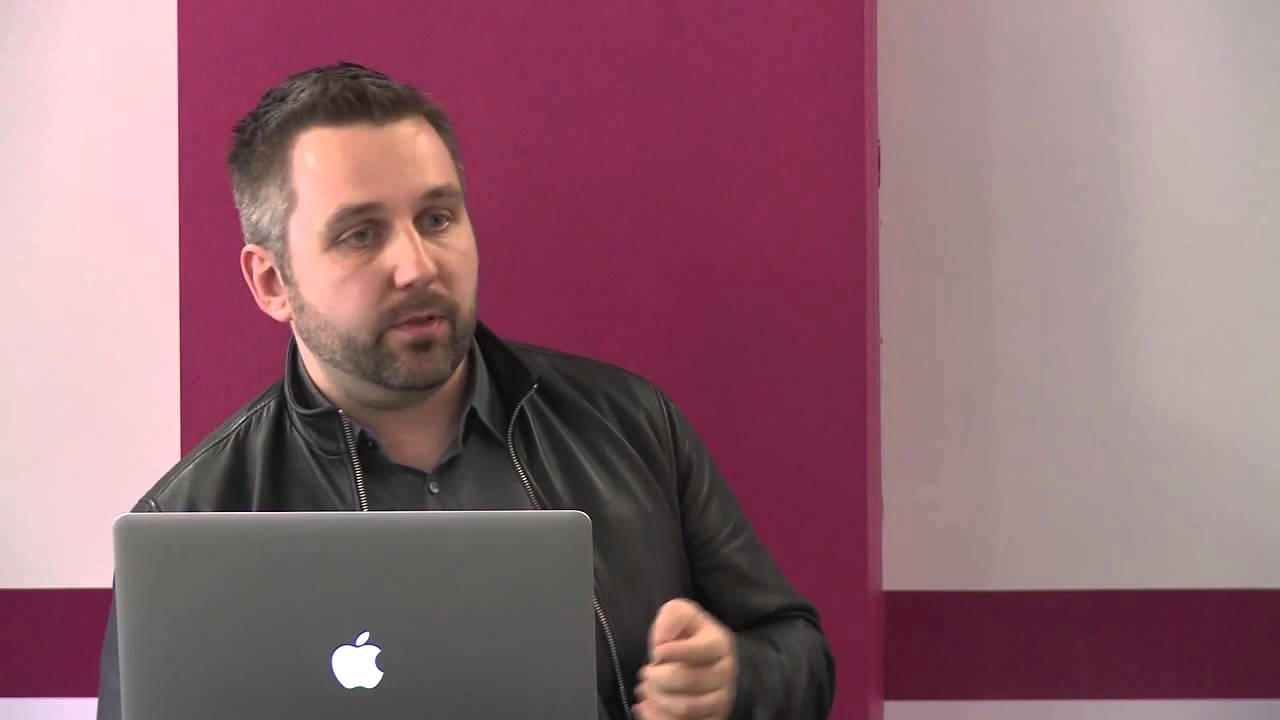
Hanns Tappeiner, co-founder of Anki, shares six lessons from building the robotics company. Build a proof-of-concept before you fundraise. Hire strong co-founders and make sure external contractors send their best people. Grow your luck by doing great work and telling people about it.
Chapters
So independently of the product, I want to give you the 6 or 6 of the very important things we learned when we went sort of through the process of starting this company. And some of them are obvious because other people talked about them before and other ones I find not so obvious. So one of them is proof of concept comes before incorporation or funding. And that's not necessarily always true, but we did it like that and it worked really well. So— Yeah. We had no funding for an extended period of time because we were in grad school. And what we're trying to do was so crazy that we felt like that without a functioning prototype, nobody would give us funding. And I believe that is true. We actually had a lot of people interested when we then raised funding, but I do believe it was due to the fact that we had a pretty much fully functioning prototype at that time. So it's not always necessary to— start a company and do it full-time right away and to go like all in because that means you got to pay yourself somehow. So we did it, for example, while we were in grad school. That was a great time to do it, but other people do it as nights and weekends projects while they're working somewhere else or so. So it depends on the situation which one you prefer to do, but then you can save yourself a lot of trouble getting to sort of like a concept stage before you actually— incorporate and worry about contracts and starting an actual company after you figure out whether you really know what you want to do. Next one is— that's the one I mentioned earlier, domain knowledge, domain knowledge, domain knowledge. If you can figure out a domain where you feel like you know a lot about and you can figure out a reasonable way to start a company around that, that's likely a better idea than starting a company around something where you feel like you don't know as much. That's just— It doesn't mean it doesn't work otherwise, but it gives you a huge advantage. So that is— that was true for us and I know a lot of people for whom this is true too. So that's— I think that's an important one. The other one, and this one is sort of obvious, everybody says it, so I'm going to skip over this one because the next one is almost the same. Hire only good people. This is very important. Starts with your co-founders. Don't just randomly pick co-founders or because you kind of like them or so, but be careful and like choose your co-founders well. My co-founder and I, we met in grad school in 2005 and we are working today every— we're working together every day and we are still— we're very, very good friends. And so this worked out super well, but I do see a fair amount of companies failing because half a year, a year into the process, people don't get along anymore and that's bad for the company. So it's not just true for co-founders, of course, it's true for everybody. And so the less obvious one, and I'm going to focus a little bit more on this one because it's one which was completely— it makes sense once I figured it out, but I didn't realize this before. And that is, you're going to be— when working with other companies, get the A-team. What that means is everybody tells you that you need to hire very good people and you interview them and so you spend a lot of time and effort on hiring good people. However, at some point you're going to be in the situation where you're going to work not just with full-time employees but with contracting firms. They're going to be law firms, manufacturers in Asia, marketing agencies, and so forth. And what's going to happen is, or what can happen is, you will tell them that you want to work with them, they'll be very excited, and they're going to send a team of people over to present to you all the really cool things they did so far to try to convince you to work with them because you're going to pay them. And then if you're not careful, You will talk to the people and see the work from people who are really good at what they do, but the company might be big, they might have 1,000 employees and then the team who is actually going to be working on what you want them to do might be a very different team from the one you talked about. So it's like interviewing a person during an interview but then getting somebody else who shows up for work. So this is— this was not obvious to me and we did this pretty well. because we got this as advice from somebody and this is something which I think is very important. So treat external companies the same way how you're treating full-time employees. And then the last one, second to last one, is spend time and effort to build a network of advisors. It's not just full-time advisors, they sometimes cost a little bit, usually equity, but if they're good, it's totally worth it. They can— advisors can hugely help you. as long as you find good ones. And I give you an example of— we have a lot of very, very good advisors and I give you an example of what that led to. So this is not an advisor, this is our head of industrial design, Harold Belker. He did all the car— all of our car designs. He is a very famous Hollywood movie car designer. He designed all the cars for movies like Minority Report, Total Recall. He designed the Tron light cycle, the Iron Man face mask, the Batmobile, things like that. So he was always— he was one of the guys I really, really wanted to have on our design team, but I had no idea how to get in touch with him or even like— yeah, I just knew I liked his designs. And so one call to one of our advisors who is very well connected in Hollywood, and a day later I had a phone call set up with Harold Belker, and then a few months later he joined us full-time. So this would have never happened without amazing advisors, and nobody who you can hire full-time will be able to do those kind of things, so you want to Spend as much time on designing your advisor network as you spend on hiring full-time people. And the last one, just very quick, I find this to be very true. This is called the Jason Roberts Luck Surface. So a lot of people say, oh, you guys got very lucky or other people have less luck or so. And obviously there is a lot of luck involved, but there is— if you— this guy tried to parameterize luck and I think it's— It's fairly true. It's— he pretty much says luck is doing times telling. So if you're just talking and you really don't do too much, you might get a first meeting with an investor or somewhere else or so, but you probably won't get a second one because there's no meat. On the other hand, if you don't— if you do a lot of really cool stuff but you don't tell anyone about it, nobody will know that you're doing cool stuff. So the idea is sort of try to maximize both. And as long as you do really cool stuff and you tell people about it, that sort of maximizes your luck. And I really think that that is true. Thank you.