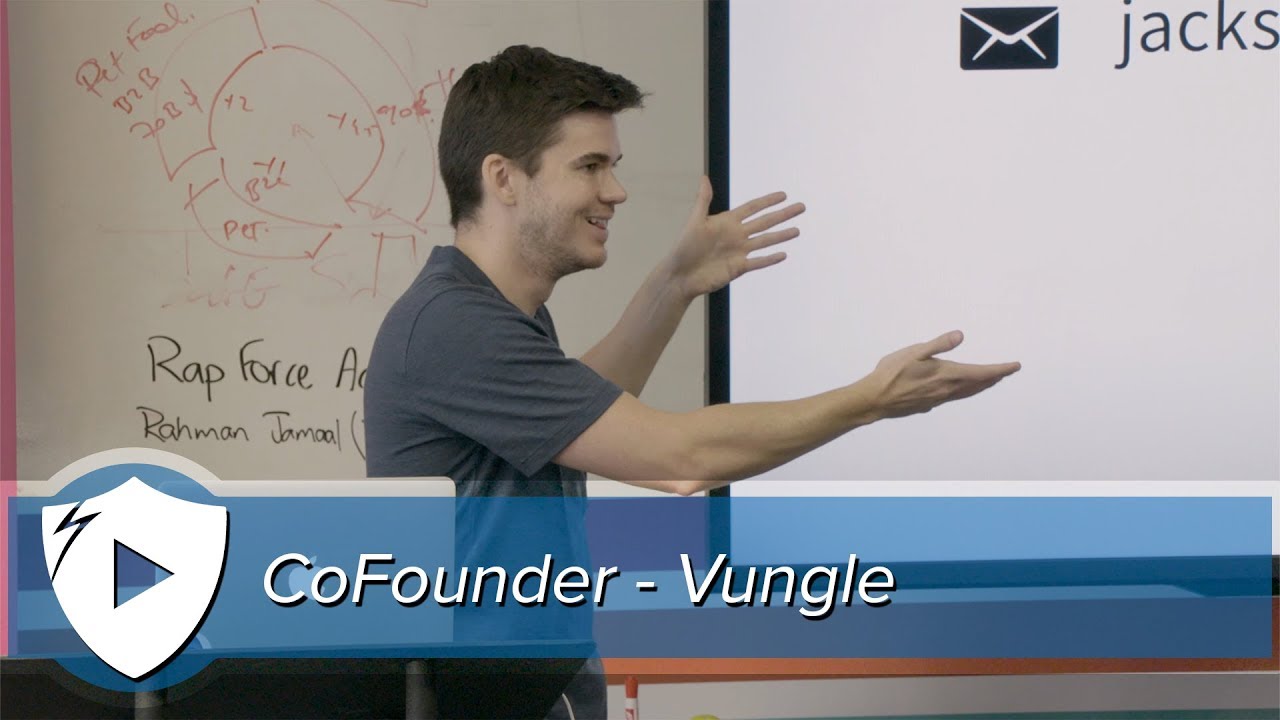
Vungle co-founder Jack Smith shares how he recruited early team members through network leverage and staged meetings, used a custom Product Hunt bot to game the platform, and pitched investors with fake screenshots and no working product. He emphasizes that seed investors buy the story, not the code, and advises technical founders to find loopholes in nascent platforms before they scale.
Chapters
There was this website called White Truffle. So it's basically like Tinder for startups and engineers. Or nowadays there's AngelList and stuff like that. So basically what we did is we just got him gradually bought in. So he was just helping a few evenings at the start just to see if we'd get on. And then when we had this meeting with Google Ventures, for example, me and my co-founder, we didn't have a US driver's license. So basically we just got him to drive us to the office. That's a good idea. And then we didn't let him come in. We told him, all right, just wait in the conference area. And then we just came out and we're like, all right, Google Ventures is leading our fundraising round now. And then we got our other friends at the incubator to just— when we were having a demo day like this, we just told him, why don't you just go and help carry the beer with the other guys in the class? And we just briefed the other guys, like, all right, this is exactly what you need to tell him. So they basically told him, dude, wow, Jack and Zane, their company's growing amazing. You should definitely join this. They're going to get someone else if you don't. And he says, oh, wow, yeah, yeah. And then, so we got other people to tell him, and then basically he just joined full— he quit his job and joined full-time before the demo day. Any bets? Are you continuing with hacking culture? It's a tough balance, but I do like just checking checking any new things that come out, any nascent products, then I'll just check them out and just try to reverse engineer them. Sometimes you'll be able to use them to your advantage, sometimes not. One bit I did is with Product Hunt, for example. When Product Hunt launched, I kind of saw it taking off, like, hey, this looks pretty interesting. So, basically, I just created a simple bot to just post products to Product Hunt, and then I became, I'm not anymore, 'cause I kind of got bored of it, but I was just basically the number one user on Product Hunt. And then so, like, lots of people were kind of reaching out to me for that. And so that's what I think is, like, rather than spending your time trying to become an expert in Facebook ads or Google ads, there's already experts in that. Try and become an expert on stuff that's brand new and launching now, and then you can maybe find a loophole that other people haven't considered, you know? And it sort of answers that question, what's next for you? Are you still working at Vungle? No, so, like, basically Vungle now, yeah, it was like 7 years or so ago that I moved here. I left after we raised the Series B or so, which was a couple of years ago. Now I'm just helping some different startups and also had invested in some different ones. I quite like working with lots of different companies. It kind of fits my personality quite well, so that's what I've enjoyed so far. When you got your CTO, were you guys already in traction or were you still hyped up when you got him? No, we didn't have anything because he needed to build the product. We just had a fake screenshot. We just had a website with a fake screenshot of what the platform was, but there was no code. So he needed to build the product. It was the same with the fundraising deck. The fundraising deck had all these screenshots of the product. We just forgot to mention that we hadn't built it. So they can fill in the blanks about if this exists or not. We never said it exists, but we never said it didn't exist either. So. That's the main bit with fundraising, especially at the seed level, is they're investing in the story, right? They're investing in what this can be. They're not investing in what you have today. This is— the seed round is one of the unique funding rounds where you can just pitch a vision. What kind of companies or founders are you investing in, advising? It was quite a mix. Like that first page, that's the That image on the first page with me wearing that weird headset thing, that was one virtual reality company that I was involved with. Basically, yeah, I just liked helping different companies at an early stage, especially with the storytelling and stuff, because especially companies that are super engineering-driven, they can find it really hard to tell their story. If you're too technical with pitching for funding, especially, or recruiting, or the press, you need to be able to tell your story that a 5-year-old can understand what you do. If you're talking all this technical jargon, then people are not going to understand it. Can you give me 30 minutes later? We can talk later, yeah, sure. Thank you. I'm not saying 30 minutes, but we can talk. OK, OK, OK. Any other bits? No? All right. Yeah, this is my email address and stuff. So any of you guys can just email me. And we'd love to hear what you guys go on to do next as well. All right, thanks a lot, guys. Woo!