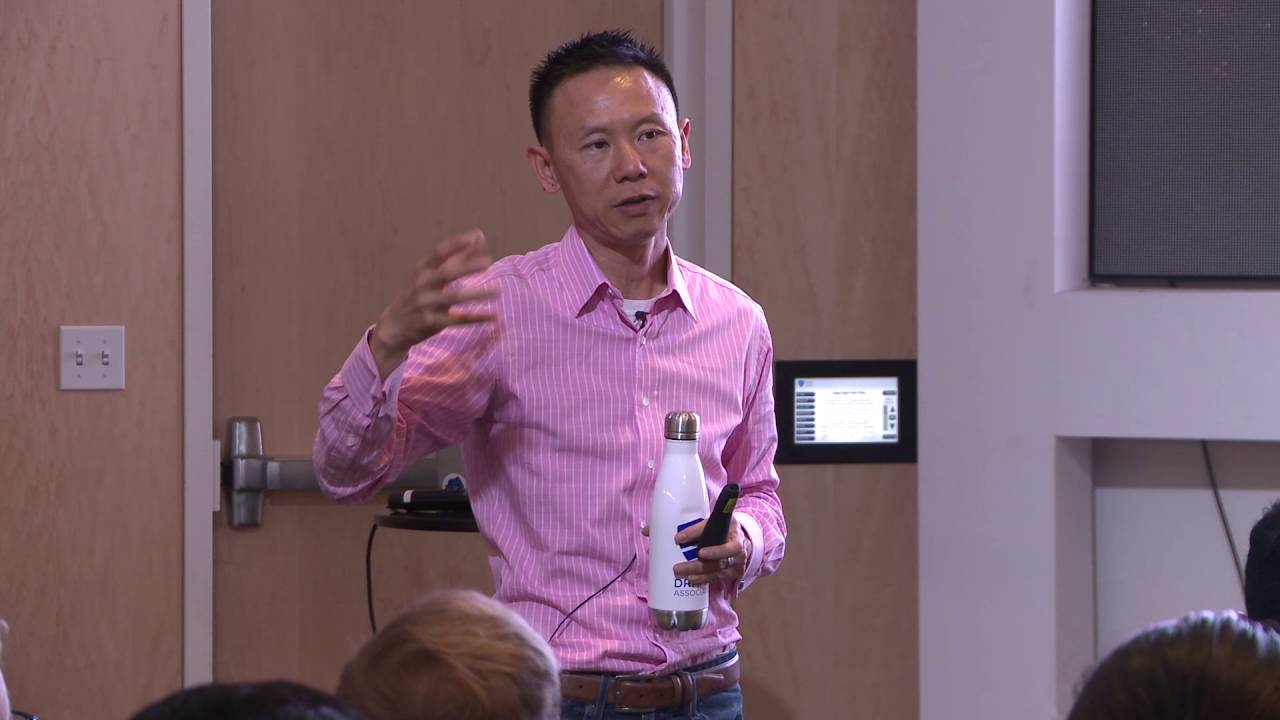
Tim Draper traces how startup accelerators evolved from generalist programs like YC to specialized vertical funds focused on fintech and edtech. He predicts education will be the next sector to undergo consumerization, following the pattern set by Dropbox and Box.
Chapters
So now it's been almost 10 years since YC 500 and Techstars started, right? So we're entering into the accelerator 2.0, right? In my mind as an active investor, I'm beginning to look at where you graduated from as an important indicator of your success, right? I mean, who you are is more important than anything else, But where you come through is a first indicator. So I'm of the view that you can either go through a sort of a generic generalist accelerator program where they teach you the fundamentals of building companies, sales, marketing, great, and you get to meet some other entrepreneurs. Or you go through one of these highly specialized, almost like Navy SEAL kind of training where you just do a few things well and they have all the deep Rolodex in the area and then you sit next to a guy who is going after the same customer base, same user base, and you help each other out. So the data is still pretty early, But as an investor I'm looking at this model on the right, in theory should have better performance. So that's really the beginning of these vertical accelerators. They focus on one area, so Boost does VR and blockchain, Highway One does hardware, Rock Health does health-related company, Alchemist enterprise software. So that's one of the reasons why we have actually a model of developing vertical accelerators here. We have fintech and now we're going into education technology. So we really have started from the upstream venture investing, noticing there is a trend, there is an increasing number of investment opportunities, many more startups coming, how do we effectively filter out and find the best investment opportunities? We got to have some sort of mechanism, almost a farm system. So that's why the accelerator model makes sense for us. I want to switch gear and talk about specifically this education vertical, why it's interesting. So I asked earlier, if you are familiar with the term consumerization. So in very short forms, basically we're all consumers here, right? Each one of us is a consumer. Our behavior actually affects the industry we are in touch with, right? So for instance, if I work at Coca-Cola, right, I'm actually consumerizing what happens within Coca-Cola. I might bring my phone to work, I might want to use Dropbox as my cloud storage, I might use Airbnb as my choice of travel, I use Uber instead of taxi. These are things that I'm actually affecting the enterprise, right? And this phenomenon was first noticed in Dropbox actually, when the Dropbox employees took started using Dropbox for their work-related projects and suddenly it sort of took over the enterprise software and it happened first to the tech companies in Silicon Valley. So historically IT guys were pretty resistant in letting you take your tool to work, but there were so many people using Dropbox, They sort of surrounded the IT people so they are sort of getting held hostage by their employees using Dropbox. They have no choice but to sign an enterprise license. Along came Box, which is a DFJ investment. They sort of improved upon that and they have an even more secure version that the employees took to the company and the company IT actually signed off on it, so that's why it has done really well because of the enterprise aspect of the sales. So this is just the beginning of the consumerization, consumers like you and I taking our own tools to work. This happened first in Silicon Valley. It then happened in industrial sectors, You see these workers, the field workers start using iPad, iPhones, suddenly the enterprise productivity tools are now part of the company software suite. Then it happened to financial technologies. You see each sector slowly fall down like dominoes, right? People started taking their own gadgets to work. So my prediction is the next one is education. Education is the vertical. We as consumers will bring these devices and software to the schools. Thank you.