Startups Don't Plan to Fail | Garrett Smallwood, Wag VP of Product
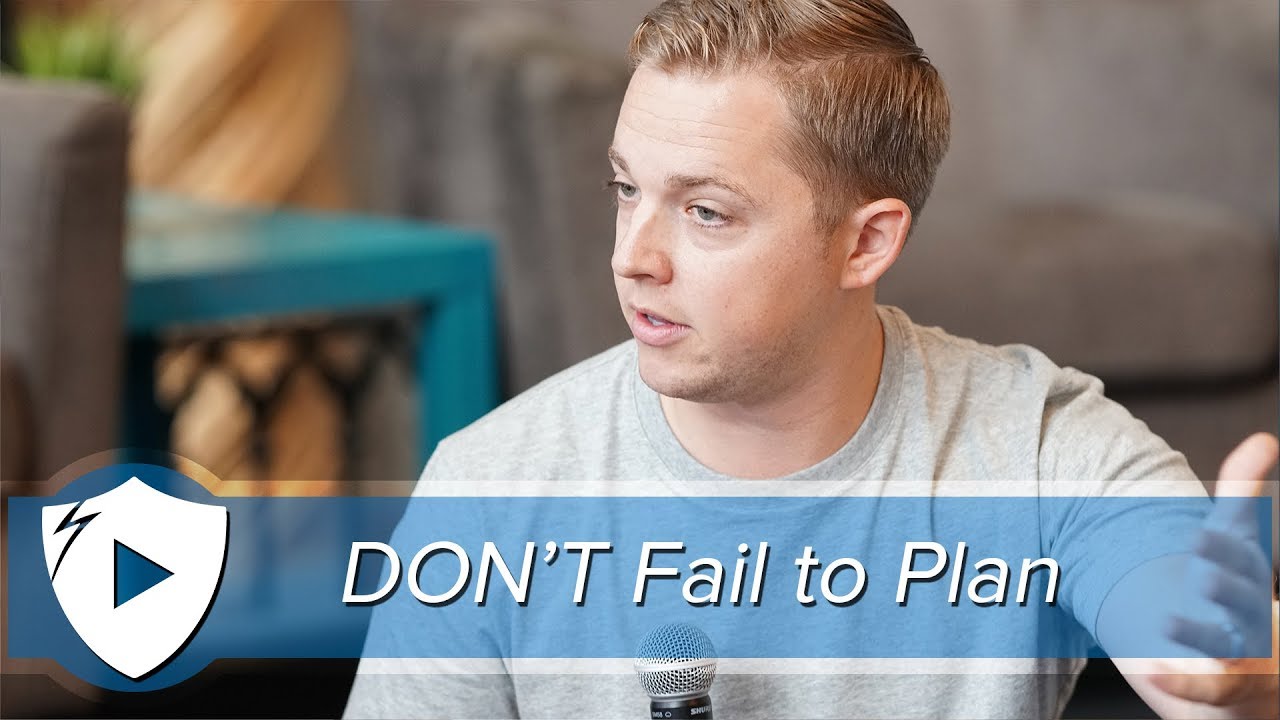
Garrett Smallwood, VP of Product at Wag, shares how startups succeed through disciplined execution: 3- to 6-month planning, weekly scrums, monthly OKRs, and clear dashboards. He emphasizes deadlines, storytelling for fundraising, and the willingness to step on toes to get things done.
Chapters
People don't plan to fail, they fail to plan. It's like my favorite saying. I firmly believe this. If you don't have a 3-month outlook or a 6-month outlook, how is your team supposed to have an outlook? How are the people you're working with supposed to have an outlook? Where are you gonna be next quarter? Can anybody tell me how many sales they're gonna do in the next quarter? I would just love to hear it. No. No, cool. Yeah, so, like, if you don't have a sales goal, or a product goal, or a launch goal, or a fundraising goal, or a recruiting goal, or any sort of goal, like, how do you know if you did a good job? How do you know if you hit the goal? That's like, to me, that's like failure. It's like CEO failure, COO failure, whatever your title is, like, that's failure. So if you can't hold yourself accountable to something, like, you have ultimately done a bad job at it. So for me, daily KPIs, everyone knows what a KPI is, key performance indicator. It's how you evaluate your business from a individual daily standpoint. Weekly scrum, does anybody here do scrum? Awesome, that's super cool, love to meet with you guys. So scrum is phenomenal, you meet with your teams on a standup weekly, you talk about the 3 things that are blocking you, 3 things that are gonna help you move forward, 3 things that your team needs to help you with. Monthly OKRs, anybody here know what OKRs are? Stripe, Google, Pinterest, Airbnb, let me think what other, WeWork, Compass, they all use OKRs. Like, if they use it, shouldn't you? They're like billion-dollar companies that have unbelievable revenue and TAM. So OKRs are objectives and key results. I like really hope you take away one thing from this discussion, it's like OKRs. Like, look into OKRs. Anybody know Morowitz from Kleiner Perkins? Michael Morowitz? Sir Michael Morowitz? All right. He's like the first investor in Google and a bunch of other really impressive companies. And he wrote a book called Measure What Matters. I might have butchered that, but he is all about OKRs. Like, OKRs from the start of your company help you define the success of your company because you know what you're holding yourself accountable for. Dashboards. Does anybody here have dashboards for their business? Like, can I look at your business right now from a 30,000-foot view and look at your business health? Yeah, I'd have some dashboards. How are you tracking what matters? How do you know what matters? Like, do you have 1,000 numbers on your dashboard? I sure hope not. Should be like 2 or 3 things. 'Cause when you're in your company stage, if you have a company, like, you should only be focused on 1 or 2 things, right? It's either like customers or paying customers or like user acquisition metrics, right? Like growth. Growth solves all. Growth is the Band-Aid. Nothing else matters. Like, no one talks about slow-growth companies. They talk about incredibly fast-growing companies. And how do incredibly fast-growing companies figure out what matters? They use dashboards. There's literally 4 or 5 $500 million-plus businesses in the Valley who just do dashboard SaaS. Okay? So you should know who they are, and you should use them. Stop worrying about titles. Honestly, none of you guys, no one needs to worry about titles. It's the least interesting thing. If you're a real entrepreneur, you really don't care about titles. You just care about building really great products that people love, and moving really quickly. Like, title's the least interesting part of the job. If you're here to tell your family that you want to be CEO of something, and that you are CEO of something, like, I hope that's not why you're doing it. Like, you're doing it because you're like, you want to make people happy, and you want to like grow something and take accountability for that, and like hire a bunch of really smart people to help you do it. I also, we get stuck in, you guys, when you go fundraise, people are gonna go fundraise soon, right? I don't know, people are gonna go start fundraising. Sand Hill, they're gonna hit up Sand Hill investors. It's gonna be super fun. I love when I hear in coffee shops, I just talked to the partner at Y, or I met with the managing director at X. Like, no one cares, man. Like, if you were actually talking to them and they cared, like, you would already raise money. So, like, don't brag. Like, no one cares about that. Like, it's a— Silicon Valley's super small. Like, everyone knows everyone. Please, like, don't worry about titles. Don't worry about people. Worry about building your business. Way more important. Deadlines. Do people have deadlines here? Like, just they know what they have to do by when? I hope so. You do, right? Okay, cool. Me too. Yeah, I have like 3 different to-do apps on my phone. I have like 10 to 15 kind of core personal to-dos every day, 3 or 4 core things I care about in my business I need to do, and I call them 3 or 4 team things. So, like, ways to keep my team on track. It's all I do every day is manage that to-do list. It's like all I think about is hitting my own deadlines, and those are a function of my OKRs. So, on a quarterly basis, I know exactly what my goals are gonna be. And then I break it down into weeks and days to figure out how I'm gonna get there. That could be in life, right? Like, it's not just work. You should feel personally accountable for your time and have an outcome, and the outcome should be something you're excited about. Maybe it's not just making money. Maybe it's spending more time with family. Maybe it's buying a new car. Maybe it's, I don't know, buying a house. I have no idea what you care about, but like, please don't just like focus entirely on the business. Focus on the business objectives. And then work your life the same way, because soon like this will become your life, right? This is all you'll do. I'm really big into toe stepping. Anybody know toe stepping here? Cool. So one of my favorite things is, has anybody had like that discussion with someone where you're like, why didn't it get done? Like, why didn't you do it? Has that happened? You're like, what the hell? Like, why didn't you get that thing finished? You're so confused, right? As like the founder of the business, you're like, oh, like what? How could you not do that on time? That to me, that's when you go toe step. So one of my favorite lines I heard from someone, I was like, I made a huge mistake. And someone went like, if you can't do the job I hired you for, why do I need you? I was like, oh, I never thought about it that way. Like, I just, this is like a job. So toe stepping is awesome. Like if someone else can't get it done, just go do it, right? Like why are you worried about other people not doing it or making it happen? Just go get things done. Just go execute. That's all that matters. Just go get things done. So, like, celebrate when people on your team and people you work with just go get things done, 'cause they're hopefully driving the business forward if you're focused on the right things in the dashboard and the right things when you plan it, right? I'm really big into stories. This is like a personal anecdote. You have to tell a really compelling story. So, I'll tell you a story about when I started my last company. So, I spent 3 years at The Home Depot. Hopefully everyone knows Home Depot. Woo! 10th largest home— thank you, God. 10th largest, one of the top 10 largest retailers in the country with about $200 billion. Solely forgotten because of Amazon, but that's a phenomenal online and offline retailer. And the way I think about Home Depot is they have 450,000 associates. So they employ half a million people. 0.24% of America's workforce is Home Depot. And those associates are usually part-time retail workers, which means they have a hard time accessing healthcare. So I spent 3 years traveling the country. I went to Flower Mound, Texas. I went up to Wilmington, Delaware. And I spent time with Home Depot associates to integrate my product. It was awesome. But I learned along the way that the associates' number one pain point was healthcare. They couldn't access healthcare. They're actually scared of going to the doctor because they're worried about the out-of-pocket costs. Crazy, right? So I started a company to address out-of-pocket costs for healthcare for retail workers and general part-time workers across the country. Pretty good story, right? Pretty compelling. Makes sense. Like, 50% of it is generally, like, true. 50% of it I made up after I decided to start the company. Right, like, I knew I wanted to get into healthcare. I had no idea how I was gonna get into healthcare. Like, it all kind of came together. So I tell the same story, that same story I tell to every person I recruited. I told it to investors, I tell it to you. It's consistent, it's clear, and you suddenly kind of care, right? Like, oh, like, I got it. Yeah, like, I got a little bit of his bio. Like, I know what he's doing, I know why he's doing it. Like, that's kind of interesting, right? Sure. So I hope that you guys have an awesome, compelling story for why you're doing what you're doing. And it's nice and concise. Like, you could tell everyone the same story in less than 60 seconds. 'Cause honestly, if it's longer than 60 seconds, I'm just gonna tune out. Like, I'm not gonna listen.
More from Tim


He Sold His Car to Build This Startup, Then Pitched It for $1M 😳 #Startups #AI

This Startup Moves Your Crypto BEFORE Hackers Can Steal It 😳 #Crypto #Cybersecurity




15 Months Without Refrigeration?! This Startup Thinks It Can Go Global 🥥 #FoodTech #Startups



