The 7 Captivation Triggers (Part 2) | Venture Capitalist and Author, Ben Parr
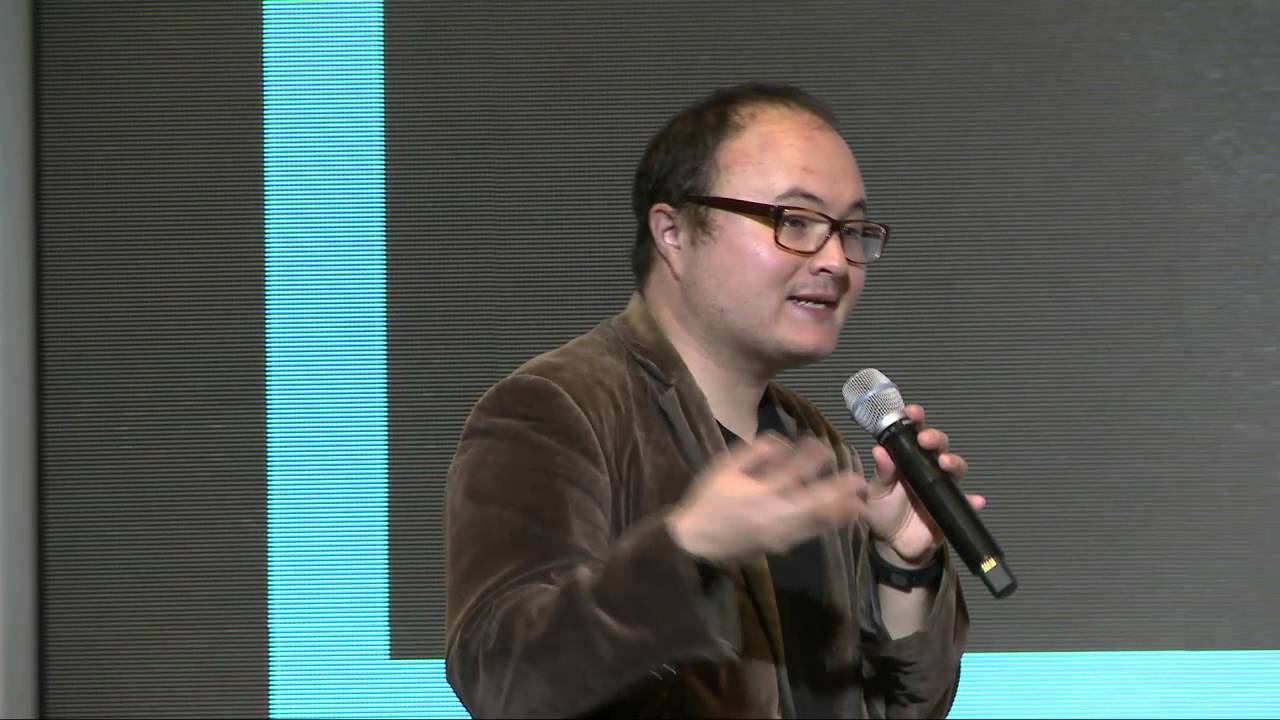
Ben Parr explores three captivation triggers: reward, reputation, and mystery. He cites neuroscience research on dopamine and attention, then shows how companies like Scopely and Keep use surprising rewards and how Cloverfield's mystery marketing kept audiences engaged.
Chapters
Trigger number 4, reward. So there was a fascinating study done a few years ago by a researcher who I interviewed, Dr. Kent Berridge of the University of Michigan. And what he did was he wanted to find out how dopamine affects the body. And so a lot of you have heard of dopamine, and most people think of dopamine as this chemical in the brain that creates pleasure and happiness. Well, that's not true, or at least it's a misnomer. And so what Kent Barich did was he took mice and he removed the dopamine from them, from their brains. They removed the dopamine receptors and the dopamine power. And what he found was that these mice without dopamine could still feel pleasure. Give sugar water to a mouse without dopamine and it'll still feel so tasty and still like it. The difference though is that what he found was that almost all these mice without dopamine Just lost all motivation. They were so demotivated, in fact, that almost all of them died because they had no motivation to live or to eat. And so what dopamine does is not create liking, but it creates wanting. It creates a desire to achieve a reward, a desire for something. And so when it comes to attention, the act of wanting something is more important than the actual reward that you get. And so the reward trigger is all about capturing attention by delivering rewards, by giving people something that they want, by delivering rewards that'll help them keep using your product, keep using the product cycle, make them listen to you, keep your employees happy. And there are 2 types of rewards that you really need to know about: intrinsic rewards and extrinsic rewards. Intrinsic rewards are— so extrinsic rewards first are the kinds of short-term rewards we're all familiar with. Food, money, sex, drugs— these are all short-term kinds of rewards. They give us pleasure and the science shows that we pay attention to them. If you associate an object with money, our eyes will automatically go towards that object. Now, however, that is only short-term attention. It doesn't capture attention in the long term. That's where intrinsic rewards come in. Intrinsic rewards are rewards like self-mastery, purpose, A sense of completion, things like that. These are long-term kind of plays that help us pay attention to the long term. And if you think about it in terms of, say, employee retention, you can't keep an employee over with just one of these rewards. If you give them only money and you don't give them any purpose or anything to learn, they will leave. And on the other hand, if you don't give them any money, and if you don't give them any kind of bonuses, they're gonna leave as well, even if there is a purpose. And so it's the mix of both that really matters when it comes to reward trigger. And so your goal is to create motivation of some kind. And there are a couple ways to do that. One is to create surprising rewards. And so a couple years ago, a company called Scopely wanted to recruit more engineers. And as we all know, it is really, really, really, really fucking hard to recruit engineers. recruit really good engineers. And so most companies will be like, we'll offer you an $11,000 signing bonus. But Scopely took it a couple steps farther. They decided to parody the Most Interesting Man in the World campaign. And so they offered $11,000, but in $100 bills wrapped in bacon. And not just that, but they also offered an oil painting of yourself, a 12-year Macallan, and my personal favorite, A harpoon gun. A harpoon gun. I did not bring the harpoon gun here because I'm pretty sure I'd be in jail now. But this kind of weird, unique, surprising thing made people pay attention, and over 1,000 people applied for the job as a result of this campaign. And so rewards that are surprising, that violate our expectations, do and absolutely capture attention. But it's also not just unique rewards and rewards that disrupt our expectations, but it's actual surprises. And so, I'm sure we're all familiar with incentives, right? I give you this, you'll do that, all right? If you fly enough miles, if you fly enough times, you'll get some status. And that sort of works, but it's actually the least effective way to deliver rewards. And so these are screenshots from a company called Keep. It's my friend's company, Brian Wong, who's about 23 and started this company when he was 18, 19. And what they specialize in is post-action rewards. So what they do is like you do something like you go on your best run or you win, you get the highest score in a game, and without you knowing they have this pop-up and it's like you've won a reward. Maybe it is a coupon, maybe it is a watch, maybe it's a Gatorade, maybe it's some virtual currency, but you get something. And as a result of that, you get surprise and delight. And the science, the research shows that when we are surprised by a reward, We are more likely to remember that reward and what led to that action, and we are more likely to feel positive feelings towards the brand, towards the thing that gave us that reward. And so there are lots of ways to deliver rewards, and this is just a short list of the different types of reward mechanisms. And honestly, they are— the 5 on the bottom are all better than the incentives. But there are lots of different ways to deliver rewards. And there's a whole discussion to be had about how you build reward systems and build validation into products so that people continuously use your product. There's another book I suggest, which is Hooked by my friend Nir Eyal, which, yeah, you know that book. I see a few of you know it. He's a good— yeah, he may even come here, or he already did, I don't know. But it's a fantastic book for understanding habits, and it relies a lot on the reward system of the brain. All right, we're close here. You're all very good students. Reputation. So there was a study done at Emory University, and what they did was they wanted to see how we made decisions, economic decisions. So decisions with your money. And they attached fMRIs to people's— to their heads to scan their brains. And these are actual scans from the study. And so when you're making economic decisions, as you can imagine, You start thinking about, you start, the critical decision-making centers of the brain light up, right? And so that's what's happening in the top half of these. And what they wanted to find out, these Emory researchers, was what happens when you're listening to an expert? And so they had in half the case studies an expert in economics, in this case an economics professor, come in and give them advice for how to spend their money in a hypothetical situation. And what they found was that when the students listened to the expert, the critical decision-making centers of the brain literally shut down. It was as if they offloaded the processing power of their brains to the expert. And there is an actual scientific term for this. It's called directed deference. We have an incredible amount of deference towards experts. And in a lot of ways, it makes sense for a society, right? If a doctor who spent a decade or 2 going to school tells us that we have cancer, we better fucking go for treatment. And we are built this way to listen to experts. There was another study when what they did was they would put doctors' coats on people, and then they would have them do attention-related tests, like tests about memory and things like that. And what they found was when subjects wore a doctor's coat, They tested better on these tests. They had sharper attention, and they could complete these tasks faster. On the other hand, they would tell some of the subjects after they put the doctor's coat on them, it was actually a painter's coat. And what they found was that attention went in the complete opposite direction and went totally in the shitter. And they scored much worse on these tests. And the point is that the mere perception of expertise improves our attention. It makes us pay attention. And so there's actually a couple different types of reputable sources that make us pay attention. Experts being the most powerful one. Authority figures, because we don't want to deal with the consequences of not paying attention to an authority figure. And the crowd, because the crowd actually acts like an expert. Especially when you think of things like Yelp and OpenTable, because we are predisposed to trust the crowd in aggregate when it comes to tastes and to what is popular and what is not. There's another reason why we pay attention to these reputable sources, and especially experts, and it's actually because we trust them. So this is from the Edelman Trust Survey. Edelman is a big PR firm, and every year they do a survey of thousands of people to figure out what we trust and we don't trust. And what they find every single year is that out of all the types of spokespeople you can have, the number one we trust most is an academic or an expert. We trust experts. And at nearly the very bottom are CEOs. So having your CEO as your spokesperson doesn't work very well in general. But we listen to experts, and using outside and internal experts is really powerful. And my friend Jeff Weiner from LinkedIn kind of exemplifies this. In a world where there's increasing amounts of information, people turn to trusted brands, they turn to trusted people. And in fact, that's part of the reason why LinkedIn launched that, the LinkedIn Pulse, and have that influencer program because we trust experts and we wanna follow experts. And so your goal here is to leverage experts in some way. Odo-Ro-No, as you remember, did this by leveraging the expertise of doctors by advertising the fact that it was created by doctors, a very powerful tool. And all smart brands find a way to leverage outside experts. Trigger number 6. Only 2 more, ladies and gentlemen. Start thinking about your questions. Mystery. So what movie is this from? Make a guess. Day After Tomorrow. Not Day After Tomorrow. What else? What did you say? No. No. One more in the back. Yes! You get a prize. He gets a book. Yeah, he gets a book. Nice. Raise your hand. You get a book. I like these guessing games. Cloverfield by J.J. Abrams, who's actually in town right now. So Cloverfield was this— was a fascinating movie and fascinating campaign about, you know, a monster ravaging a city. But what they did really well was they had a mystery around the entire campaign. Their very first trailer didn't reveal the entire plot like most trailers do now. Screw you, Terminator. Instead, what the entire trailer was as follows, was kids at a party, followed by a giant roar, followed by the head of the Statue of Liberty falling into their street. And they didn't even mention the name of the movie in the first trailer. And people started speculating. They didn't know what was going on. Think about it now. J.J. Abrams, who's the director of this and Star Wars, how much do you really know about the new Star Wars? How many of you are going to go see the new Star Wars, though? It works really, really well. Okay, the rest of you, I hope you're lying. If you're not going to go see the new Star Wars, I'm so sad for you. But this— J.J. Abrams is a master of using mystery to get people to pay attention, and he uses it in Lost and all his other films. And there's 2 reasons scientifically we pay attention to mysteries. The first is actually because Mysteries stick in our mind, and it's something we call the Zeignarik effect. So in the 1950s, there was a woman named Blumen Zeignarik, and she was a Soviet researcher who was sitting in a café one day, and she had noticed that the waiters would have perfect memory of her order until they dropped it off at the kitchen, at which point they could completely forget it. And she was curious about why that was and why that was happening. So she gathered a bunch of students and kids, and she had them do puzzles. But in half the cases, she would take their puzzles away halfway through completing them. And weeks and months later, she'd ask these students and ask these kids which puzzles they remembered. And guess which ones they remembered, and the only ones they remembered? The ones they couldn't complete. And that's because the Zeigarnik effect is the fact that incomplete tasks and incomplete thoughts stick in our memory far more than completed tasks and thoughts. And so if there's something that we feel is incomplete, it'll keep circling in our heads. Thank you.
More from Tim


He Sold His Car to Build This Startup, Then Pitched It for $1M 😳 #Startups #AI

This Startup Moves Your Crypto BEFORE Hackers Can Steal It 😳 #Crypto #Cybersecurity




15 Months Without Refrigeration?! This Startup Thinks It Can Go Global 🥥 #FoodTech #Startups



