Three judges grill founders on their vision, competitive advantage against SpaceX, regulatory pathways for clinical trials, and how they'll reach rural consumers. They also probe AI bias mitigation and pricing at $500 million scale.
Chapters
Supposing you have all the money you need tomorrow, what are you each going to do? If suddenly our world is different and everything is energy— Yeah. Does that change the way you might look at propulsion in space? SpaceX is launching a delivery vehicle. How are you competing? Where, where is your edge?
How can I get this particular treatment? How is it going to be like reaching the normal people? What do you do with the regulatory perspective with respect to clinical trials and approvals?
Do either of you have an MD? Now you've got $500 million in volume. Do you charge on that volume? How do you make money? How do you do that? Why are you the magician that gets all those to work?
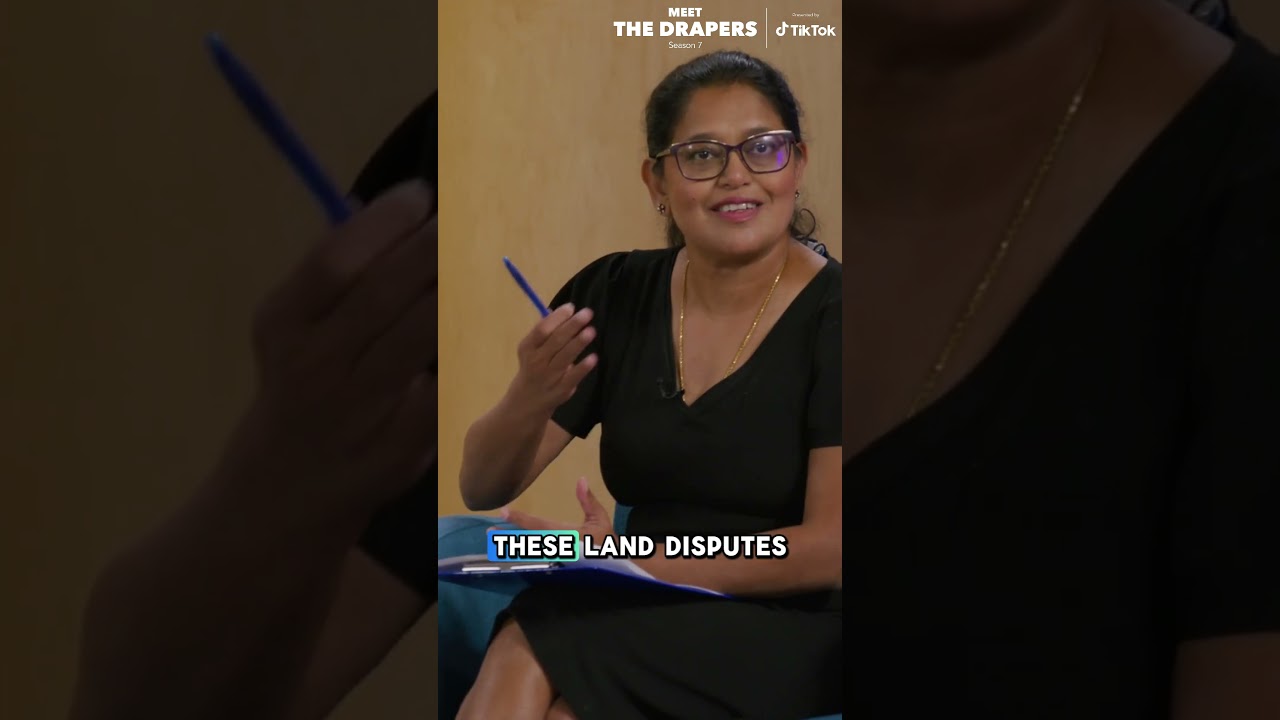
We are looking at consumers in small villages who go through these land disputes that you spoke about. Yeah, they might not be even actually Computer savvy. How are you thinking about the user adoption?
You brought up bias. I was going to ask, because bias in LLMs, large language learning models, is a well-documented problem. What are you doing to mitigate errors and bias in your models? And who has the legal expertise that's advising your team about how to navigate this?
Are you just going to say we're going to protect you against an attack, or are you going to How are you different from the average insurance agency? Is this going to be an ongoing battle the way McAfee was? Like, the hackers keep coming and you keep protecting, and the hackers come and you protect?