Sean Hsu explains the Fake Door method: test product demand with a mock landing page before building anything. Show colors and prices, track clicks and email signups, then use that list to find similar customers on Facebook and Google at a fraction of the normal cost.
Chapters
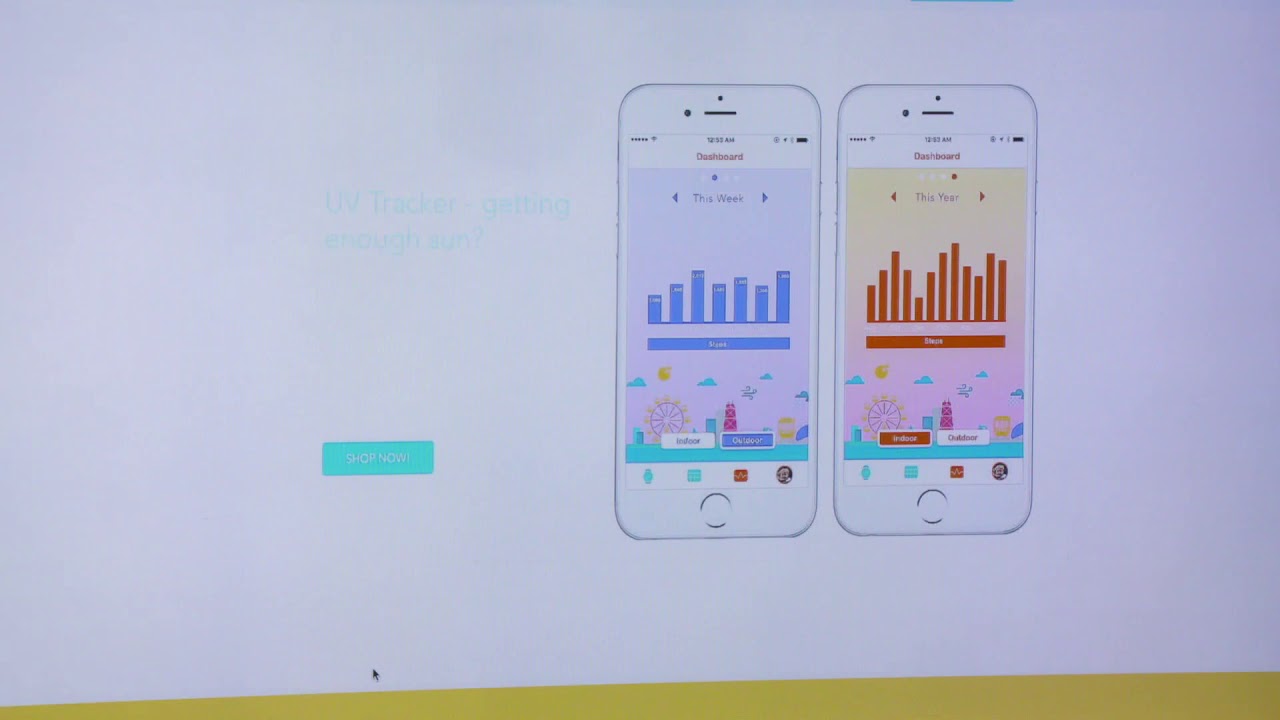
So by the way, this method is not bullshit. This method is— we call it fake door. So the theory behind was back like 50 years ago, if I'm American Airlines, I don't know if I'm going to earn money by selling tickets from SFO to Beijing. And there's no way for me to start this business like the first day and try to sell it because If I resell it and there are like 5 customers coming to Beijing, I still need to fly that with a lot of loss. So what they did was they have this— there are a lot of stores on streets. So they have this fake door store with the title of SFO to Beijing ticket, $800. And then they are checking how many people are going to try to open the door, although they cannot open it. Thank you for having us. And then at the corner what they did was they have this recorder to count how many people are open it and then also try to talk to them to leave their contact. So that's basically what we do in a digital firm right now. Same thing, this is like the exact same image we want to deliver to the customer and then what they do is just click and save your contact or even there's a buy box. Another exercise we have done was like this guy. This is going to be a little bit more technical, but it's still the same logic. So this is the kids' smartwatch product that we've built. So here what we did was— We are testing how good it is in the US market. We have the video. It's an actual video with like— so this one is a team. They actually spend more time on making this product come to market. So they spend also budget and time to film an actual video. So to explain what's the product doing. And then more rendering, more telling the selling points, and then just telling people what's going on here. So what we did was we are testing how many people actually click Shop from Facebook or from AdWords. And so we created this page to test. If they click Shop Now— and also at the same time, we don't know what color will sell the best. Yeah. So we have 3 different colors for people to choose. If they click here, then we know— let's say if we click here, then we know once they click, I have a counting system at my backend. I will know more people like the purple. Actually, that's a fact because the purple feels a lot like Barbies. So that purple is very popular to girls. So then we can also see what is the best popular product for the caller. And then once they fill the name, I can also know how many people actually fill out the name and then click this payment button. In the future, I can easily put my credit card information here and then click payment. So this is also almost an irrelevant count as a conversion. So once they click payment, click payment and then go to the next page, we can actually see what's the conversion rate in different ads. How do you price it? Oh, that's a good point too. We started with different price first. So we started with like— so there are a lot of ways on digital marketing to test, like A/B testing the price. You can start like $65.99 or like $63.99 and try to see what's the best spot. But from a product design standpoint, I typically find what are the substitute products on the market. So this guy, because Swatch Flick Flak is costing $45 to $60 as a kids analog watch with no IoT functions in it. So I started with $60 because of that. OK. So what's the payment page? So this is actually a very funny thing. Oh, by the way, this is like— you can see all the same style. Payment page. So you mean after I do this, right? So here I typically do it like this. I claim it as like we are out of stock because we sell too good. That's a lot of stuff to do. And then thank you for your order. We're currently out of stock due to higher expected demand. And it's very important to like please accept the discount rate. So once they click the payment, they already get a coupon code that's like $10 off. So you're not going to charge them $10? 20%. So then you still have the contact. And the good point is that Facebook tool or Google tool is you can treat it as a very professional fishing tool. So what you do is the more data you give them, the better and more accurate they can do for your advertisement. So you're saying that The cost per acquisition will drop a lot if you have a lot of emails. So for Facebook, if you— this tool is kind of like remarketing slash— I forget the technical word. I'm not a marketer, so you can find these kind of words online. Yeah, I'm actually a designer, so I'm surprised at how I know all this stuff. The tool you can use is if you collect 500 to 1,000 emails from Facebook or from any place— I'll go back to you very quick. You just give this list to Facebook and Google as well. They have the tool to check what are the common points of these 1,000 emails. And they will start to buy more ads to those similar backgrounds. So you're saying that the Besides these 1,000 emails you have. So in the future, the customer acquisition cost will just drop very fast from that point. Thank you.