The Tech/Marketing Strategy Behind Notion, A Smart House Startup | CEO of Notion, Brett Jurgens
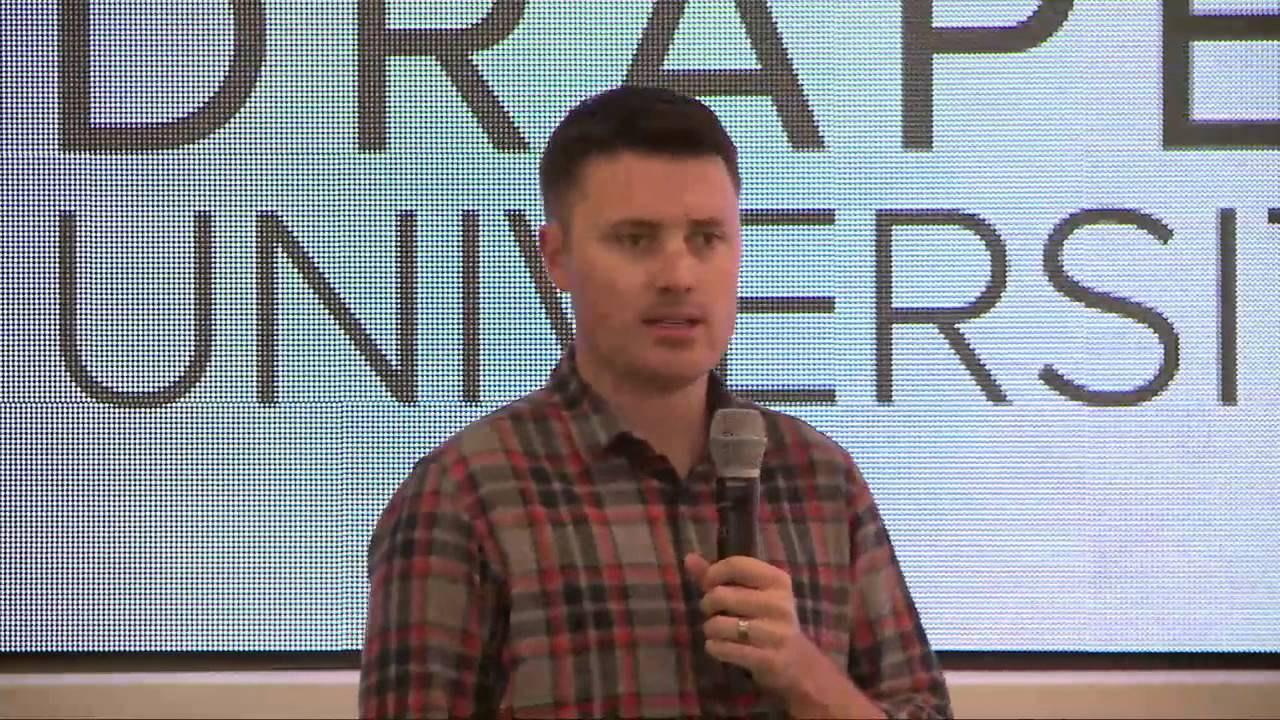
Brett Jurgens, CEO of Notion, explains how the smart-home sensor startup plans to scale beyond early adopters through partnerships with Lowe's, Amazon, and gun-safe makers. The company manufactures locally in Colorado before moving overseas, and is targeting property managers and insurers as B2B channels to fund a Series A raise.
Chapters
So think of Notion on the surface as a home security system. I hate to say that. I think home security is kind of a 4-letter word. But— and what I mean by that is, you know, you can place these around your home, say 5 to 10, and it really gives you kind of full home awareness. So we can detect things like water leaks indoors and if gun safes or liquor cabinets open, things that home security systems never have been able to before. 3 sensors and a bridge costs $199. So we're all really cost competitive. Some of the places that we want to take our product— one of the things we're going to do soon after we launch is be fully integrated with Nest. Nest acquired a company out of Boulder about a year ago called Revolve. And they had a hub that was trying to connect all of the Internet of Things, basically. Nest acquired those guys because they were so good at integrating products that they wanted them to lead their product integration efforts. So we're going to be involved— That's awesome. pretty closely with Nest and also IFTTT. So I called it IFTTT for a while. Some people call it IFTTT. I think they pronounce it IFTTT. It's another platform that allows you to set a lot of rules. So one of the things we've been open about is that we want to be a part of that ecosystem. We aren't trying to close everything off and have our system be the control necessarily. We really want to integrate with others. So that's one of the big pushes we have. So I have a question. We're actually starting our manufacturing in Colorado. This is something that a lot of people are surprised with, but we have some great manufacturing resources. And it's been a huge advantage for us to manufacture locally to start with. I don't care about margins at this point. I don't have a single investor that cares about margins at this point. They care about us getting our company off the ground, about launching a product that works really, really well. So there's a lot of things that you can do, I think, as a company at an early stage to help yourself out. to seem bigger than you are, to keep things somewhat local, to spend a little bit more money even though it's painful, that really play well for you in the long run. That's one of the things we made a decision to do first. So we'll probably look to overseas manufacturing later this year, early next year. We actually have a great partner in PCH. So if there's any hardware companies here that want to talk about PCH and their access program, or other big kind of manufacturing partners like that, I'm happy to talk about that as well. We were just accepted into their access program. So we're really excited about that partnership with those guys. And some other things on the product a little bit more technically. Our sensors communicate to a central bridge. So we do have a bridge component that plugs into any outlet. So sensors communicate through a protocol based on ZigBee. It's an 802.15.4 protocol that we've done some customization to on our own chip for some reasons, a number of reasons. That bridge then has Bluetooth, Wi-Fi, and that 802.15.4 chip in there. We have a version of the bridge that also has cellular and battery backup. If your internet goes down, your power goes out, or let's say a vacation homeowner doesn't want to pay the expensive cost of an internet bill while they're not at their vacation property, They can use our cellular version of that without changing the size of that. One of the things that we, I think, have struggled with recently is figuring out overseas shipping and all of the regulations and packaging copy and labeling that are required to do that. I don't want to talk about it too much because it's been a pain in the ass, but I'm happy to answer questions and share our experience with that as well. It's something that was interesting with us with Kickstarter. They didn't really tell us anything about that. There's a lot going on with shipping electronics, especially battery-powered electronics overseas, that we just didn't know about when we said, oh yeah, we'll sell Notion to the world when we did our Kickstarter campaign. So some of those kinds of questions I wish someone would have said, hey, you should figure this out before you actually offer it. That would have been helpful. So another piece about kind of our business strategy is if you think about this as a consumer product, we're going to be launching on Amazon at the end of this month in a presale in a new innovative product store and in a connected home store. Amazon is fantastic if you get involved with Amazon. Anybody can post a product on Amazon. But if you actually get involved with Amazon, you can see some really, really positive stuff happen. We're also launching in Lowe's at the end of September. So I mentioned this before with UrgentRx. I have a lot of retail experience. Retail is really scary for a startup. A lot of inventory risk. It's really just expensive in general to sell in retail. You have to give up a lot of your margin to sell. And right now for us, they don't know— probably they don't know terribly well how to sell Internet of Things products. That's where they're doing a test also. So it's 210 stores. It's 43 states. That's the end of September. And that's kind of in line with right when we're launching. So really great opportunity. Also a little bit scary. But not a huge financial risk. So we went ahead and did that. One other quick comment I'll make about kind of our sales strategy. Yes, we'll continue to sell online and direct. We'll continue to sell on Amazon. But how can we really sell to more people? How do we get Notion in front of more people? Nobody knows about Notion. I doubt any of you really knew about Notion until I started to talk about it today. Maybe you did. But we haven't built a brand yet. We're a really early-stage company. Property managers, multifamily property managers, insurance companies, other product companies like gun safe manufacturers are all partnerships that We either have or are aggressively going after that we will utilize during our Series A pitch and focus on during our Series A pitch to really help us raise that round. So we have today a few hundred thousand dollars in presales, which is good. But we're a prelaunch company. So some of the, some of the issues we're kind of working through right now, or strategy decisions we're working through right now, is how can we be successful raising an A round? And when do we raise an A round? A lot of those B2B partnerships and what eventually will be B2B2C partnerships will really help us do that. Right? So property managers, we can sell to them initially for water leak, temperature detection. They'll eventually turn into access to their tenants, who will eventually move into homes. And all 3 of those stages for us on that front are really attractive revenue drivers. So one of the things I would say to you guys is, how are you going to scale? You've gone through a number of exercises. I'm sure you've gone through a lot of business planning. And you're going to continue to think about this and tweak it. But what's really going to be the catalyst that gets you in front of Millions of people, not a few hundred, depending on your business. But how can you really expand what you're already doing in some of those channels that right away could generate revenue? That's one of the things we were trying to think a lot about. Product companies for us are interesting. So gun safes. The safe company we're working with basically has found themselves in a place where a safe is a safe is a safe. There's not a lot of differentiation. Yeah. So where can your technology be applied to partners that need it? Where can you make a big impact? We can make a smart gun safe. We can co-brand Notion with a safe company. And now all of a sudden, instead of selling a very low-margin safe, they can sell that safe, but they can sell a very, very high-margin technology product that they have no knowledge in. And we get somewhat of a Trojan horse into your house. If you buy a Notion gun safe sensor, it's the same as any other sensor we make, but now we can educate you about everything else Notion can do. So how can you access those customers and get them to make at least a small purchase or trial your product and really then turn them into bigger or longer-term customers? Those are a lot of the things we tried to think about As you can probably imagine, at our very early stage, we said, oh, well, you know, people will just buy this like they buy consumer electronics. Our product is for consumers, and it is an electronic. I don't know if I would classify it as a consumer electronic. This isn't like Fitbit, right? This isn't like an iPad or an iPhone, where it's more kind of, again, consumer electronic. This is much more of a thoughtful process, a thoughtful purchasing process. I don't think you would buy this for somebody for Christmas necessarily. It's kind of part of the point I'm making. And there's a lot of these other channels that we can go after. So what is kind of your channel strategy? What is your channel— what is your strategy to get in front of those customers? It's a big thing that we've continued to iterate on and sometimes struggle with. So I'm going to go ahead and
More from Tim


He Sold His Car to Build This Startup, Then Pitched It for $1M 😳 #Startups #AI

This Startup Moves Your Crypto BEFORE Hackers Can Steal It 😳 #Crypto #Cybersecurity




15 Months Without Refrigeration?! This Startup Thinks It Can Go Global 🥥 #FoodTech #Startups



