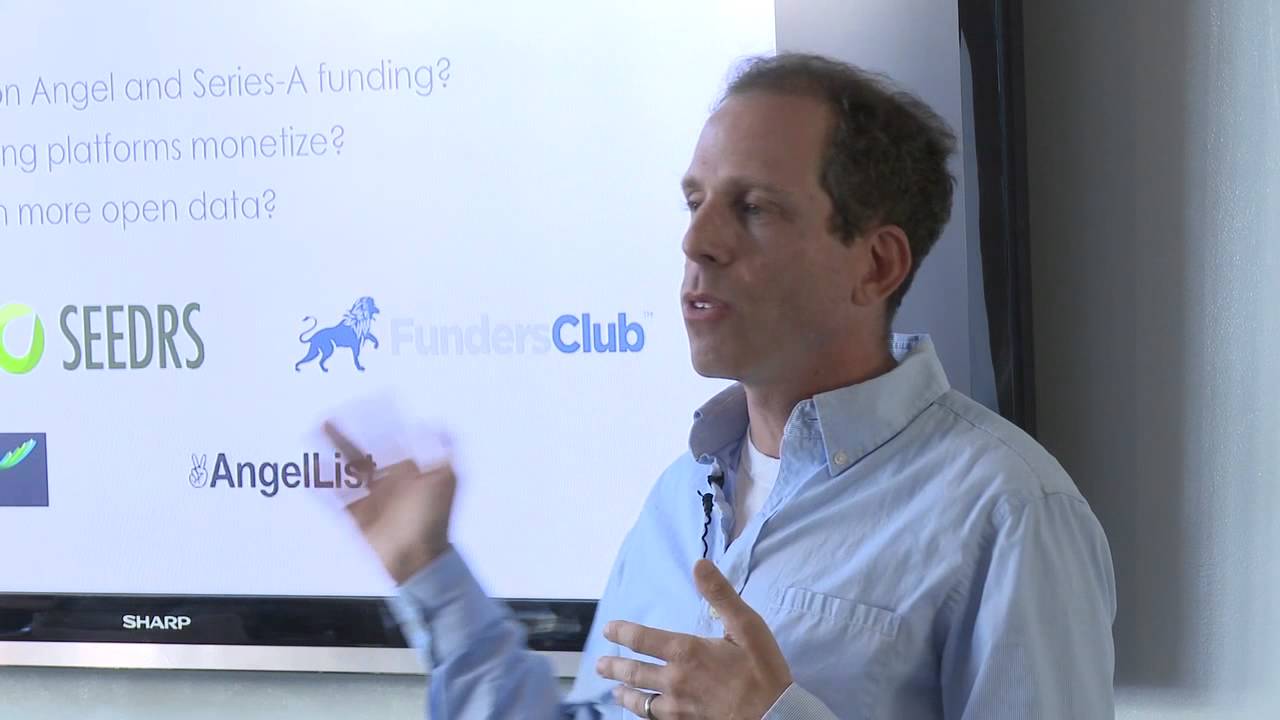
An SEC rule change in September lifted restrictions on public fundraising announcements, letting companies openly seek capital from accredited investors worldwide. Matt Kaufman, Crunchbase's head of operations, explains how this regulatory shift combined with open founder and traction data is fueling equity crowdfunding platforms like AngelList, Crowdfunder, and Seedrs.
Chapters
The next big thing that may or may not happen that's very data-driven is crowdfunding. So, people have been following crowdfunding, SEC changes last week, September 23rd, big deal. So, in case you didn't know it, before last week, before September 23rd, it— you were not allowed to stand up in front of an audience and say, I'm raising money. and I want to sell equity in my company. That's called open solicitation. You weren't allowed to do that because you could only solicit from people who are qualified investors. Qualified investors, you have to meet some kind of threshold of net worth, et cetera, et cetera. But the SEC changed the rules, and it was part of the JOBS Act that was passed in 2012. And so the rules now say, you know what, you can tell everybody you're raising money. You still have to be a qualified investor in order to invest, But now there can be these websites that list hundreds of startups all raising money, and that's AngelList, and it's Gust, and it's a lot of these websites that are out there. Not only are the SEC rules impacting this and really driving crowdfunding, but the other thing that's driving crowdfunding is all the availability of data. I mean, think about it. You might just happen to have a whole lot of money, and you're really interested in investing in startups. If you can't see who the founders are and what they've done before, and you can't see information about traction that their products already had, and you can't see information about all their competitors, you're unlikely to go to a website and commit $50K or $100K or whatever it is to a company. You're just not going to do it. But with the SEC rule changes combined with all this open data out there, suddenly you can have these angel investors all over the world, all over the United States I guess for or this SEC stuff, suddenly deciding that they're going to invest. And there is a mad rush out there to build these crowdfunding platforms. So the big one, the one that I think people know about the most, is AngelList. And what AngelList does is they help people put together groups or syndicates that want to go invest in somebody. But it's essentially— it's crowdfunding. AngelList calls them syndicates, but but it's crowdfunding. And there's a lot of these companies that are doing it. Crowdfunder, Seedrs, Funders Club, they're all big crowdfunding platforms. AngelList is probably the biggest. Gust has been around I think probably the longest. Gust runs the backend of a lot of angel firms or angel groups and they run all the finances and all kinds of stuff like that for them, but they're getting into the whole crowdfunding thing as well.