Why Everything is Tied to Sales | Co-Founder of Tubular Labs, Allison Stern
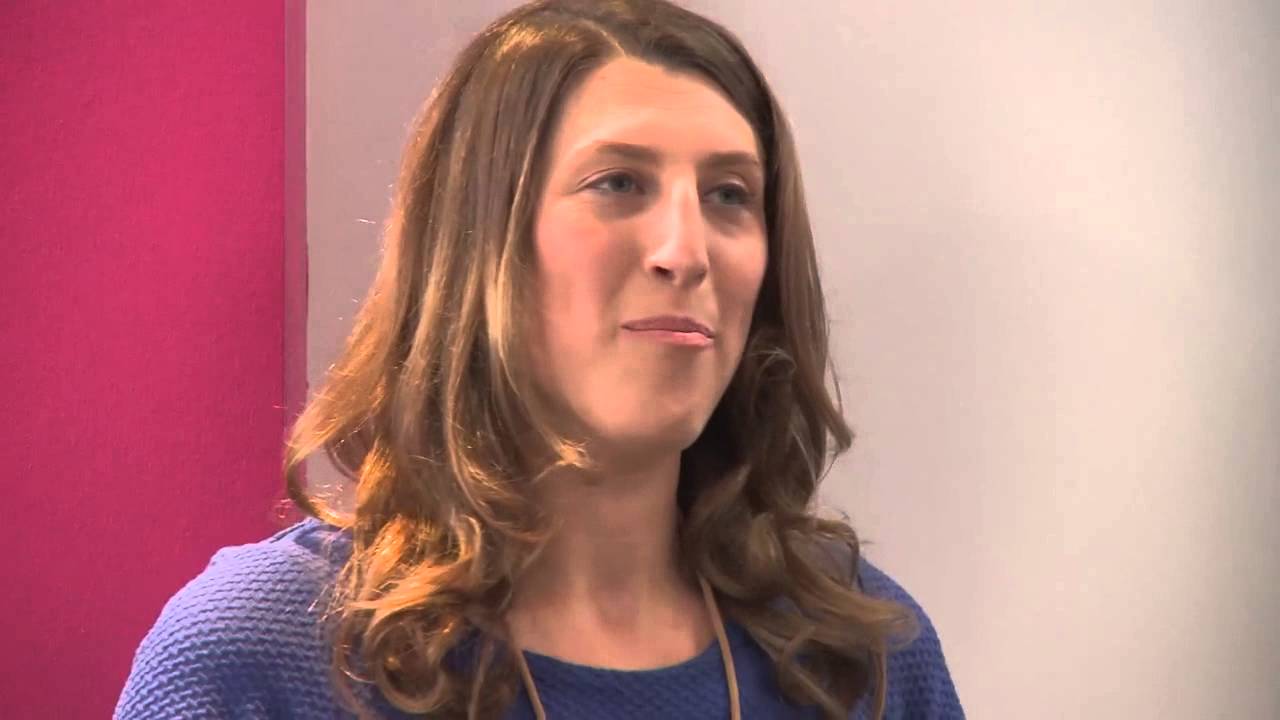
Allison Stern, co-founder of Tubular Labs, breaks startup sales into three stages: hustle, process, grow. She tested demand for office tattoos with a Facebook ad before building anything, then sold an Excel spreadsheet of audience data for $7,000, which became a multi-hundred-thousand-dollar product. Sales isn't separate from your startup; it's everything.
Chapters
OK, advice on sales and marketing in the hustle phase. So I think there's 3 stages of a startup sales— hustle, process, grow. And in the beginning, it's really about creating something that people want to buy. Like, how do you create something that people want to buy? And then it's about scaling your business. So you don't really have to think yet about scaling. You have to think about creating an awesome product that people want to buy. So there's 2 key jobs at a startup— making the product and selling the product. That's literally all there is, is making the product, selling the product. And the thing that's cool is they're actually very intertwined. So you make a product, you try and sell it, nobody buys it, you've got a problem. You make a product, you try and sell it, and people say, oh, I kind of like that, but I don't like that. And you iterate and do it again. And so I think it's really this making, selling, making, selling. that gets startups off the ground. The amazing thing about sales is it's actually everything. I didn't realize this. They didn't teach you this in business school. We had a sales class that was where we did like a simulation where we pretended to sell things. And I was like, oh, sales, like that's— I'm not going to go into sales. That's not what I do. And then I got into the startup world and I realized sales is literally everything. Fundraising is sales. It's like selling your idea. Hiring is sales, convincing people to join you. PR is sales, convincing the press to cover you. Sales is sales, because you're selling. Leading is actually sales too, which is standing in front of a group of people and saying, Tubular is awesome, and this is why. And this is what you're doing, and this is why it matters. And literally everything is sales. And everything is people, which is really important too. So the friendships that you make, the people that you work with, all of that is essential to making a startup go. It's literally nothing without the people. And as I think about Tubular's greatest challenges today, it's continuing to hire great people. That's the hardest thing, is getting great people to join you and to help push your vision forward. So 2 stories about sales. I was thinking, what do I have to say about sales and marketing and advice? And I was like, huh, what was the first thing I sold? I was thinking back on things I sold. And it was probably lemonade or something like that. I always was hustling, selling sodas at parades and things like that. But the 2 good stories— and this may look like it has nothing in common— one is temporary tattoos, the other is an Excel sheet. So temporary tattoos. I actually, a couple years ago, maybe 4 or 5 years ago, I came up with this idea for a business for— it was called Cubicle Tats. It was like temporary tattoos sold ironically to consultants and investment bankers. And so I was like, oh, that would be hilarious. What a hilarious idea to sell these temporary tattoos to office workers. And I was like, huh, maybe that's not a ridiculous idea. Maybe I should actually do that. This is pre-Tubular. Tubular is a much better idea. And yeah, so I was like, huh, I wonder if anyone would actually buy that. And so I made a Facebook ad. I targeted it to all consultants and investment bankers. It said, temporary tattoos to express your style while you're in a cubicle. And a ton of people clicked. People clicked, signed up. I didn't even have a business. I didn't have a product. I literally had nothing. And people clicked on this ad, signed up, and said, Tell me when they're ready. I'm going to buy them. And so literally had thousands of people, probably low thousands. But enough people signed up. And I was like, huh, that was cool. And I moved on. I was like, I'm not actually going to start that business. But I think it's an amazing way— I mean, in the age of websites and social media and Facebook, you actually don't even have to have a product. You just have to see if someone's willing to buy it. And I was thinking of— I saw some of like the profiles of some of you guys and there's something called Romeo in a Box. Yes. Yeah. Lots of good ideas here. So I was thinking, you know, something like that, you know, Mother's Day is coming up. You literally could run a Facebook ad to men who have wives and who also have children with a message that says, you know, want to buy your wife the gift she wants for Mother's Day? something like that. You don't even have to have a product and see who signs up. And so, I think that applies to a lot of different businesses in here. Similarly, there's a Pretty Litter. Me. Yeah. Similarly, you could target cat owners, right? And say, you know, before you even have anything and test your messaging, test what people want to buy. Like, for example, do they want Is it about people who are trying to do something fun for their cat, or is it about people who are sick of changing litter? And those are actually very different messaging, and like what works and what doesn't. And so I think it's a you know you can be selling from day one, and I think selling also inspires the product you create, how you message it, and that type of stuff. So that was a really big learning for me. The other big learning was like fake it till you make it, which is you know if you. You know, you make a business card, you're a CEO. I mean, like, you can stand up there, you can say what you have, you can run a Facebook ad, you can see if people sign up, and you can see if the business is worth building, because you shouldn't go too far down the wrong direction. You should always, like, course correct. So that was an interesting lesson for me in terms of selling. The second— The other piece of that is, like, to know who you're selling to, why do they want your product, and where you can reach them. That's basically the key. So, you know, who are you selling to? Cat owners. Why do they want your product? Really figuring that out. And where can you reach them? Are you going to sell to Petcos, or are you going to sell direct to the consumer? That's actually a very different business and a very different customer and a very different sales process. So I think a lot of you in here either are— anyone who's creating an app is going direct to consumer. But there are some of you that actually have a choice about are you gonna go retail and try and sell to retail and get your stuff in retail, or are you gonna go direct to consumer? Like, for example, like the manicure set is something that could be sold to nail salons or it could be sold direct to consumer. So like figuring out that path, figuring out what people want, how do you message it, very important. Okay. The Excel sheet. Even more fun. So this is the first thing I sold at Tubular. We actually, we actually were creating a product. It was an audience dashboard for YouTube stars. So it was a free product that was out there, and then we were gonna charge them maybe $50 a month for a more pro version of that dashboard. And that was our plan. And there weren't that many people, there weren't that many YouTube stars out there that were willing to pay $50 a month. So meanwhile, I was talking to a media company. And I was asking them, what are your challenges? What are you trying to do? How are you thinking about YouTube? And they said, you know, we really want a list of Every sports channel on YouTube. Is that possible? Do you guys have that data? And I thought, yeah, I do have that data. That would be pretty easy to give them. And I was like, oh, why do you want that data? And they said, oh, we're trying to contact sports stars. We want to know what works on YouTube. Is it action sports or is it football? We want to just gain ecosystem intelligence. And that makes sense. That sounds like it would be valuable data. Huh. Well, you know, it's actually really hard for us to do, and it's not our business. Is this something you'd be willing to pay for? If it's something you'd be willing to pay for, I'd be happy to look into it and talk to the engineers, try to figure it out. And they're like, oh yeah, totally. Totally we would pay for it. And I was like, well, it probably would cost us $10,000. I literally just made up a number. And they were like, oh, that's too expensive. We can't afford that. But if it was like $7,000, And I was like, yeah, I can do that. Yeah, no problem. Sold. And that was the first sale I made. I was like— and I got off the phone. I was like, I just sold something for $7,000. And like printed it out, emailed it over, and that was it. That was like our first big sale. It was like put a dollar on the wall, $7,000 on the wall. And so over time, it wasn't— it was more than Excel sheet. We built out a product around it. And we said, you know what, it's the enterprises that want this data. It's the enterprises that are going to pay. We're not going to build a— we still have a free dashboard for our video stars, but, you know, it's— our business is going to come from enterprise accounts. And, you know, the next time I sold it for $15,000, the next time $20,000. You know, now I've sold deals for $700,000 for more than an Excel sheet, you know, for a real, like, package and offering. And those people are renewing every year as well. So we're selling them something of value. And so it's really just about learning, iterating, seeing what people will pay, pushing it up, pushing it up, pushing it up, continuing to iterate your product, continuing to figure out what exactly people will pay for. So if I had said, oh, we don't have that, but we have gaming stars, they would have said, well, we don't really want gaming stars. So asking enough questions to figure out what exactly people want, and then what is their willingness to pay. That's kind of the key to sales. And yeah, it's, it's worked well at Tubular.
More from Tim


He Sold His Car to Build This Startup, Then Pitched It for $1M 😳 #Startups #AI

This Startup Moves Your Crypto BEFORE Hackers Can Steal It 😳 #Crypto #Cybersecurity




15 Months Without Refrigeration?! This Startup Thinks It Can Go Global 🥥 #FoodTech #Startups



