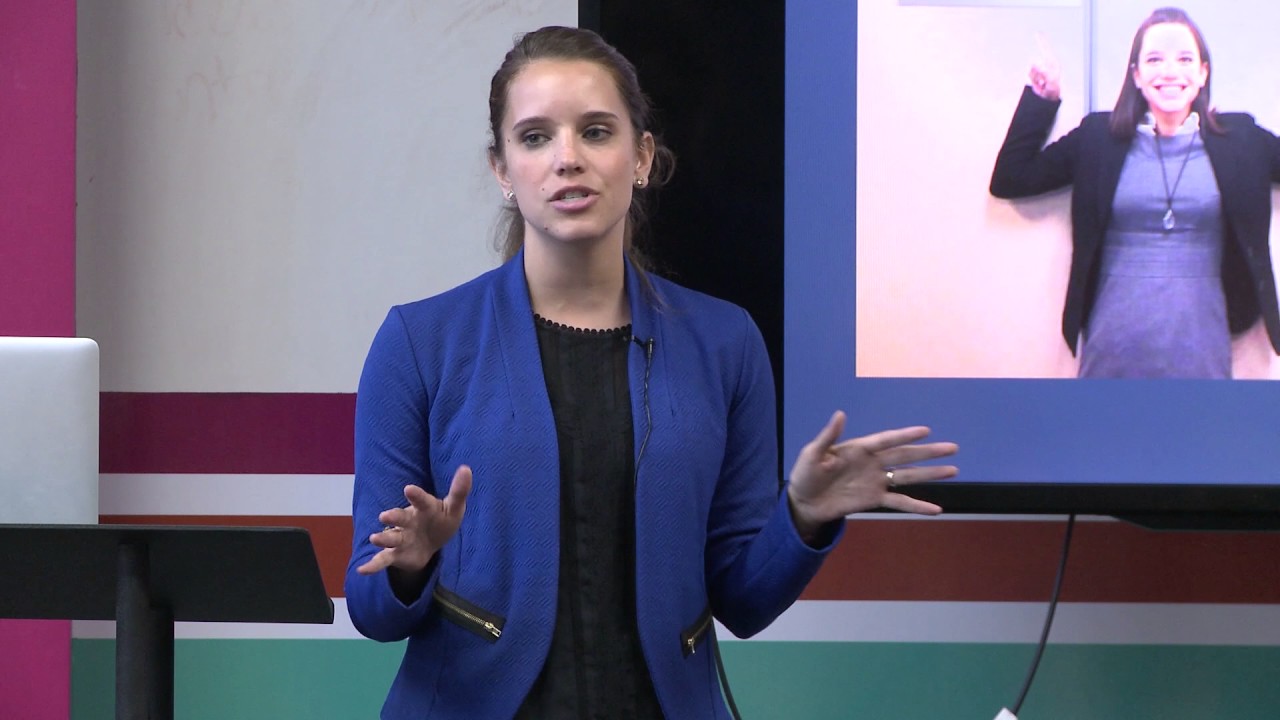
Laura Meyer, who managed the Apple relationship at IBM, breaks down why selling to tech giants is brutal. They demand rigorous technical vetting, endless POCs, custom features, and perfect uptime. You're also educating competitors who might build it themselves.
Chapters
All right. How to sell tech to tech giants. My name is Laura Meyer. That's my handle. You can find my stuff there. And the reason I worked with Alyssa to create this type of presentation for you all is because it's really exciting. And I understand most of you are building companies and working on different projects. It's fantastic once you get something built. And that's really exciting when it's working or that you have something in beta or a demo. But then how do you get to the next stage to meet with clients, with customers? How do you get that? And I'm here to tell you that everyone struggles in sales, but everyone needs to sell. And so I come to you with a non-traditional technical background, and I'll share more about that in a minute. And I understand that you guys have mentoring, you have investors, you have VCs, you have all these resources here, but selling is still really difficult. And especially if you'd go meet with someone from Apple, Google, any of these companies, there are some challenges there. What I'll do over the next 20 minutes or so, please interrupt me like Alyssa said. I love questions and would be happy to clarify things. I'm giving you a general experience of what I've seen. I won't share with you too much detail about Apple. I'm their client exec. I work out of Apple a few days a week and I'm dedicated to managing the relationship, working on projects, and a lot of the stuff I'm personally interested in is in AI and Watson technologies. But everything I will be more general just because of our relationship and everything that's under NDA. So the facts. AI, it's an incredible time. And how many of you actually have been exploring technologies or building or looking at startups doing that? So a few people. Well, it's really in everything coming to date, and the automation is pretty incredible. As you can see here, the M&A history, you're in the 40s and then 30s in 2015. So companies like ours, IBM, are buying up companies like crazy and there's a lot happening in this space. And so here you can see why this would be challenging. It is a stressful environment to be selling in because you have Google, you have Apple, you have IBM, you have Twitter, you have all these companies, Facebook, that are buying up these technologies and what you're selling into. You don't know what you're competing against necessarily. You don't know what they're building. You don't know any of these things. And that's what I'm working in on a day-to-day basis. So this is me. I was really pumped about IBM training. Let me first start off with some background. I came from the events and marketing industry. I worked 6 years in New York City. And in between there, I went to Chile for a little bit, taught English, and worked in microlending. And that really what sparked sparked my career change. I really obsessed with small business development and technology and how that intersects. And so what happened was I decided to go back for my MBA in finance and took information system classes. And during that time, I worked with Brooklyn Bridge Ventures in New York City and got a big just experience in learning what on a small scale companies are doing. And then during my second year for my internship, I took a full-year internship with Colgate-Palmolive working on a procurement technology project. And why all that matters is you need to have a full scope of what small companies are doing in my role and how your competitors might be talking to Apple and large companies. So Colgate gave me the actual experience of how a large-scale project, all the politics, all the headaches you see in making changes in large companies, that's what that gave me. And so I graduated and then I started with IBM. I've been here 2 years and what I've been focused on, I did 6 months of training where they'll go through all the products, a lot of deep intense training on that, and then also sales. And our approach is a consultative sales. I'm a long-term partner of Apple, so I'm only gonna show them something that's gonna make them happy and gonna make me look good and my team look good and help them win. I would never bring anything that wouldn't do that, and so that makes me an interesting partner to IBM because there's a lot of times I say no, there's a lot of times I say yes, we gotta push for this and go. So it's a really fun relationship I get to have. And what these other things show is I've seen really bad demos. I've done bad demos. I've done really good demos. I've gotten a ton of nos. I get yeses. And I've gotten ignored. Plenty of times I've sent messages. I haven't heard anything back for 3 months from someone in particular. It's a hard thing to sell into large companies. People are busy. And they're getting pinged from a ton, hundreds of other people. People, especially if they're in an executive role. But we have one, and we have been doing well in a lot of areas. And so why is selling to tech so hard? A lot of these are really obvious, but they're things to consider when you're about to go in. First, they hire the best of the best. Maybe some of you want to work for these companies one day, but you have to come in and bring your best from your company. And so whether you're a founder, make sure you're prepped in that sense. Or you're with a large company and you have to bring in the right people. You have to prep for that. They do remind you they're the best and why is your technology any good. I have to fight that all the time. There are people building incredible things in these large companies, and you have to really prove out your technology. They're gonna pick it apart. So you better have your best technical people there. And they should pull it apart. They want something successful, and they're gonna invest in your technology. Bring it into what they're doing. That should be the case. They ask for more features from your product. This happens all the time. If you were going to share something with a large company to sell it to them, they might ask for additional features. Are you prepared to commit to that? Are you ready to start building? Any of those things are something you'll have to think about, and there's always a curveball there. They'll demand on-time delivery, integration, continuous uptime. Once you do sell, the actual hard part of sales is the implementation and making sure they're happy and successful. Because you don't want anything crashing on them. They'll ask for a lot of the free things. POCs, proof of concept. Proof of technologies, testing, consulting, and more. Those happen all the time. They're not going to buy oftentimes unless you've proven it out in their environment and integrate with their current ecosystem and technology, and then invest heavily in R&D. You don't know what they're building. So I can imagine if any of you were taking your technology that you've built, you spent years on— in an AI case, it usually takes a couple years— and you've accessed all this data to go present to a company, you risk sharing what you know and just educating and they building themselves, or competing with an internal group, which is definitely, definitely challenging.