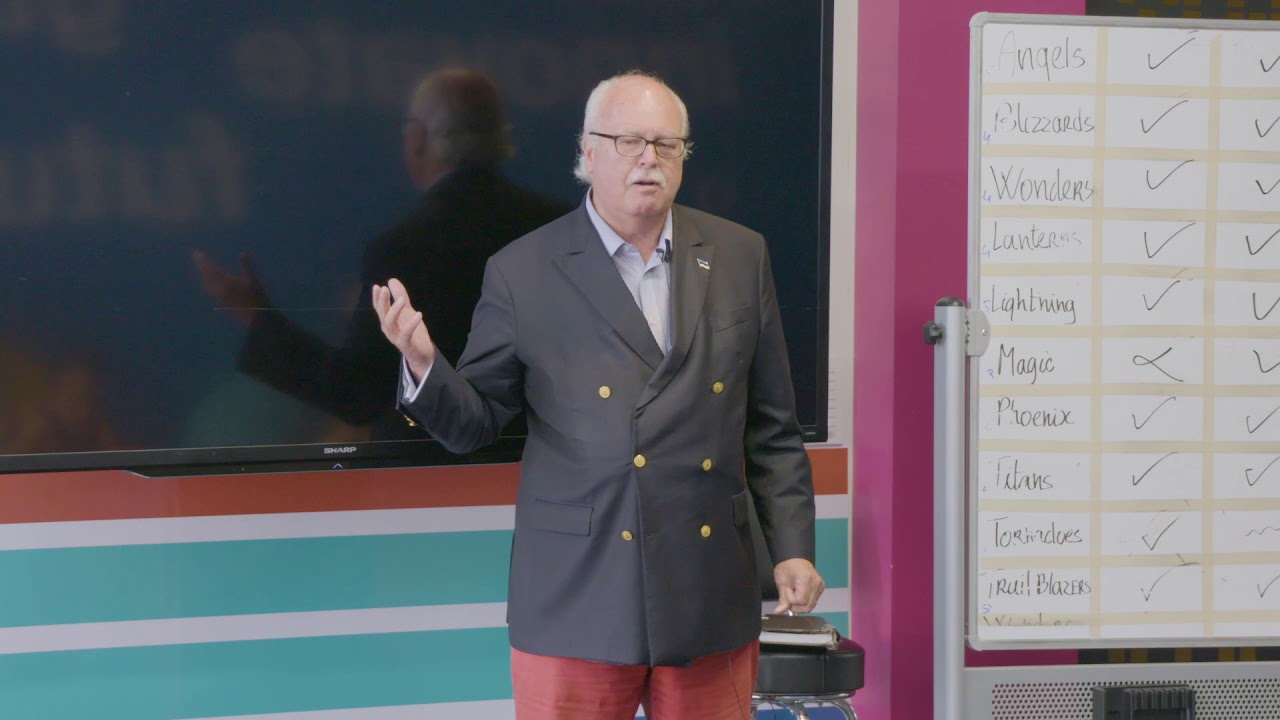
Richard Horning breaks down work visas for startup founders and employees: the L-1 requires a degree or senior role, the O-visa rewards patents and conference presentations, and the H-1B caps out within days each year. He walks through a Nigerian founder's O-visa win and warns that H-1B sponsorship ends with a 10-day departure window.
Chapters
Another requirement, which is usually satisfied very easily, is you have to have a university degree or be in a senior position. And the idea behind the L-1 visa is a company that's founded abroad is going to come to the United States and grow job opportunities and the like. Again, these visas are issued from 1 to 2 to 3 to 5 years. They get renewed depending upon progress. The government, at the renewal time, Wants to know, how many jobs have you added here? So those are the 2— there's a 3rd way. There's a 3rd way to get the right to stay here and work. A little background story to demonstrate this particular vehicle. I had a client who started a company here. He turned out to have been the son of the Nigerian ambassador to the United States. He went to Stanford, graduated with distinction, worked for Bechtel Corporation on dealing with the denuclearization of the Ukraine. In other words, grabbing their bombs and turning them into plowshares and the like. And started a company. And he had some very interesting distinguished backers in this company. Who were they? And one day he said to the board, we've got a little problem here. My visa, his existing visa, was about to run out. We couldn't use the intercompany transfer. The company had been established here. We couldn't use the investor visa route. The only route that we could think of was to get an O visa. An O visa is another category that you might you might qualify for. An O visa is for— the category is described as outstanding individuals. You don't have to be a Nobel laureate or Yehudi Menuhin to get one of these. You have to show that you've done something that's really outstanding. People who have a series of patents to their name, who have given presentations at International Mathematics Conference in Stockholm or whatever. These people have the possibility of getting an O visa. So if you're one of these people, you have a number of patent applications pending, you have some visibility on the internet for doing really creative things, you might be able to get an O visa. So in the case at hand, we started a campaign to get famous people to write endorsement letters for this kid. And we got some pretty powerful letters. He got turned down 2 weeks before his existing status was about to run out. And I kept telling him along the way, don't you have a girlfriend? Don't you have a girlfriend? He kept saying no. So the 2 weeks go by and we have a board meeting and there he is. And I said, well, aren't you supposed to be on the plane? He says, no, I went to Reno and got married last week. So, there is that possibility. If you do that, get married in the United States, however. Don't get married abroad. Even if you have an American girlfriend and you get married in France or wherever, get married here first. The government— again, it's just a detail of how the process works. You're going to have to get married here. You're better off getting married here first, even if you just go down to City Hall and then get on the plane and go have a fancy ceremony in your home country, but get married here first. So all of you who are thinking about the opportunities to grow a company in Silicon Valley, the first thought is, how do I get to stay here? There are— there's one other category that's not particularly helpful. Which is an H-1B visa, which is where you get hired by Cisco, Hewlett-Packard, one of the Indian tech companies, and you work for them. Well, you're working for them. And if you stop working for them, you have 10 days to leave the country or find somebody else to sponsor you. The problem with the H-1B visa is they're numerically limited every year. The applications go in in April. The number of slots is usually filled up in 3 or 4 days. You don't find out until October whether you won one of the slots. So it's not really an attractive feature. Sit down, Luca. Come on, down. Come on, sit down. He'll eventually sit down. But it's a way to get here and drink the water. Some people will come here on J-2 visas, which have to do with educational opportunities as an accompanying person to somebody who's working at Stanford, for example. It's useful, but again, you're tied to somebody else's opportunity. So think about how you're going to solve the problem. Thank you.