Working with Venture Capitalists as a Fashion Company | CEO of Rent The Runway Jennifer Hyman
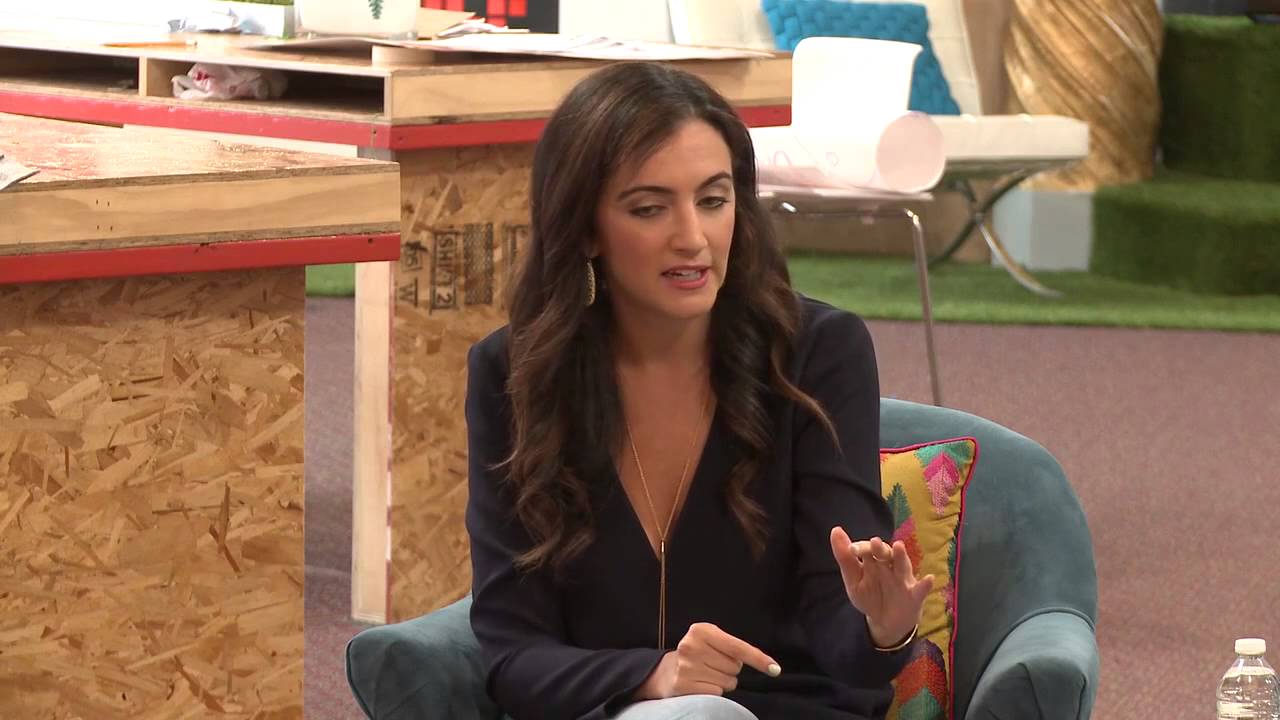
Jennifer Hyman, CEO of Rent the Runway, explains how she raised venture capital by understanding her audience: mostly white, male, Ivy League partners. She proved demand through pop-up events and video, rehearsed her pitch 150+ times, and walked investors through inventory tests and financial models. She treated fundraising like dating, building relationships before asking for money.
Chapters
So venture capitalists. I knew that I would have to raise a lot of money. So angels were really off the table for me. I had to go the institutional route because we needed a few hundred thousand dollars at minimum to buy inventory. And then I needed to hire people. And I needed to hire diverse people. Venture capital firms are filled with a certain type of person. brilliant, highly educated, mostly white men between the ages of 40 and 55 years old. Therefore— and most of them have gone to Harvard or Stanford if you're talking about a top-tier venture capital firm. So therefore, you have to understand who is your audience and how can you frame what you're doing to how your audience is going to think about your idea. So why do you think that venture capitalists don't invest as much in female-founded companies or in companies that are for the female customer. It's because venture capitalists only get to put their name behind 2 to 3 deals per year. And they have to be really, really passionate about those 2 to 3 deals per year that they put their name behind, and they have to understand understand that how they're going to be able to bring value to your idea. So I understood that I'd be facing a major obstacle in that a lot of men who were in the room potentially would think that fashion was a fairly fluffy industry, even though it's the second largest industry on earth. It's one of the few things that we have to do every single day of our life. We have to put on clothes still. We have to eat. We have to put on clothes. $1.7 trillion global industry. So I had to take them out of the mindset that this was some feminine runway, New York, fluffy thing. I also had to take them out of the most important mindset that they would have, which is a woman comes in and pitches something about fashion. I'm going to go ask my wife what she thinks about it. That was the most dangerous possibility for me in the world because the wife of a venture capitalist is a billionaire and she doesn't need to rent clothes. She's not my customer. So I had to preempt my venture capitalists from going and talking to their wives because their wives would never have believed in Rent the Runway. Rent the Runway is for someone who makes a nice salary but can't afford to go out and buy a $2,000 dress every time she wants to wear something new. So what we did to preempt this with venture capitalists is we decided to show them who our customer was. So at every single pop-up that we ran, we brought our— at the time, we brought our video cameras. Because there wasn't video on an iPhone at that point. So we videoed some of our customers at the time, and they saw that the customer was young. She was in her 20s or 30s. She was professional. She was educated. But she was not their wife. So that kind of preempted that major problem from happening. The other thing that we realized is that because we didn't really look the part of the traditional people who were coming in, that we would have to show them how educated we were about the customer and how steeped we were in data. So we made sure that with every firm that we went out to, that it wasn't just about a glossy, fancy pitch. We invited them to come to some of these pop-ups that we had. We invited them to meet with designers with us. that they could see us in action. We went through all of our data and all of our models with them so they could see how analytical we were. So this kind of idea of show, not tell. I can tell someone that I'm analytical and that I'm smart, but that's really never going to be as powerful as seeing me sell the concept in a meeting or seeing me analyze, you know, our deal with our dry cleaner. So that we could actually turn our inventory more times. Right. So we had to kind of get a little bit deeper with our initial investors, that it wasn't about going into their office and giving one final pitch. We realized that this was a process, right? Like, them writing a check is kind of like the marriage proposal. Well, there's a lot of dating that has to happen before the marriage proposal. So we decided we're going to get to know everyone at this firm. We're gonna have coffee with them. We're gonna invite them to a million different things so that they also fall in love with us, and they fall in love with our concept, and they understand they are really passionate about what we're doing because we're democratizing an industry, and we're fundamentally turning this industry upside down. So this whole concept of like know your audience and reframe your message for that audience is unbelievably important. The second piece of advice that I would give related to the investors themselves and the fundraising presentation is to understand how to present your idea in the most compelling way and to present your idea with confidence. I have always been comfortable speaking in public. However, before we pitched our initial seed rounds, I must have practiced with my co-founder 150 times. I had every friend who I had watch the presentation, no matter who they were, to give feedback. What parts were interesting? What parts didn't you understand? Often entrepreneurs make the mistake that you don't ask enough people that you trust to give feedback. Everything's kind of top secret when you have an idea initially, and you only want to bring a few people in. We did the absolute opposite of that. We would ask almost complete strangers if we had found out that they had once worked at a venture capital firm, or maybe they had worked in finance in general. We would have them sit and listen to our pitch and give us feedback. And some of that feedback we would use to modify our presentation, and some of that we wouldn't. But it was so important to just like have it be innate within us. Like, by the time we had presented this 10 times or 15 times, we had memorized the whole thing. We knew what was on every slide. We were so comfortable with it. We had been asked hundreds of questions at that point in time, so like we weren't thrown off our guard. Because you can never be thrown off your guard. You have to be able to respond in a really both confident but also humble way to every question that's asked of you. I think that some— I've heard some entrepreneurs pitch, and what they do is they've memorized to a certain point that if I interrupt you after 30 seconds, and you will be interrupted after 30 seconds in your first pitch, You get so thrown off track that it ruins the rest of your presentation. If you had had 25 rehearsals beforehand where everyone you knew threw blockades in front of you and asked you a million questions, you'd feel a hell of a lot more comfortable getting those interruptions and actually using the interruptions to further your story. Like figuring out, what are the 15 most likely questions I'm going to receive within the first 10 minutes of my presentation? And how do I use that to my advantage and kind of trick your audience into thinking, oh, you had just— you came up with a brilliant response on the fly? Like, I knew that VCs would ask me, well, how many times can you actually turn these dresses? How can we actually make money from this? And we were set with an answer to say, well, actually, the 120 dresses we bought— How many times can you actually turn them? We took 10 of them, we brought them to the dry cleaner, and we dry cleaned each of them 30 times in a row. And we found out that after 30 dry cleans, they still looked brand new. No one had expected that A, we were going to have the answer to that question, and B, we were going to have data that could actually show that we had thought about that in advance and that we had something educated to say about it. The third thing that's really important: when you don't know something, be honest that you don't know it and that you haven't figured that out yet. You don't know the answer. You have to do further research. The very worst thing you can do is exaggerate, lie about something, say you know someone or have a relationship with someone when you really don't, because after this presentation, A ton of due diligence is going to be done about you. So between when I pitched to Bain Capital and when they invested in me, there were probably 80 to 100 people who they either called or they made me meet with to essentially interview with those people. And had I said one thing that was untrue about my own past experience, about my resume, about who I had met with, that would have had— everything would have come tumbling down at that point. Because fundamentally, investors are making an investment initially in you. All of these ideas are a dime a dozen. The idea that you can rent clothes or you can rent dresses is not an innovative, original idea. There have been plenty of people before me who have had this idea. For Rent the Runway. There were boutiques for dozens of years in cities around the country where you could rent expensive dresses. So people weren't investing in the idea. That was maybe 15 to 20% of what they were investing in. They were investing in myself and my co-founder being 2 people who had passion for the idea and who had the humility to understand that there would be so many roadblocks ahead of us, and that we would understand how to iterate as we go, and how to fail quickly, and how to use all of that data to actually build a big business. So the honesty is so important in building that trust and in building your reputation that you're going to be someone that these investors can believe in. and want to put their money behind. And I think that the 4th and last thing that I would say is to really show your authentic passion for why you're doing this. Because there are a lot of smart people out there. There are a lot of people who have data about the idea or who might have a new perspective on an industry. But again, why are you the person who is going to change the world? Why was I the entrepreneur who investors believed in could start Rent the Runway? It's because I felt, via starting Rent the Runway, that there was a larger mission to democratize an industry, that there was a larger mission to make women feel empowered and feel beautiful. And actually, that mission was something that was authentic to me. To all the jobs that I had had in my life, to who I was as a person. And I think therefore investors saw that like there was something that was driving me beyond just building a company. I didn't want to start Rent the Runway because I wanted to be an entrepreneur. I wanted to start Rent the Runway because I wanted to create a new way for women to feel awesome about themselves. And entrepreneurs who are mission-driven are much more likely to be successful and much more likely to make the right long-term decisions because they actually have passion and care for the customer and for the culture that they're going to build and the endgame of what they're going after. I think that if you position this and if you go into investors like that all you want to do is build a company, make a lot of money, sell out, and leave, Why would I ever invest in you? I think every great entrepreneur today— you look at the founders of Airbnb, they are truly passionate about providing people with local experiences and making every city feel like home, changing the way that we live. Travis, the founder of Uber, is really passionate about ensuring that there's a world where we don't need cars. in the future. I think that the most, most successful entrepreneurs are always driven by some sort of mission, some sort of intrinsic connection to their company. And you have to show why you believe in what you're doing and why you're the person who could best go out and fulfill this idea.
More from Tim


He Sold His Car to Build This Startup, Then Pitched It for $1M 😳 #Startups #AI

This Startup Moves Your Crypto BEFORE Hackers Can Steal It 😳 #Crypto #Cybersecurity




15 Months Without Refrigeration?! This Startup Thinks It Can Go Global 🥥 #FoodTech #Startups



