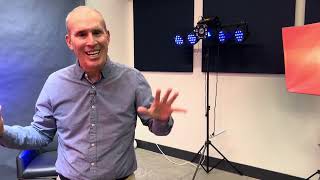
TJ Walker explains why good in-person presenters freeze on camera: biological fear plus lack of specific training. Record yourself on your phone, watch it back until you like what you see, and stop over-correcting your voice or staring at the lens. Free resources exist, and practice works.
Chapters
Have you ever said to yourself, I'm perfectly fine as a speaker, I can give good presentations, but when I get in front of a camera, I freeze. It's scary. Or have you ever said, you know, I'm fine talking to people one on one, Nice meeting. But, oh, when there's a camera there, what message comes out? Well, if that's you, you're not alone. Maybe you've said to yourself, I hate my voice. Well, guess what? Everybody hates their voice. Don't let this stop you. There's a good reason why you're uncomfortable speaking in front of a camera, because you haven't been trained to speak in front of a camera. We are programmed biologically to fear the crowds, to fear the unknown. If you're talking to one person, you can see if they understand you. You can see if they're listening, shaking their head, or if they're ignoring you, staring at their cell phone. But when there's a there, you don't know who's going to see you, when they're going to see you. How many people can see you. Maybe it's three people on YouTube. Maybe it's a hundred, maybe it's a thousand, maybe it's a million. Maybe you say something inflammatory and it just blows up and all of a sudden you're on the big screen, like over here, and you're canceled. So it's completely logical and rational to be scared. But the key is you've got to learn. There's a lot of things in life that you do every day that don't cause you any stress whatsoever. Writing an email, driving a car. But imagine if you'd never had a single lesson on driving or you never had an English teacher teach you how to write a sentence or when to capitalize or put a period. It would be scary if all of a sudden your livelihood depended on driving. You're writing and you've never been to school. Speaking in front of a camera, Speaking to the media is exactly the same thing. You need instruction. Now, truth be told, there's tons of free videos on YouTube. How to speak to the media. There's inexpensive courses online. There are in person classes. And yes, I do have those. But here's a secret. You don't need any of those if you do this one thing, and that is practice speaking on video. And look at it. Got an interview tomorrow. Practice today with your cell phone. Keep looking at it until you like what you see. If you do that, you'll be way ahead of the pack. Now, here's the problem. Most people when they watch their own video, they misdiagnose. They think, oh, my voice is awful, I have to talk like this. And they just make themselves worse. Or they tell themselves, oh, my eyes look crazy, I need to stare right at the camera. That makes them look worse. Or they say, oh, my head's moving too much, I look like a bobblehead. And then they freeze their head. So the danger for so many people is they misdiagnose. And that's frankly why people come to me and to media training worldwide as we guide you through that past. Now, if you do want to improve, start practicing now on your own video. But if you do want help, we are here for you. If you'd like a free consultation call to talk about your specific journey improving your own media skills, then click the link below in the description. I'm TJ Walker. I look forward to speaking with you.