Taylor Swift Proves Why She Runs Her Own Empire
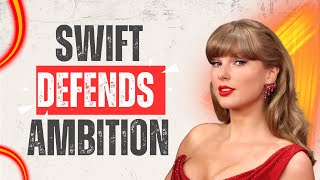
Taylor Swift called a BBC question about marriage ending her career "shockingly offensive." TJ Walker breaks down how her response became a headline, why emotional sound bites get amplified, and what interview tactics let you control what people actually quote.
Chapters
Taylor Swift Fires Back at Shockingly Offensive Questions Taylor Swift isn't here for outdated stereotypes about women and work. During a BBC Radio 2 interview, host Scott Mills asked if the Life of a Showgirl might be her last album now that she's engaged to NFL star Travis Kelce. Swift laughed, then shut the idea down instantly. She said, a shockingly offensive thing to say. That's not why people get married so they can quit their job. Oh. According to Hollywood Reporter, Swift went on to say that Kelce supports her career completely and that her shared passion for performing is what connects them. She added, we both, as a living, as a job, as a passion, perform for three and a half hours in NFL stadiums. Her comments came amid a wave of online chatter questioning whether her happiness might dull her creativity, a debate Swift brushed off by saying she's never felt more fulfilled making music. So what's the real message here? Taylor Swift is media savvy. She has built a fantastic brand reputation for herself. People love her throughout the world. She does it by being very selective in the media and she never really makes big mistakes in the media by saying this was shockingly offensive. She put a spotlight on something, but not in any way that makes it bad. Let's dig a little deeper and let me reveal to you why I wanted to talk about this. Because whether you are a pop star, whether you are a candidate running for city council for the first time, whether you are a 22 year old promoting a self published book, there is a chance you can be on a talk show or a podcast like this one and get interviewed and if there's something interesting there, it gets turned into other stories, it gets quoted, it gets pulled out of the context of the interview and it gets a lot more attention. Now this particular quote, shockingly offensive, she said. Again, I don't think it's really controversial what she said. Someone asked her, are you basically going to hang up your career now that you're getting married? It's kind of implying are you going to get barefoot pregnant and just hang out in the kitchen in a bathrobe the rest of your life? The reporter didn't say it quite like, but that was the clear implication and she rightfully took umbrage at that comment. Here's the point I want to get across to you. Whether you're a tech engineer doing an interview with a tech publication, I want you to have control over what quotes get in the final story. What the attention is. This quote that it's shockingly offensive. That's what got the attention and some News sites like the Drudge Report played this up like it's a big controversy, like she's outraged. No, if you listen to the whole conversation, it was sort of laughed off. My message to you is I do want you to realize there are certain speech patterns that will get you quoted every time, whether you like it or not. And I'm not saying it's bad that she was quoted saying was shockingly offensive. What I am telling you is she should have expected it. You should expect if you attack something, anytime you attack something, the media love it because it's controversy. Controversy sells. It always has, it always will because it's an implied attack. Attacks are emotional. People like to talk about what's the best beat to be on if you're a reporter covering war. That's how people get their reputations. What's the second best beat to be on if you're a reporter? A report national political campaigns because you have people attacking every day. So controversy is good for the media. They like it, they will give you attention. So by saying something is offensive, regardless of whether it is or isn't, regardless of how extreme, makes it more quotable. When you say something is shockingly offensive, you're putting an emotional component, you're putting an enhancer. So it's an attack, a second attack. And it's putting in personal emotion. So you essentially have three sound bite elements in one word. Now, did Taylor Swift plan this? I seriously doubt it. Is it anything that will hurt her career in any way? No. She doesn't even have to do press. She has such a legion of fans around the world that will buy anything. She could put out an album of 60 minutes of silence or about somebody ringing a cowbell and she'd sell a billion at this point. And I'm not suggesting her newest album is of that quality. I'll leave it to others to criticize her music, although I do listen to it a lot because I have a 12 year old daughter and that's what gets played in our house. My point is, for many of us who don't already have a fan base of millions, we really want our media attention to put a spotlight on exactly what we're talking about, our messages. If it is a book that no one's ever heard of and they haven't heard of you, you don't want them to focus on some controversy unrelated to the book. You want them to focus on what your book is about or what your startup is about, or why people in reading that publication should invest in you. So I want you to have control. So part of why I'm here for this show, what's unique about this show is I take you behind the scenes of what's happening in the media, how top celebrities and I do, I do not work with Taylor Swift, but I have worked with major singing stars in the world, recording artists and Hollywood stars, presidents of countries, prime ministers. I coach them right before they go on these interviews to figure out, okay, what's our message? How do we get the exact quote we want? So part of the skill is planning in advance how to either add an attack, how to add emotion to your key point, how to add an analogy, add a cliche. These are all things reporters love quoting you on. But the other half of the battle is figuring out what not to say so that you don't get quoted off message. So I'll tell you what Taylor Swift should have said. If she didn't want this to be the pull quote, the headline, she could have simply when asked the question, and I'm paraphrasing Taylor Swift, many of your fans are concerned this will be your last album because now that you're engaged, you'll be getting married, having kids, and you'll be staying home. She could have simply chuckled and said, I am so grateful and happy to have a partner and who fully supports my career as much as I support his career. And we both love performing in NFL stadiums in front of 100,000 people. And that's going to continue for years. If she had said it that way, then we wouldn't see all these quotes about how she's shockingly offended and this big, big controversy and she might have gotten more attention on her album. Now, I'm not saying she made a mistake. Those of you saying, how dare TJ criticize Taylor's not what I'm doing. I'm simply giving you an alternative path to help you have more insight for when you are planning your own media interviews and you're preparing on how to get the exact quotes you want. There's nothing wrong with controversy from time to time, as we've seen, some of the leading political figures, most successful political figures in America today, don't follow the old playbook of control your message, control your message. It is possible in at least one political party to say things off traditional messages with the idea of constantly generating more and more and more controversy to get more attention, to get people to focus on you, regardless of what the message is. That can sometimes work for celebrities as well. Now, Taylor Swift is, I don't want to say notoriously because that has negative connotations. She is known for. For having a pretty strict regimented media control system. She's just not one of these stars who just does 200 interviews before every new release or every new tour. She does, like, control. And you know what? It has worked wonderfully for her. I am not in any way suggesting she's done it wrong, but I do want you to learn from what you see in the media and understand why it's happened. When you see a quote like shockingly offensive, it's not because reporters or editors are against Taylor Swift or trying to make her look bad or anything else. It is simply the structure of how edited media stories are put together. And I can tell you it was consistent when I started my career 40 years ago. It's consistent today. I work in countries all over the world. It's consistent in the Middle east, it's consistent in Asia. Doesn't matter what language, doesn't matter what industry, doesn't matter what sort of media outlet. They love attacks. They love sound bites that involve attacks, motions, shades, examples. That is fundamental to human storytelling. It makes the story more interesting. And that is why the reporter is going to quote it and editors are going to pull it every time. So please keep that in mind before your next mediator.
More from TJ








You're Not Being Judged on Your Work Yet: What New Hires Are Really Evaluated On


