Around the Horn - Episode #7
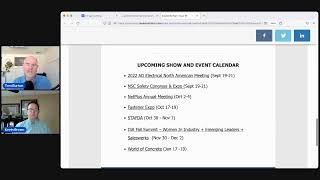
A recorded conversation (Around the Horn, Episode #7) between Tom Burton and Kevin (published Sep 3, 2022) covering: the 3M earplug lawsuit and associated brand/reputation risk (they cite ~220,000 lawsuits); Amazon's growing role as a third‑party logistics/fulfillment provider and how that affects distributors and manufacturers (mentions Zoro/Grainger and Shopify); and the importance of building an orchestrated technology stack (ERP, CRM, marketing automation, WMS) and capturing first‑party and zero‑party data to drive revenue, analytics, and valuation during M&A activity. The hosts also note practical examples (CRM driving sales productivity) and upcoming industry events (ADS North American Meeting, National Safety Congress).
Chapters
We are live. Hello, everybody. Welcome to episode number seven of around the Horn. Kevin, good morning.
Hey, Tom. Great to be with you today. Good to see you.
Boy, we missed last week and the world pretty much collapsed, so.
Yeah, yeah, I'm sure, sure people there. The earth stopped revolving for a moment. I had to be out with a family emergency. So appreciate everyone's patience, especially yours through that. But here we are today, kind of getting caught up again and talking more.
Yep. So. So let's jump in. I know we got a few different things to talk about. I'll go ahead and.
Yeah. Sliding in the holiday weekend here. So Happy Friday, everybody, and glad you're with us.
Kevin, you got a little blurry again.
Oh, how about now?
Now it's still blurry. Maybe that's your best look.
Let's just keep going.
Okay.
On my end.
All right. I'll make you smaller so you're less blurry. So where would you like to start today? Where would you like to. Kind of.
Let's just move through the stack here, right?
Yeah. And before we do that, anybody who's watching, of course, if you have a comment or a question or whatever, be sure to drop it right in the comments and we'll try and handle everything that comes along. I know in the past we've had some really good questions and comments here.
Yeah, I think that's great. The other thing too, Tom, is, you know, we're. We popped up on the screen here. We have our, you know, our around the Horn newsletter that goes out every Friday morning. If you're watching with us today and you're not receiving that, just either LinkedIn direct message in the chat here, whatever it might be, let us know. So we make sure you get that coming out to you each week. But anyways, you know, the first thing we posted today was just kind of an update to this, this, call it ongoing saga, so to speak, with the three M's going through. And I wanted to preface, as we talk about this a little bit, you know, that the discussion of this is not at all meant to, you know, throw stones at 3m and be negative about this difficult situation that, you know, both sides of this lawsuit have. You know, we've got some good friends that are supportive of our company at 3M. We've got, you know, long, long standing personal friend of mine was involved in the sale of that company that made those earplugs. So, you know, the. The thing that I wanted to kind of point out, but as that article really talks about, is that there's two, I think it's 220,000 lawsuits right now against 3M over a little piece of foam, right? And that little piece of foam has, you know, clearly it damaged people's lives and so mostly military veterans. But what I wanted to talk about a little bit, you know, we, we talk a lot about marketing, you know, within our organization with a lot of the people we're engaged with. And you know, when you start talking about marketing, right, and then as marketing relates to sales, then there's this whole brand issue. And, you know, I'm just looking at this whole thing that's kind of turning into a big debacle and wondering, you know, the idea about just getting out in front of bad news, you know, when you know about it or you know something's wrong. You know, obviously it's harder when you're a, you know, multi billion dollar international company and all the lawyers are involved. But so much of this to me almost seems like, you know, again, not being an insider to this, it just seems like they could have gotten out ahead of this a little bit better. Some of the comments I'm seeing from some of the lawyers are, you know, on the 3M side just probably aren't making people feel good. And the dilemma is, right, is again, I'm not trying to throw rocks at anybody here, but the reality of it is you got a brand that's a consumer brand. We've got people that are involved in our world here in wholesale distribution who sell those products as well on the B2B side of things. And there's a black eye coming out of this that's going to be, forget about the financial side of it. There's some brand damage that's going to come out of this. So we'll keep watching it. I was interested in what your thoughts are and having read some of this.
Yeah, I mean, it's, you know, brand, right, Is. And Obviously somebody like 3M, I'm sure part of their mindset might have been, hey, we're too big to really be tarnished too much. But I don't know that that's true. And I think today when there's so many choices, right, you have so many different options. There's a lot of competitive choices. And I think generally people want to do business with companies they really trust and they have goodwill with. So I think more than ever, that's a driving factor and things. So obviously time will tell to see what the real impact was or this will kind of, you know, just go away or, or whatever. But I do Think to your point, it's really important to protect your brand, not just because of the brand recognition aspect of it, but that trust that comes with that brand is becoming more and more important and more and more important than buying decisions. Right. So it's no longer just a PR issue. It can, it can trickle down and have an impact in buying decisions. And, you know, I think that's where the real risk can start to come in.
So, yeah, I think that's a great point. You know, two things coming to my mind with what you were discussing about being too big. Right. I think there was a, you know, Dave or Goliath thought that the little shepherd boy was, you know, no match for him, and that didn't end well. Right. And then it makes me think too, as you just were describing that, a comment that I've heard for my entire 18 years of marriage from my wife is, what, what price are you willing to pay to be right? You know, and so that becomes a, you know, you got to look at those things as we're looking at the bigger, greater good. So we didn't want to spend too much time on this morning, but I think all of us, whether you're a wholesale distributor, you know, you're on the supply side of things, maybe a manufacturer, technology companies, we all have, you know, brand equity that we're either building and, and. Or continuing to build and trying to maintain and, and how we manage that, and the words that leave our mouth or people that represent us, mouths, they can have some big impact in the marketplace. So we can kind of jump ahead. But that was my thoughts on that for the day.
Okay. No, let's see.
We just kind of scroll ahead. You know, obviously we see that with the manufacturing data is. Look at, look popular, positive again. We got job report this morning came out, but I didn't look at it. Did you? Let's see the jobs reports that came out this morning.
Yeah, it was good, but it was kind of a. It was. It was good but not great. And, and. And the market likes that. Right. You know, a lot of times good news is bad news to the market because if the economy is showing that it's stronger, then, you know, the market freaks out about continuing interest rate hikes. I think it was. It was kind of right in that middle, you know, kind of the. They sometimes call it the Goldilocks report. So it was not too hot, not too cold. And I haven't looked at the market since early this morning, but I think it's responding well. So anyway, you always tell Me don't.
Look at the news.
So I didn't, I don't look at the news. Yeah, it's like too many things to do.
Yeah, good. Well let's kind of jump ahead to this, this Amazon topic that we have here. And you know this is just kind of an expansion out of the, the whole discussion of Amazon offering a lot of different services. But the reason I wanted to chat about this a little bit today was really tied to the, the overall focus of a need for focus in E commerce in wholesale distribution. You know, all of our friends, whether it's at the Distribution Strategy Group or Modern Distribution Management and a lot of these other groups, plus a lot of the consultants, Brian Beck, our buddy and some of these guys, you know, that are continually talking about expansion of E commerce. It's kind of interesting to look at and talk about related to the wholesale distribution world. And you know, Amazon is just saying that they're offering some additional services where they can literally, you know, while they've been historically for you know, either major brands or smaller companies, they've been kind of a, almost a third party logistics company for them. But everything being sold there, well now they're starting to offer these additional services where they can help people with, you know, storing inventory for them and fulfilling directly to their customer outside of the E commerce world. And it's just kind of interesting to see, you know, we've got, I, I heard in fact you know, little plug to Jonathan and Ian at the Distribution Strategy Group. They did a great interview a few months back. If you haven't listened to it, it's worth going back and listening to. But it was with the CEO of Zorro and you know Zorro is the industrial supply e commerce company that's a division of Grainger. Really doing some great things out there and they have this really neat kind of markets. It's not quite a marketplace solution but they can partner with the smaller regional local distributors who can help them fulfill. Still good margin in it for those great interview that Ian did. But with that we're just seeing more and more of this. So I think you know, now Amazon saying we're not just going to be this fulfilled by Amazon. You and I have both had experience of selling through that our families have and close friends have besides us as well. Good, bad sides of that we know but Amazon with you know, increased labor, interest rates, all of the things going on out there right now, they're needing to find new arenas for, for profit centers and now they're basically into the 3 PL third party logistics scheme.
Yeah. And you know, there's been quite a bit of talk off and on, on Amazon, on this, related to Amazon on this. But you know, and what if you kind of peel the onion a bit? What you hear is Amazon's most of their profits comes from that logistics and that distribution part more than the actual financial transaction. So if they can become the de facto standard for most of that three, you know, that logistics that you just talked about, that's great for them and a way that it does that is enabling other companies to have their own e commerce and have, you know, because obviously when people buy on Amazon and all of that stuff, you're to a degree losing control of your customer. You don't have all the customer you would want. So if Amazon continues to enable businesses in this world to do their own e commerce and handle their own transaction, but then handle the fulfillment, everybody wins, so to speak, on the whole thing there. So we'll see how this plays out.
But no, I think that's actually a good viewpoint of that and I think the takeaway from this is you got Amazon, you got Zorro. I'm sure we're going to start seeing a whole lot more of this, you know, with a Shopify. Shopify is expanding out all of their solutions as well. We've got the existing e commerce players that are kind of household names in the industrial world. We were talking about this earlier this morning. Our friend Rohan from Upstart works in Chicago. You know, they manage the online sales for many, many large industrial related brands and even some consumer brands and they've been opening warehouses as well to service their customers better for the e commerce initiatives that they have. So, you know, I guess the big takeaway today for folks in the whole wholesale distribution arena is if you're not focusing some energy on top of the whole e commerce world and, or maybe even you are, but you're myopic in. I bought a solution. I have a warehouse or two and I'm shipping from there and open that vision up of all of the different things that are available to you from Azoro and Amazon and others that'll be coming in as well. So. Yep, good.
I just think it, it continues to open up more channels. Right. Omnichannel distribution, if you want to call it that.
Right? Yep, exactly right.
All right, so we'll move ahead here.
Yeah, so there's, you know, we kind of jump into some industry stuff. We always try and populate, you know, with, we try and do things in threes here. How we're how we're doing them for a space. But you know, if you're you know, deeply in insight, one deep insight into all the M and A that's going on. Lots of good resources out there from great one is, you know, naw and or mdm, Modern Distribution Management, they do a nice recap. Tom Gale and Mike Hockett and those guys over there do a nice job of that. But we always try and show a few things going on. A couple acquisitions that we talked about in the here as well. So it's a real positive. But what I wanted to kind of trigger on today, it ties in a little bit more kind of to, you know, to our business with our company Lead Smart and our product that channel cloud software as we look at SaaS software. We've talked about that quite a bit, you know, over the course of these last, what is it, seven episodes now. But I wanted to talk about this a little bit even less about the, the acquisition that was done here. But the, the stuff that's going on behind the scene with it. You know, we work with a lot of both distributors and manufacturers in the wholesale distribution world. What we see is really a mixed bag. We see regularly some companies that are forward thinking, they've got a nice technology stack. When I say stack, I mean a ERP system, a marketing automation system, perhaps a warehousing system and a CRM system that ideally is kind of the center of all of that where they can visualize things as kind of their true north or their compass. But we also see the reverse of that. We probably see the reverse much more often. Right. Which is a, maybe a, I don't want to say antiquated, but certainly not state of the art ERP systems. You know, companies that still have a server closet down the hall with paying third parties to, you know, work on that, not necessarily having embraced all that's available for them from the cloud. And there was just, you know, we've talked a number of times recently about the growth of SaaS technology or cloud based technology. And so I kind of wanted to talk a little bit about this and unpack that a little bit and talk a little bit about tech stacks and some of the data and getting access to that. I know you've got some far deeper insights than I do on the value of data and so forth.
Well, I think there's two things. So first of all that word tech stack, right. I agree with you that there are definitely some companies and when I think of the word tech stack, I'm thinking about A set of technology that has been strategically put together and aligned to accomplish together a business objective. You don't have individual products that are off doing their own thing. You have products working together much like an orchestra. Right. It's kind of an orchestrated technical solution. And a tech stack to me is an orchestrated solution of those things. And what we're seeing is companies that have bought a lot of technology, but it's certainly not orchestrated. And, and it, and it's a shame because one plus one plus one can really equal ten if it puts together the right way. And we see that all the time, right. We had a, you know, a customer last week or a week or so ago, say by doing that, it was a quantum shift in how they were running their business. So I, you know, what I, and so I want is, I've seen even this week and talking to quite a few prospects and customers is you're paying for a lot of this technology, right? People are paying for a lot of individual technology, you know, software or whatever, but they're not getting even. They're not getting not only the mileage out of those individual products, but they're not getting the potential real lift that they can by making those into a tech stack. So we helped build a couple of tech stack architectures this week and it was so obvious to see that one plus one plus one plus, you know, the end of it is more like one plus one plus one plus one equals 20. Because there were like seven different individual technologies that we said, let's align those a bit more and look how more we can, we can get out of this. So if you have a lot of point product, you know what I call point products, individual pieces of software or technology, and you don't feel like you're getting your money's worth out of those, you know, that's where you can really benefit by kind of thinking how that tech would go. So anyway, don't get me started.
Yeah, I really like what you're saying about that. And it, because it really ties in. Well, you know, and as you talk about those point products, what it really makes me think about is, and we see this all the time with lead Smart Channel cloud customers is they've got, we use the term oftentimes, silos, right? And silos are dangerous if they're not managed properly. Sometimes you need them. But typically silos come out of a mistake where you have ERP data, You might have manufacturing or warehousing data. Outside of that, maybe you have a data warehouse for sources of data. You have A CRM, you have marketing automation. And what happens is there's disparate sources of data there that when you don't have them built into a tech stack as we describe it, where you're integrating that data or at least understanding by design what's in those, that's where you miss that. As you describe, one plus one could be 20, not two. Right.
And there's. So there's two parts of that. There's the leverage of the functionality of the software or the technology. So how do you get more out of the functionality? By aligning it in a tech stack. And then the other part of what you're saying is the data and the analytics that now can come about from a orchestrated tech stack, both of those two things together are really exponentially a big improvement in a lot of organizations and doesn't have to caught. It's. It's actually costing you probably less than you're paying today for individual point solutions.
Yeah.
Because even what we find is when you look at the tech stack, there's a lot of optimization that even can be done on what you're paying for and all of that stuff and you're going to get a much better benefit on that.
Yeah. What's it's interesting is you describe that. Right. Because. And just kind of reiterating, there's, there's a whole lot of people that say I own these softwares. Right. Pieces of software. And you made a comment. We talk about, I think when we've done our introductions in the past. We've been friends for well over 50 years now and I've watched your career in technology and I've had my career in distribution. But as we came together a number of years ago to build our company, you made a comment very early on that I share with people all the time. Here's my. I think this is actually my second compliment for you of the month. So you're over your quota. But the. Yeah, the. You made a comment and you said companies want outcomes, not more software. And, and I believe that's true. I think there's also a large group of people that haven't even got to that place yet that just say well, we've bought things. I have a call scheduled next week with a, a national distributor. Great friends there. You know, they've got all of these tools, some of them are integrated and some of them aren't. They have a CRM that they're very happy with. But I offer to spend some time to help them with adoption and kind of what they're doing with it with the people that are running the show from that. It's not that they're doing anything wrong per se. Right. That's not at all the case. The question is, are we maximizing the efficiency to drive revenues from this tech stack? Right. Because if you're not driving revenues out of the technology that you have, you know, of course you need an accounting system to run your business. But the data that comes out of that accounting system should be feeding other systems information so they can bring that together to help you get. You know that article that we posted this morning used the term visibility. We use the term all the time in our business where we talk to people about visibility and accountability. Right. When your data is spread in lots of different places, there's a struggle for you to really optimize revenue driving revenues from that. And that's really what we try and encourage people to do. Tom, we just, we're kind of going along here, but I want to take, take two minutes if you would and talk about a little bit some of the stuff that's going on with, with the value of data when it comes to marketing. Because I think this would be valuable to people that might watch be here with us today or watch the recording. Because you know, in these disparate systems that we have across companies, there's an immense amount of data. And what most people that we talk to don't recognize is including other technology companies we talk to don't recognize the value of what we refer to as first party data and what that can really do to help exponentially grow their business.
Yeah, boy, that sets a lot for a two minute thing. But you can, yeah, I mean, so there, there, you know, just say that there's two categories of data that you want to be thinking about. First party data is data that is your own data based around customer transactions, interactions. It's more transactional in nature. So you're understanding the interactions and the transactions that your customers are doing and then you want to use that data to have insights becomes an asset in your business. Second area, which is just starting to get some visibility is what's called zero party data. And zero party data is an extension of that, but it's where you actually have some real like let's say you have a conversation with somebody. Well, you want to track. You know, like we do a lot in our zoom calls, right. We have that note taker. All of that information that's in that conversation is valuable information. The key here is zero party data is kind of taking first party data to that next level where you're actually getting true information and conversations and feedback from customers and even your customer support tickets and all of that stuff, and then be able to use that zero party data combined with that first party data to really have insights into your business. Now that sounds overwhelming at first, like, oh my God, what the. But with the technology that's coming out today and the things that can be done with AI and that type of thing and how that's rapidly expanding, the speed of which you're going to be able to really economically and really simply be able to exploit and leverage that data is coming and continues to come. So the point of all that is don't be throwing that data away. Right. Even if you're not ready to use it right now, start making sure that you have a way to start putting it together so that when you are ready to use it, you have more because it's an asset. And companies actually are being valued. And especially in this industry, we're starting to see that when, you know, PE groups or other, other groups are coming in and looking at acquisitions, they're looking at your data strategy as an asset to your multiple and to your valuation.
Right.
So anyway, now is the time to be thinking about that.
So I think, I think before we jump to Andy's comment, which I want to talk about in just a second, we appreciate that this morning is you talked about PE groups and others during acquisitions. Looking at that.
Right.
You know, and I'm actually going to throw this question out to Andy because Andy probably gets with their company, probably gets hit up by PE groups all the time. But he's also been on an acquisition trail for the last few years is, you know, the vast majority. This whole data discussion is common knowledge. It's kind of everyday discussion in the technology world, but in the wholesale distribution world, I, I'd kind of jump out on a limb and suggest that, you know, if you had a data strategy right. When you started talking to PE groups or an acquirer, they may fall off their chair to see that. Right. What a great asset to you. Yeah. Driving evaluation.
Well, and I. And again, again, we could probably have a whole episode on some of this stuff, but I was having a conversation earlier this week with a prospect where we were helping them with their tech stack like we were just talking about. And the light bulb that went off is they were like, oh my God, if we did this, our level of sophistication would be so much greater than our competitors. Yeah, we can use that not only to acquire more customers and to be, you know, a big value add to our customers. But our company has that much more valuation and that much more, you know, associated with it because of the level of sophistication. Yes, I know data sounds intimidating, it sounds horrible, it sounds tedious. It doesn't have to be. And there's things you can do really easily to start, if nothing else, gathering that data and not throwing it away. Right. We're having it so messed up that it's unusable and, and then move in that direction.
So, yeah, I wanted to just before we jump here is, you know, we did a session a couple months ago with NetPlus alliance for their members on kind of making that whole digital transformation easier. We've got it coming up this fall and into the first quarter with all the different groups within affiliated distributors. But if anybody wants to even have a chat about that, reach out to us, you know, it's, it's free to have discussions, so we're happy to do that. But let's kind of jump to Andy's comment here. Do you want to look at that or address that, Tom?
Yeah, so let me just spoke to a large industrial tool supplier in the industry last week with hundreds of sales associates and they've seen a 2025 with engage with CR. Yeah, that's, that's awesome, Andy. We see similar results with people and this is not, we're hitting these topics that we could easily have a whole half hour conversation up. But this is not about, you know, the sales associates logging their activity. Oh, I made a phone call or I left five messages or whatever. It's again, kind full circle to what we're just talking about. It's using the data and the analytics and the intelligence that can come from that CRM. I, as I said to somebody yesterday or the day before, it's like you have a flashlight, right? The CRM should be a flashlight to help you, guide you through some of these things and open up and provide visibility in places that you wouldn't have that. When you have that, it doesn't take much to drive those sales way, way, way higher. It's great to hear, Andy, that you're seeing that out there as well, because we're seeing that as well. But that's not going to come just because, hey, I logged in, I logged a phone call or I said I sent an email to somebody. That is not what we're talking about as it relates to Steve.
You're exactly right. You know, and that's, we have a large manufacturer kind of A household name in the. In the industrial distribution world that uses our product. And you know, they know. Right. For their direct sales team that works with distribution. They know how much time they want them to spend at the end user and specific things. They want to track what they're doing at the end user versus with distributors and what they're doing with distributors. So again, to your point about. I called Joe Smith. Joe said he loves our product. That's right.
Left a message. Right. I left 55 messages today or whatever. That is not going to be really useful.
It's.
Other than maybe you need to change your sales strategy. But that's.
But when you say I spent this amount of time at this distributor with this activity that we know drives revenue, whether it's product training or whatever it is, when we start managing that. And within Lead Smart, we just, we have a whole center. Right. You click the activity center button and you go in and there's your dashboards and reports about how are my people spending their time. Right.
Sure.
And I can see the anomalies that I might need to make changes to. So thank you, Andy. Love that you shared that because what you described or what we're seeing, I hope Mallory's getting some similar results out of their system. But I'm going to see Andy in a few weeks at the National Safety Congress in San Diego, hoping to join him for a meal. And we'll talk about that a little bit further. Wanted to talk about one last thing, Tom. If you could bring back up the newsletter from this morning before we wish everybody a great weekend. Scroll down a little bit. We've got these upcoming industry happenings. We'll be updating that before next week's event. But coming up in just a few weeks is ADS North American Meeting in Denver. I believe it is. And. And then a big one that a lot of people are attending and I know a lot of people that are with us today are is the National Safety Congress in San Diego. I think this will be my 30th out of 33 years in my career going to that event. I skipped one early in my career and I skipped one because of co. Actually this will be three I've missed. I've skipped two because of COVID But be back in San Diego. You've been to that show a number of times tomorrow. Great event to see good folks. So we'll be updating this more. But take a look at this if you read our newsletter for upcoming events. So, Tom, for me, that's about it. I wanted to wish everybody. A fantastic long weekend. I'm sure I'll be chatting with you over it like normal, but it's good to be back with everybody today and we appreciate them being with us.
Yeah. And I think we're going to have some really good guests now that summer's over and. And stuff like that. We've got some really good guests coming up, I think, for our Fridays, so. Yeah, looking forward to that. Yeah.
And I don't know if you can hear it, but my dog Cooper would like to be a guest.
Yeah, you might need to go find the UPS guy, so. All right.
Have a great weekend, everybody.
Thanks, everyone.
More from Tom



What does AI actually mean for a wholesale distributor #WholesaleDistribution


If your systems don’t talk to each other, your AI won’t either #AITransformation




This is why one AI agent isn’t enough for high-stakes decisions #WholesaleDistribution

