Around the Horn in Wholesale Distribution, Episode 122 #wholesaledistributors
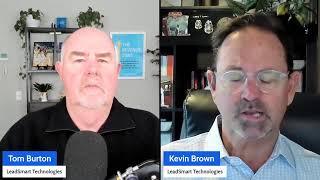
A recorded conversation (YouTube podcast) between Tom Burton and Kevin Brown focused on news and trends affecting wholesale distribution and manufacturing as of early January 2025. Topics covered include U.S. budget transparency and political activism, tariffs and sourcing away from China (including Mexican tariff actions), port labor/automation risks, manufacturing technology (robot dogs, 5G, digitized maintenance), e‑commerce/brand vs. distributor dynamics, cybersecurity/Chinese hacks, and people/leadership practices. The tone is conversational, industry-focused, and forward‑looking with practical implications for distributors and manufacturers.
Questions this video answers
Episode 122 — YouTube (Around the Horn in Wholesale Distribution)
January 4, 2025
Tom Burton and Kevin Brown
Chapters
I thought you'd get a new dance for 20, 25.
Okay, I'll work on it.
All right.
That sounded like a. An encouragement.
It's an encouragement, yes.
Okay, I will. I'll get with the. The dance coordinator and of the household. We've got a wedding coming up in a few weeks, so maybe I'll kind of put my. My grooving moves for the wedding we're going to. Going to a wedding in a couple weeks is pretty cool, Tom. I gotta tell you, one of our close friends, their daughter's getting married and we've been invited and it's a black tie affair, so.
Sorry.
Here I get to wear a tuxedo.
All right, well, sorry to hear that. So.
Right. It's gonna be fun. I'm proud of myself. I'm. I've been watching what I've been eating, and I actually put the tuxedo on the other day that I got married in 20 years ago, so.
All right, Good job.
There's my pat on the back. That's it.
So how are you?
It's good to have you back in town.
Yeah. Happy 2025 to everybody.
Yeah, to you and everybody else. And I'm looking forward to a great year of shows and seeing what happens with the economy and the world we live in and how that relates to wholesale distribution and manufacturing and the reason we're here each week. So. But we missed last week. And you were New Hampshire, is that right?
That's right. Yep.
And it was the same temperature as Ventura, California.
Pretty close. Yep. It was 60 degrees. High 50s, 60s. It got colder at night, but certainly wasn't a winter wonderland during the week, during the day, man.
So I'm back to that statement I've said over and over again is I don't care what your political views are or what you, what you feel about global warming. Things are different.
Very different. Yeah, right.
You're. You've been married almost 30 years. That's from New Hampshire. And what are you, 28 years?
Something like that? 30? Almost, yeah.
Is it almost 30? Okay. And how many times you've been back there and around the holidays without snow?
Oh, it comes and goes. It comes and goes. But the last few years have been definitely warmer.
Gotcha. Good. Well, a good friend, Paul Kennedy's here. He says happy New Year. Appreciate that, Paul. Always love your support and friendship. And great to have you with us today. We'll hope to get some other comments from some folks joining us. But, Tom, why don't we start off with sharing why we're here and who we are and what we're doing. Can I do our housekeeping and then we'll get rolling?
Yep, let's roll quick.
Very good. So well as always Friday mornings, 9 o' clock Pacific as we say whether either someone's got to be in the hospital, on an airplane or on a planned vacation or we're going to be here together on the around the Horn in Wholesale Distribution and Manufacturing Podcast I'm Kevin Brown, this is my lifelong friend and co founder of Lead Smart Technologies, Tom Burton. And we get together every week and we discuss what is happening around the world here in the US within the news and we talk about things related to the economy, supply chain sales and marketing, mergers and acquisitions, cybersecurity, marketing, human resources, AI Even we talk about a little bit of a joke. Is seems to be so much of the topics of 2024 and certainly will be moving into the new year. We get together, we look at the news and we talk about that, how that impacts wholesale distribution and manufacturing. Where does that information come from? Well, it comes from a newsletter that we publish each week. It's called again around the Horn and Wholesale Distribution and Manufacturing. Three easy ways to get that if you don't currently get it. If you are active on LinkedIn easy place to get it. Just search on LinkedIn around the horn and Wholesale Distribution and Manufacturing that'll pop right up. You can subscribe right there LinkedIn and will then send it to your inbox and it'll be on your LinkedIn feed every week. Second way send a simple email to hello atLead smart tech.com and we will get that out to you. Right now we have about 10,000 subscribers that approaching 11,000 now that get the newsletter each week and happy to get that out to you if you want that directly from us. And then third we have a website for the podcast and that's called www.aroundthehornpod.com. you can see past episodes there as well as sign up for the newsletter and and then the transcript and so forth of each week as well as the full recording is available on the Lead Smart Technologies website. There's a whole section there now for the podcast, YouTube, LinkedIn Live and Facebook Live. So we do this every week. We try and get some good guests in. We've got some great guests coming very soon and we would love to have you join us on an ongoing basis. Finally though, two last things before we jump into the news. One is the only way we're able to do this is because people like you come and join us. And we're very appreciative of that. But the best way that you can help us to continue to do this on an ongoing basis would be if you did a couple of different things. One would be jump on to whatever format that you listen on, whether it's YouTube, go hit that subscribe button. The other thing to do is hit that share button and share it with your friends and your audience. If you're with us on LinkedIn, certainly follow lead Smart Technologies and the podcast showcase page there and pop a little note in and share it with your friends. If you're listening on the podcast, recorded podcast on Spotify, Apple Podcasts, wherever it might be, you won't be able to see the newsletter that we'll be showing today. But if you're listening in that format, remember that on the screen here in front of you. Besides, these two handsome gentlemen and all of the great people that are putting comments in live would be that picture, that newsletter. And so if you're listening on the podcast, Apple, Spotify, wherever it might be, hit the subscribe button, leave a review that gets this out to more people. Finally, in closing on all of this, we couldn't do this each week without the help of the team that does this. Got a couple of people behind the scenes, John and Lily, that take care of the nuances of getting this taken care of and that costs money. And so the company that Tom and I work for, Lead Smart Technologies, is the sponsor of the show and and the only current sponsor of the show. And Lead Smart Technologies has developed a AI enabled smart CRM and customer intelligence solution developed solely for wholesale distributors and manufacturers. So if you're working within the manufacturing world, in the distribution world, and you're without a CRM at all within your business or a way to really understand your customers, your teams or your business, or you have an antiquated system or a system that's just not returning results. We would love to talk to you about that and share how we take data from your ERP and your marketing automation, e commerce and other parts of your business. We bring that together into an intelligent platform where we use AI and other tools to give you insights that you've never had before in your business. So Tom, I went long but we got it out, got Brian with us, our good friend Jeff Will. I owe Jeff an email. Jeff, I apologize for that. We're going to look to get Jeff with Infora. Join us on the show again soon. Will's with us and very kind words from Will there this morning. So appreciative of the folks with us. Tom, anything to add? Now that I've been blabbing on there.
For a bit, I think we have enough. I think people are well indoctrinated, so let's get on with it.
Indoctrinated. I love it. Good. Hey, before we kind of dive into the, the first section in the economy and supply chain, you know, a couple of things have happened since we were together last on a show. The when we were last together, they were just pulling together the votes to get the US Budget passed and get that kind of the next level. The reason I bring that up, it was kind of interesting because we, we've got something kind of unique and interesting going on here in the U.S. in Washington, D.C. we have a, a new group that's there going to be. They're not even official yet because the new administration's not here. But this Doge group, right, with Vivek Ramaswamy and Elon Musk are going to lead this group that's going to try and take some swipes at the budget and make the government more efficient. And it's kind of an interesting thing to see because they're just already having an impact, but they're not even there officially yet. And it's just intriguing to me to kind of watch these people from technology and business world come in and take a business look at how the government is operating. And they really helped get this, pushing this, this budget agenda across and kind of started using social media and other methods to kind of kind of call people out, congressmen and senators on some of the pork barrel stuff that's going on and some of the things going on and, and the political games have been being played with the budget. So I thought that was kind of intriguing to, to watch that. Did you pay attention to that at all or have any thoughts?
Yeah, I mean, a little bit. I mean, I think it started off as what, 1500 pages and ended up down to, I don't know, 100 or 150 or something mainly. But yeah, I mean, I think they're, look, they're playing to what they believe the people voted for. Yeah, right. Which was efficiency. And they're going to use whatever channels are necessary to make sure that the public that voted understand what's going on. It's very, I mean, up and, you know, it's very, it's. Up until recently, it was very hard to, to even have a way of knowing what was in some of these bills that we're going through. Right. They were large and massive. And now there's AI tools and things like that. You can, you know, do those.
But anyway, yeah, let's not, let's not understate that. Right. I mean if you stop and think about that, you know, all of these are public documents that are available to the public purview. You can go download these things and go dump those into chat GPT or Perplexity or, or Gemini or whatever tool you use and ask you for a, ask it for a three page recap. You know, I mean, we've never been able to do stuff like that before, you know, so very different scenario here.
Yeah, no, it's going to have more transparency. Right. And transparency leads to accountability. And that's basically what I believe has started to happen. Well see how it continues. But I think there was a bit of that in this, in this.
It's going to be, it's, you know, like I said and I thought it was interesting to bring it up because now you have this group, especially with Elon Musk, that's got this, you know, crazy social following specifically on Twitter, slash X and, and I think what's going to happen out of all of this, it'll be interesting to watch and see. But I think the re. The reality of a lot of this is that we're in a place here where nobody can hide anymore. And I think, you know, that that's. I was listening to another podcast the other day and you know, they were talking about, you know, the, the founders of the US were looking at this from a budgetary standpoint in the government of having nice checks and balances. Well, what we've got into a place now is, well, if you want that, what do I get as opposed to what is best? And now we just watch this inflation, this inflationary impact on the, on the US budget into the trillions and trillions of dollars. I thought it was interesting. I did a little research. We talked about this a couple of times in the past and we asked the question about what percentage of government spending is of US GDP. And I found two different statistics. One was, one was 33% is what it was in 2023. And another one was somebody quoted was saying it was 24, 25%. But when you start looking at that is roughly a third of the US GDP is government spending, whether it's on people or projects. That's pretty crazy.
Yeah. And that's not just federal government. That's, that's all government being local as well.
Yeah, exactly. Right. So Will, great comment from Will here. Transparency is the ultimate deodorizer.
Yeah, that's for sure.
That's right. Will, that is now on the public domain, that is searchable online as a, as a great quote to start the new year out from you. So last thing before we dive into the news time this morning. The Biden administration today is Friday morning, January 3, 9:15am Biden administration this morning fully blocked the acquisition of U.S. steel by Nippon Steel. So that is going to be probably in the courts pretty quickly valuable to this audience because steel prices, steel availability and so forth are a big impact to building trades as well as products that are being made that are distributed by a large part of our audience. Certainly think this is going to head to the courts. There were some big concessions made offered this earlier this week on the acquisition basically with the US Government being able to basically veto any decisions that were being made by the new owners, being a Japanese owner. But that still wasn't enough. I was just looking, I was surprised. I expected US Steel would be down, stock would be a lot more down. It's down $1.82 this morning. See what's the it's going to look at what the percentage was. But anyways it was I thought it would be a bigger hit to that as well. But we'll see what the incoming administration is. The incoming administration. Trump has already said that he agreed with blocking it. But there's some additional fixes in there and caveats in there now. So we'll see what happens next with that. So something to watch. Okay, good, good, good to hear from our good friend Dan Judge. Dan, probably I'm guessing this time of year is probably in Florida, not in Lockport, New York. But Dan, we always appreciate when you're with us. I'm due for a phone call with Dan. I'm going to set that up. I haven't talked to Dan in a while. So that's great. Dan is the founder of NetPlus alliance, one of our great partners at Lead Smart. Let's dive in here, Tom. Economy and supply chain. So China manufacturing activity slows in December as trade risks grow. Any thought on your side on that?
Well, I think these first two articles actually end up to me and there was even another article down downstream a little bit go arm in arm. The second article, tariff. Yeah. Tariffs could jump by 800 billion annually and basically right with so this isn't shocking to me anyway it says China manufacturing down. But if you then look at the next one, the next couple articles talking about everybody now trying to find ways of getting Alternative sourcing from places other than China. Right. Sourcing materials. What I found interesting in that article is I think that the proposal is an additional 10% tariff is what the additional that Trump is proposing and what they were saying in there for a lot of, you know, that could eat up profit margin for a lot of companies.
Well, that's, that's the biggest point that my takeaway from the article the and that came out of this. So the two articles that we're kind of initially referencing. Third article is going to talk a little bit about tariffs that Mexico is working on. But again, if you're listening in on the podcast platform and you're listening and not watching, we're looking on our screen right now at the newsletter that we publish each week and again we're happy to send that to you if you don't get that. But the first article was an AP news article about manufacturing activity slowing in China. Now that could shift pretty quickly. Right, Tom. With government just propping some things up artificially, which is the biggest concern here in the US Is that's not a fair playing field when the government is artificially pumping things into an economy in that setting to manipulate prices. Second article is from cfodive.com and that talks about, to your point, Tom, you brought up earlier about 800 billion annually could be the tariffs in that again from CFO dive, but that's from a PricewaterhouseCoopers or PwC research study. And to your point that you just made a minute ago, the risk here for many, many companies is the increase in tariffs could be more than the margin profit margins that these companies operate at. Crazy.
Yeah. Yeah. Which is the whole point of these articles. Right. Is that everybody seems to be scrambling looking for alternatives.
Yeah.
And even if China is going to subsidize, which they will, I'm sure to, to bring down it still to me seems like a risky proposition. And because you don't know what's going to happen with the tariffs, you don't know what's going to happen with some of these other even supply chain related things we're talking about. So it doesn't, anyway, it seems like that's it aligns very much with what we've been talking about is a lot of scrambling to identify alternative sources. Yeah.
Yep. Well, that's, you know, the, the impact and why we talk about it here is it could be huge. And so now we're, we're talking about, and we're going to talk about a little bit further today as well. But we're Talking about the, you know, and this is. So we'll talk about alternative sources and so forth. But we've been talking, you know, as long as we've had this broadcast or this show that we do, we've been talking about near shoring and onshoring challenge with that is in most instances you can't do that in a flip of a switch. And you know, we've got with us today if they're still listening and I'd love maybe Paul Kennedy's thoughts as a, as a president and CEO of a large distribution company and maybe what Jeff or Will are hearing from talking with their customers is, you know, if you're starting to look at these, these issues popping up is you, you can't just change out a major supplier, you know, in, in a week. And now people went through a lot of these types of things when we had the pandemic hit us. But this is something that takes some time to do, especially if you're gonna on the manufacturing side of things. So this is, could be, you know, pretty major impact on folks. And I don't think you can run for the hills fast enough on some of this. So the next one we talk about here is a Reuters article talking about Mexico unveiling new tariffs. Now this, this is kind of starting off with them. What they're really kind of looking at with this is as they call it, starting with E tailers and this is basically Chinese product coming in to their country through third parties that are bringing a lot of goods in this setting. So this was kind of an interesting as well as. And I'm gonna go ahead and, and jump on the bandwagon I talked about from probably Q latter part of Q1 last year and, and talk about it quite regularly is watch Mexico, watch Mexico, watch Mexico. We talked earlier about steel. Now we've got the tariff issues. We've got China potentially trying to get around steel tariffs and blockades here in the US Through Mexico. I think paying closer attention to Mexico is probably very wise for all of us in the business world.
Yeah, we've talked a lot about Mexico from a lot of different perspectives. I'm not sure I fully understand the strategy here with Mexico. They're saying if you do not have an international treaty with Mexico, you'll face a 19% tariff. So is the strategy to make, you know that there that they're, that they actually have the relationships and the, in the treaties in place and to avoid kind of the bootlegging that's going on behind the scenes? It wasn't 100 maybe you have more insight into this. But yeah, I think strategy was here.
No, I think, I think the clear, clearly for me the view of this is this is Mexico starting to flex their muscles and they're saying, okay, you know what we, we expect and we want to have so we have NAFTA and other treaties and so forth with Mexico. But what they're saying is if they don't have something fully in place with these other countries in the article, I'll just quote this from. The article says Mexico does not have an international treaty with China. Goods entering via courier companies from Canada and the US which are part of the United States. Mexico, Canada Trade Agreement. USMCA as its reference will be subject to a 17% duty if the value is greater than $50 but does not exceed $117, which is kind of interesting numbers, but they're really looking at pushing it right away a 19% tax on countries that they don't have any type of formal agreement with. And so I think this is them entering the game and saying, okay, you know what? And perhaps, and I would not report for one second to be smart enough from an economic standpoint to look at there if they're using this to say, okay, well we're going to offset our, our increased tariffs into the US which are potential with the new administration by gaining some dollars from other places. But I think, I think my view of this again and you've heard my opinions on, excuse me, Tom, on still getting over this respiratory infection. My view of this, and maybe it's being, you know, 70 miles from the Mexican border, is that Mexico sees themselves as other parts of Latin America as a very large, specifically Brazil and some other countries are seeing themselves now as a very significant player on the world stage. Very different than our historic view of having the maquiliador Mex corridor border corridor with the US where we've got auto plants and stuff like that and some other parts of Mexico. Mexico has some opportunity now to really change their, their place and their standing on the world stage. And I think this could potentially be a significant factor to that. Okay, yeah. If anybody else out there is smarter than me on this and understands it better, let's hear it. But it's good. So kind of all roads in discussion today, Tom. And it really has been this way for, for a bit now with us is, you know, kind of all roads lead to back to supply chain and these tariffs are going to have big impact on supply chain. Pandemic did obviously. And now the next article we're going to talk to today. I've been probably for about six months now pulling some articles. If you're a, if you're a maritime nerd like me, love boats, love the ocean, love the waterways. There's a great publication, it's just called G captain gcaptain.com and I learned about it, Tom, from our childhood friend Bob Blair who's a port ships pilot in the port of Long beach and great, great website about what's going on relating to shipping and issues within ports around the world and so forth. So I'm a little bit of a nerd for that type of stuff, being a water and ocean guy. But we've got this whole issue coming back up again with the Gulf coast and an east coast port strike that's on pause. They've hit a tentative agreement but this is getting a little bit crazy and Maersk, who's the number two container carrier in the world is watching this pretty closely. And this article talks about Maersk saying they're not seeing any progress on this, which is a big concern.
Well the big, the thing that got kicked down the road was the automation. That's right, conversation. So, and that got kicked down the road to January 15th. So they handled the, or they reached an agreement on the salaries but they didn't reach an agreement on the automation part. I think we talked about this at the time. It's like, you know, I kind of see another stalemate occurring here on this. I found it interesting that they stated in there that, that Trump basically was saying he was supporting the union in the lack of or you know, the, their, their concern about automation which does seem to fly in the face of efficiency.
So great point.
I, I don't quite fully understand that, that you know, automation and everything and we've seen this in other parts of the world can create a lot of efficiencies and, and certainly again reduce costs and other things. I understand that it's very, very, you know, I understand the impact and the potential impact to the, to the workers. So I'm not suggesting that that's not, not an important issue. But still it's, it doesn't look like a whole heck of a lot has been accomplished and we're what, less than.
Two weeks away and there is no way to stay competitive without adding in this for this country without adding some automation into the ports. And the other side of it is, and we've not talked about this is, but this wasn't in this article related to Maersk but I could pretty much guarantee you and I had an opportunity when I was in community college or junior college to work in the ports of Long beach and L. A and I worked for a company where we provided mail and transportation services and other services to the shipping line. So I was off and on super tankers and cargo ships and auto carriers two, three times a day and great, great experience. And those are big, big companies with big power, those shipping companies. And if you think for one minute that they aren't pressing the shipping companies, these ports, to increase automation because they want to move their ships in and out as quick as they can. And other parts of the world, specifically northern Europe, are extremely efficient and almost fully automated now. And we're going to fall way behind on that. I'm going to jump out a little bit on a limb here, Tom, and, and say this issue is probably the first test of the incoming president and administration of how firm they're going to stand behind what they said pre, or what he said pre election. I don't know how he can continue to stand behind this on the automation issue. Now, certainly supporting the, wanting to support the unions and wanting to support the workers is one thing, but this could be the first flip flop potentially that we see.
Flip flop in what direction?
Taking a different position.
You mean as far as supporting the automation or not supporting.
Needing to support the automation and getting a deal done? Yeah, because there's, I don't think there's any way you're going to get a deal done with the port operators and the shipping lines in this setting at all. There's any way to get that done unless you have some movement towards automation. And, and as we talk about it day in and day out on, on our show is, you know, automation does not necessarily need to completely replace jobs. You know, what, what I think we need to be looking at, if I'm, if I'm a maritime union right now, what I need to be thinking about is looking at the union, the member base that I have now, and figuring out how do I keep those jobs the same. By retraining people to manage the automation.
Sure.
Versus just looking at automation coming in and only getting rid of people.
Sure. But I mean, you know, obviously, right, you sit here and you're a worker and you hear the word automation, that immediately, you know, sell sounds like a, a recipe for layoffs or reduction in force. So.
Well, this is, this is issue is. Right. We just had in this, what they've already come to an agreement upon was a 62% wage increase over six years. Right. So that's what stopped the first three days of the strike. And so that was in early October. They reached that early agreement but now this fight is over this automation and it's. We'll obviously be talking about it here. We got a couple of weeks and going back to. And Paul brought us a good comment here about you know, he says between tariffs, supply chain dynamics and port labor talks which good point here. Hopefully this is only a short term impact. I'll create overall uncertainty in project budgeting, pricing and ultimately shake the confidence in moving forward on investment and financing projects and inventory. So you know that's pretty straightforward and that is. That's from the horse's mouth right there and that's from a guy trying to remember how many new locations and warehouses DSG Dakota Supply Group opened in 2024. And so I would call Paul a bull amongst from a thinking standpoint with his executive team in, in how they're looking at things. But a lot of uncertainty that we're seeing. And I tell you what, if I hope. I hope that I am completely wrong and that they find a settlement on this before there's a strike but I could see this potentially being another walkout and much longer than three days.
I tend to agree. I think there's much more on the line here than this than the cotton. The salary increase. Right.
The money was the easy part clearly because they got it done so fast.
Right, right, right.
So we'll. We'll see as we go from there. All right. Want to roll. And by the way the other side of it is we have the very. You don't need to scroll to a Tom but at the very end of our newsletter that we publish each week we have a segment there called A Second look and there's another article from our friends at Modern Distribution Management the. About this. It's a little bit deeper dive about but a lot of the stuff we discussed. But another article is there in our Second look which we. Where we reserve that little place to put articles about things we've talked about before. So. So we have. We have some great quotes that we need to hold on to from starting the new year out. We have Paul reminding us that lack of clarity breeds uncertainty and will with transparency is the ultimate deodorizer.
Yeah. We can come up with a top 10 list by the time we're done today.
So yeah, we'll see. Yeah, that's a. Was that Letterman? Is that. Who did that?
Yep.
Okay. What's the. The Gen Z's here. Don't. Don't even know who that is so. All right, manufacturing, distribution. What do you see there, my friend?
Two articles. First, one, biggest manufacturing technology wins of 2024. And then the second article here, most companies reduced or halted offshore manufacturing investment. I think this second article ties into pretty much everything we've been talking about right this morning. But what was your, what was your favorite, I guess, if you will, of the manufacturing technology wins of, of 2024.
Yeah, that you jump back over there. You know, I don't know about favorite. Some of them, you know, they talked about. I'll just kind of hit them a little bit. Why don't we do that and then we can chat briefly about it. They talked about 5G connectivity revolutionizing manufacturing. I think that becomes key as we start talking about smart manufacturing and so forth is, you know, nothing our world around us. Right. I, I remember, boy, this was probably early 2000s. A friend of mine in the manufacturing business that I was doing some work with in Ohio said that, you know, you're only as good as your closest tower talking about cell connectivity, but same thing with the broadband that we have within our, within our facilities. Right. It's pretty powerful, the impact that that has on. So this is talking about 5G revolutionizing manufacturing. Not something I know a lot about. Sustainability. They talked about really focusing on what some, in fact, they talked about the big electrical manufacturer, abb, learning about getting employees involved in sustainability and. But digitizing maintenance creates better leadership. And I think that's probably one of the biggest takeaways is manufacture. This is specific. And we talk so much on this show about distribution. But you know, in the manufacturing side of this, distributors have astounding amounts of data, more than, you know, you've commented about this many times, more than any industry that you've ever seen. I think you've said the amount of data, relevant data that's available to a distributor is phenomenal and that's based upon the buyers. Right. And then it also, some of that is based upon, you know, the behaviors and so forth of the manufacturers that they work with. But manufacturers have that data on the other side of things. So they have this mass amount of data related to how their efficiencies are working in their plants and so forth. And I think this is a big piece of what we're going to continue to see is the adoption of technology away from the type of technology that you and I work within, within AI and customer intelligence and so forth. That's the front of the house, back of the house stuff. When we start talking about supply chain and Manufacturing efficiencies and the data that's just coming out of machinery I think is going to be some of the biggest things that we see. And this is probably last year we saw a lot. We talked about it a lot on the show here. But I think this is probably going to be even a stronger year where we see that the amount of data that's able to be used on a manufacturing floor from a manufacturing floor, from taking supply chain data from vendors and machinery data and marrying all those things together to gain deeper insights than probably have ever been available. I see that as probably the biggest.
Yeah. My favorite one on there. I think it was the last one where they were talking about the robot dogs.
Okay.
And it's. My neighbor has one. So my neighbor works at a 3D printing manufacturing company. Yep. And they have one of those 3D dogs. And he. We went over and he kind of showed me how it works and everything. It's. It's pretty interesting. Right. Basically it's. It's. It's the robot dog. And I don't think we have a picture of it here, but the robot dog basically roams around the manufacturing plant much like a dog would, kind of looking and sniffing, quote, unquote, digitally sniffing and looking for situations and issues and can. It was. It's really, really interesting. And that was one of the things I found the most intriguing of. That's great.
I love that is. So I. I've met your neighbor and has he got this robot able to make his gin and tonics yet?
Probably pretty soon. I think that's one of the AI trends of this year is.
Yeah.
More physical AI.
So. Well, I. We're. Well, this. We don't need to spend any time on this. I will make this comment though, but I've heard statements recently made that personal robots will. And I can't remember the number of years. I'm sure it's a decade away or longer. But there will likely be as many personal robots in the world as there are people. Now. That doesn't mean it's the size of a human. It might be a small something that takes care of something for you at work and something else at home. But the. Jeff's got a nice funny one for us there as well. So the dog better get on that. Mine's. Mine's down the hall. So I'm gonna have to have. Have him teach. Learn how to do some things for us if he wants to be relevant anymore. Cooper, you hear that? But I think we're going to see so much not just. And obviously we talk a lot about digital twins where we're. We're all going to have many digital twins in our lives. That's a digital thing. But the actual idea of having personal robots. And guess who's one of the people that are leading the charge on building those?
Yeah.
Same guy that brought us the electric car.
Yeah. So we're going to talk more about that in a minute, I think on some of the AI stuff. But y. Anyway, that was my. One of my. And those. They're pretty expensive right now, I think he said they spent over a hundred thousand dollars for the. And they're not super. It's not as sophisticated as it could be, but it will get more and more sophisticated.
Oh yeah.
Very limber. And it's very. It's, it's, it's, it's. It's just amazing to watch it kind of in operation.
We're very close to robots or machines that will be able to do equipment maintenance. They'll be sniffing for hazardous chemicals. They'll be, you know, leaks, fires, heat, pressure, you know, the sensors that can be. And we're moving into a world of, of sensors as well, like we've never had before in that setting. So I think it's kind of an interesting time for that. So. Very good.
All right. To E Commerce and marketing because I think.
Yep. So couple of articles there. We don't need to spend much time on that. There's an interesting article though about this comes from Digital Commerce360, Kimberly Clark expands focus on E Commerce and Digital Transformation. For time's sake, I'll hit that pretty quickly. We are getting more and more into a place where major manufacturers are finding the balance. I'm always nervous as I talk about this, especially when we've got, you know, wholesale distributors that are with us and listening in closely. But we are entering more and more and more into a place in a world where manufacturers are balancing their market presence and their distribution partners and then what's available to them as well to bring their product to market. And so we're seeing more and more manufacturing that are fully committed to their distribution network but are also placing their products online. Now I've talked about this and I've watched this for years. I've spent my entire career, a big part of it, in that middle layer I've spent between manufacturers and distributors running a manufacturer's rep agency for years of the frustration of distributors worrying about manufacturers selling direct and don't want to share information and so forth. But I think we're really at this place now where everybody can go find the customer very easily. There's not a lot of data that can't be found at this stage. And this article talks about Kimberly Clark's balancing act of their own. Direct to consumer or direct to. So in B2B space. But just say direct to business solution that they're offering and balancing that with their distributor partners.
Well, the, one of the things that was, and I think this is something that will, you know, is it practical for everybody to be going direct or is it not? One of the things that they brought up here is that what do they say? Literally billions of searches for best diapers and things like that. Right. So there's a lot of search traffic and inbound searches that are happening for the products that they sell. So it makes it easier for them to kind of become a channel. Right. Very quickly because there's so many searches for it. If you're selling a product that is not generally searched for frequently and it's not really an inbound thing, then that changes, makes that job a lot more difficult. So. But if you are a manufacturer where you are, where you can capitalize on that inbound search traffic, then why wouldn't you? Yeah.
Yeah. So the. I, Well, I think the other, the other side of that too is. And this was, this is a whole different discussion. We've talked about parts of it before. But you know, when you look at that on the B2B side of things in particular is the, the idea of when, when Amazon business popped up or it was Amazon supply to start with and they were very straightforward about it. I've commented on this before because I was actively doing business with Granger at the time and visiting them regularly as well as others in this Fastenal and MSC at the same time. And Amazon business flat out said, look at the time, I think the number was 3 billion that Granger was doing in E commerce. And Amazon said we're launching this as well. Well, so many people looked at that as on the distribution side as well. My manufacturers are going direct by selling. Selling to Amazon. Well, you know, and through Amazon. The reality of it is that was just another distribution channel or another distributor. But I think that the big takeaway from this article and similar articles that we've talked about here is if you're a distributor, now more than ever is the time to have your E commerce play in place and to be in a spot where you can provide so much relevant data and partnership to the manufacturers that you work with that they're able to get every place that they want to be through their distribution network and they don't need to bother with doing the e commerce plays on their own.
Again, I think it just depends upon. Right. To me, the Kimberly card play was low friction because there was already so much, so much search traffic. Why not jump in there? And they can afford to buy the traffic and do a lot of those things. And anyway, so I think there's certainly not a one size fits all strategy. It's absolutely dependent upon the business and the. And the situation. So good.
Tom, before we jump to the next article, let's jump back to the thing we always need to do here. We're way past middle of the show, but this is the reminder that if you're listening on the podcast or I don't know why I put my hand by my ear when I'm referencing people who can't see me. But if you're, if you're listening to our show today versus watching us live on LinkedIn live, YouTube live or Facebook Live, and you're listening on one of the podcast formats, Spotify, Apple, Odyssey, wherever it may be, you're not seeing the newsletter that we post each week. And we send this newsletter out to thousands and thousands of people. If you don't get that, we'd love to send it to you. You can get it three simple ways. If you're active on LinkedIn, you can just search around the horn in wholesale distribution podcast, and that will pop up our showcase page there. And you can subscribe to the newsletter there. You can send us an email@helloadsmartech.com we'll get that right out to you. Or you can go to the website for the podcast, which is www.aroundthehornpod.com, and you can see previous episodes there. Sign up for the newsletter, subscribe to the other channels. So if you're. Again, if you're in that spot, please sign up. If you don't get the newsletter now and you'll be able to enjoy that like others do each week.
All right, so where do we want to go now?
Let's hit those marketing tips. We're in our marketing E commerce section. Let's just hit those marketing tips for 2, 20, 25, real quick if we can as well.
Yeah, so that was talking about, you know, the importance of, of being present. Right. Kind of an omnipresence, if you will, on social media and other places. I think there's a caveat. You know, I, I mean, I, as you know, right. In my previous life, I had A marketing agency. And I'm still very interested in the whole marketing area, you know, even though I don't spend as much time with it as I, as I used to. But LinkedIn and some of the social stuff is getting very noisy with a lot of the AI stuff and especially a lot of the AI commenting. And I really think that while I don't disagree with the points in this article that having that omnipresence and being visible and all of those types of things, I think that the level of strategy that you really need to be thinking through and understanding who your customer is, your ideal, who you're trying to reach, all of that kind of stuff is going to be more important than ever. And, and then identifying a content strategy that again rise above the, the average because there's so much average content out there and there's more and more average AI content being created all the time that is just noisy. And I just like, you know, even I was on the plane yesterday, I was like trying to scroll through LinkedIn and it was like, this is a bunch of crap. It's like there's nothing here that is, is catching my attention or very little.
Obviously you missed all my posts.
Yeah, yeah, yeah, those, those go right?
No, there, there is. And it's, it's kind of interesting when you talk about LinkedIn. I, I think this was interesting though from this article. And a lot of companies in, in social media goes so far beyond. And a lot of times in B2B we think so much about LinkedIn but you know, it's interesting enough even if you just looked at that look, were to look at the, the, the screen that we have up now. The, the, the picture that goes with this article is showing lots of different platforms here and the amount of people that are. Well, and this is the simplest way to look at this, right? Tom, what's the second second most popular or most used search engine in the world?
YouTube.
YouTube, right. But we don't think about that typically in the distribution or manufacturing world. About how much content do we have about what we do in our business on YouTube? Right. I, I don't know about, you know, your household, but my wife, who runs a successful business as well, and, and is a very bright woman, she spends a whole lot of time scrolling through Instagram and TikTok as well. And guess what? Just because people might not be going to those other platforms to look for H vac solutions or an electrical connection connector or a Klein tool or whatever it might be, does not mean they can't be Influenced there because they're spending time there and it's, it's what. What generation are we? Are we, Tom? We X?
It depends upon.
Yeah, we're right on the edge of baby boomer and X. Right. So the point is baby boomers, Gen X, Gen Z, so forth are all on these social platforms and just because they don't go there necessarily to search for something that you do does not mean that you can't influence them there. And that was kind of another takeaway from this article, right. Is there should be a broad omnichannel view of how we market. Right. It's our events, it's our email campaigns, it's what we're doing at our branches and touching these people across all social platforms and the days of guys that are in their 50s and 60s and guys and gals of poo pooing. The idea of touching their customers on social is way behind us and it's time to catch up if you're not there yet. The last comment I'll make on this before we jump into technology and AI and cyber security segment is back to that comment that we started with. Here is YouTube is the second most used search engine in the world. People are going there and looking for things about how to install drywall. Right. What type of tool to use for X job, what to do with this particular thing.
So.
Somewhere we, we should all be even more. Great comment Will made. It said if Tick Tock ban goes through, which is highly likely unless they get where they're willing to sell it, you know, YouTube becomes even more relevant and Instagram will be as well. Right. It didn't take Instagram long or Facebook to knock off the. The real kind of concept that's there. So. Yep. So interesting. Oh, there you go. So Tom, we, we missed, we missed Gen X by, by a year.
Yeah.
Yeah, There you go. Thanks. David's got a great comment. Appreciate David Gordon being with us. We need to. David, I'm going to reach out to you soon. We'd like to get you back with us on the show this year. It's been too long since you've been with us. So interesting talking about marketing and video and AI TikTok and Alibaba's owners seeking to discount LLM model by 85% and that could be trained on that Tick Tock content, which is an interesting thought. That's a kind of a rabbit hole that we could go down deeply about. This is whole nother topic. In fact Tom, maybe we should talk about this down the road. Is there's these LLM models to David's point here that are coming out of China. There was another new one announced last week that I was listening to some people talk about that they've been playing with and the costs are a fraction of what you would see from the other, more, more well known models that are out there. And that's because of what they're using to train the models. They don't care about any rules and regulations and laws about where they're going to get the data from.
Yeah, yeah, right. And you know, there's a tremendous amount of data in this case on Tick Tock as he's talking about. Yeah, tremendous amounts of information and so forth. I think that though ties into this next, it does this next set of articles that we can, we can jump into. Do you want, you know, we have three articles here in the Technology, Cyber security and AI.
Yeah, let's kind of wrap the first two up. And both of these are from Reuters. The first one is from last week. U.S. treasury says Chinese hackers stole documents in a major incident. Second one again from Reuters. Putin urges Russia's government and top bank to boost AI ties with China. That just makes my skin crawl. That.
The second, that's what I was, I was going to tie into this one, the second one here. Right. One of the things they mentioned in this article is what are some of the things, what do you have to have to build models? You have to have chips and in particular the Nvidia chips, right. That are the ones that everyone are trying to get their hands on. Of course there's other makers that are jumping in, but what they're saying is, is that we have been keeping Russia from buying those chips and I don't know what we're doing with, I really honestly don't know. I think it'll be interesting to find out are we selling, what quantity of chips are we selling to China. Right. But Russia's not able to get on the, on get their hands on these chips. So therefore they're at a disadvantage as it relates to building these models. And then they're coming back and saying, well then hey, we'll partner with China to see, you know, maybe that's a way for us to get access to some of these hardware things that we need to do to build these models as we go forward.
And, and the willingness to do nefarious things is pretty clear on both sides and that's that. So yeah.
And even if it's not nefarious, as you pointed out earlier, right. It's there's certainly a lot less guardrails, let's put it that way. Yeah, they're going to be.
That's. That's an understatement, huh? Yep. So it's interesting though, you know, let's kind of jumping back to some of these hacks is the, the Treasury Department, right. I mean state sponsored hackers were in the United States Treasury Department system. I mean that in itself to me just kind of makes my head want to kind of explode. And now I have to try and think globally on this as well. Is, you know, is there a podcast on right now in Russia or China talking about what the US has been breaking into as well? So I don't know what, what this country is doing, you know, or other countries are doing, but makes me a little nervous when we start thinking about the level of the breaches that are going on. You know, when the Treasury Department themselves, who would you would think would be trying to maybe downplay this, called it, you know, a major incident with, with a report that they had to make to Congress was pretty big deal.
Yeah. No, it's, it's problem and, and that's a. I, I have some friends do a lot of government work and government security and security projects are big, big on the list coming up. I don't know exactly how that will fit into all the other things that the new administration is trying to accomplish, but there is a lot of different. A lot of the security in the, in the government is, is very antiquated. So there's a lot of money and projects going into that.
Decades old systems, right?
Yep.
Yeah. So it's interesting though. I think these will, will, you know, come, come back each week and we'll talk more about these things and we'll follow them a little bit closer. So which one you want to catch next there, Tom? You want to jump into sales and M A?
Yeah. I mean there's a decent article here from Inc. Magazine. Before we move on is the big 2025 predictions for AI from the Hugging Face CEO. Hugging Face is one of the largest platforms for open source models and so forth. One of the things AI models. Yeah, I won't go through all these, but it ties into what we were talking about earlier with the robots. I think his prediction is that physical AI so that's the term that kind of can be used to categorize anything that's a robot or something that has a physical presence. Is this is going to be the year of sort of seeing that physical AI capabilities come available and may and be made available. I think he said there were a hundred. He thought there would be over a hundred thousand personal robots ordered during the course of the year. I don't. I agree that we will make big strides. I don't think this is going to be the year. I think there's still a lot of other challenges that are going to get in the way of that from an AI perspective.
Like five dollar eggs.
Pardon?
Like five dollar eggs.
Like five dollar eggs.
Yeah. You know you're not gonna buy personal robots when you're paying crazy prices at the grocery store.
Yeah, maybe. Depends upon who those hundred thousand people are. Right. That are going to buy those things that are there. But I just don't think we're. I think that, you know, there's obviously a lot of early adopters and people that will buy something even though it doesn't work quite the way that it. And I think we will make some great strides. I just don't think this will be the year, but.
Well, I think we're gonna see that prediction. I think. Well, that's good. And by the way, we need to promote a little bit. We did last year the second most fun show of last year. The, the first, the most enjoyable and, and, and fun show that we did last year was the 100th episode. And you know, great guests. We had seven guests with us, but in January of last year we got together with Mike Marks with the Indian River Consulting and Dirk Beveridge from We Supply America and Unleash WD and our good friend Ian Heller from Distribution Strategy Group. And we took a look back at 2024 and we are 23. And we looked forward at 2024 and those fine gentlemen who are in great demand for their knowledge and wisdom have all agreed to come back and join us on the 17th. So. Is that right? Yeah. 17. So 17th is going to be a great show. I'm going to need to go to moderator training school for that ahead of time because monitoring and keeping track of Mike is going to be a challenge and then Ian will get the giggles if we're not careful. So. But that's going to be a great show. We're going to look back at what we talked about in 2024 and how did we all do on predictions and then 2025. So hopefully that's going to turn into. We'll be planning that again for 2026 and 27 with those same gentlemen.
All right, let's move ahead. Sales M and A. Yeah.
And our sales and M A segment in the newsletter. December M&A recap things were a little slower. This is by the way if all of our articles come from different sources. We use quite regularly some of the folks that we were just talking about. We use some information, we get the money Distribution Management, Distribution Strategy Group, national association of Wholesalers, national association of Manufacturers. We try and use their, their data quite regularly. MDM is now part of national association of Wholesalers and so they publish this on a regular basis is from December 30 looking back and literally they've got some charts and graphs in here about the entire year of looking at at each month's M and A activity. So they, they talked about, you know there was one large deal done by Builders First Source and Colorado based Alpine Lumber which was a big, big deal that were done but things were a little bit off in December versus some of the other months. But still things powering along. And if, if anybody wonders if there's dry powder within private equity and or dollars sitting on the sideline from, from wholesale distributors buying each other, go read this document because there's a lot of movement out there and I think we're just going to continue to see more and more of it.
Yep, that was good summary.
Good. All right, where are we headed next my friend?
A little bit of people stuff.
People stuff. Yep. So let's jump to that one about one on one meetings. You know this is, we were just talking a few minutes ago about, about our friend Dirk Beverage and Dirk's you know been in wholesale distribution world this whole basically his whole life because his dad, he runs the company's dad originally started and Dirk is the one who called us out almost a year ago and said you guys don't talk enough about people. So we have our people and leadership segment here that we added in right after that. Good reminder from Dirk. And so this I thought was kind of interesting. This is we get you know, we get information from all different topics that we bring. This is from themuse.com and it talks about. But I read an this was like the second or third article that I had recently read and part of it is because of Jensen. Is it Huang, the CEO of Nvidia that you were just referencing? Nvidia a few minutes ago revealed that he doesn't hold one on one meetings with his direct reports unless someone asks specifically to meet with him. And this goes through. I thought the article was interesting. And again this is from the muse.com but if you googled dropping one on one meetings or the value of one on one meetings, you'll probably find quite a few articles about this. I just thought this was a nice yin and yang about why not to do one on one meetings and the things that go wrong with them. But then it followed up with if you're going to do them, here's how to do them correctly. That's pretty cool.
Yeah. And again, I don't think you can, you know, his direct reports. Right. Are a different caliber of people maybe than you'd have somewhere in other parts of the organization. So I think you have to look at kind of where that sits within the organization. I can totally understand that he probably doesn't need to do one on ones with his direct reports unless they need, unless they need the help. But there are probably other, you know, levels in the organization that maybe that would be benefited from.
Well, this article did reference that about different levels in the organization. But what they talked about is that oftentimes these are in the simplest way to put it is checking a box. Right. And we do those because we're supposed to do them with an organization. So that doesn't matter if you're a shipping supervisor or if you're a CEO. Right. It's how you're doing that. Do we have an agenda? Are we just checking the boxes? They talked even in here about, you know, sometimes we don't have a good relationship with everybody that works there. And if you've got already struggles in a rocky relationship, there's a struggle with that. They talk too about you. If you're already checking in with them regularly and other things then. And I think I just. All roads with this lead back to if you're just checking a box that says I'm supposed to have these, they're probably pointless and it doesn't matter what level of the organization that you're at. So that the last section of this article talks about why you should keep one on ones. And it said for employees, one on ones can provide clearer guidance on confusing new or complicated tasks, provide clarity to team goals and organizational shifts. Support given can be given about sensitive topics or political issues going on within the company, provide all kinds of transparency into performance. And it went on and on from there. So it talked about the data that can be reaped by main by the leadership role as well. So I just, I thought this was a great one to just. If you lead a group of people, paying attention to how you do one on ones, if you do them is key. So good. All right, what's next for us?
Should we move into our scuttlebutt yeah, there's.
We can do that. So scuttlebutt section that we do each week we try and populate some news here about acquisitions. Sonopar, who had divested Valen and the Valen industrial side of things still had the electrical side of things in Asia. They've divested that into a management buyout from a leadership team there. So that was interesting. So I think that that takes Sona park completely out of any ownership of any of the Valen brand of a distribution there. Kind of a cool segment here to the article there. This is from MDM about SRS distribution. SRS Distribution. You know, not many people outside of wholesale distribution would know about the huge distribution company of SRS and they do everything from pool equipment and supplies to lumber and building materials. They sponsored one of last week's college bowl games. So the SRS distribution bowl now. So they're getting their name out there further and wider. But they've partnered with a technology company that supports builders and, and remodelers and connecting subcontractors and trade people. And I think, you know, we're going to see this more and more as we look out there. We saw what was the company that just went public a couple of weeks ago, Tom, that was a contractor.
Service Titan.
Service Titan. Thank you. So I think we're going to see more and more connection between these and it's interesting. It's a, it's. It's something that you and I have talked about in the. As a leadership team. Part of the leadership team at Lead Smart Technologies is, you know, we provide technology solutions to wholesale distribution and manufacturing. We have our channel, cloud partner portal that allows manufacturers and distributors to communicate amongst themselves. And I think we're going to find this place very soon where a company like this, tool belt.com or service titan could be communicating directly with wholesale distributors as well, gaining data from tools like ours and other tools and where we have this really interconnected place that goes from homeowner all the way back to manufacturer.
Right.
And there's an interconnected world there. So I think we're going to see more and more of that coming. So good. So each week in our newsletter again that we talk about, we have a segment in here called we call it a great read and. Or listen. Sometimes we'll just reference a great podcast. There's. This was kind of. I don't know if you had a chance to look too closely at it, Tom, but this was a, a sub stack article that I think I got this from national association of Wholesale Distributors newsletter But this from a gentleman by the name of Skip Richard and he talks about every new beginning. This was a great article to start the new year off but every new beginning comes from another beginning's end. He talked about that that statement was from the Roman philosopher Seneca and about this talks about the ability to, to look at things, capture the good things from it and then let go of the bad and move ahead. And I, I just thought it was kind of a nice article to start the year off with.
Yeah, no, I thought it was a good, good light article.
Yeah, it was but you know it if you read stuff like this and, and, and it's funny. Our, our good friend we were just talking about earlier, Dirk Beverage just got back from a, a trip to Greece a couple of months ago where he was studying stoicism and philosophy and so forth and how that goes into leadership and leading ourselves first. So I'm sure Dirk's going to talk about that when he's with us next. But this was good. It just sometimes we need to get out of our day to day heads of what we do day in and day out and going through the motions and, and think a little bit deeper about some thoughts. So this was great. So every new beginning comes from some other beginnings end that was in a rock song from a 10, 15 years ago as well, but came from a philosopher and it's a good way to think about what's good from last year. What's good that's going on with things. What's maybe not as good that I can let go of and not let that pull me down. So I liked it.
Yep, good way to start the year.
Yeah. And then today.
That's right. And in today. There you go.
Very good. Well, thanks for the, the show today, Tom. We had some great comments from. You know it's funny I look at this comment Paul Kennedy made when we were talking about the upcoming show on the 17th. He said a slate of industry icons. But Paul, you're an industry icon as well. Paul was the, is the president, not just the president and CEO of dsg but he's also the current president of the national association of of Electrical Distributors so And Board of Directors of Affiliated Distributors. So I, I really feel appreciative and grateful for the caliber of people. Some of the, the gentlemen from you know, technology executives like Brian Connolly that was with us today and David Gordon who is I think thought leader in the electrical and H Vac market. Thought leader would be an understatement to reference David and his thoughts on the day and obviously will and our friends from INFOR that are with us regularly. So I'm going to go into the New year grateful for, for what we accomplished last year and excited for a lot more this year. So any big prognostications for, for, for you, for the New Year before, even before we get together with the other gentlemen?
Oh, no, I'll save them. I'll save them up.
Okay, that's good.
Well, we'll look, we'll look out for robot dogs.
That's all robot dog serving gin and tonics, I think is the key.
Right?
That's the takeaway from today.
That's right.
So very good. Well, good show today, Tom. Thanks. I'm, I'm excited about the year ahead with the show with Lead Smart and the stuff we're working on together there, the things that you and your team are building, some of the AI agents and exciting stuff that's going to be coming soon is just astounding and, and exciting. So thank you for all you do. Whereas we wind down today, we're going to kind of give the reminders again as we close out the show. As always, we are here every week again, I'm Kevin Brown, this is Tom Burton. If you like what you hear, the best thing that you can do is share it with your friends, whether it's grabbing the content from LinkedIn and sharing the show link with some friends and encouraging them to subscribe. If you're listening in on the podcast and not watching the live show that we're doing today, which is YouTube Live, LinkedIn Live and Facebook Live, then you're on the podcast formats. Just please hit the subscribe button and leave a review. And if you do that, the algorithms on those formats are going to put us out in front of more people. Look for a great slate of guests. We've got a series of affiliated distributor executives coming. We're got a whole bunch of other industry, I'll say, titans, both from the technology world. We've got Sean Dubrovac, who's wrote a phenomenal book a few years ago called Digital Destiny. Sean is a PhD in economics and one of the top keynote speakers on a digital future. Sean will be with us shortly. We've got Steven Levy from INFOR is going to be with us in a couple weeks. Great slate of guests coming. We'll probably be no less than two guests per month for this year. And then we're going to add another format coming up here soon. That'll be a, a secondary show that we'll do off and on that'll have a more traditional podcast format. Some more info about that to come. So we thank everybody that's here again, Kevin Brown, Tom Burton. Tom, I'll be on the phone with you again later today, but wish you and your wife a great weekend. And all of you that joined us today, be kind, be safe, do good things, and we hope we see you again next week.
Yes. Happy New Year, everyone.
More from Tom



What does AI actually mean for a wholesale distributor #WholesaleDistribution


If your systems don’t talk to each other, your AI won’t either #AITransformation




This is why one AI agent isn’t enough for high-stakes decisions #WholesaleDistribution

