Why It Matters If You're A Gen1 or Gen2 Manufacturer or Distributor
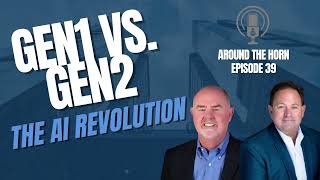
This YouTube livestream (Round the Horn in Wholesale Distribution) hosted by Kevin Brown and Tom Burton (LeadSmart Technologies) reviews industry headlines and explores technology trends shaping manufacturers and distributors. Main themes: recent earnings variability in distribution/manufacturing; rapid generative AI adoption (marketing use cases, ChatGPT and model differences, and concerns about proprietary data leaking into public models); how private AI deployments and private 5G tie into data security, bandwidth and IoT; metaverse/AR use cases for remote inspection, training and digital twins; and the strategic distinction between Gen1 (reactive) and Gen2 (proactive, data-driven, asset-light) distributors. The hosts cite examples from MDM, Reuters, industry practitioners and LeadSmart product features (geoplanner, Genius feed).
Questions this video answers
June 7, 2023.
73% (hosts cite a study/result saying 73% of companies referenced the speed of adoption).
About 55% (he said ~55% of respondents used ChatGPT).
Gen1 distributors: companies that only make changes when they absolutely must and react to threats to survive (reactive).
Gen2 distributors: companies that make conscious decisions to change, use data for demand visibility, are asset-light, adopt new technology early and pursue a strategic journey to improve position (proactive).
Chapters
Foreign.
Welcome to around the Horn in Wholesale Distribution with Kevin Brown and Tom Burton. Sponsored each week by LeadSmart Technologies. Tom, Kevin and their guests review the news of the week and dive deep into the topics impacting manufacturers, wholesale distribution, independent sales agents and the global wholesale supply chain. Whether It's M&A SaaS and cloud computing, B2B, E commerce or supply chain issues, we peel back the onion with our guests into the topics that impact your business the most.
Hey, good morning, Tom.
Good morning.
Why don't I kind of jump in and do our intro as we, as we normally do. So my name is Kevin Brown. This is my lifelong friend and business partner and co founder of Lead Smart technologies, Tom Burton. LeadSmart is the sponsor of our Round the Horn in Wholesale Distribution podcast and live event each week. So we're happy to be with you. What we try and do here is kind of take a lot of information that's going on around both in the US and I'll say North America in general and then internationally. We look at the news, we look at kind of what's happening globally from an economic standpoint, a technology standpoint, M and a different types of things and we bring that together in this format. So we do broadcast this live on LinkedIn, Facebook live and YouTube live on Friday mornings. But you may be listening to this on our podcast which is available on all the popular podcast formats and platforms. So if you are listening to this in a recording, recorded session, wanted to make sure and share with you that what we're doing here is we're reviewing articles that were sent out in an email newsletter that we send out every Friday morning. Again it's called around the Horn and Wholesale Distribution. If you do not get that and you would like to simple email to us, hello leadsmartech.com we'll make sure that you get a copy of that and you have it available each week. So again, if you're, if you're listening but not watching, we're reviewing some articles that come each week and we get live questions that are coming in from folks as well. So that's about it for that part of it. Tom, we're going to talk today about some pretty cool stuff, man. We got AI Again, we can seem to talk about that almost weekly, but we're going to talk about a little bit of M and A stuff and some trends that we're seeing. But I think there's some really neat things regarding technology and the one thing I wanted to tee off on and I didn't get a chance because I Had a little technical hiccup this morning, but one thing I didn't get a chance to kind of tee up with you for our discussion today is, you know, I think the theme that we've had for the last, I don't know, series of episodes that we've done has been changed. Right. There's just so much happening out there right now in the world and we've got a couple of great articles today. In fact, one of the last ones, which is our good read article today that we post every week, really is going to lean into that and it talks about Gen1 and Gen2 types of distributors. So stand by with us today because I think there's going to be some interesting stuff we talked about about transformation from a digital standpoint for manufacturing distribution.
Yep. And good morning to Will. Thank you for our congratulations. It's good to be 40 and you're one of these days. Good morning to Ron and Mike as well. Thanks for everybody as always to, for jumping in and. And please welcome. Jump in and comment and let us know your thoughts as we go through here.
So, yeah, good stuff.
All right.
Very good. Oops. Were you there, Tom? Still? I lost you there for some.
Yeah, you see that? Are you seeing the screen?
I am, yep. Popped right up for us. Good. So let's talk about this a little bit. There's a. The first article we kind of talk about today is this earnings roundup. This came from, from our friends at MDM that put this together. You know, we're kind of in that earnings seasons right now. Right. And so Ingersoll Rand throughout, some good numbers. You know, Ingersoll Rand's got so many, I don't know how many probably, you know, 50 or more different brands that they manage around the world, from compressors to industrial automation tools and so forth. But some really solid results that they saw which I thought was kind of interesting and in fact extremely positive in all frankness. And so we saw that which was encouraging. But it was interesting too in looking at this Veritiv company and they're in the distribution side of packaging janitorial and so forth. They had some big downfalls that went along with that time as well, which kind of surprised me. So but anyways, some good we had the two. Two brought their results up this week or so. I'm sorry, three companies, two were really solid uptakes and one a little bit of a downturn. So we're kind of watching this up and down in the marketplaces right now.
It seems like, you know, we've Talked about this several weeks is. It's a bit of a roller coaster. And to me, it's hard to really say exactly what is occurring or why. It's certainly, you know, it's certainly not going one extreme to another or to another. One extreme or another. But, yeah, it's. It's. It's quite interesting. Feels like it's just sort of bouncing around.
Yeah, I think that's probably the perfect way to say it. And, you know, we're kind of seeing, you would think, right, typically, that the side of the Jansan packaging and so forth would slide kind of right into, you know, the wholesale side of the industrial side of things as well. But we saw a little bit of a hiccup there, so it'll be interesting to watch. I think, you know, it just. I look at these results and it kind of ties right into the. The market across the board, right, is we've got sectors that are doing well, then they'll fall off, then they'll come back. We see. You know, I'd say the only probably consistent downturn we're seeing right now is new home starts. But in general, we're kind of seeing this varying place which, you know, frankly, I. You know, I'm sure there's our economic factors and theories that would argue my point here, but kind of feel like it's a whole lot better than seeing an overall decline. Right.
This.
I guess it's kind of. There's some elasticity going on right now across the board. So anyways, let's. Let's keep an eye on all this stuff. We talk about it pretty regularly and we try and look at that. Our show wouldn't be the same, though, if we didn't talk about the ongoing changes with AI. And there's a. Kind of a good article that came out here regarding some studies that how people are using this. And I wanted to spend a little bit of time, if you're comfortable with this today. You know, we've been talking a lot this week. You found some kind of neat tools. I did some earlier in the week. Hey, this is great. We got John Morris with us as well. It's good to have John with us.
First time.
Yeah, first. First time. So John's on the board of directors.
He wanted us to get through 40 episodes before.
That's right. We wanted to see if this thing would last, right?
Yeah, that's right.
Very good. John's. John's an advisor and on the board of directors. Elite, smart technology and investor and good friend. So it's good to have John with us. John's at a wonderful human being, so I'm glad he's with us today. But you know, as we, we talked about this earlier in the week, Tom, you know, we, you've been obviously leading the product team within, within Lead Smart. You've been working really, really hard and diligently on bringing more and more AI tools into the product family and, and done a great job with that. But what we're really seeing is all of the different tools and ways of using AI, not just that's built into a product like our Lead Smart channel cloud product, but as well in the marketing and the sales side of companies. So this is a pretty cool article that gives some good feedback on that.
Yeah, I think there's a few things, few takeaways from here. First of all, it's 73% of companies talk about a speed of adoption, the speed of which now the question obviously is to what degree they're using it and, and so forth. But that's still a very rapid. Given that none of this really existed, what, back in November or December, somewhere around there. That's a, that's a massive adoption. Which is why, which is why the, the, which is why, you know, this whole AI thing is getting so much hype and so much spotlight, right, Is the speed of adoption. So I think that that is a interesting takeaway out of all of this. I think what you're seeing as well in here if you read this article, the way that AI and ChatGPT in particular, or generative AI is being used right now is to do things that you can do easily through a chatgpt using all the data that's out on the Internet. So writing a blog post or generating an image or generating a LinkedIn post or all of those different marketing activities that are there are all using data that has basically been scraped from the Internet. That's a very under simplification, but scraped from the Internet and put into these large language models, right? Or these, these language models that are here. And that's the first chapter of where we're at. But we're already seeing, and I had a, you know, a couple conversations yesterday where the very next thing that's going through people's head is but how do I do this with my own data, right? How do I, you know, build and do some of these things here that what if I wanted to write a report, you know, even just a shareholder report or a company report about my business and what we're doing and all of that kind of stuff using our data. So that's where this is really going to go very quickly. And I see that, you know, and that's not as easy, right? There's definitely a lot of, we could talk about that separately, but we're going to see evolutionary chapters of all of this. And this first chapter is just using, you know, all this data that's massively been scraped from the Internet. The third takeaway on this is that, yeah, it's still, I mean, if you're using Chat GPT 3.5, it's dicey. Chat GPT 4 is definitely much better in terms of its reliability and all of that. But you, you, you definitely cannot just go autopilot on this. You've got to do your, your due diligence and your qa. And then my one last sort of bonus thing on this is, you know, people worry a lot about jobs being replaced, right? And there are a lot of jobs that are going to be redundant as a result of AI. But on the other hand, there's a tremendous amount of jobs that are going to open up that are going to, that if you're understanding how to use AI. And I think you may have mentioned this last week or whatever, but think about it. You know, 15, 20 years ago, or before Excel, an example, or PowerPoint or Word, people didn't know how to use those tools. And then it came around and it's like, oh, I don't need a typewriter anymore. Well, right, but then if you looked at the job, you know, resumes and job requirements as, hey, you need to use Excel, you need to use Word, you need to use Office, those types of things here it's going to be, how do you build prompts, how do you build directives, how do you do these things to get the most out of these AI tools? Understand, which AI tool do you use for what purpose? How do they work together? There's a lot of opportunity for this, that, for, for a lot more jobs, just different types of jobs. Okay, those are my, my takes on that.
That's great. Right? And so this talks a lot about what people are doing with marketing and so forth. And you know, I just was looking over here at some stats that came from it. 55% of the people that were, were responding to this. I think it was 1000 plus companies they talked to ChatGPT is what they were looking at. But I thought what was interesting is, right, there's five or six others here. There's, you know, Copy AI, there's Jasper AI, Pepper Tree, Lensa, Dall, E and then I was noticed that the lowest one on here's 24 of people that we had a conversation about this. I think it was early this week. We talked about Mid Journey and I know your wife's doing a project with that and that's, you know, developing artwork and so forth or in enhancing artwork through AI. And that's pretty neat stuff. So it's interesting to watch this get taken within the marketing side of things. But here's what's interesting, right? We know this and they talk about in this article, it says even when these models write confidently, they may not do it competently, which is really intriguing. They typically train on publicly available data like you talked about, right. Such as information one could find on Wikipedia. Well, Wikipedia can have some pretty goofy information until someone goes in and corrects it, right. So depending if you're. If you're using ChatGPT4 and it's, you know, live Internet data. And we did some testing this week. We did quite a few updates to our homepage on the Lead Smart website and we wanted to see how quickly that those would be grasped by the tool. And it was, I think it was the next morning that it started grabbing the right information, which was kind of. We went and did some searches about, you know, explain to us who and what Lead Smart technologies is. It took it a bit to do that, but it's interesting. So what I thought was intriguing with this, and I wanted to pick your brain a little bit on this too, is it said about three quarters of respondents have their generative tools trained on their proprietary content, which removes the erroneous data from the pools that internal and proprietary gen AI use. At least they're saying it does this in theory. So we talk a lot about it. It's something that your team almost has ready to go into. Our product is taking what's outside of us in the Internet world using AI and bringing that in and comparing that in against our own internal data. Can you talk a little bit about that?
Yeah. So I think that's an important point because this is an area where some companies have gotten into trouble recently. Confidential. So if I take data, if I take, you know, something, an internal document or something like that, and I use that with Chat GPT right now. I am now training the overall global system. Right now my data is out there in the Chat GPT world, right? The public data area. And whether, you know, how it gets used or how other people get at it or whatever, that's a different conversation. But the fact is, is that you're now training this using your own data. And as a result of making your data out there that most companies don't understand that they're doing that. And I don't know was Samsung or some major company recently banned the use of Chat GPT in their business because they found that the proprietary data was now going out into this public domain. So it's the, so that can happen now. You can use chat GPT and generative AI and OpenAI with that model with your data. The problem is, is that you're training the general world and that now that could come back and be used by somebody else, a competitor or otherwise. So how do you do this privately? Right, how do you do this privately? And Microsoft, I know is working on some stuff, I've been doing a bunch of homework on how to best do this. But this is where we have to be able to get to, is we have to have private, a private pool, if you will, that can then use that but still work with these large language models, not having to build your own language models to do these things and to be able to take advantage of the private data without it then training the overall system in the rest of the world.
So how does that, will that likely work? That will be in someone's internal cloud or private cloud?
Yeah, it's still very early. I mean Microsoft is, you know, they're offering some Azure options to do this. They are, you know, and stuff like that. So it's coming, it's not, it's not that it's, it's, it's going to go away, but that's what has to be really clearly worked out is, and then of course you eventually want, or you want to be able to potentially combine your first party private data with all of the third party data that's out there and use those together. So there's, there's some complexities to getting all this to work properly, but it's just, you know, it's just technology and working through the process on it. It's, that's what people don't fully understand is that by training the system you're training it publicly and other people can potentially access that data.
So I've got an example I'll share with you quickly on this. I think I might have even shared this with you. You know, I, I do a lot of volunteer work within my faith and, and the congregation that my wife and I attend, I happen to be responsible for the safety and security process of in systems for the facility. And we had some direction from our Worldwide headquarters. Our faith and a while back on some security updates and some safety things. And I wanted to. And it's like a six page document. And so I'm thinking, I'm a smart guy, why don't I just load both of these into ChatGPT and ask for the comparison. Now fortunately, long before I even started copying and pasting any of it, it triggered for me that, yeah, these probably aren't the right documents to be out there on the Internet. But we could. Had I not thought through that, right now I've got a very private document about the health and safety of my loved ones and dear friends that I could have accidentally put out there and probably pretty benign if it had happened. But shouldn't. It's not a document that should be out on the Internet as an example.
Yeah. And it opens the door to a whole lot of other questions and things like that, but it's just something you need to under, you know, again, security. Right. A lot of security has been part of business forever. It will be part of business. But this is something that people don't fully understand. I want to jump on a couple of comments here because I think there are some good ones here. You know, Ron saying AI will be part of every conversation in every industry, just like the Internet was in the beginning. I was speaking with multiple distributors and so many still face challenges in their data parametrics and formatting that need to be cleansed so AI can be leveraged. AI and distribution, product and customer data is key that the fuel to AI. Ron must have been listening to our soapbox over the last few weeks. Data is the oil, is the oil that drives everything or the fuel to drive all of this. And so organizations, I think we even talked about this a few weeks ago. I said if you do nothing else, get your data act together or start getting your data act together. Will. God, this is brilliant. You know, thanks Will. So he said he's asked chat GPT how to win arguments with his wife. He's saying yes dear. It says yes dear and move on. Brilliant. I mean I hope you're training the system for all of us to use on that. Great point. And, and I'll just show this from Ron.
Yeah, he's in agreement. It's good. I had a chat with him earlier in the week and not a chat GPT but a good old fashioned chat and we, we had a really good conversation about data. So it's, it's good stuff. But you know, I, I want to kind of go back to this whole concept Right. With this external data, internal data, and then how we're using these things. And the reality of it is, I think where is within the Chat GPT world or any of these other tools? If you're going in specifically to use those, you need to go in with the mindset that says this should be augmenting what I believe I know and I understand, or to go in and just say, and I do this all the time as you know, I use it to trigger a blog post or you know, help me with a blank page syndrome as they sometimes call it, or white page syndrome to get kind of get me started. But if one was to go in right now specifically with just the free ChatGPT and say write me a white paper of, you know, 10 pages about these topics and put in a bunch of triggers for it to research, you better know that topic really well yourself and be prepared to go edit that information. But it is a phenomenal tool to help us get things going and to do some research. And you know, I think it would be cool to kind of talk about where some of the places you can get and use the version 4. Right. If you're using a Microsoft Bing product. I did that. I have Windows available to me on my, on my Mac here as well. And I went into that yesterday and played with Bing a little bit and they're. That will let you do searches and get. Cause I was searching, asking it to use 2023 information. But it also, what's really nice is it gives you the resource that it used. So. And then Tom, why don't you tell us about the other resource you found that was kind of cool earlier in the week too.
Oh, you mean Skype. If you have, if you have Skype on your computer, probably a lot of you do Microsoft and I don't know if everybody has it, but Microsoft's embedded Bing and Chat GPT capability right within Skype, which makes sense, you can have conversations. So I find that pretty handy. I can go in there and use Skype to have the conversation. For me, it's just a little easier than going to Bing or somewhere like that. But yeah, I mean it's coming in everywhere. But yeah, that's a way of really capitalizing on some of the more recent capabilities without having to go to ChatGPT and doing it directly within there. Right?
Yep. The. I think that's, that's a great tool. We played with that the other day in a conversation you and I were having. But I think anyways, long and the short of this, right is we talk about it each week. It's, it's obviously a hot topic. It's going to continue to be, you know, now what comes next is bringing this into products. And will made a good comment about that. You know, will it be the new pim? And you know, I think if when you start talking about product information management tools and stuff like that, it's, you know, garbage in, garbage out. So once we know we're getting really good data, I think that becomes a really, really good, you know, tool for that. We're looking at it, you know, within our family of products, right. With, you know, we have our Genius feed where when someone's using our CRM tool, right, Their salespeople are getting reminded, hey, you know what, you have these new leads, you have these activities that you should be looking at this, you know, customer is not buying as much. So when we have that, that's coming from internal data and we know that's good data, so that's a positive. But when we know external data is, is the right data. Right. And to your point earlier, we bring that together. And I envision this, as I'm sure this is part of Microsoft's play, right, Is yes, go buy a private cloud firm, you know, Mr. Manufacturing Company or wholesale distributor. Buy a portion of a private cloud from us. We'll bring data in from the rest of the world through chat, GPT, filter it in safely into your organization and then match that up in your private cloud. I could, you know, see that likely being a solution there. But until then, we've got to, we've got to monitor the data that's coming in and making sure that it's not just clean, but it's correct.
Yep. All right.
That's about all a guy like me knows about data.
All right, well, that's pretty impressive.
Is that my compliment for the month?
That's your compliment for the month.
So, all right.
On your 40th, 40th birthday, on our.
40Th anniversary of our, of our podcast and LinkedIn live show. So this, you know, this Metaverse could Next article we're looking at, you know, from Reuters talked about some research that was done, sponsored by, you know, meta slash Facebook, but Talking about contributing 2.4 of the US GDP coming from the metaverse. So, Tom, I'm going to ask you, as the web web 3 web 4 metaverse AI guy here, describe, you know, why don't you, why don't you distill that you're. I call you sometimes the great Distiller. Why don't you distill what that really could mean down into, you know, a handful of sentences?
Well, I mean, Metaverse, which is very broad, but as it says here, right. Think of it as augmented and virtual reality, whatever that may be. So you know that a lot of times, right, if you're, if you've done games or your kids are doing games, that's a form certainly of Metaverse and virtual reality of what's going on. But there's a couple things in here. I see that Metaverse or virtual reality or augmented reality could be super beneficial in a lot of business cases, certainly in the world of manufacturing and really being able to emulate certain things. I mean, if you think about even like a simulator, right. A pilot or a jet simulator, it's a form of the metaverse.
Yep.
The whole idea here, right, is this is going to be ubiquitous in a sense that in the same way you have your phone in your pocket, you have your glasses that you can put on or whatever the case may be and be in the Metaverse. One thing that, you know, as much as I love technology, this is an area that I personally hope doesn't come to the same, to the level that they're saying in there. One of the things they were saying is that it will replace the mobile device as the primary personal computing tool. And the idea of people roaming around with AR glasses on and things like that and being in the virtual, that. That does not sound like an attractive world to be in. So I'm hoping that that doesn't actually come to fruition and that the Metaverse is used more rather than, hey, I want to just be in my own world and all that kind of stuff, and everybody kind of is that it's used for some of the business things that they mention in there. And really, you know, and otherwise, I mean, games and things are fine, but it's. It is. To me, the Metaverse concept is a bit more scary than some of the people that are, you know, scared about AI and all of that. And obviously there's overlap and there's relationship between them, but at the end of the day, it's all about, are you doing something in a virtual world outside of the real world? And what's the experience on that?
Yeah, I think that's great. You know, it just makes me think all the times, right, you've been in a, in a, you know, hotel lobby or a mall or somewhere, and you look at the escalator and, you know, everybody coming down the escalator's faces are glued to their phones, right? Or, you know, you, you walk down the street and you watch and you know, and it's, it's. I'd like to blame this on young people, but it's just not the case. And I catch myself this, you know, sometimes, you know, walking through a parking lot and I'm looking at, you know, a message that just came in. I'm like, what am I doing? You know, so the idea, then I couldn't agree with you more, maybe this, this ties into our age, but the, the idea of somebody walking around with goggles on, you know, AR type goggles on, just. I don't even want to live in.
Well, they won't be goggles. It'll be your glasses. It'll be the same glasses you have on right now. So it's not like it's going to be people wearing these big, you know, crazy things. It's going to be wearables like that, that I just think it's, it's. Anyway, it's a personal thing. I hope we don't get to that point where, to your point, everybody on the escalator has got their VR goggles on and, and going down in their own world. So.
Well, that's, that, that's the challenge, right? Because we, there's so much beauty around us. But what is interesting, why, you know, I brought this up and we shared this article today is when you now let's, you know, we always try and take these conversations back to wholesale distribution and manufacturing, right? So when we do that, and I've shared this before and I'm trying to remember the company, but it was, it was during the, you know, height of COVID and it was an Industrial Supply association virtual event that they had. And one of the manufacturers was talking about, you know, the fact that, hey, they, they make cutting tools, I believe was their, their business. And they were very quickly because they couldn't get into the factories and in the cutting tool world and you know.
The very.
Very specific types of cutting tools or job, very intrinsic job specific tools that are needed. Oftentimes you need to get an engineer on site to talk about things. So they couldn't go there anymore. So they put a really unique situ setup together. It took them, you know, I think they said, you know, a few weeks or a month, but they were able to work with an outside company where they were able to get cameras and virtual reality goggles into the site which they could send in. And then there was data getting shared back to engineers who were bringing that into, who knows Maybe CAD systems or whatever it was, but this is the kind of stuff, you know, and that's kind of low level. I think if, you know, Mark Zuckerberg was listening to me, he'd call me crazy about that. That's not even what he's talking about here. But at the end of the day, these are some of the things that we're going to start to see. We're going to talk in a few minutes about digital twins. And these are tools. Right. And if you were at first pass reading our newsletter this morning, around the Horn newsletter that went out again, if you're with us listening later in the day or in the future on a podcast platform, what Tom and I are doing with our audience here is we're reviewing a newsletter that we send out each week in each of the articles that were in that newsletter. So if you're listening and not watching, that's what we're doing here. But you might, if you're a wholesale distributor out there, you might like, well, you know, this Metaverse thing. Yeah, whatever. Well, guess what? It's going to impact your company and it's going to impact your company sooner rather than later. And if you embrace it right, there are phenomenal opportunities that can come about, how we can enhance. You know, sometimes you look at your best salesperson or you look at your best marketing person and say, boy, I wish I had two of them. Well, guess what? It's coming. Right?
So no. So anyway, yeah, there's a lot, a lot there. We could, we could have another conversation of how AI will influence all of this and kind of have it. How these all sort of end up getting mashed up together. And maybe we do that on a separate piece. But yeah, they're all. There's a lot of interrelationships between all of this.
Yeah. Yep. So let's jump, jump ahead. This next article was from a Ford Forbes contributor, was the top five manufacturing trends in 2023. And this, I, I added this in because it just ties right into this.
Right.
Is they talk about AI automation, digital twins and the Internet of things. So you would almost think these are quite a few different arenas and you could unpack each one of those. But their comment here was that there's a convergence of these things. Right.
Well, that's my point. Yeah, that's exactly what I was doing.
That's here when you bring these things together and it's going back to almost. Right. And I'm guessing while we have the early stages of this now, we probably all have our own Microsoft OneDrive or Box.com or Dropbox or whatever that we use or Google, Google Drive, whatever it is. Well, imagine that on steroids for a company where data is coming from all of these different places. And what I, what I really liked about this. Right. Is when you start thinking about this is, you know, I'll talk about it for a second from a manufacturing standpoint, right? When you've got manufacturing automation into your machinery, right? But you're using AI type data and digital twins to understand what better needs to be built and how it needs to be done. And then you're looking at maybe it's even, you know, this is almost becoming an antiquated tool. But an RFID tag that's pushing data out, right? Or just sensors that are on your equipment that you can see because your equipment that you sold, I mean, they're doing this now with fall protection harnesses and respiratory protection, right? Where you have sensors in there that's sending data through the cloud back. And now we've got, that's Internet of things, right? And you start pulling all of these things together. And now the decision making that happens within an organization that, that's not going to eliminate, you know, executives sitting down and making decisions, but the data available to us to make decisions from is just astounding. Right?
Oh, in the same way that AI is affecting, you know, in our first chapter zero. Right. Of our AI journey here is, you know, affecting marketers or people. You know, it's, it's going to keep, it'll affect executives, it'll affect, affect the CEO, the rev ops. I mean, all of those different areas are going to be impacted by this. And then the real question will be is how do you mine the data properly to use it in your organization?
Right.
And, but yes, this was a good article. I think pulling together a lot of stuff that we've talked about for the last several weeks. Actually a lot of the things were in there across the several weeks.
So, so I want to, before we move on from there, I want to kind of continue to, you know, connect the dots here on our topics that we've been going through today. And there's one more article after we look at some industry news in a moment that we'll talk about as well. But you know, I want to spend a minute talking about the idea of digital twins. And we've really only talked about that a few times on our broadcasts here. But you know, it really is intriguing to me and I would, I would encourage you, if you're watching, if you're with us live today, listening on the podcast later, if you use, whether it's chat GPT, I would encourage you to try and use one of the products that's using current Internet data, whether it's Microsoft, Bing or, you know, whatever the tool might be. But, but do a search and I challenge you to kind of look at this and do it a couple of times with a couple of different types of wording to it. But, but ask the AI tool how a digital twin can impact a sales organization or a marketing organization. I've spent a little time this week doing that. And you know, one of the things that it really talks about in this is where. And we're going to talk about an article about different types of distributors in just a moment. But this is powerful for me as I look at this, I said, you know, I have historically in my sales and marketing career, business development career, had to make decisions based upon what I saw on the street, right? The guys I talked to at a trade show, the people that we did phone calls with, whatever it might be. Well, now we've got this opportunity as we start collecting these mass sets of data about customer behavior where I can mock up, right? What if I did. What if I tried all of these products to sell to this type of customer, Right? What if. What would happen in that. And if I marketed this way, using this message, what might I see? And we start looking at just astounding different ways that we can get ahead of the competition by implementing these resources, I'll just call them. Right. And maybe that's a great way to look at AI moving forward. It's another great resource within an organization. But the things that we're going to be able to do with sales and marketing, to test things and to get ideas, product launches, you know, from a product management and a marketing standpoint is let's use digital twins, right? Because we have all this data about how our customers make decisions because we have hundreds of thousands, not millions, of data points within our ERP system, right? Let's start using these tools. So it's not just, you know, hocus pocus, you know, tech geek stuff. This is going to come down into all segments of our business. So digital twins, I think it's, we could almost do a whole segment on that. And that's something I'm going to really continue to learn about.
I'm glad you're doing the research. And it's an area that is probably, you know, I said chapter zero on some of this stuff. I'll say that the whole the whole concept of digital twins, digital copilots, agents, whatever you want to call them is probably going to be chapter 1.5.
Okay?
And I think what has to happen for those to really be effective is the part of the data that we were talking about earlier. But again, to simplify it, right? What does this really mean? If you're sitting here going what the hell these guys talking about? Just think about, you know, you've had automation in your business. You know, you have, you have Siri and stuff that says turn on my lights and all that kind of stuff. Think about that concept to a steroids unknown. And you know, I even an example I use frequently, right? If you're in a sales organization and you say, hey, I'm going to make a trip to see Will up in Chicago or up in Illinois, what should I, who should I go, who should I visit and have and what should I do and have a system go through, identify who are the people you should go see, set up the appointments, schedule the travel, do all of that stuff for you with basically a push of a button that, and have it all kind of just your itinerary all lined up for you with all the details of those customers, what they bought, why they bought and what else they should be doing in a, in a, in a snap. You know, that's just a simple use case.
Well, it's a great use case too, right? We talked about this internally recently. I'm sorry to jump in on that point. But it's such a great point because you know, we, we have our geoplanner tool within Lead Smart Channel Cloud, right? So imagine you went and said, hey, you know what? I'm visiting Will Quinn at In for. Who else should I see? It's going to show me right away we can already do this, right, that Ron Paulson is only 30 minutes away. But if Ron Paulson is a lead that hasn't been contacted recently or a key customer of a certain type, or he's a somebody that we want to target because he has specific buying habits, we can do that today. But what I love about what you're saying is, and then I push a button that says, send me the routes that I need, book my hotel. Where should I get gas because of gas prices, what car rental prices are best, all of that floods in and I just, what did I just save in planning a trip? I just saved hours.
Yeah. Hours. Yeah. So anyway, it's it. And yes, we have a lot of things that are analytics today that we can look at, but this is Taking analytics to the actual execution of these things this that are then happening based on one thing after another. Right Siri. And those things can handle single transactional things. Turn on my lights and all of that. But if you give it 10 different things to do in a sequence and they have a. It matters a sequence they go and it breaks down. It can't do those. It can't do that process at this point. So that's what this type of thing would allow to do.
I think in kind of wrapping that up is I look at it as this. These are tools that are going to take it out of the. The I'll call it the computer scientists and the data guys and the whiz bangs like you are in our company and put it into my hands. Right.
It's all about use cases. Right? It's all about the use case of it. It's not the technology is irrelevant without the use case on the whole. So anyway let's move on.
Otherwise there's one we'll talk a little just quickly about the news but there's one more article that we want to spend a little bit that ties right into this and I think the last article that I put in here is from MDM and it puts a bow on all of this for the day. But just good to see our friends at Netplus Alliance. Jennifer Murphy and her team over there made some good announcements about some of the successes they've had. They're the industrial safety and construction related buying group based up not far from Buffalo, New York and a great group of people that we partner with and they've announced some of the results from this year and some really cool plans that they've got for the rest of the year. They've been gracious enough to offer me an opportunity to speak at their fall event and we're going to be talking about digital transformations and the four pillars of how to do that. So we're looking forward to that session is coming up. I think it's in October in Denver. So that's great. Dxp couple more acquisitions. Then DSG Distributor Solutions Group posted some good earning reports as well. So it's nice to see things moving within wholesale distribution, both distributor level, manufacturer level and then as we talk regularly here about the buying groups and trade associations we've had Jennifer that we mentioned before has been on with us. We've had Marty McLaughlin from the Chief Marketing Officer from Affiliated Distributors, Brendan Breen a number of times. We've got quite a few more people scheduled coming up as well. So that's, that's good stuff.
And I want to do it before we leave here. I want to do a quick shout out. I was on the phone with Jennifer Murphy. She was the president of NetPlus yesterday. You talk about an organization that gets what we talked about here about technology and the importance of it, right? You know, I, I, I give her a hard time. It's like what's keeping her up awake at night is not moving fast enough with technology, not only for their own business, but for their members and their, and their, you know, suppliers and their distributors. And it really is, it's just, it's, they really get it and know, they really understand the importance of where this is going and the speed of which it needs to go. And it's really, really refreshing and exciting to see. So I want to give them a big shout out because we don't see that every day.
No, we don't. And what's great about, and I'm appreciative of them, is, is that they're a nimble organization, right? With a leadership that sees, that sees the value in these things. So that's good stuff. So, you know, we just jump just because of time. Let's go to this, by the way, that article, we didn't talk about it. I posted it previously about 5G rethinking your wireless options. And that article just kind of ties into all this again. It even drops right into the digital transformation conversation. It's because we're thinking about, as we talk about digital transformation, all these things that talked about today, right? Those are all about bandwidth. All of this ties into it. And if you don't have the right bandwidth within your organization, right? Or from within your manufacturing plant or your warehouse or whatever it might be. So this talks about different use cases for private 5G networks that can be better managed, more secure, enabling more data. It's actually if you're on a digital transformation journey, that article about, and if you're listening on the, on the podcast and can't see this, you could literally Google, you know, this. It's the article titled Private 5G might just make you rethink your wireless options. And so you could just search that. But it's good thought process, right? Think about, okay, we're talking all, all morning today about, you know, Internet of Things and AI and chat, GPT and all of these things. They all take bandwidth, right?
Well, I also think you look at, you know, look what happens right now when the power goes out, you know, in a business, it brings it to a knees right now in a lot of business of the Internet, Internet goes out. Okay, the Internet goes out, but it's not, you know, it's not a, it's not a major, major issue as you add more and more of these capabilities that we're talking about. And now the Internet goes out or the. Your WI fi goes out, you're screwed. So a lot of people are using private 5G or 5G as a backup. It may replace as it says, but again you're going to have to rethink. Businesses are going to be rethinking all of this because of reliability and performance as well. So it's going to be, you know, reliability, performance and security. Right, the three main areas.
Yep. I think you're spot on with that. And you know, to your example, right, Forget about a manufacturing plant. What about a hospital?
Yeah, a lot of hospitals and places are using private.
They're moving that direction. But you know, you think about a nursing home, right, or a skilled nursing facility and so forth that, that are every day are relying more and more on Internet of things and sensors and data and so forth. And it's critical. So anyways, a good article there. But let's, let's jump into this, this final article there about the move from Gen 1 to Gen 2 distributors. And this isn't a long article. It's. It's posted on mdm, a Modern Distribution management. We had senior editor from there. Mike Hockett was on with us last week. We'll have Tom Gale on with us. I think you're pretty soon from there as well. But Tom and Mike Marks from Indian River Consulting Group. And if you don't know Mike, kind of look him up. If you're in the wholesale distribution world, you probably know exactly who he is. He was one of the keynotes at Not Keynotes, but he ran one of the sessions at the recent ISA event in Phoenix and last year's Net plus Alliance event. He was a keynote speaker there. But the conversation they had was Gen 1 and Gen 2 distributors. And I just really like the couple of points that Mike made here and he described it as Gen 1 distributors are those that only make changes when they absolutely need to. They react to threats in order to survive. Gen 2 distributors, on the other hand, make a conscious decision to. To change because they see an opportunity to reach a better position in their industry. They set a goal, then go on a journey and achieve that goal. I really love that. It just makes me think of. We've talked about this before, right, that Wayne Gretzky adage about skate to where the puck is going, not where it's at. And that's why he was successful. This is what they're talking about here, right? The. It talks about somebody as a Gen 2 distributor when wherever they, they are on their journey, they've made a decision to be there versus the Gen1 guys that haven't. Right. They're waiting for something to happen.
It's reactive versus proactive. Right. You distill it down. That's the simplicity of it. And now more than ever, as we talk about, and not just us, but others in the industry, right. Proactive is more important than ever because of the speed of which things are moving. You can't react fast enough. And I think a lot of companies have been successful being reactive because the velocity of which they needed to react was not all that quick. Right? Okay, I have to take. Okay, I have to react. I've put up E Commerce. Okay. I'll take a year to put up E Commerce or whatever it is. And you know, no harm, no foul. Now reacting to things because of the velocity of which things are moving becomes nearly impossible. Or if you do it, it will end up being kind of a mess. It'll make a bigger mess than, than what you have. So I think that, you know, I like his definition. Love the definition of Gen 1, Gen 2. I think that Gen ones are going to be gen zeros and non existent pretty soon because they're not going to be able to react at the speed.
That they need to or there'll be a shell of what they once were.
Yeah, right.
And that's, that's, that'll be the key. You know, he uses this. I like this. I got to call Mike and talk about this. But he said Gen1 distributors are like capacitors. They store their inventory and then release it based on demand. Gen 2 distributor use data have better demand visibility and are asset light. He added that Gen 2 distributors are among the first to take advantage of new technology. And you know, we see that in our customers with Lead Smart. These are, you know, for the most part, these aren't folks that just said, hey, I want to go buy, I want to go buy software to buy software. They said, you know, we, we want to partner with a company who is giving us technology, a technological advantage. Right. To go grow our organization to where we need to be, you know, to compete and, or win.
Yeah, right.
And this Gen 1 idea, I just, I just thought this article kind of tied a bow on what we've been talking about today in general, right.
I think it's awesome. And I think as a distributor or a supplier, a manufacturer or whatever you are in the ecosystem. Take a look at that, right? And look at. Are you operating more like the Gen1, are you operating more as a Gen2 and at least make a conscious decision about how you're operating with it versus just, you know, well, that's the way it's always been, you know, that kind of stuff.
So what's that, What's. I forget. I was just thinking about an old Animal House movie reference to that. But, you know, I. I think the reality of it is you can sit and wait for something to happen, right? As Mike talks about here, about being a capacitor, right. And watch what's going on around you. But what's going to happen very quickly is, and we talk about this regularly, right. Is I can't tell you the number of facilities that I've been in with salespeople, both when I was a manufacturer's rep and a manufacturer, where the distributor salesperson is walking by more business than they have. Right. Well, now we have tools built into products like ours that can tell them what they need to go sell, right. They can tell them that there are far more people in that facility they should be talking to then who the one guy that their buyer is. Now those folks that are saying I walk by more that right now are allowing themselves, their teams to walk by more business than they sell and to only be working with the one guy in that plant. Guess what? Somebody else is going to be working with those five other buyers in that plant and. And eventually they're going to get a contract that eliminates you. Just. It's just where the world's headed.
So let's wrap up here with Ron's final comment. And I, and I, you know, he says, agree again with your comments and analysis. What I hear is we are all set now. And as we all know, many are not. And time is of the essence with all of this. To take advantage of this. Now, I. That is a very dangerous phrase, Ron. We are all set now. I don't know that any business will ever be in a position where you're going to be all set. I think you have to look at I am on this journey and here's where I am on this journey. But something where it's like I am all set and I'm going to basically kick back and put in my. Put my feet up and we'll see how things goes. That is kind of a suicidal comment and that's. I'll end off on our. On our.
I want to hit to that for just a second, too, right. Because it's something that you and I were talking about. In fact, you know, John Morris, that's on our board of directors for Lead Smart, is with us today. This is comment we've had, right? One of. One of. When we look at. As a technology provider, right, we have to look at a competitive landscape for us just like anybody else would. And we talk oftentimes about, you know, we have two top competitors. The first one's apathy, right. And the second one is what I'll just call antiquated technology or antiquated tools, which is spreadsheets, and that's that apathy.
Right.
I. I don't want to deal with this. So I'll just tell you we have it. We have it figured out, and that's that. And it's not that somebody needs to have our technology to be successful. It's just when you have that mindset of, oh, everything will be fine, it's not. Right. And that's our piece point here.
Right?
We're all set now. Well, you're really not. And you know, RP works with some companies that do some really cool stuff on the. On the supply chain side with AI and you know when you can drive dollars to somebody's bottom line that they don't even want to talk about it because they say, we're all set for now or everything's fine. Well, the question is, how long will you be fine?
You'll be Gen 1 and then Gen 0. That's.
Yeah, that's the thing.
So, anyway, we're over time again. Thank you everybody who commented and jumped in. Really appreciate it. Hope to. Hope to get another 40 more here soon.
Yeah, that's great. Congratulations on the milestone. We'll be at 50 before we know it.
Yeah. All right, thanks again, everybody. Have a good weekend.
Enjoy. Good. Good to be with you today, Tom. Thanks, everybody, for being with us.
We hope you enjoyed today's episode and our guests. Each week, we try our best to dig into the topics that are impacting your business. So please reach out to us and let us know how you think we can make the show better or topics you'd like for us to tackle or talk about more often, and even guests you'd like to see join us. We're looking forward to bringing you next week's session and hope that until then, you stay safe, stay focused, and do great things. If you haven't already, please subscribe to the podcast and leave a review to help others in wholesale distribution get access to the conversation. And finally, please check out our sponsor, Leadsmart Technologies and their manufacturing and wholesale distribution Industry CRM customer intelligence and channel collaboration platform. That's Lead Smart Technologies at Lead Smart Tech. Com.
More from Tom



What does AI actually mean for a wholesale distributor #WholesaleDistribution


If your systems don’t talk to each other, your AI won’t either #AITransformation




This is why one AI agent isn’t enough for high-stakes decisions #WholesaleDistribution

