Agree or disagree? #greenscreen #recruiting #collegefootball #scholarships #football #fyp
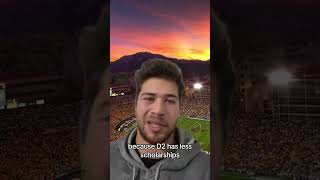
Short YouTube clip by Trenton Luera (uploaded Feb 25, 2024) in which he ranks U.S. college football divisions and explains the reasoning. He places D1 (FBS, with Power 5 then Group of 5 and FCS) at the top, followed by D2, then NAIA (NAA in transcript), then D3, and finally junior college — citing scholarship numbers, NIL, and school draw as primary factors.
Chapters
More from Trenton

POV: A College Coach Reacts To Your GPA 🎁 Comment “SCOUT” for a free list of 11,000+ college

What To Do Get Recruited 🔥 🎁 Comment “TOOL” and I’ll send you my free college football recruiting
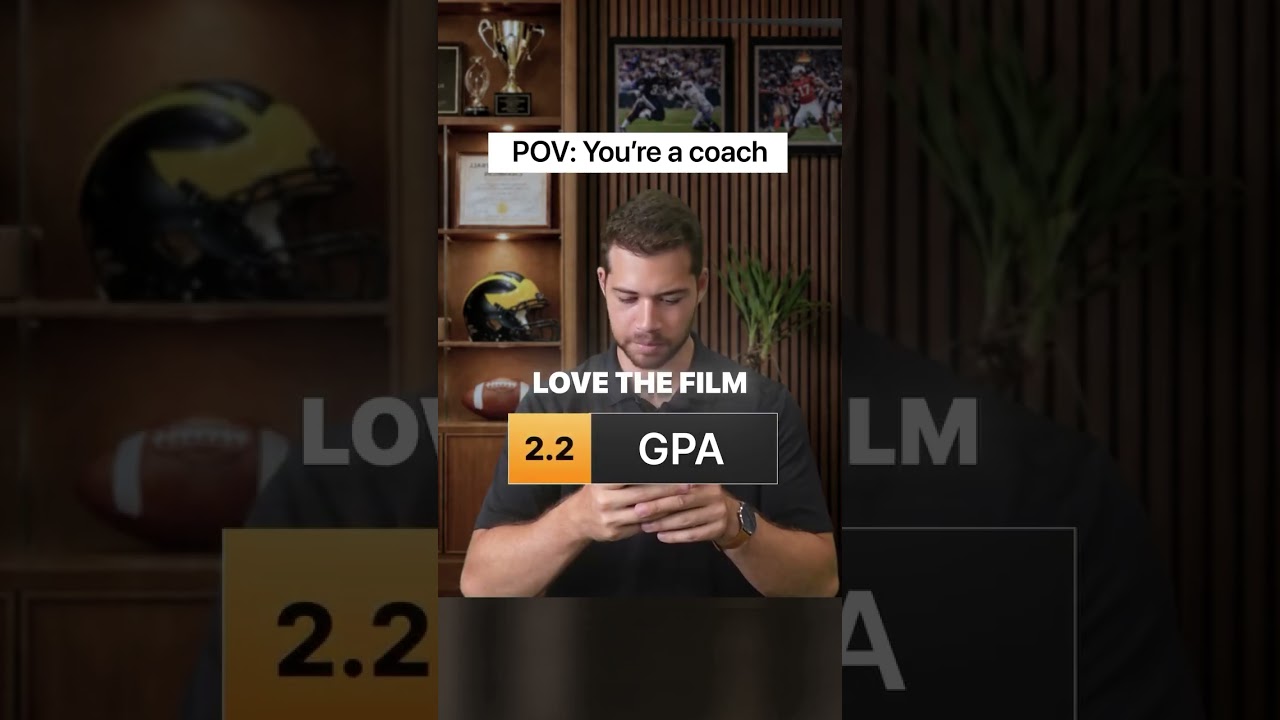
POV: A College Coach Reacts To Your GPA 🎁 Comment “SCOUT” for a free list of 11,000+ college

How To Setup Your X Recruiting Profile 🔥 🎁 Comment “PLAYBOOK” to learn how to get a college

What To Do After A Bad Game 💩 🎁 Comment “LIST” for a free list of 50 questions to ask a college

How To Setup Your X Recruiting Profile 🔥 🎁 Comment “PLAYBOOK” to learn how to get a college

What To Do After A Bad Game 💩 🎁 Comment “LIST” for a free list of 50 questions to ask a college
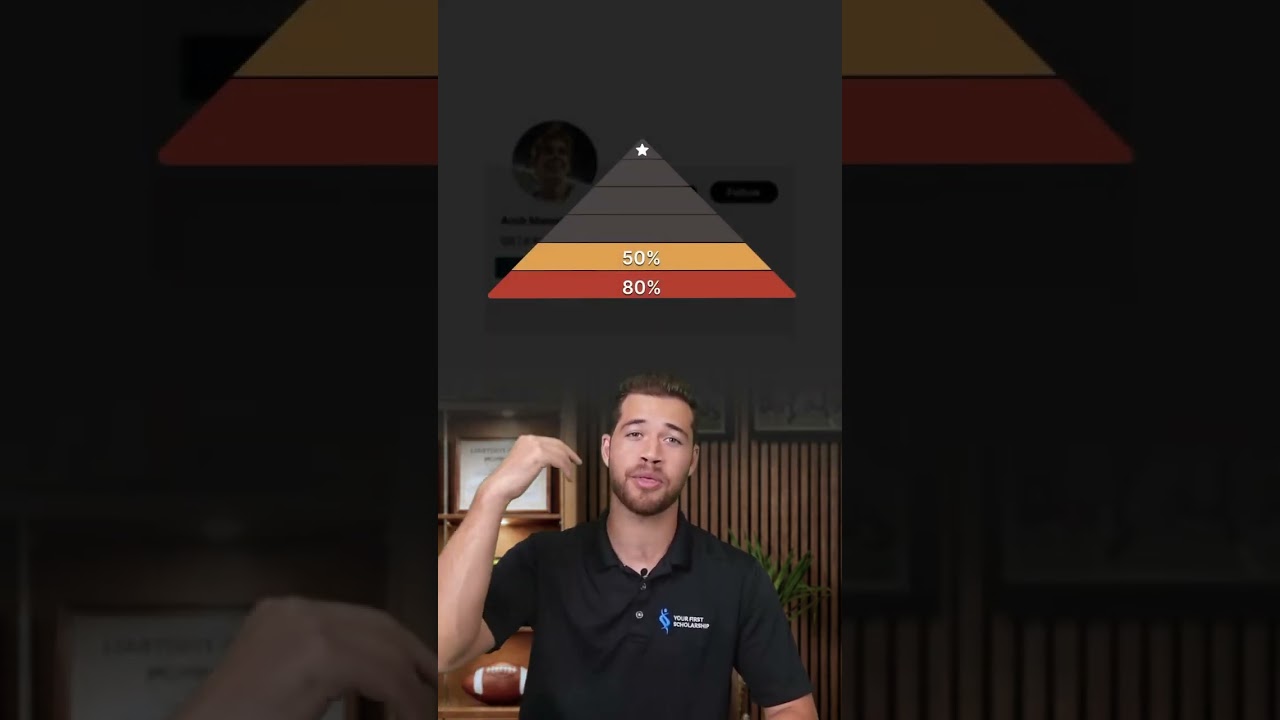
How To Setup Your X Recruiting Profile 🔥 🎁 Comment “PLAYBOOK” to learn how to get a college
What To Do After A Bad Game 💩 🎁 Comment “LIST” for a free list of 50 questions to ask a college
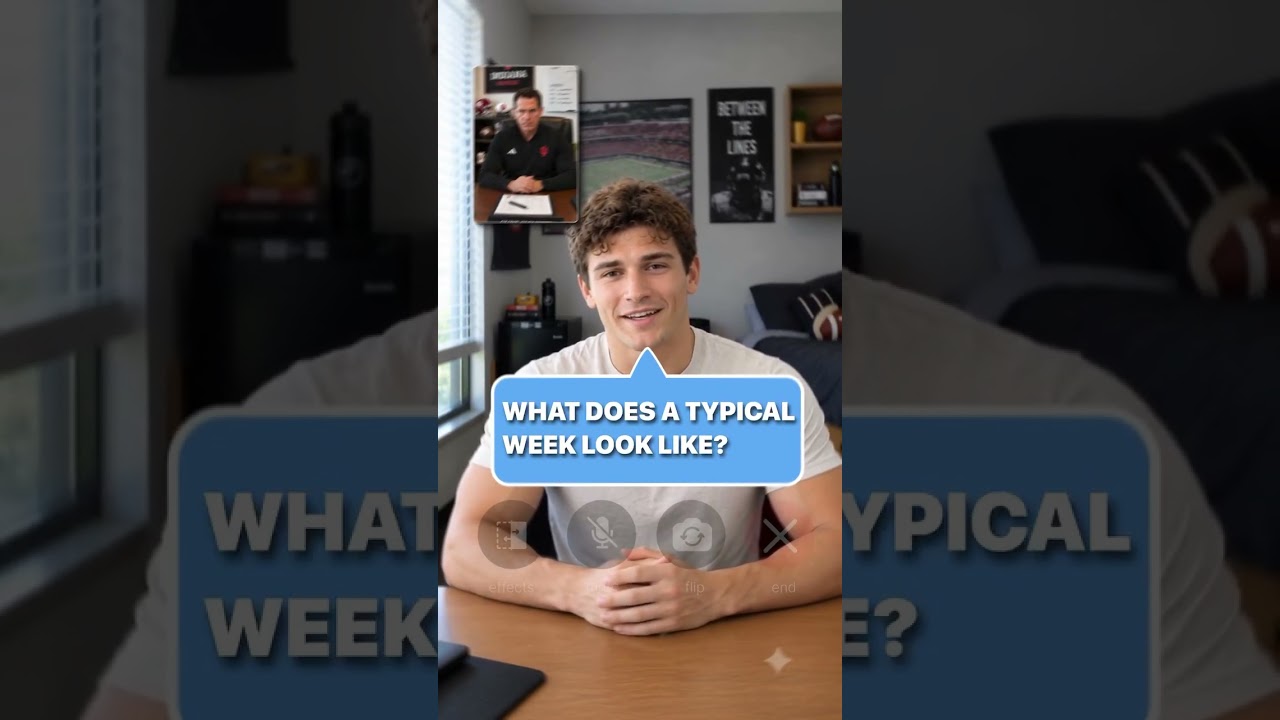
How To Talk To A College Coach 🔥 🎁 Comment “LIST” and I’ll send you my list of 50 questions to

How To Spot A Fake Offer 👀 🎁 Comment “PLAYBOOK” for my free Scholarship Playbook 🎁 Before you