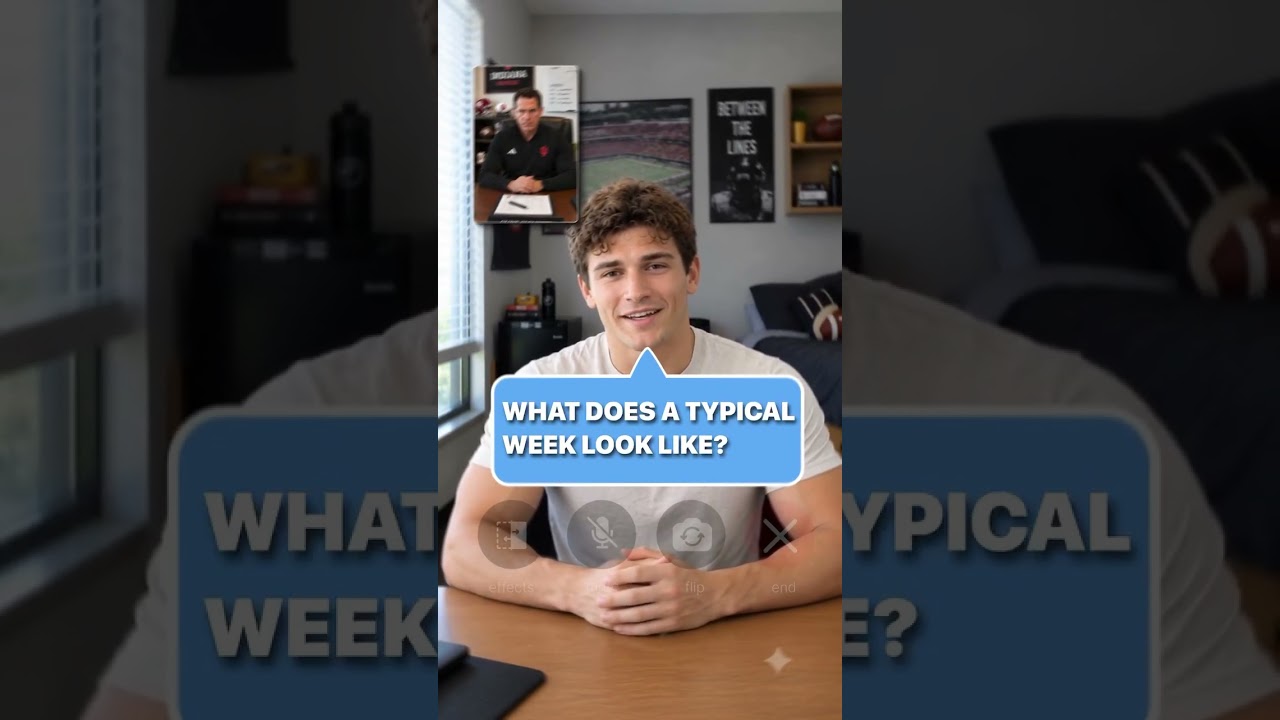
A YouTube coach (Trenton Luera) explains how high school football players can get recruited by doing the specific, consistent off-field work that separates the top 1% from peers. Key recommendations: daily, position-specific skill work (1–2 hours where relevant), focused strength/speed training with proper recovery (shorter, higher-quality sessions), disciplined lifestyle habits (sleep, nutrition, limited screen time, avoid substances), creating concise highlight tapes that show best plays early (30s–1min), early outreach to college coaches (start freshman/sophomore year), professional use of social media—especially X/Twitter—for recruiting, and keeping strong grades. The speaker emphasizes mindset and long-term consistency and concludes with a CTA to book a free planning call and a link to a related recruiting success video.
Chapters
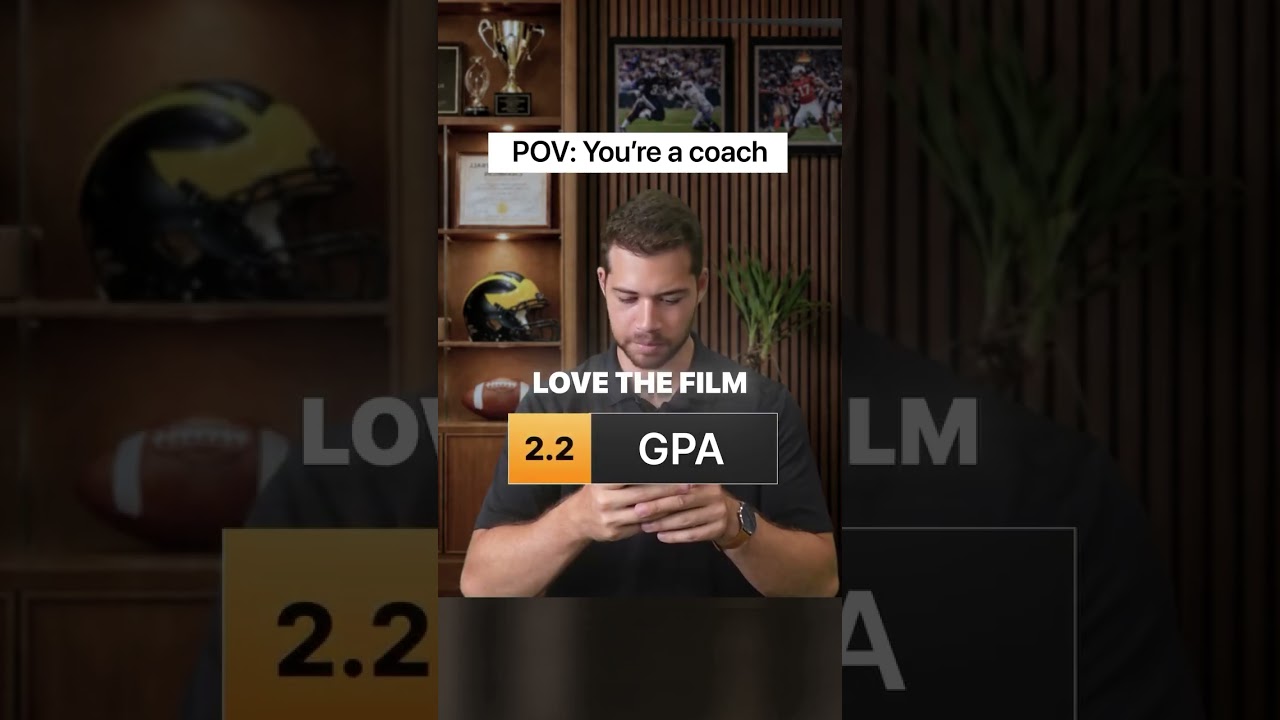
Most high school athletes want to play at the next level, but almost none of them are doing the things that actually move them forward. They train hard, but they're not training smart. They post on social media, but coaches still don't see them. They want to stand out, but they blend in without even knowing it. In this video, I'm going to break down exactly how your son can get ahead of 99% of high school athletes, even if he's not the biggest, the fastest, or the most naturally gifted. Now, if you don't know who I am, I've worked with athletes who went from average to getting real attention from college coaches by focusing on a few simple habits. These are secrets. They're just things that most players and families just never do. With that being said, let's get right into it. Now, the first thing, it just comes down to habits. Especially as a young athlete, you are building the foundation not only for the rest of your career, but the rest of your life. And so what you do every single day adds up. The athletes that make it to Division 1, that make it to the NFL, all they did was just be consistent with about making sure they were doing the right things day after day. One of the biggest habits that your athlete can continue to do is to make sure that they are doing things that build their skills. And this sounds very general because it is. For example, if you're a quarterback, every single day you should be spending an hour or two making sure that you are becoming a better quarterback. That means working on your mechanics, going out and throwing with the receivers, working on your footwork. Because if you can add up an hour or two each every single day, that turns into a lot of time by the time that you're in college or if you're playing professionally. It's the compound effect, just like in the stock market. If you're able to invest just a couple hundred dollars every single month, that can compound into millions of dollars in your 50s, your 60s or 70s. It's the same thing with football. When we're able to stack hours and hours on top of hours, you just become so much better than everybody else because you're just so much more advanced. You have so much more time in those positions that you want to be in. Now, outside of skill work, obviously you want to make sure that you're doing time in the weight room as well, spending time on agility and speed, as well as taking care of your nutrition. Sleep is a big one for athletes, especially younger athletes. And then making sure to stay away from drugs and Alcohol, staying away from your phone as much as possible, and screen time. Now, with your athlete racking up these habits day after day, putting in the right work, he's going to become substantially better than everyone else. And so this is going to show on the field drastically. The next thing is making sure that he's building a highlight tape that actually stands out and separates them from these other athletes and actually shows coaches that he put in the work off the field. I have a whole other video on that in more detail. But the key parts here is you're going to want to make sure that his best plays are first, they're short, to the point, and give coaches everything they do see within the first 30 seconds to a minute, because college coach doesn't have much time, and so they're not going to spend a whole lot of time watching the entire highlight tape. You don't want it to be this movie where it builds up to a climax. You want it to start right off with a bang and grabs their attention. On top of that, you're going to want to start reaching out to these coaches early, building relationships, starting to introduce them to your son so that way he can build that relationship further along and again, get that compound effect. It's what a lot of families just miss out on, is that they think that, hey, I can't start until maybe my junior year. Really, a lot of families think that they can just wait till senior year. But the reality is, is that some athletes are starting their freshman and sophomore year, meeting these coaches early on, building these relationships, and having years of work already done with this coach, where this coach trusts them and knows that they're committed to wanting to be a better player, to be a better person, someone that they want in their locker room. And so, of course they're going to take that kid on over someone who reaches out senior year. Now, I talked about the weight room earlier on. Big thing you want to do is making sure that you're training smarter, not harder. Now, to be fair, I'm not a weight room guru, but I did play college football. I did get stronger, faster, and went through that process in my own journey. One of the biggest things I learned is that you don't need to be in the weight room every single day. It's about a right mix of working out really hard during certain times and recovering really hard during certain times as well. Because if you're working out every single day, your risk of injury is going to be real high, and the gains that you're getting, if anything, is marginal. If not, you're going to be hurting yourself and actually getting weaker over time as well as your workouts don't need to be two hours long. Your workouts should be anywhere from potentially 30 minutes to an hour. And then if you're talking about longer, you're adding in things like speed and agility and more track style workouts where it could potentially stretch to an hour and a half to two hours long. Which when you're mixing in a strength workout and a speed workout in the same day. Now, speaking of being smarter, you're going to want to be smart about social media. Now I mentioned that obviously reducing screen time is a big part of the daily habits that you want to put in. But reality is, is that social media is one of the biggest things that can help your son get recruited to the next level. And so you're going to want to make sure to use it the right way. Now, I'm not talking about having him on there every single day scrolling TikToks. Instead you're going to want to get on X, formerly known as Twitter. It's where 90% of college football recruiting happens and so on. There he wants to use it as a professional platform, almost like LinkedIn. He shouldn't be scrolling on there every single day, but he should be using it every single week to message coaches, to post, to make sure to update his profile and to respond to coaches as well. This is going to allow him to start building those relationships, to get his name known, to start getting him scholarship offers. Now one thing I haven't mentioned yet is grades. The better your grades are, the more of advantage you have in terms of not only do you get more scholarship money in terms of academic money, if you don't happen to go to a Division 1 FBS school. But grades also gives you a lot more options. For example, if you have a 2.9, yeah, maybe you could go to schools like Alabama, maybe you go to a school like Auburn. Yeah, maybe they could sneak you in. But realistically, a school like Notre Dame, a school like Stanford, Ivy League schools, they won't let you in because they have higher academic standards than that. And unless you're the best player they've seen of all time, which I mentioned, if you're watching this video, you're your son is probably not one of those generational talents, then they're going to take someone else that has those higher grades and probably has the same talent as your son. So making sure that you're keeping those grades as high as possible is going to Give you the best chance at getting to your dream school, at giving you the most amount of options as possible. Now, the last thing I'm going to mention here is mindset. I'm going to talk about this for a good bit because I think it's out of any of these, the biggest thing, because ultimately, having the wrong mindset can be the biggest blocker to not achieving the goals that your athlete wants. Now, the number one thing that I think young athletes have to go through, have to constantly think about is, do I want this every single day? They should be committed to their goal of wanting to play football for whatever reason that may be. And so for your son, you want to make sure that he has reasons that continue to push him forward. I think for a lot of athletes, it can be this thing where it's just like, oh, I grew up playing it, so now I'm still playing it, and I now still want to play it just because. And just because is a reason. But there needs to be more behind it. Otherwise that drive can just burn out because it's a weak flame instead of this stronger flame where there's a more heavier reason that allows them to keep going when they aren't getting the interest that they want, when they aren't getting the results that they want, they can push harder just because they have more fire behind them. Now. Now, what I've talked about today is going to be extremely helpful. It's going to give you a good idea of how to continue improving, how to separate your son from the pack. But ultimately, it's not enough. Obviously, these things are simple but not easy. And all these steps, I give your son a big advantage. But every athlete has a different starting point. For example, I'm imagining different starting points, but I can only imagine the process and the pain and the situations that your son has gone through. So knowing what to do is ultimately one thing, but having a clear plan for your own situation is what actually just changes everything. So if you want help building a real blueprint for your son, from the highlight tapes that he makes to the outreach that he does to coaches, to what priorities to actually focus on the off season, check out the link below and book a free call with our team today, walk you through what we do, how we do it, and see if we're aligned to potentially work together. And then right after that, you can also check out this next video on how we got Cooper, from a small town in Montana, to play college football with multiple offers to choose from.