What to expect from a phone call conversation with a college coach
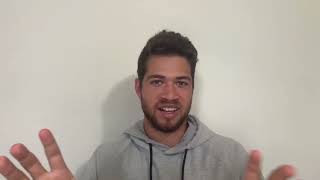
Former college quarterback Trenton Luera breaks down the first phone call with a coach. The goal is to transfer confidence so they become your advocate. Project high energy, give full answers instead of one-word replies, and ask researched questions that show you've done your homework.
Chapters
Okay, so today I'm going to be talking about the first conversation with a college coach. Your entire goal about it and how to go about it with complete confidence. So if you don't know who I am, I'm Tren Lohre, I'm a former college quarterback. And how this video is going to go, it's going to be completely unedited, unscripted. So be sure to pay attention because I'm going to share a lot of gems throughout this. So the first conversation, and I'll just give the backstory of why I'm talking about this is was talking to a parent just yesterday, actually, we hopped on a 30 minute call on a Saturday evening because that's what I do for the people I work with. And we probably chatted for about 30 minutes and one of the situations that popped up is just like, okay, so we're gonna try and hop on this phone call with the college coach. How exactly is that gonna go? And what are we trying to like, what are the do's and the don'ts? It's a great question. I was like, I've already recorded a video in there. But I kind of was rehashing through some things off the top of my head and it gave me some great clarity on what that first conversation usually goes, what to expect from it, and really what your entire goal is about it. And so what I told him is like, really your entire goal of the conversation or what his son's goal of the entire conversation is, is to leave the coach, like after the phone call ends, you want that coach to hang up and go, I really like that kid. We need to offer that kid, like, he is such a great kid. I'm gonna go into that recruiting room, I'm gonna go in that recruiting meeting next week and freaking bat for that kid. Because we need to offer this kid a scholarship. That's what you want. That's your entire goal of that conversation? Essentially. I just essentially refer to it as transferring confidence. You want to take your energy, your confidence, and maybe this is a little woo woo, weirdo stuff, but it's just truthfully. And you could think of this from a psychology standpoint too, but you want to exude so much confidence that the confidence goes to this other person and they feel it as well. And they feel like, dang, this kid's confident. I really like him. We need to recruit him and offer him. Because I think a lot of people think about these phone calls as like. And maybe you think about it as well is they think there's some magic words, some magic questions that you can ask that will turn this conversation from just a normal conversation to a scholarship offer. And that's just not how it works. Not how the recruiting process works, not how recruiting works within schools at any level. How it actually works is they know ahead of time whether they're going to offer you or not. Because most likely who you're talking to is a position coach, assistant coach that doesn't have the power to offer you a scholarship without talking to the head coach or coordinator first. And so they know ahead of time, like, okay, hey, I'm just having this conversation, or, hey, I'm gonna offer this kid. And so you saying anything on that call is not gonna lead to the conversation to shift. And they're gonna be like, oh, my gosh, I'm gonna offer this kid a scholarship right now. That's not how it's gonna go. And someone can feel free to prove me wrong. So with that being said, with knowing that you're not going to get a scholarship offer, if they already have planned not to, then our goal is not to get a scholarship offer on this call. Our goal is to get closer to a scholarship offer. The best way to do that is to turn this coach from, okay, I gotta hop on a phone call with this recruit, Whatever. We'll see how it goes. This film's kind of good. Whatever. To leaving that call, going, just being a raving fan, essentially, and being like, I love this kid. This kid's awesome. We need him on our team. He's just an awesome person. He'd be a great fit in our locker room. His film's solid. Like, let's go. Let's. Let's cry this guy right now and moving him up on your. On his board so that way he can influence the rest of the coaches and be a salesperson for you in that recruiting room. That's the biggest thing that you want. And so now with the understanding of that goal, because I think that's so crucial, you need to have an understanding of, like, each piece of the recruiting process what the goal is, so that way you can customize that situation at your will to accomplish that goal. Because it's all about just recognizing the goal and then figuring out how to actually accomplish that. So we've established that, like, that's our goal. Just turn that coach during that conversation from skeptical to confident that we can help them win games, which is the problem that they're trying to fix. Now, how we do that, it really comes down to a couple pieces. The Number one, like obviously it's all about confidence. So you need to be confident on the call and this is tough as a, as a kid to do. If you're a parent listening to this, I understand you may be like my 16, 17, 18 year old, maybe is, can't be confident. Like they're, they're quiet, etc, I get that. You just have to practice with it and, and I won't really dive into that because it's, it's a long process. But the more reps they get, the more confident they will get. I, in the first conversations I had with coaches, I was not confident and I didn't really do the best I could at them, but I learned over time. That's why I'm sharing this stuff with you. But the biggest thing is just confidence. Like just fake it's all you can make it and just be high energy. Those are the two biggest things. I'm not a high energy guy. Maybe I show that on camera, maybe I don't. I'm pretty introverted kind of person. I've probably changed a little bit over time. But like I want to describe myself as high energy. My, I imagine my girlfriend wanted to describe myself as high energy. But when I was on a phone call with coaches, I would just be like, I would expand on all my answers. I'd never give one word answers. I would ask plenty of questions. I'd be into the conversation. I just, I'd pretend like I was having it with a conversation kind of with an acquaintance, a friend I kind of knew and they were just a little bit older than me. That's kind of the frame that I took because that's the way that you should look at it. Like they're, they probably played college football, they probably played high school football. They probably, they've been around a lot of guys like you. And so just having that frame in mind makes it a little bit less nerve wracking. So with that, you want to be confident, that's the number one piece. I will continue to say that because if you can be confident, the rest of it usually takes care of itself. But that's just the biggest skill that you can apply to the situation to get that desired result of they hop off the call feeling very good about you as a person. The number two thing is questions. You want to ask questions. I kind of mentioned this already before, but just asking questions. And the biggest thing is you want to personalize these questions to you and to the coach. Those are the two biggest things. There's not really a Secret question that just changes everything. I'll be honest. Like, there's no secret questions. There's one question that I have, like, all the families that I work with ask, and it's, what is the next steps in the recruiting process? But outside of that, like, there's no other required questions. The rest of them are up to your discretion. But you do need to ask questions. And so, I mean, I could give you a freaking word bank of questions, but ultimately, you need to ask the ones that matter to you. So that way you can get more information about the school and the program, the coach, and decide if you want to continue getting recruited by that school or commit to them later on. And then number two is personalized questions to that coach in the school showing that you did your research, allowing them to talk about themselves, have better conversations, all that stuff. So that's a big thing. And I can kind of give you some examples of just like, hey, you look at the coach. He played on a certain NFL team with a certain player. You can ask him how it was playing with that player. You can ask him how it was to coach former past players. You can ask him other stuff about where he grew up, whatever. Those are just some examples that get your kind of mind running. So those are the big things about questions. So those two things will help you out a lot. Confidence in questions. Now, how will this call actually go? Just so you know what to expect? And that way you can hop on the phone call or not just without any experience or any idea of how it's gonna go. So I'll be honest, they're not very structured. Like, generally, it's a very open conversation, very light. I've hopped on very few calls where I was like, okay, it's obvious. Like, he kind of does a very similar process with each recruitment. Generally, you're gonna hop on the phone. They're gonna. They're gonna hop on the phone with you, and you're gonna be just talking back and forth, and they're gonna ask you, like, right now I'm recording this in May, so school's kind of wrapping up. Hey, you know, how's school going? You guys wrap up with school? Oh, how'd you finish up? Like, how are your grades, etc. You come to our camp, like, those are questions they might ask stuff like that. And it's not. It's not gonna be very structured or like an interview. It's. It is an interview, but it's a very light interview. It's just a conversation. And so understanding that is like there is a flow to the conversation, but it's not a script. And so you have to be open to changing and shifting the conversation in the direction that you feel is fit. And that just does take some time to get used to. But that is ultimately the truth about those first calls is they, they don't have a lot of structure there. I've been asked a few questions during my time as a recruit and I mean I got like, you know, the generic interview question of like what are your strengths, what are your weaknesses? Once, once. And that was toward the end of my recruiting process. I definitely have gotten like why you want to play college football, what is why do you love football, etc. Those are great questions to be prepared to ask or be prepared to answer. But ultimately like it is very open. Like I can't stress this enough, it's very loose. So know that coming into it and know that hey, I can kind of guide the conversation too. It doesn't have to be fully in the coach. And that's why again, it's important. Expand on your answers. Don't just say yes. No one word answers you want to say. Yeah, actually, you know, we just finished up school youl know, this last week I finished up with a 3.8 GPA and yeah, now we're just kind of, we have a week off right now till we start summer ball and I'm just kind of resting up a little bit before then because you know it's gonna get, it's gonna get a little hectic and you know, just want to take it easy on my body. That's a great answer to a question of a college coach asking about hey, how's school going? And ask questions too. You know, hey, and you could even finish that off with a question. Oh, you know, I'm curious like how, how's everything going over at ball boss school? Like are you guys, what are you guys doing right now? Oh, and they'll answer and they'll ask you about a question. That's how a conversation goes. Hopefully I don't have to explain too much how a conversation kind of flows, but that is what a conversation looks like. That's your goal of the conversation and that's how you accomplish that goal. So hopefully this has helped. If you got something from this, then be sure to like this. Subscribe Follow for more Share this with somebody so that way they can crush the next conversation that they have with a college coach. And if you are looking for one on one help with recruiting, then go to scholarship-accelerator.com. you can book a call with me personally. I'll discuss your recruiting situation, see if you actually even need help. Because if you don't, then there's no reason to work with me. And if you do, I do feel like you need help. Then we can talk about that, see if it makes sense for you. So hopefully this helped. And I'll see you in the next one. Peace.
More from Trenton

POV: A College Coach Reacts To Your GPA 🎁 Comment “SCOUT” for a free list of 11,000+ college

What To Do Get Recruited 🔥 🎁 Comment “TOOL” and I’ll send you my free college football recruiting
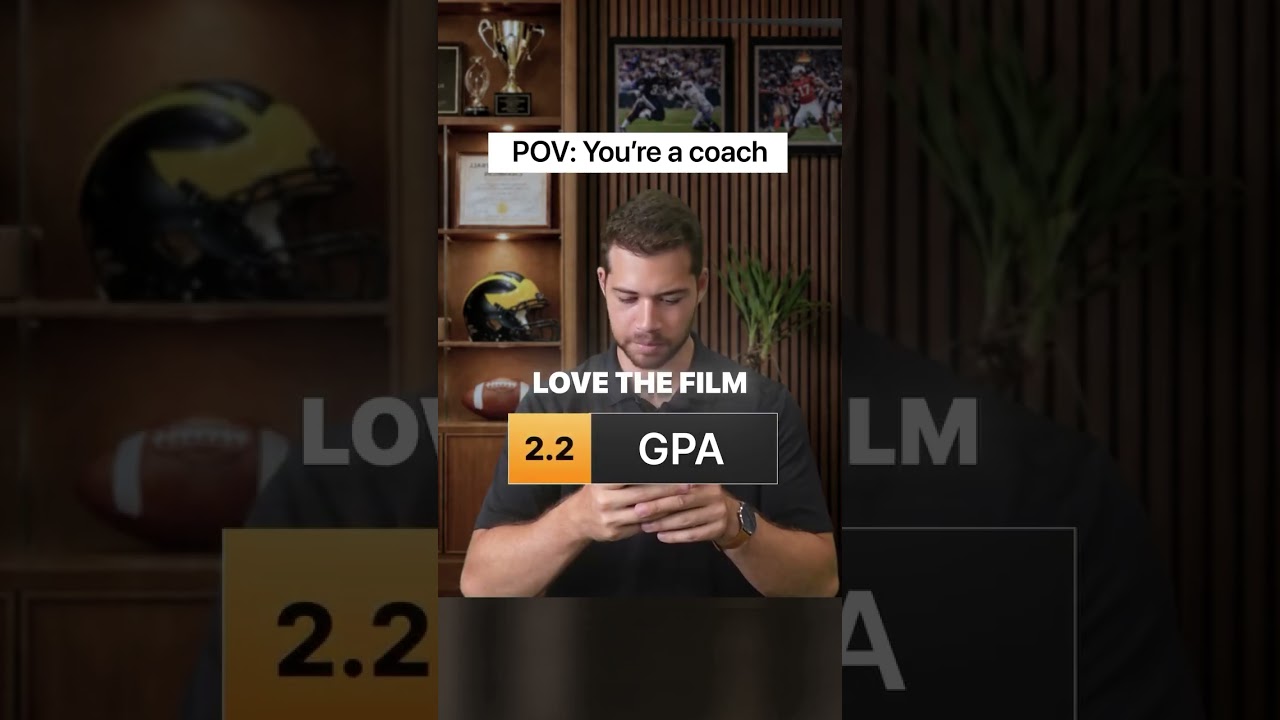
POV: A College Coach Reacts To Your GPA 🎁 Comment “SCOUT” for a free list of 11,000+ college

How To Setup Your X Recruiting Profile 🔥 🎁 Comment “PLAYBOOK” to learn how to get a college

What To Do After A Bad Game 💩 🎁 Comment “LIST” for a free list of 50 questions to ask a college

How To Setup Your X Recruiting Profile 🔥 🎁 Comment “PLAYBOOK” to learn how to get a college

What To Do After A Bad Game 💩 🎁 Comment “LIST” for a free list of 50 questions to ask a college
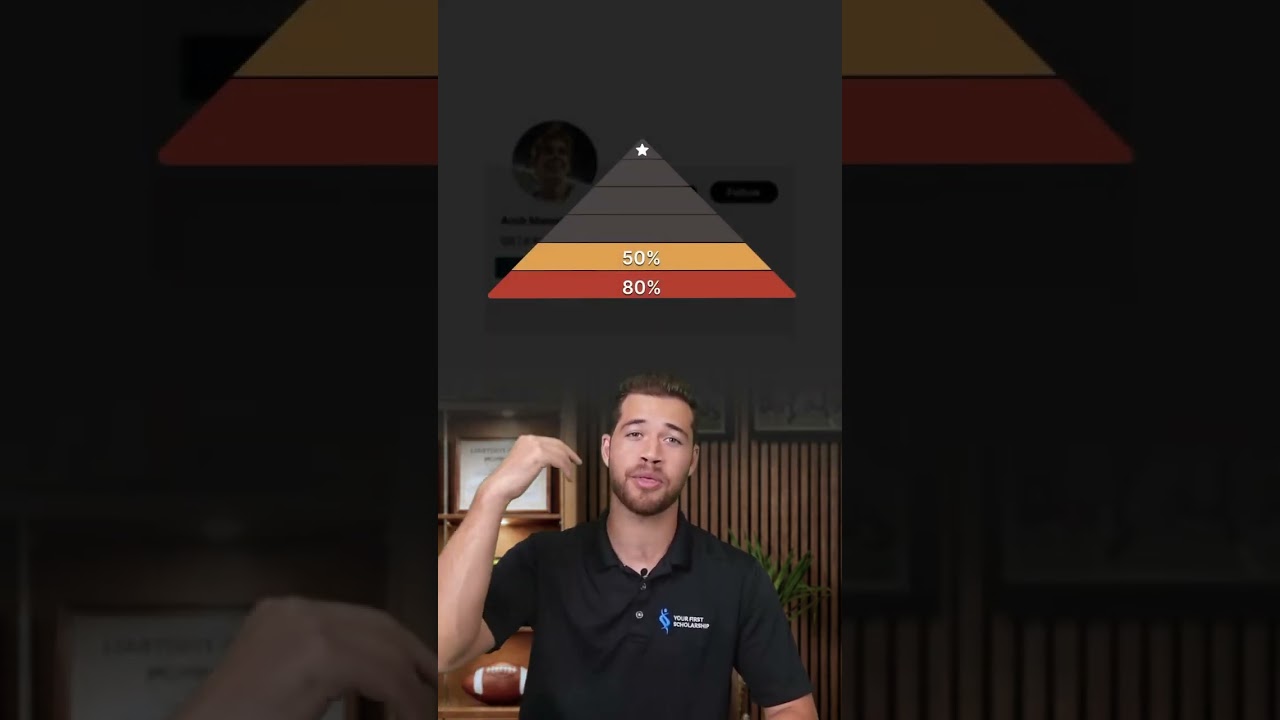
How To Setup Your X Recruiting Profile 🔥 🎁 Comment “PLAYBOOK” to learn how to get a college
What To Do After A Bad Game 💩 🎁 Comment “LIST” for a free list of 50 questions to ask a college
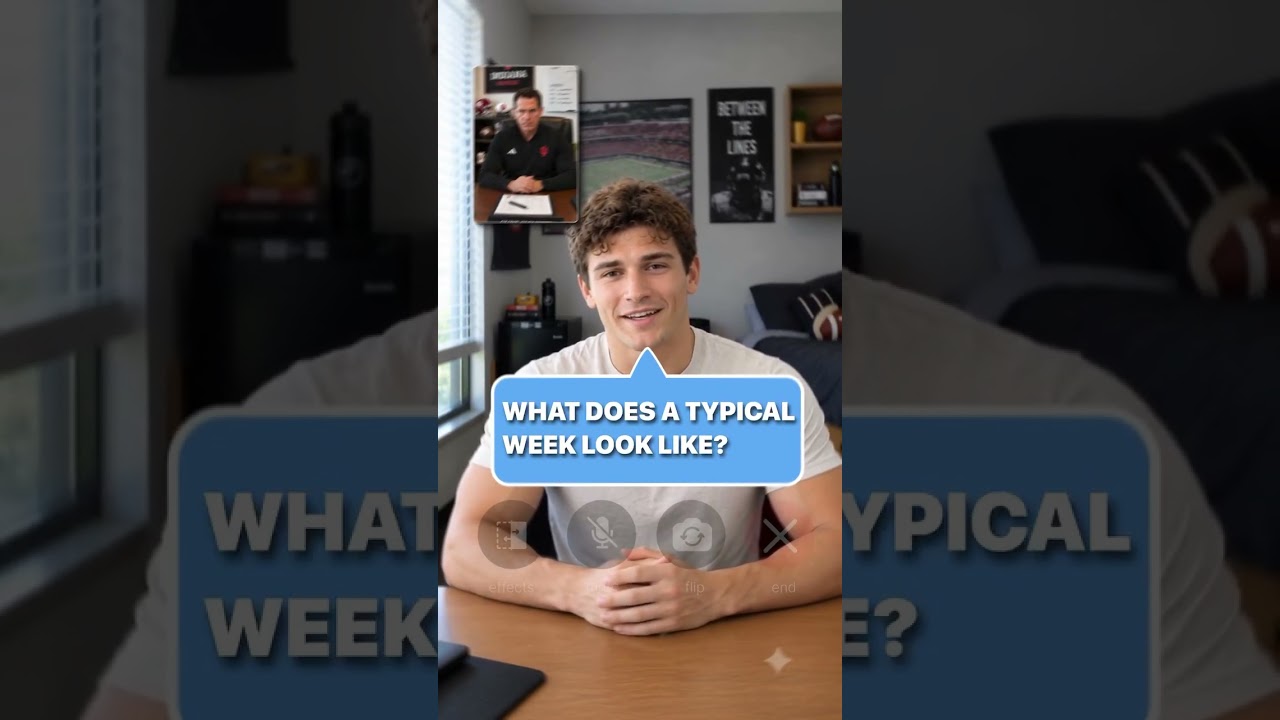
How To Talk To A College Coach 🔥 🎁 Comment “LIST” and I’ll send you my list of 50 questions to

How To Spot A Fake Offer 👀 🎁 Comment “PLAYBOOK” for my free Scholarship Playbook 🎁 Before you