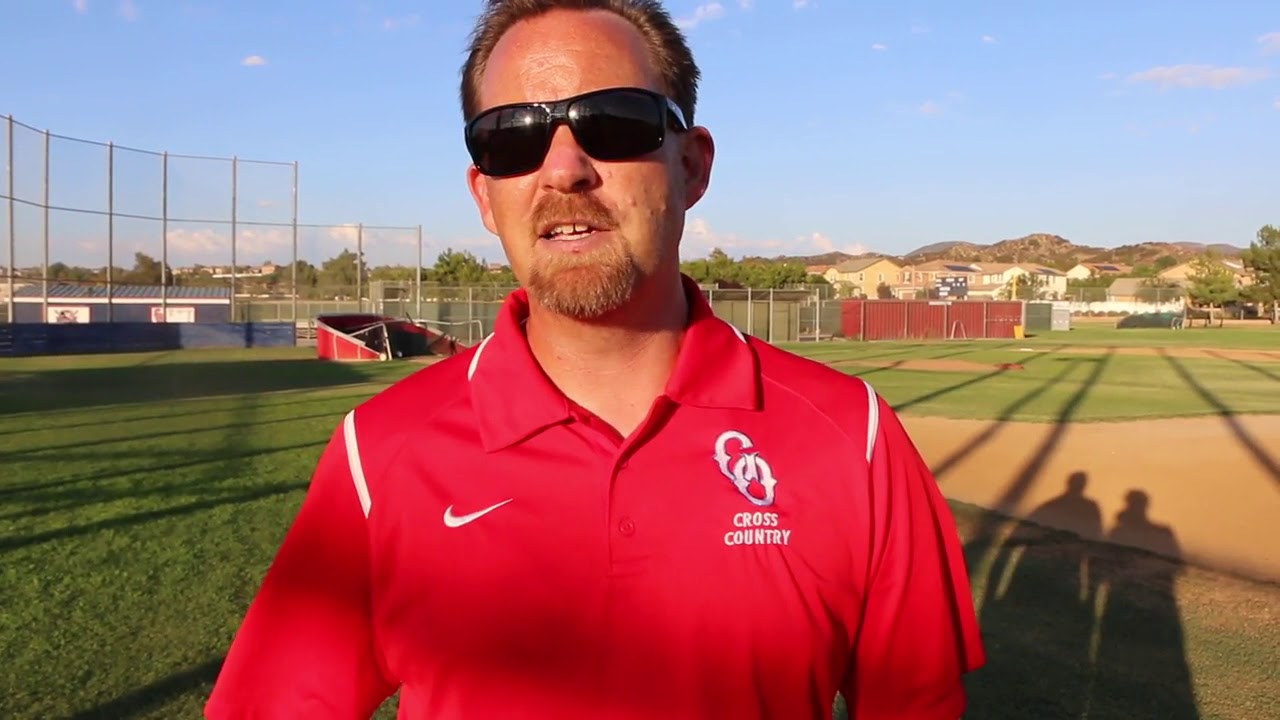
In this brief dialogue, a head coach discusses the essential components of assembling and maintaining an effective coaching staff. He emphasizes the importance of finding collaborators who share the same wavelength, exemplified by his partnership with Coach Noble, a chemistry and biology teacher who provides physiological insight and challenges his ideas, preventing echo‑chamber dynamics. The conversation also highlights the value of younger coaches who bring collegiate running experience, fresh energy, and a different mindset to the high‑school environment. Central to the staff’s success is clear communication: setting expectations, providing necessary support, and ensuring coaches have the resources to fulfill their roles. The coach stresses that while staff should be challenged to improve, they also need adequate backing to achieve their objectives.
Chapters
How important is it to kind of build up that, that staff and those people that you kind of trust and care about to help you and aid you? And in what ways do they, they kind of each have their specific roles?
Yeah. I mean, I think more than anything is finding that person that's on the same wavelength with you. And I found that with Coach Noble early on that really helped me out knowing that I could bounce ideas off him. He's a chemistry and a biology teacher. So, you know, a lot of the stuff that maybe I understand from a coaching standpoint, but not as much a physiology standpoint, I can ask him questions. We can really go back and forth and push things. And I think the great thing about him is he makes me better as a coach. He's always challenging me. He's always trying to make sure that I'm doing the things that I need to do. You know, nobody, nobody needs yes-men. You know, we all need coaches that are going to go out there and make us better. It doesn't mean that you're against everything that the head coach is doing, but, you know, more than anything, he makes sure that I'm on, on the right path, which I think is critical. And then the younger coaches that we have, you know, one ran for me and one ran for Murrieta Valley, but they ran in college and they have that experience. Experience. And so they bring, you know, kind of a different mindset than, than just the high school mindset. And I think that's a lot of the times the younger coaches are awesome because they come in with a lot of energy. And, and, you know, I think when, when you communicate well, your coaching staff will do well. If you don't communicate with your coaching staff, you're not, you know, always letting them know what's expected and what's going on, and you're not giving them that support that they need, then you're going to struggle. But I go out of my way to try to make sure that they know what they need to have accomplished. But on the flip side of that, you got to make sure they have the support to actually get that done.