Extending the Use of Digital Assets into Retail, Marketing & e-Commerce | Deckers | PI Apparel
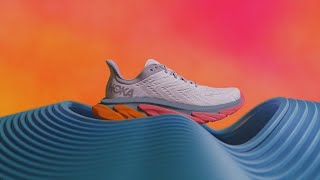
In this presentation Mitch Harvey, Senior 3D Innovation Manager at Deckers Brands, outlines the end‑to‑end 3D digital‑asset pipeline that supports the company’s portfolio of brands (UGG, Teva, HOKA, Sanuk, Koolaburra, Deckers Lab). He walks through the creation phase – from CAD (RomansCAD, Rhino) and apparel simulation (Clo3D) to material digitization (Swatchbook), scanning (RestAR), 3D printing, virtual fit testing and plus‑size validation – and shows how these assets are integrated with PLM (FlexPLM) and a custom visual line‑planning tool that embeds 3D and AR. The talk then details downstream distribution: internal sales and design reviews, consumer‑insight platforms (Maker Sites), marketing animations (Cinema 4D, external animators), social AR experiences (Snapchat lenses, Facebook 3D ads), digital catalogs, B2B tools, and virtual showrooms/VR. Throughout, Harvey highlights operational benefits (sample reduction, faster buy‑in, automated BOMs, material‑scan tracking) and ROI evidence (conversion lifts on Snapchat, cost savings on catalogs, reduced physical sample cycles). The presentation ends with a Q&A on AR implementation and future platforms such as TikTok and metaverse‑style virtual stores.
Chapters
So I'm Mitch Harvey. I am Senior 3D Innovation Manager for Decker's Brands. We have a collection of brands, so like UGG, Teva, HOKA, Sanuk, Koolaburra, and Decker's Lab, if I didn't say that already. And so I wanted to talk about extending the use of the 3D digital assets that we create in a 3D team all the way downstream to retail Marketing and e-commerce. So I wanted to begin by talking about the create, make, sell, and the software that we use, and then discuss a little about how we create and make these assets, and then more on to how we sell these with the different platforms that we've created. So you can see there's a lot of things that digital product creation touches on. And it can be a little overwhelming at times. And we pretty much do all of these things, which are all benefits that also have an ROI that we need to put together when implementing 3D. And so you can see the general modeling digital product creation. Material digitization, colorway rendering, generative design, 3D printing, and then using that actually in consumer insight and our visual line planning tool, which is a relatively new thing that during COVID with everybody at home, we needed ways to start line planning, design reviews, and line reviews. And so I'll show a little about that. And then of course the make side, so bill of materials, pattern automation, print, and pattern layout for apparel, and virtual fit testing. And another thing that we had to implement was sample scanning. And so we're not doing this with apparel, but we are doing this with shoes. And this helped us with the stuff that we couldn't create. We didn't have a big enough team to create everything. And so we had to find a way to have digital twins that we could use in these platforms like the visual assortment tool and the visual line planning tool. And then onto selling. We used to be pushing our assets downstream a lot, but at this point, the marketing teams and the e-com team and our social team, And our digital marketing team all are on board and using it in different ways, which is great because we're not so much pushing now as having to figure out how to get all those assets to everybody. And so there's a lot of software involved. I will go into this in more of an organized manner, but I just wanted to show you it takes a lot of different things to get all of these things to where they need to be. And so this is just a little overview of how many platforms have 3D, either we're creating 3D or they have 3D in. And so this makes a little more sense, and you'll have seen this before. So for apparel, we're actually using Clo3D. And then for footwear models, we're mainly using RomansCAD. To build the uppers, Rhino to build the soles. But we've also implemented RestAR in the last couple of years to scan the shoes. And so a lot of the rendering for us happens in Modo. But what we found is the marketing department use Cinema 4D a lot. And so we're actually slowly making a transition to Cinema 4D just so the assets that we're rendering can then easily be animated. And all of these 3D models go into the 3D viewer, which at the moment we're using Sketchfab. And this works well for us. It's maybe not footwear or apparel specific, and it is more of a marketplace, but we're able to put all of our assets on there and then embed into all the downstream systems that we need to view these for meetings. Then 3D printing, of course, for any models created, we 3D print either the full shoe or the outsole or components or trims. Then the visual assortment tools are actually things we built ourselves. So I'll go into this in more detail. These didn't exist like 2 years ago. So we had a B2B tool where we did ordering, things like that. But the visual line planning tool came from the need of, like I said, everybody working from home. But often the B2B tool also was difficult to visually create assortments and by region, by account, by door. But we were able to build something that we can do that and have 3D embedded within that. Then consumer insights, we've been using Maker Sites for a very long time, but we were able to put 3D in that, and so the consumer can really rotate the shoe and give feedback on either the color, the name, or the style in general. Then social media, and so this is much more the digital marketing team, but then taking our assets and making experiences for the consumer, whether it's AR or with Facebook just recently having 3D embedded within it. And so, yeah, on the creation part, so we're using RomansCAD, and we use that in virtual design and line reviews. Helps us to reduce samples and also improve samples. So we found that instead of 3 samples to get something correct, we're more at 1, or it at least improves the speed of pattern making and automating the bill of materials for the developers. And then we use these to preline to accounts as well. So a month before initial line review, we will go out to accounts and get feedback on the 3D, which is much earlier than we've been doing previously. And even you could imagine you can do that with CADs, but it's just not the same. With 3D, they can really make a decision there. And then sales meetings, of course, and like I said, marketing, social, and e-com, which I'll get into. And so this gives you a quick glimpse at Roman's CAD. So CAD software, you can build the model and the pattern. And then we're rendering— these renders are in Modo. And so you can see the render versus the is pretty realistic. And we can do simple animations within the 3D team, which helps with those design or line reviews to actually tell a story and get buy-in earlier. We've connected Roman's CAD to FlexPLM. This is something that we did a little while ago. And so you can see there's a lot of information coming from FlexPLM on the left there. That we can use when we're building the model in RomansCAD. And so we have a lot of 3D assets in RomansCAD, like last, soles, materials, components, and then we build up the style lines and the uppers and create colorways within that. And that allows us, because we're assigning those materials and those part names, we can push back to PLM the 2D pattern, the bill of materials, and precasting, which is all automated. But I've highlighted in red there the 3D model we're also able to put on Sketchfab and then embed into PLM. So even PLM has 3D that can be viewed. And I also put in red in the top left there just something that's been a huge difference for us is the 3D model status. So everybody can see if the model has been requested, who's working on it. Which is really helping us track what has been done. And so the brands can actually see what's available and what's available for color apps, material apps, and also the material scan status. So separate thing, but if we know what models are going to be built and we know what materials have been scanned, it makes it all a lot easier to just scan the materials that we need. Saves a lot of time. We also use these for tech callouts. So at different either line reviews or especially sales meetings, we like to do things like this to really outline the technology in the models. There we go. Then of course, 3D printing. So there's been around for a while. We actually don't use it too often for the full shoes anymore. This is much more to save time sending the mold, like new molds back and forth from Asia. So a lot of the 3D printing is actually outsoles. We mostly rely on the renders for the full shoe. And then we implemented CLO maybe 3 years 3 years ago now. And so we're using this also in virtual design reviews and line reviews, which allows for a lot of quick iteration. We're getting a lot of success with design reviews, really being able to show something that's realistic rather than a simple CAD at that stage. And it's relatively quick if you don't worry too much about drape to get these things for those reviews. Again, improving and reducing samples, virtual fit testing, early buy-in from the team, and then pre-lining to accounts, and new designs and patterns, color and material-ups. There's a lot of color-up and material-ups that we do, of course. Once you have that design, it's the best way to reduce samples, and then print and pattern layout, which I'll share in a second. So you know what CLO looks like most likely. This is just an example of a render of one of the recently released HOKA apparel garments. So you can see the render there and then the photograph. We're not planning to replace any online imagery. With 3D unless we're in a pinch for some reason. It has happened. But mostly, we see 3D just as an additive to the images that are online. So having interactive 3D. So showing just how a CAD versus the render, when you actually put the garment together in 3D, it can look very different. So that's why we do it. Sometimes it's a surprise to me when I see the CAD and then I see the 3D, and the 3D is what they want. Then print and pattern layout. So this is something that Peyton did, who's over there, to my team. Peyton and Yvette are over there. She put this together as a collaboration with Claire Tabaret, and so she was able to communicate the print and pattern layout and get the samples back and how we wanted it first time. Then of course, animations that the 3D team do, they're not too crazy complicated. We're trying to model and render, and so we leave that to the marketing department that I'll show you. And then material scanning. So this is also new for us. So a few years ago, we would have been talking about Material Exchange. We actually made a switch to Swatchbook, and it's working really, really well for us. So it's an online library. It's actually owned by the materials team internally, which has been— a huge relief for the 3D team. So now we can just have those materials requested and somebody with the materials team will go and get the suppliers to send the materials to Swatchbook to get them scanned. And that has saved us so much time and worth the subscription that we're paying each year for sure, and gives us PBR textures. Another thing is fabric properties. We didn't have that before, and we were trying to figure out our best ways in getting as close as possible. But with Swatchbook for Clo, it's been a huge help.
And you can take the questions.
Yeah, go for it.
So are you using Swatchbook instead of—
Yes. Yeah. Yeah. And with PLM, Thomas, that's what I was talking about. Sorry, I just wanted that to play in the background. Being able to have all that tracked in PLM has been a huge thing for us. So every material has a material status, whether it's scanned or not. And so we can pull a whole season's line plan and see what has been requested in 3D, but then also pull a material report that says what materials from that we haven't scanned. And so it's all pretty automated at this point. Of course, Swatchbook has suppliers that may be new to us, and so it's working as a great library for the brands too. Then just wanted to touch on a couple of things that's just recently happened is Alvinon. So we actually just got the forms yesterday, or yeah, I think it was Friday. I haven't even logged in to download them yet, but this is going to be a huge help for us. For both HOKA and UGG. So having the physical and digital forms. The brands paid for this as well. I thought it was again going to be something the 3D team have to foot the bill for. I keep mentioning that because just over time, all the other departments are starting to step up and it was a waiting game for everybody to see the benefits of 3D. So yeah, fit testing and plus size. Which I might have had on the other slide. Plus size has also been a huge thing for us. Being able to test plus size way before in 3D is something that we often have to wait a long time to see how it's going to work out and it isn't its best at first. This has been helpful for us to fit test. Then shoe scanning. So this is actually in every factory. So we don't really run this, but we get back all the shoe scans from every single factory. So we can do quick pullover revisions without actually receiving the pullover at times. So sometimes the designer will see it and know straight away, don't send it. I'm going to redline it and redo that and then send it. And so this gives us a shared digital library of digital twins of all the samples that we have being made, which means we can also see the different versions as well. So you can sort of tell the story of how it progressed. And it's used for internal and external meetings. So all the critical path milestones, so like design reviews, line reviews, and sales. But we also embed these into our consumer inside platforms and sometimes consumer-facing as well. How RestAR works, each factory just bought a ring light, a turntable, a light box. They're using the iPhones that they already had. As long as it's on the right, it's new enough. Then we put a QR code underneath the shoe, and obviously the iPhone's on a tripod. And so they just prepare the laces, stuff the vamp, remove the tags, all of that stuff, which took a bit of time at first. There was a good few months of back and forth. But once everybody got it, it's been working really smoothly. And so it turns 360, and then you take a picture of the top, and then you flip it upside down, take a picture of the bottom, and turn it 360 again. And so it's taking videos in those 360s. and then RestAI will stitch it together. Something like a pullover sample, we can actually get it back within the hour because it doesn't need too much post-processing. If we have a large batch for sales meeting, we might be waiting 8 to 9 days to receive all of those. So you can see a designer genuinely— I actually did this myself because I didn't have an example, but I've seen designers redline these, so they just take a screenshot. Red line and it helps them communicate. Because I don't know if you've seen some of the photographs otherwise the factory would take. Sometimes, yeah, it's hard to even see what the shoe looks like. And so like I said, Sketchfab is where a lot of this stuff lives. And yeah, and then just quickly onto Rhinoceros, obviously form finding. We're not building all the soles internally. So a lot of that stuff's happening at the mold shops, but either simple volumes or very complex soles we're actually now bringing in-house. And so we're using Grasshopper not just for all of the stuff on the sole, but actually upper design language and using that design language in packaging. So that's helping us there, and obviously lattice structures and 3D printing. Here's some examples. The one at the bottom right is the only one that's gone ahead. Actually, the Tethered treads as well, but it really helps us to ideate. But we only really have one person that knows how to do this. I know other brands have teams, but this is something we're planning to grow for our innovation department. Then virtual reality is another way to create things that HOKA designers are doing. So we support it, we train people, but actually at the beginning of each season, they find time to turn their sketches into VR models, and it's working really well. I don't know if the rest of our brands are going to adopt this, but I'm so surprised by what they're now creating, some of which I can't show you. I can show you this, which is the very first season, but I'm now consistently blown away by what the HOKA designers are making, far beyond what I feel I could make. So it's been really, really impressive to see. We also help them out. There's no examples here where we will take those VR models and texture them and do all of that stuff. They don't really have time for that, but we're happy to oblige and get them something that will look good for their meetings. So now on to how we use it downstream. So Maker Sites was an easy one. It was a software platform that we already used for consumer insight. What Sketchfab allowed us to do was just embed that into the platform. So it meant that consumers could really spin it around and give good feedback. So that made us think about, okay, how many other— like PLM is not that visual. And so can we get 3D in there? And when we did that, there's still— it's hard to plan the line and merchandise and all of these things. So we knew we needed another tool. You may have heard of VIBE. This is a tool by Archer Gray that is a visual line plan. We initially started testing with them, and they were amazing. We just decided as Deckers that we need to build this internally, and so I worked with a team that's actually based in Asia to create this whole platform from the ground up that obviously has embedded 3D and AR capabilities. And it meant that we've got a new department, which is Product Lifecycle Technicians. There's a better name for the full team. But they built a line planning tool that you can merchandise. You can drag and drop across intro dates, All of this is integrated with PLM. So you're actually able to do what either used to do on a wall or you're doing it in Excel. You can actually do it live in a more visual tool and have it update PLM. So also you can create presentations in this tool, give feedback, notifications, forecasting, and it's also available on iPad and mobile, which is really crazy to have all of these things on the mobile now. That's even for our sales tool. So people can just be anywhere and seeing all of this information. I think I may have degraded the quality of this a bit too much. So you can see there's comments, history. This is just the line plan view. But there's another thing that is notifications. So we weren't really using notifications too much in PLM, but there's a lot of things that people need to know at certain times. So we've really used the notification to not just keep people up to date about comments and feedback, but other things that it may be time to do and time to look at. So you can see here all the details. Then we use that same tool, but we've segregated it out to our B2B tool. So similar things with the embedded 3D, who owns it, but we're using this as a virtual sell-in and also to replace the physical catalog for every brand. We're still another year or two. We're slowly reducing the physical catalog just to ease them into it, but there's no reason at this point why that is needed. And so we're moving towards a digital catalog that will save maybe only 16 grand per brand per season, but all of this stuff adds up. This avoids also the data re-entry of things used to be filled in in the catalog and then you have to go home and put it in the system. Now they're doing it live on the laptop with the people or the iPad. So regional and account assortments, even by door, again automate presentations, feedback, notifications, and forecasting. So having that all digitally and with 3D really feels like it's more in the future. And so you can see here, you can automate the presentations to a certain level. So whether it's regional, a lot of them would— a lot of the regions would be creating their own each time. But this gives us the master line plan, the regional line plan, and really helps us to to speed up that process. If you imagine if there's any drops or late adds or late changes, it is all automated. So sometimes they would print the physical catalog and then something's wrong and they have to explain that something's wrong. Now we can actually update it in the system and it updates for everyone. If there's a drop, it gives you a notification that that's dropped and you have to figure it out from there. This is showing the intro day. Then onto marketing. We're using mostly external animators. I didn't like that at first. I wanted to bring it in-house, but honestly, it monetarily makes sense, and so we're sticking with that. But the 3D team has learned to use Cinema 4D to make that transition to them really smooth. And that's increased the amount that they've wanted to use as well. So each season, Hoka and Erg are asking us for all the key stories and using them for marketing animations, which is great for the 3D team to see those assets being used in that way. And so, yeah, tech callouts, putting these renders or animations on the website, social content. It's much easier for us to create quick content for social using these 3D assets rather than a photo shoot of any kind. And then window dressing, I think there's a better word for that, but the store windows and using these visuals in store. And so here's some recent ones that HOKA have done. So these are our 3D models. Sorry, no music. So you can see using these assets with these animators, there's no real limits apart from our imagination. And so the new animations that I'm seeing that aren't released yet, everybody's doing a great job of sort of the sitting together and ideating to get the most out of this. Then social, so Snapchat AR Try-On. You have heard of like Wannakicks and Viking and other things like that. We didn't have a brand app and I also don't know if we would have paid for the service. But with Snapchat, it allows us to actually reach users that may not be on our brand app or our website. So 98% of the customers on Snapchat that we're getting are brand new customers, and 73% of those are 18- to 23-year-olds that use Snapchat. So you can imagine that's— for a lot of people, that's a key market that may be missed currently. Doubling of conversion rates. So using Snapchat AR as opposed to just images or videos has doubled the amount. So people will actually purchase the shoe twice the amount if they get to try it on their feet, is what we found. And then very specific targeting is the huge thing. So if we'd have done this on our own brand app, we would have been with our current customers, and so this has been huge for us, and we continue to use it. And so— Question? Yeah. Yeah.
Is the Snapchat, like, a filter feature that you built, or is it something that's inherent to Snapchat?
Snapchat. So, yeah.
The metadata then that is associated to that user account, is that available to you?
Yeah, so honestly, it can cost $100,000 to work with Snapchat to create a lens, 1 million people may see that, 100,000 may interact with it, but if 10,000 people purchase, I don't know if I've done the math right, but we're getting our money back each time on how much revenue we're getting from how much we're paying for the lens, plus all the reach that you get with Snapchat of those 1 million people seeing it. So it's more of a competitive thing to be seen with the other brands that are this forward-thinking and doing this stuff. TikTok's a whole other thing that I'm not really involved in yet, but that's the next step there. So we're even putting the Snapchat lens on the website as well. So I'll show you the video of this example. So actually putting on the website means even if it didn't reach the audience, but they are a customer of ours and they're on the website, they're able to do AR try-on just from the laptop. Facebook just recently added 3D adverts, and so this was an alpha test that we did. You can see in the top right there, we're using Ventana, who— another 3D viewer that does optimization. They partnered up with Facebook, and so a lot of the assets that we have that may not have been optimized, Ventana would have an API to Facebook to do that all automatically. So that means this is something that we could easily scale. So it's owned by the digital marketing team again. So we're really passing the assets to them to create these things. But again, increases conversions, specific targeting. So it's something that we can see is going to grow. They don't have AR at the moment. I think they're a little behind because they do like to do everything perfect. I think they're working on AR for furniture. Maybe shoes would be next, I'm not sure. So this is an example of that. So you'd be scrolling on your feed. This is something that I've wanted to see in Instagram for a really long time. So I don't really go on Facebook anymore, and I'm imagining that's going to be the next step after Facebook. Then e-commerce is a little bit easier. So the fact that Sketchfab or any 3D viewer allows you to Embed an iframe means that it's something that you can put on the website. But Google Swell banner ads is something we also looked into here. We do this regularly where you may have gone on the Hoka website and now you're on a different website, but the banner ads actually have 3D even in that, so you can rotate the shoes around that you were either recently looking at or we can target a new style for that customer. The images you're seeing on the left, on occasion we will use 3D renders, and so you're getting a combination. Then on the right, you can see the 3D model. So we have a bit of a mixture at the moment. We don't necessarily have 3D for everything on the website, and that's because we're aligning all the websites and making sure between the brands for doing the same thing. So I think we're looking at June to do the A/B testing and roll that out. Then virtual showroom is something I just wanted to talk about because we're currently not doing it again, but we did this with Vibe and we've done it in VR and all of that stuff. But with the discussions of metaverse and buying land and really investing in the gaming industry. I just wanted to show how, or I just wanted to mention that there's lots of companies that have— A lot of brands already have their stores in 3D and it's not as exciting as creating a whole new experience. But you can see here we did some VR stuff and then we We had the VR showroom, I think it's the next one. We had this in Vibe. This can actually be put on the website. Instead of worrying about buying land and being in a game, you are only going to get your consumers, but you're going to be able to market the fact that you have a virtual showroom on your website. I think it's a good entry level to metaverse. I'm not going to talk too much about metaverse, we're having a lot of conversations and we have a steering committee internally, but nothing that we can necessarily show. All I could show is about 6 years ago, we threw some products in a game and it works. It's just, that's basically the metaverse as an entry level, is getting your products in-game like Fortnite, etc. So easy place to start.
So we can take Hocus and Swift?
Yeah. Same? Yeah. But we don't get any money from it. Oh, OK. Yeah. Which is not the smart move. That's very cool. Cool. And then, yeah, there's some Snapchat AR. If you have Snapchat still, you can— I know I deleted it for a while, but I have it again. Yeah, you can try any of these out.










