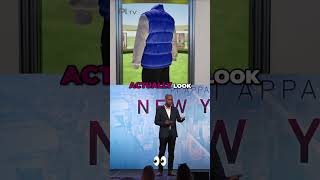
Creating realistic AI avatars requires capturing thousands of poses that match real human models exactly, down to finger and hair positions. The avatar's body must pair seamlessly with its clothing and brand identity, or viewers will reject it instantly.
Chapters
In order to create these images, we have to learn how to do digital puppetry. We have to find a way to create as much poses as we can, and the poses have to be trying to mimic the real models that we usually do in the traditional methods, right? So it takes quite a lot of time to understand that If you have to mimic a person, that means that you have to go even from, you know, the fingers to the hair, all of the positions. You have to kind of find a way to mimic this. And I think this portrayed very well how we can actually look at the avatar next to the actual AI rendering. It could be very, let's say, extreme, the detail that you have to get. But once you find a way to associate the body of the avatar to an AI model, they find— finding the right model that actually looks okay with the clothing that you are creating for the brand. It has to identify itself with the brand. It cannot be something that it looks like let's say, unnatural. And that is actually something that takes a lot of time to realize that if you create an image and it doesn't look natural, people are going to reject it. People are not going to look at it. They're going to just feel that this is something not appealing to them, right? So selecting the AI model, selecting the right body, selecting everything that needs to be transparent with the brand is essential to do this, right?