Rebuilding Fashion Through True Inclusion | Flourish in Diversity x Seamless | PI Apparel
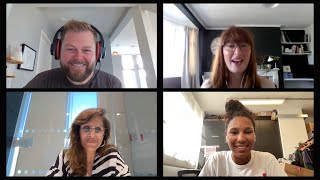
In this YouTube interview hosted by Seamless, the founders of Flourish in Diversity—Nishi, Amelia, and Julia—discuss their initiative to increase inclusion, equity, and sustainability in the fashion industry. They share personal journeys that highlighted systemic barriers, describe the program’s structure (a 4‑week intensive product‑cycle bootcamp followed by a 6‑month mentorship), and detail workshops covering design, up‑cycling, natural dyeing, CV and interview skills, and life‑skill development. The conversation explores how they recruit participants, build community through WhatsApp groups, in‑person meet‑ups, and peer‑to‑peer networking, and how they match mentors with mentees. They reflect on the broader industry challenges—lack of diversity in leadership, a homogenous pipeline, and performative diversity—and how brand partnerships (e.g., with Toast) inform a holistic, non‑tick‑box approach. The founders outline lessons learned, plans to expand nationally and internationally, offer consultancy to brands for systemic change, and give advice to both brands and aspiring changemakers. The interview emphasizes the importance of cultural safety, long‑term cultural change, and collaborative, co‑created programs to create a more inclusive fashion ecosystem.
Chapters
Hello everyone and welcome back to Seamless. Today I'm thrilled to be joined by the founders of Flourish in Diversity, an inspiring initiative opening doors for talented young people from underrepresented backgrounds looking to break into the weird and wonderful world of fa— fashion. Through hands-on training, mentorship, and vital industry connections, they're on a mission to make our industry more inclusive, equitable, and diverse. So with me today are Giulia, Amelia, and Nishi. Welcome guys, really, really great to have you all here.
Thank you, it's great to be here.
So, um, I think let's start off by finding a little bit about you guys. So, Nishi, if we start with you, um, I'd love for you to introduce yourself and tell us a little bit about your journey up to finding, uh, Flourishing Diversity.
Yeah, thank you, and thank you again for having us. Um, yeah, so I actually work in the media industry, uh, but I've actually had 20 years of experience of kind of creating and working with young people, whether that was through work experience programs, mentoring or creating immersive experiences. And really, in terms of kind of leading up to kind of Flourish and Diversity, uh, Julie and I actually met through a mutual, an acquaintance. So, uh, and our shared passion really about sort of kind of creating change and having an impact on young people in the next generation really was that kind of brought us together and really kind of helped to kind of, uh, utilize our skills. Because, uh, Julie equally, which she'll tell you more about her background in terms of kind of her passion kind of from her youth work. But really, for me, it was bringing together sort of my experiences in terms of what I do in my day job, but also my personal passions. And then also being able to kind of bring that together alongside, uh, the wonderful two co-founders, Amelia and Julia, to kind of create an opportunity for young people as well.
Love that. Thank you very much. So, Amelia, let's go on to you.
Yeah, so I myself have worked in the fashion industry based in London and a little stint in Paris for roughly 7 years, and that's how mine and Julia's paths crossed. I work across product development and production roles in fashion, and I think for me, similarly to all of us, it was the lived experience and the shared kind of goals to diversify the industry. I think for me personally, it was being one of the only people of color in a lot of the spaces that I worked in, and I knew that that needed to change. And I, I knew that it wasn't about maybe me leaving the industry, but actually me using my position that I have to change it and both empower young people and, yeah, bring those people up with me and create those spaces and diversify those spaces. And it's been an incredible journey with these two so far.
I love that. Yeah, we, we also find too during our PyParallels events, there's still a lot of work that that needs to be done on the diversity front. We recently actually did a footwear-specific event, and that was not only very white but also very male. Uh, apparel seems to be a little bit better, but the footwear industry still has a lot to go. So yeah, it's amazing that you guys are working on these things. Uh, last but by no means least, Julia, over to you.
Um, yeah, so, uh, as Amelia initially said, we, we all kind of share a deep commitment, um, to diversity, inclusion, and sustainability. All of those things are kind of intertwined together. You can't have one without the other. And yeah, I have 20 years' experience in the fashion industry, working across production and fabric sourcing, bit of development. And yes, I've had experience sort of across the supply chain globally, a little bit working with manufacturers in China, India, as well as Europe. Obviously, experience working in head offices in the UK as a kind of contrast, and it's just, yeah, it gives you a real sort of comprehensive insight into how the industry operates at every level and how dire the need is really for diversity and sort of diversity in decision-making roles really to shift the current model really and just have a fairer industry, just just sort of redress that balance, um, in any way that we can.
Absolutely, I love that. I'm very, um, very cool that you've worked across the value chain because a lot of the people that we, that we work with, they've worked in a very particular team and silo in, in the value chain, and they never kind of see the full, uh, end-to-end process. And I think there's a lot of power in that. I also want to stress that these guys are doing this on top of full-time jobs, so, uh, you know, kudos to all of you as well for, uh, taking the time to do, do something above and beyond into like a full-time job too. It's a lot of work, so amazing that you're, that you're doing this.
Um, thanks so much, Nishi.
No worries. Uh, Nishi, I would love to know, how did your personal experience navigating fashion education, early career spaces shape the vision and design of the program?
Yeah, absolutely. So my personal lived experiences, having come out of the London College of Fashion, the London College of Fashion, over 30 years ago, um, I just couldn't get into the industry, and I think it was simply lack of role models. It was not being in the right spaces, in the right rooms, or being invited in. And I think from that, my dream to be— and the dream was to become a fashion buyer, did fashion business, and that was kind of the journey I was, I was hoping to kind of continue. So I didn't get to go into the industry, um, and obviously, you know, personal circumstances and just life led me to a different path. But that kind of long sort of lingering feeling of what if has always remained with me. And when I was introduced to Julia and, you know, sort of over 5 years ago now, it was from a kind of like, oh my God moment to, yeah, we can create something. I can now relive my dream through others. And what better way to do it by actually creating a program that was allowing young people who look like me and were from diverse backgrounds and from low socioeconomic backgrounds to allow them to have a safe space, learn, and also kind of have programs that future-proof them. So, Julia mentioned about sustainability in terms of thinking about the future, but, you know, feeling that they were empowered to kind of have that sort of knowledge and that next step that they could do that could actually help them. And I think really that's kind of really what the kind of core of what we're trying to do is to kind of create those spaces, those opportunities, and open doors that for me were once closed.
Yeah, absolutely. I love that. And now is such a good time to be doing this too, because I feel like younger people nowadays are so much more driven by, by values and really want to bring about like a systemic change in the way that things have been done for such a long, long time. So again, really great that this is, uh, being done at this time. So Amelia, I'll come to you. We've obviously talked about this Flourish Indivert Versity, but specifically I'd love to know, like, for anyone unfamiliar, can you walk us through what the program model looks like and what does a typical mentorship journey or workshop track look like?
Yeah, yeah, absolutely. So we launched our original program in 2022, and that framework was a 4-week intensive program following the product cycle. So starting with design, raw material sourcing, production, and distribution. And so our trainees were set an industry brief that was guided by expert-led workshops. So we had workshops such as build your personal brand, upcycling, brand-led workshops as well. So upcycling, natural dyeing, artisanal practices. We also had comp shops and factory visits and life skills workshops that we added in and that were run by and facilitated by us at Flourish University that we found that were really, really crucial alongside these kind of hands-on workshops.
Up.
So it was stuff like building your CV, workplace readiness, and kind of building confidence as well. So at the end of those 4 weeks, our trainees presented their projects to a panel of professionals and had the opportunity to go on to paid placements. So brand paid placements that we partnered with. And then we also facilitated 6 months of mentoring post-program to ensure that these young people who are now our alumni have that kind of continued support as they're aiming to access jobs in the industry. So it's not about just like doing this course and leaving them. They're part of our community forever now. And then this year we switched up the format a little bit and we started a 6-month online mentoring. So still with the same goals and very similar outcomes, but we partnered our participants with mentees or mentors, sorry, that have aligned with their career goals. And lived experiences. So I think it's been really cool to see that two quite different, um, kind of physical programs but have the same outcomes, which is ultimately building confidence and really supporting young people into kickstarting their career in fashion and essentially building the future fashion workforce, which is really cool.
Yeah, amazing. I also love that you're doing things like building a CV and making your own brand because I think that these are things that even for kids going through like a, um, like a conventional education system, these are things that we're not ever taught. Like, I, I don't remember ever being taught how to build or write a CV and really how to promote myself to, um, prospective employers. So I think it's amazing that you guys are doing that too. Um, Julia, obviously this industry, along with a lot of other, other industries too, but, uh, has long struggled systemic exclusion, particularly as you mentioned in leadership and decision-making roles. What specific gaps or barriers were you most motivated to address with the work that you're doing with Flourish and Diversity?
Yeah, I guess the biggest thing for us, or sort of the foundation of everything we do, is just about building networks and building our community, like informal networks, WhatsApp groups, for instance, For our mentoring program, we created WhatsApp groups for all the mentors and all the mentees. And I think initially the mentees were a bit scared to message on it because they felt like it was a sort of formal platform and it wasn't really just sort of answering formal questions about things. And we arranged a kind of midway point in-person meetup halfway through the mentorship program. Where we obviously got to meet people face-to-face and they got to meet us. And we explained to them that the WhatsApp group is there for you to interact with one another. Peer-to-peer networking is just as important as networking with the industry. So, yeah, we really encourage them to do that. And obviously, of course, once they'd met face-to-face, then suddenly the WhatsApp group just starts sort of like kicking off and everybody's sharing events. We sort of encourage them to also buddy up with each other, make friends, go and see an exhibition together. It doesn't need to be within the Flourish boundaries. You can kind of interact with each other outside of that. We really loved seeing that because that, like I said, that is really crucial. Building those networks with other peers. And I guess also just giving people sort of permission, as it were, to, you know, find their own way and not necessarily sort of assimilate and fit into the current existing model in fashion, but to design sort of a way that they think is better, I guess.
I love that. Amazing. I love that you have that like really low barrier to entry too with a WhatsApp group, like something that everyone has. It's easy to use. And as I said, like, it's good that it's— I understand why you had to kind of talk them through, like, use it, like, you know, this is for you. But I'm glad that it then really, really took off. That's amazing. There's also, of course, like, you know, in the years that I've been working alongside injury, there's a lot of performative talk about diversity, of course, and sustainability too, and a lot of other things, but not a lot of people are actually doing stuff. Well, at least it doesn't seem like they are. Nishi, what in your view actually needs to change in the way that institutions and companies approach inclusion?
Yeah, I think, you know, as I've already mentioned, it's kind of that role modeling, you know. It's, you know, we've heard this term many a time, you know, if I can see it, I can believe it. So, really thinking about not just what's in front of the camera, but literally thinking about the complete pathway of employment for any young person entering the industry, from education right through to leadership, being part of the decision-making role, and then actually showing them how they can get there. So, it's, I think, what we all know, and classically we've seen in a lot of companies, in the lower level, sort of junior roles, you'll see lots of diversity, but as you go up the chain, it gets fewer and fewer and fewer. And I think what we really need to do, or what the industry needs to really think about, is how are they actually creating a fair and inviting and inclusive culture within their businesses to allow any young person coming into their kind of business or into their companies that they can actually see that there is a clear pathway for them to accelerate their career, but also feel that they can actually go to people and actually learn from them. And it all starts with having people that can champion, can be allies, and also allow them to see a future. So allow them to dream, allow them to think that they can be in that boardroom. It's not just good for business. I absolutely believe it's a responsibility and a duty of care to the next generation.
Yeah, 100%. Yeah, but you are right. Like, it is also so good for business too. Like, you know, you walk down the high, high, high, the high street not all brands, but there's so, like, so much of it has become, uh, um, homogenized nowadays. Like, there's very, very— there's a real lack of kind of like brand distinction or difference between different companies. And there's only power and good that can come from actually mixing up the people that are at the table and making the call on these things. We, um— you guys should also, uh, I'll connect you. I recently did an interview with a guy called Sean Williams who's over in the US, and he does a lot on the footwear side, empowering people of color and women to get into the footwear industry. So very, very, very, very similar to what you guys are doing. But he was saying the exact same, same thing. You know, you go into these stores and a lot of these brands are just kind of churning out the same things that they've always done. Yeah, they might change a tiny little design or a color palette, but they're all exactly the same thing. And now is the time to invite new perspectives and voices to the table because these brands are in trouble. You know, a lot of the big ones that have been doing so well for many, many years aren't nowadays. And now is the time, you know, mix that up. We also had a neurodiversity workshop at an event earlier this year, and a lady who has ADHD and her brother who has Down syndrome, she taught him a lot of 3D tech skills that he can use for product design, and then he was working within a company. And again, just the perspectives that he brought because he wasn't bound by the same kind of restrictions, right? You know, it blew, it blew, it blew everyone's minds. So, you know, again, it's just so important that, you know, people like you doing this work. So big, you know, taking my, my hat off to all of you.
Yeah, just, just on that point, you know, like, we only need to look at all the ads and we only need to look at the billboard posters where they have got it right. So my point around the camera, in front of the camera, we see ad after ad after ad, and I always say, well, show me your boardroom. Yeah, that's where I really know that you've embraced and you've kind of created change in your industry. That is where, you know, like, if you would put your— take a photograph of your board meeting, put that on a billboard, it wouldn't look the same for sure.
Absolutely. So obviously this is way more than just kind of like a mentoring program. You guys are doing like a bunch of different things. And again, I do want to stress, on top of full-time jobs, I'm going to keep on plugging that.
Thank you. That's— appreciate that. It's a good reminder sometimes.
Yeah, absolutely.
Uh, but you know, from what you're saying, it sounds like it's also about like, uh, building confidence, uh, connections, and really kind of like a long-term belonging for these young people trying to get into the industry. Emilia, what have been some of the most powerful transformations, I guess, that you've witnessed through the program?
Yeah, as you said, it is so much more than just about us. And I think that for the three of us, it's always been a constant reminder when we do have our alumni and we have these interactions and we have witnessed some really incredible transformation— transformations in personal growth. A few that spring to mind that have always stuck with us, and I think the three of us always talk about them. One mentee said she finally felt seen. As a designer rather than a diversity tick box, which is just so powerful. Yeah, that was an incredible mentee in our first program. Another— I received a message one a few years ago from another saying if it wasn't for us and our program, they wouldn't feel the confidence to be in the space that they were today. And that space was a job in a quite a well-known fashion house. So it's just like those constant reminders that this work is really important that we're doing. Another, we've had one go on to build a collective after meeting the peers in our community. And the most recent one, actually, because our online mentoring program just concluded, and in the WhatsApp group that Julia mentioned, we've had some really beautiful messages from some of the mentees. And one of them shared that our program, quote unquote, sorted her life out and said that she's completely kind of completely transformed her and she's come out with new direction, motivation, and confidence. So, you know, you've mentioned a few times, you know, we're doing this alongside our full-time jobs and it can be really tough, but it's these testimonials that are the reminders of why we're doing it. And it's, we've got to continue doing it because it is so much bigger than us. As we've said before, it's about the future of this industry and basically the world that we're going to live in. And it's really, really powerful to see this internal growth. So to see these young people go from doubting their place in the industry or feeling that they don't even have a spot to really owning it and really creating this space for themselves.
Yeah, I think it's also in this day and age with everything that is going on, it's very difficult to hold on to hope of goodness. And I think it's amazing that people like you are pushing this rock up a hill, like you're keeping—
Feels like it, really does.
Some days you just are like, you know what, I can't, I can't.
What a great visual.
Yeah.
Yeah.
But amazing though that you're, that you're getting that feedback. And for someone to say that you've sort of sorted their life out, uh, would you like to sort out my life? Maybe I, maybe I should join it. Uh, but no, no, I think that's really, really great. And again, like, it's so, uh, validating to get that kind of feedback, I'm sure. And it keeps the fuel burning.
Yeah, I was just gonna jump in actually and say that, um, the first person that Amelia mentioned, I mean, she's absolutely thriving. Like, she, she started a mentorship in a very well-known fashion brand and then got employed. I mean, she's doing incredible things. And she actually messaged the other day saying, give thanks to Flourish. You guys built me brick by brick.
Oh, wow.
Which is incredible. I don't know if you guys even saw that on our group chat. But yeah. So yeah, we love getting feedback like that, obviously. Like, it makes it all worth it.
Maybe at some point I, I should interview some of the people that have gone through your program. That, that would be cool.
Oh, that'd be really cool.
Yeah, perspectives have changed as well on the industry and like how empowered they felt. Uh, that would be very cool. Yeah, let's set that up. Um, so, Amelia, you mentioned a minute ago that obviously your cohort has just, uh, uh, wrapped up, and Julia, you mentioned to me the other day that you've got a new one that's starting in September. Um, so what are some of the, uh, lessons, I guess, that you've learned from this past cycle, and how are you evolving things for the next?
Yeah, so I think the biggest thing is trying to create more opportunities, opportunities, sorry, for in-person meets. So perhaps monthly meets, again encouraging the mentees to buddy up with one another, meet up, like, this is part of the experience. You know, it's not just having the calls with your mentor every month, it's the peer-to-peer connection, and it's also the sense of belonging. I just think that's so valuable, and it brings just another level of confidence when you feel like you're part of something. And a lot of the young people that we work with are you know, sort of from the COVID generation, and so they've sort of faced challenges around confidence and communication, and, you know, they sort of skipped a little chunk of their, you know, life in terms of social interactions. So, you know, that's something we just really want to encourage second time around, and we're sort of really aware of how important that is. I mean, we knew that, but we're aware of how much more we need to push that second time around.
Yeah, I love that. I, um, my stepbrother started uni, um, in 2020, and I just can't imagine, like, my first year of uni. Granted, I didn't do a huge amount of work, I won't lie, but they were, you know, they were like, it was like a big, big, uh, uh, a turning point, you know. You, you left home, you were learning a lot about your, your, yourself and what, and what you wanted and what was important to you. And, uh, he didn't have that at all. It was all online. So, you know, he's still got the actual educational side, but the social side he didn't get any of. And I just think, yeah, I can't imagine what my uni experience would have been like without that first year. Um, yeah, it really changed a lot. I would have saved a lot, a lot of money there. Yeah. Um, so, um, I also know, because obviously you guys aren't, aren't busy enough and don't want a break, uh, that you're also doing a schedule of workshops. So, Nishi, can you tell us a little bit more about what those are about? Who are they for? What do they cover? And what do you hope they'll achieve?
Yeah, so our workshops over the summer are going to be split into two key focus areas, but as a net result of that, if you've really been listening to us, a lot of things will happen through those workshops as well that we didn't also plan for, through connection and opportunity, etc. But I think there's two key focuses that we kind of really kind of bring to the table are self-development, so really thinking about sort of their life skills, thinking about their self-brand, and actually what— how do we equip them to have the best opportunities. And that might come from the, uh, yeah, interview skills training, or writing a CV, or just knowing how to set up your LinkedIn, um, status. So those are really like core business skills that every young person should learn. And then it's the practical, so teaching us practical skills and having those sessions through our natural dye workshops, which we mentioned earlier, or through repair and mending sessions as well. But I think the key thing is, is it's about access. It's about sort of taking them and inviting them into places and opportunities for them to meet people they wouldn't typically meet. And we'll do that through different routes. And that could be through the factory visit that we'll be planning, or we'll be bringing in key guest speakers. Opportunities to network, but I think the most important part to all of this is about curiosity. So, we want those young people as they come in, so, come in through the program, is to be able to, and they'll be kind of 18+, so, you know, they'll have kind of lots of, kind of, some experience and they've been through education, and they'll be able to kind of do a lot of independent learning as well as kind of, you know, having time to kind of connect with one another. But I think curiosity is what we want them to leave and a sense of confidence.
Absolutely. I love that. How, how also do you like— how do you find the people that, uh, take part in your programs? Do they come to you? Do you reach out, out to them? Like, how, how does that work? I don't know who, who wants to take that one.
Um, we just try to take that one.
Yeah, we just try and sort of shoot it out in every direction, um, through our social media platforms, um, through some partners and brands that we've worked with before. Publications, magazines, I mean, not huge national ones, but ones that we've worked with before. Yeah, anyone that will share it, really. And also educational organisations, colleges, universities, wherever we can get it out.
And given that this is a good plug for this now, who is the ideal cat candidate? Julia, to take part in your programme? And we'll shout it about.
So somebody that has either previous experience in terms of sort of A-level or anything like that in fashion, or somebody that hasn't actually studied it or hasn't had the opportunity. Maybe they've been sort of driven in a different direction by parents or pressures. And it's something that they'd like to explore. Yeah, and somebody that just wants to meet other people. Again, the curiosity part, you know, meet other people, experience new things. Yeah, try something new. Nice.
And can they want a job in any part of the value chain, or are there specific ones that you kind of lean more towards?
Yeah, so we kind of, our training tends to kind of COVID the product cycle, so sort of beginning to end, design to delivery. But of course, within that, there's lots of other kind of shoot-offs, marketing and packaging and endless, endless sort of functions within the fashion industry, accounts, you know, it could sort of be anything. But yeah, they don't need to have a sort of specific target role in mind. And actually, they probably don't know what all the different roles are. So, it's an opportunity for them to come along and explore what those roles could be.
Yeah, 100%.
And just to— Yeah, please.
I was just going to add on to that, sorry, quickly, from what Julia said. Also, because of our experiences in these particular roles, we aren't covering everything, but obviously if someone does come to us and they want to get into fashion marketing or styling, we'll help. We'll do our best to connect them to those kind of people. So because we've got such a big network and that was really great with our online mentoring, we're aligning people with, you know, their career goals. So if someone does come and they want to get into marketing, we'll do our best to kind of steer them to someone who's an expert in that area.
Nice. I love that. Yeah. Julia got in touch, didn't you, the other day to me and said, do I know anyone in that realm of of marketing. I don't at the moment, but because we are launching a retail event towards the end of this year, hopefully then we will. So in the future, if you need more help, I should be able to help you more then. But yeah, um, if anyone who, uh, watches or reads this, um, you know, is interested in getting involved in a mentor or offering an internship, please get in touch with these guys. I'll of course ensure to tag you.
Thank you.
Um, we also have a we can talk about this more offline, but we also have a London-based event that is taking place in October. It's on the merchandise planning side, but if you guys are available, come along and you can meet people there. And yeah, I mean, it'd be fantastic.
Yeah, great.
I'll send you the deets.
Anyway, just on the point about sort of, I was just going to say, just to kind of follow on point about what Amelia raised. So Like, if I think about sort of my sort of own sort of journey coming out of the London College of Fashion, it was my finance module that I leveraged to end up in finance. Wow. Yeah. So my career actually started in finance in the media industry. So, and that was only because I had done it as part of my fashion program. And so therefore, that's an example of where you can actually unpack some of what you've done to then go into and pick a lane and kind of like productive, um, you know, continue that sort of journey. Um, like I said, for me it wasn't about sort of, you know, life kind of happened and I had to kind of get a job like we all do. Suddenly kind of like suddenly realized, yeah, this, you know, this, there is these things called bills you have to pay. But it was literally my finance module that helped me, and I just happened to be very good at it, uh, that I ended up in finance.
Yeah, I mean, I, I could probably count on one hand the of friends who are actually working in the realm that they studied. Yeah, very few of us did. I mean, I, I, I did a hardcore science degree, and now I'm interviewing you guys about, in this industry, you know, nothing related at all. So, um, so yeah, no, it's great, great to hear that. Um, Amelia, I'd love to ask you, like, obviously a big part of this is mentorship. How do you find and match the mentors with the mentees? And What makes a truly effective mentor in your eyes?
Yeah, so kind of goes on to what we were saying. So that's a nice segue, but like we're very intentional with our approach, so we don't just seek out well-known names. As I said before, we really lean on our community. We have an incredible community over our shared time in the industry, and we're looking for mentors who listen. Who have lived experience and who are really keen and see mentorship as a mutual exchange. So it's a journey for themselves as well. You know, a strong mentor not only opens doors, but they're there to support, guide, affirm, challenge, and really show up consistently for our mentees. And I think it's been really beautiful as well, hearing the testimonials at the end of this program. That we've just finished, also from the mentors. So hearing some of them say they've also been on a journey with their mentee and they've also changed and they've been challenged. And as we've said before, you know, Gen Z and Gen— what's the one under Gen Z? Alpha. You know, they're not taking crap. The young ones. Our young people.
Don't know their generation names.
You know, they're not taking crap anymore. They're holding people accountable. And I think some of our mentors are having really incredible experiences having access to this vibrancy and this kind of sense of urgency from these young people. And yeah, that they've, you know, building relationships and some of them even want to take their mentoring beyond our kind of 6-month program and continue and have these relationships, which is so incredible to see. And that's what we're pushing for. And we hope we can continue to have that throughout the next how many mentor programs we can run. But I think it's really important matching people who are genuinely committed and support to driving this change.
Yeah, I love that. We ran a session at an event earlier this year and it was all about kind of emerging talent sitting down with industry and the students and emerging talent all came thinking that they were the ones that were going to get the most out of it. But actually, it was the people in industry, as you just said, like these guys who'd been in, you know, they've been in the industry for years and years, and they were like, wow, we were just like challenged so much. They were like, well, why, why are you doing it like that?
It doesn't make any sense. Like, you know, it's so good.
Yeah. So I love that. I love that side. Um, it definitely does mix things up. Um, Julia, obviously one of the big things we've spoken about today is the community building. Um, how do you— and, and you've also touched upon this too, but anything else you'd like to add— how do you create a sense of safety and solidarity among the participants? Um, who may historically have felt excluded or unseen in the traditional environment?
Yeah, so I think we start off by just acknowledging harm. So we talk openly about racism and classism, but we also set boundaries as a group. We want people to feel safe, we want people to feel comfortable. We strive to deliver all of our work with joy, humour, and cultural celebration. I remember one young person in our first pilot program gave us some feedback that, I mean, she was currently at the time in the middle of a university degree. I think she was in her first or second or just finished her first or second year. And she said she'd never felt as comfortable as she did in our classroom as she did at university in London, which is meant to be diverse, because she was one of very few women of color. On her course. And the impact that that had, basically, it meant that it stifled her creativity. So she didn't feel comfortable doing a project rooted in her heritage. She didn't want to talk about her heritage or didn't want to celebrate it too much because it just didn't feel like the safe environment for her to do that. She didn't feel that sense of safety. Whereas, yeah, in our classroom, I mean, everyone had such shared experiences of that feeling, but also similarly, like, shared heritages. So, of course, they were going to do their project rooted in something that was sort of about them. And so, in a sense, that really kind of gave people permission to be authentic and sort of have the confidence to produce their best work because they're not stifled by any of those sorts of barriers.
Yeah, let's be honest, like a lot of brands out there nowadays, they steal things from other cultures anyway. They're just not using the people that are from those backgrounds. Like, you know, bring them in, you know, they have background and this rich heritage that they can lean on. And in fact, another person that I must introduce you guys to, a guy called Safir Belali, uh, he's been in the industry for many, many years. He's, he's Moroccan and he's setting up an educational program in— out of Marrakech, but to serve, um, underrepresented communities on the continent of Africa, um, in this, in this industry too. Because I think that you guys would also have a lot in common as well. But, uh, we're, we're really involved in trying to help him kind of promote it, but also how to build the course because it needs to, you know, we— he's, he's essentially trying to challenge the way that the traditional education model has always looked because it doesn't work, you know, anymore. There's a lot of things about, about it that exclude a lot of people from being able to take part, and therefore what is the point really? You're just getting the same things that are being churned out all the time.
So I will also make sure, yeah, we'd love to turn it into a podcast.
Yeah. Yeah, and that's exactly what we try to do with our sort of delivery is, I mean, everything is through a sustainable and ethical lens, not just performatively, but because fundamentally we want people to understand how things are being done now and understand how they could be being done differently to cause less harm to people and the environment. So yeah, that's incredible.
Nice, I will definitely set that up. Nishi, I'd love to ask you, like, you know, I imagine that long-term success isn't just about numbers for you guys. What does long-term success look like?
So I think really kind of in terms of long-term success, we think about sort of brands, and kind of we've talked about the onboarding process. I think that fundamentally needs to change. It needs to be more transparent, and what I mean by that, let's have less nepotism, because I think typically You know, that is probably one of the issues that most creative industries actually, you know, suffer from. And I think, you know, having that transparency of kind of like being able to kind of show young people that they can actually have the option to get through the door, have an interview, meet people, and then also have that— and I've talked about sort of the pathways and equal opportunities within their organization. How do they structure and create a culture that actually allows young people to thrive. So, I think kind of long-term success is about sort of really a cultural change, right from onboarding through to kind of those kind of leadership points as well. But what I also want to kind of, you know, and it's also about sort of just a point about celebrating success, you know, really thinking about sort of like, you know, when you've got it right, tell people about it, share it, because I think that will only inspire others as well. And also, I'd like to think that we are also taking brands on a journey. Definitely, we're not creating a them and us. We are definitely wanting to kind of like say, look, we can put our arm around you too. Let us in and let us help you find the right ways to bring these young people into your organizations. So long-term success is about sort of working together, really. It is about sort of helping those that kind of are helping others as well. So, you know, the power is in the brand. Brand, they ultimately are going to be the employers, that they are going to be the decision makers. We see ourselves as an enabler, we see ourselves as a stepping stone, but without the brand and without those young people, you know, like our work will always be suffering. So, I think the long-term success is to kind of really come to the table, work with organizations like Flourishing Diversity, And, you know, really think about that kind of internal cultural changes that need to happen and not be afraid to take risk. So, as you sort of mentioned, is like if you know that you're going to take a particular cultural design or really take inspiration from a particular country, bring them in. Because you'll get so much more value. So I think the long-term change is a cultural change within businesses and transparency, and then kind of thinking about sort of being much more united and working collaboratively, uh, to, to kind of create success, not just for the— for you as, as an organization, but also, um, you know, uh, for the industry, uh, and the greater good. As well.
Absolutely. And this actually is a great segue on to my next quick question that I wanted to ask, um, Amelia, perhaps ask you. You know, you often hear about this need to diversify the pipeline, but I, I guess that often assumes that the pipeline is fit for purpose as it is. So I'd love to ask, like, do you think that, uh, fashion education as a whole, like beyond what you guys are doing, needs a structural rethink?
Yeah, I think absolutely. I mean, the pipeline was never really designed for everyone in the beginning. It really privileges certain aesthetics, certain bodies, certain socioeconomic backgrounds. So really that whole— we need to completely restructure and decolonize the system. So looking at changing admission criteria, diversifying teaching staff, Building accountability for like support and kind of like accountability in how institutions support students post-graduation. I think it's also looking at like restructuring course frameworks and timelines to actually allow young people to be able to have a life and a job whilst in fashion education because it can be so all-encompassing and feel like it's your only kind worlds at that, you know, however long that time is. But I think it's really important to also flag like our position at Flourish University and kind of why we exist is that we've always kind of marketed ourselves as an alternative route into industry. So as we've spoken about, these pipelines are outdated, these traditional forms and kind of routes into industry. And why we exist is because they're not the only way in, and there's programs like ourselves and other programs that exist. So I think it's really important to flag that there's other pathways to take, and young people shouldn't feel like that's the only way in, and if they haven't done that, then they're, then they're doomed, basically.
Yeah, yeah, absolutely. And Julia, obviously you mentioned during this interview so far that you've collaborated with brands and organizations as part of this. I imagine it's a big part of what you guys do. What have those partnerships taught you? And I guess I guess from your point of view, what does a good collaboration with a brand look like?
Yeah, I mean, I think as Emilia mentioned a bit earlier, I think it was Emilia, we do try to choose our brand partners carefully and, you know, authenticity is key. You can't really have progress without sort of, you know, meaningful contributions. Brands that kind of understand that it needs to be a holistic approach. It's not about tickboxing, it's about looking at the whole thing start to finish. If they're going to offer us an internship, for instance, what does that whole process look like? How can we adapt it to make sure that whoever's doing the internship feels comfortable, included, all of those things. So yeah, having a sort of holistic approach to their contribution. A great example of that is our partner Toast, who are incredible and have been from the very beginning. You know, they're consistent, you know, we kind of know that they, you know, if they can, they will support, and sometimes it's in different capacities, but they're always sort of ready and willing. And yeah, they always sort of come with a sort of sensitivity, you know, a genuine sensitivity to any sort of ask, I guess. You know, they want to know, like, what's the best way for us to deliver this workshop? You know, do you want to check over the slides? Is there anything that, you know, that we could do better, etc.? Yeah, just sort of having that diligence and integrity in their support to us. Yeah, so I think that's basically the main thing. And obviously that's quite a rare find. You know, you can't expect that from everybody, although that would be great. But yeah, that's what makes a great brand partner.
Yeah, amazing. I'm going to I'm gonna have to look up Toast. I don't, I don't know Toast, but they sound like a cool company. So a shout out to Toast. I will, uh, I'll be looking you guys up. Um, Nisha, I wanted to ask you, um, what advice would you give to other young people who want to kind of work in a similar way to you guys, or in general kind of lead change within their own community or space?
Yeah, I think it's really simple. Just get started, you know. Don't delay. If you've got a great idea, you know, really start to kind of think about sort of bringing it, and it is hard. I mean, we've been on quite a journey, uh, to kind of build what we have. Um, and I think it's more to say that you're going to get it wrong, you're going to make mistakes, you're going to learn, um, you're going to kind of find, uh, loads of doors will be closed, but actually a couple of doors— and, you know, we gave the example of Toast— they'll open up. And I think it's really important that, you know, you kind of really Get started as soon as you can, and that is about sort of you being very single-minded about what you're trying to achieve, really staying unwavering to that. And I think we've always had a really passion— we want to create change, we want to kind of make sure that young people from all backgrounds have the opportunity. So what is that one mission you've got? And really kind of thinking about that very clearly. It's absolutely never too late. Late or early to make change. I think, you know, think about sort of, you know, how you show up as well, what is your kind of contributions to the community, and really kind of what do you want to be remembered for, and I think that's really important too.
Absolutely, I love that. And on the topic of advice, Emilia, obviously a lot of our readership are from brands, like, what would you say to brands that still perhaps see diversity as a box to tick? Rather than a core part of how they operate? How can they change?
Yeah, I mean, I think it's really unfortunate that brands are still seeing diversity as a checkbox. I think it's really like you're not just missing the point, you are missing out on the future and you're doing a disservice to your brand. The next generation of— we've spoken about them them, creatives, consumers, thinkers, you know, they are listening and they're— you're going to become irrelevant. They're not going to be interested. Diversity isn't a charity. It shouldn't feel like a chore. It is innovation. And, you know, we've spoken so much about the future. It is about pushing your company forward into the next iteration of our global world. And I think if you're not embedding inclusion into your core operations and your strategy, you're not building a sustainable brand. So you are just building a facade and yeah, you will do yourself a disservice.
Well said. And I think we're almost at time, but we've talked about what does long-term success look like. Julia, I'd love to ask you, like, what's the long-term vision of Flourish in diversity, where would you like to, I guess, take the program next?
Yeah, I mean, obviously, like, there's some blue sky ideas. Yeah, yeah. Um, as well, but I mean, I mean, ultimately, um, we would love to take it nationally, um, which, you know, by no means should it be London-centric. It just has to be due to our limited resources at the moment. We'd love to have hubs, you know, Manchester, Leeds, Sheffield, Cardiff, you know, Scotland, wherever, sort of be reachable nationally and, you know, eventually internationally, perhaps, you know, Paris, Milan, Amsterdam. I mean, that's the kind of, yeah, blue sky ideas. But yeah, really, I think we'd love to start delivering a consultancy service to brands as well, focused on structural change to support systemic impact, have a systemic impact from the ground up, reviewing the employee lifecycle, as I was saying, in terms of the internship, you know, from the point of sort of attraction, you know, attracting talent to sort of offboarding them and all the bits in between. Like, how do we go about treating people that are working in our company? You know, how— like, we can't treat everybody the same because not every— I mean, you can't just have one blanket kind of approach, sort of people approach. It just has to be a bit more expansive. So yeah, we'd love to do that. Also, yeah, we just want to sort of push Flourish as a movement because it is a movement, it's not just a program. And yeah, continue to develop the hiring pipelines with brands, existing brand partnerships and hopefully expand that as well with new ones. I think we'd like to offer more resources to our young people through our platform, so toolkits, video training, downloads, bits and pieces that people can access, sort of become more of a hub really for young people. And yeah, just try to help shape a fairer, more sustainable community-led fashion ecosystem.
Absolutely. So yeah, I mean, if anyone does watch this and they want to get involved, please, I imagine, volunteer your time or skills to these guys because you've got big plans and you need resources to back it up. So I'm sure you guys wouldn't mind if people reach out to you.
Not at all.
Um, Nishi, let's end with this then. Um, is there a call to action that you'd like to share with our, our readerships across the, um, industry, whether they're from brands or educational institutes or just in the innovation space?
Yeah, absolutely. Everybody, I think, you know, whether you're a brand leader, educator, innovator in the industry, you have the power to change your culture. You honestly have the power to open those doors. Let's not just think about it from a kind you're making a statement, but let's go further and make a real sustainable change, and let's create a more employable generation of young people so that when they do come in through your doors, that they can absolutely thrive. And I think, you know, how do we kind of really make sure we're intentional, as we've said before, in everything that we do? And I think really, if you are struggling, then, you know, collaborate. There's nothing more great than having co-created programs where you've got the end users in mind, working with the people that actually understand them, and then also then how do you bring the businesses together. So I think it's, you know, how making those grassroots programs and co-creating them with others, I think, could be a really powerful change for your, for your business. But also, if you're an educator, you know, that is something that should be considered. It's not— you don't have to do it alone. And I think that that's kind of one of the main things. But really important is listening. Really listen to people that are actually making changes so that you can be very clear about being able to kind of set something out that, that will be successful. Um, you know, look for partners and people that are going to be in your mission, uh, to create a better future. I think that's probably, uh, the key things.
I love that. Well, guys, thank you so, so much for your time today. The work that you're doing is amazing. I hope that you guys also do take a moment moment now and again to kind of think, wow, look at what we've achieved. I know, like, you get all this feedback and all of these comments, and I'm sure that you do take, take them on board, but then the next thing comes and you're busy, busy again. I hope sometimes you just sit down with a drink or a bottle, a bottle, I hope. Yeah, to yourselves, and you think, wow, look what, what we've done, and look what, what more we can do. So really, really well done. I think This is incredible.
Thank you so much, and thank you for the opportunity. Yeah, thank you.
Lovely to meet you. All right, thank you so much. Speak soon.










