The Planning Platform Advantage | Board, SWIM USA | PI Apparel
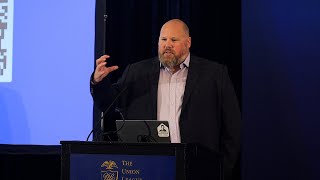
Dave Christie, VP of IT at SwimUSA, explains how the company replaced Excel-driven planning with the Board platform to handle demand across wholesale, D2C, and Amazon. Early targets: cut inventory by 8%, shrink the planning cycle from three days to three hours, and free up capital tied up in excess stock.
Chapters
Good afternoon, everybody. So my name is Dave Christie. I'm the VP of IT at SwimUSA, and I'm excited to share a little bit about our journey with the Board platform and how we executed some of our planning goals and sort of our transformation and journey here. So just a little bit about SwimUSA. You know, we're a company that's been around since 1939. It's a fourth-generation-owned company. We are family-owned, as I said, fourth generation. We mainly do private label swimwear, but we also have some of our own brands, most notably Vitamin A, Miracle Suit, or Magic Suit. So you might have heard of some of those. Yeah. And I like to explain that we are one big company on the surface, right? But it's really 11 small to medium-sized businesses underneath. And each one of those has their own challenges and runs things like an individual business owner would instead of one large enterprise company. So just a little background on myself. I have over 25 years in IT. I started in the financial industry, then moved quickly into manufacturing, distribution companies, and retail, and really just been focusing since 2005 on, you know, digital trends, IT strategy, ERP platforms, eCommerce platforms, and analytics. And I've worked with companies like GM Financial, GMAC Mortgage, BF Corp, Tupperware, Sellandot, and Honeywell. Now we can go on, sorry. Do I got the slides? Sorry, didn't realize I had 'em. So what I wanna talk about today is sort of our journey, where we've gone. I like to lay it out with what our early metrics have been, which you see up here, you know, there's sort of 5 key points that we've been seeing as we've gone through. And then I'll talk a little bit about some of the challenges we've had, as well as how we solve some of them. So really the biggest one you'll see, I'll start from the left-hand side, We had 5 different planning teams, right? So we were looking to consolidate them down to one, what I'll call super team. Now that doesn't mean we were reducing headcount. We were trying to just take those 5 individuals, put 'em into one team so that we have, you know, more of a shared model for best practices, you know, using the data trends, and most importantly, letting them also do their main job 'cause we don't have just planning. In those roles, they're also looking to talk to retailers on more sales opportunities. Then out of that 5 teams, I'll call it, or 5 individuals, there's 7 divisions or brands that we're looking to use the platform and sort of looking for us to really expand our D2C growth as well as our marketplaces. And really, I think when I look at that and we'll talk about some of those challenges, that's where we're, we're going to see the most benefit in, in really improving our model of planning because that direct-to-consumer model with our Shopify sites, the Amazon movement and the marketplaces really wreaks havoc with our wholesale planning. I think the early targets that we're looking at and I think it should be an easy number, is really the, the things that make the executive team excited, uh, is the 8% reduction, uh, in our, our inventory value, right? So by having that accurate demand, you know, planning and continual planning that we're able to do, you know, we hope that we're going to get at least an 8% reduction there. And then the more importantly, I think, carries over into a 10% decrease in excess inventory when we switch over the season. So I think the biggest thing we have an issue with is we carry a lot of overstock, then we end up having to sell it off right at a much cheaper price. And that's because we're overbuying because we didn't see the trend coming. So we'll talk about why that happened in a couple of slides here on what's going on and what's caused us to have that happen. And the most important metric from the team's perspective, if you were to talk to our planners, is moving from 3 days of planning, which means them gathering all the different data sources, pulling in, you know, whether it's an Excel file or a data dump from somewhere, maybe manually keying some data into an Excel spreadsheet, doing some VLOOKUPs and pivot tables, and ultimately producing out their plan. Now they can get that done in 3 hours 'cause the data's all brought in, it's all consistent. We're bringing it in from an IT perspective at our data warehouse, pushing it to Board, and just really reducing a lot of the effort they were doing manually. So the next thing here, just to frame up, now that we talked a little bit about the early metrics, I'm gonna talk about some of the challenges, right? And this is really what drove us to look for a platform like Board. You know, the biggest number one that we were seeing was a change in the way our retailers were buying less upfront, you know, in, in their initial buy. And then the rebuys, they were kind of unknown on how those were going to come through. And our placements on the floors were changing. There were a lot of the retailers are moving to more of the marketplace. They want us to put our, our swimwear in the marketplace, not on their floor. So that was, you know, definitely causing some demand volatility. The way we are managing our wholesale planning. And then, you know, the growth opportunities we were kind of restricted on. And then the demand in that, I think I'll say, you know, our D2C market has been largely untapped in all those, I'll call them our own design, our own brands where we really haven't executed well on our Shopify sites. The marketplaces where we just scratched the surface last year. We were just starting to understand them, bring the right resources in. But what that has done, and even Amazon, you know, that has really caused a lot of havoc with the wholesale inventory levels and how we're planning. And I think every week, you know, we have some different opportunity that's presented, either some retailer wants us to move to their marketplace or, you know, they want us to do their dropship model. So we're sort of still treading water and trying to figure out how can we get that data into these, these plans real quickly. And, uh, the last one I like to always point out is, uh, our company is very comfortable with Excel, like a lot of companies. You know, most team members have been using Excel for planning and analytics for a long, long time, uh, and it's very hard to pull that away from them. But it's also making it very hard for us to adapt because We're constantly pulling data manually, sharing Excel files. So we like to reference that as Excel hell.
Want to find—
So how are we solving those direct-to-consumer and our Amazon channels? Really, if you look at it, those 4 pillars I'm calling it. You know, we're looking to do an enhanced forecast accuracy. We're trying to optimize our inventory management. We're looking to improve that sales performance. And more importantly, I think for me and the executive team is really freeing up some capital, right, to make sure that we're not spending a lot of our capital in holding inventory. Instead, we're going to reinvest that in either more inventory and the right moving items, or newer technology platforms, newer investments. And, you know, I'll go through a little bit here on each one of these. But, you know, from enhanced forecast accuracy, when you think of, you know, the traditional way we were planning, it was very manual, very cumbersome. Each team had their own way of doing it. You know, they might have been trained by somebody else. So the metrics were always a little bit different and, you know, the plan might have been that way. So now we're moving to an automated demand planning, utilizing some machine learning, you know, leveraging algorithms that are going to help put our data in more consistently, pulling internal and external data sources. And ultimately what that's going to do, and we're starting to see a little bit of it, is already getting very accurate demand forecast. And I think it's Probably the most important part is not only the consistency to the leadership team and understanding where we're having our issues or where we have opportunities, but really preventing inventory imbalances and overstocks or stockouts. And then optimize inventory management. We've struggled with this as a wholesale company shifting into a retail model. We're now accurately starting predicting demand, not only at the wholesale level, but we're starting to optimize those inventory levels. Like, okay, how much do we want to allocate to the wholesale or to the Shopify sites? How much do we want to allocate to this marketplace? And that means we can just maintain the right amount of stock, reducing that extra inventory and whatever those associated holding costs might be. The improved sales performance is coming, you know, I think by, by, you know, almost naturally from the better demand forecasting. But it's also, you know, the way they're going to plan their assortment execution, meeting actual market demand, right? It still takes some level of our planners to understand what is really going on in the industry and what really matters, but they're now able to focus on that instead of 3 days of pulling data together. And I think this alignment has been really helping them maximize those sales opportunities, right? 'Cause they've been missing them in the past. Now we're getting to, you know, more of that model of, you know, managing to a really good budget. Like they're hoping this year in 2025 season that they're gonna do really well in terms of hitting their numbers. And as I said, when I said that most important part, for the leadership team was, you know, the capital. I think this is reducing that overstock, but also is freeing up that, you know, that working capital we have because the excess inventory is just holding that up for us. So we're now able to have, you know, a lot of capital that has been invested in other areas of the business, whether it's more staffing, whether it's different kinds of sales opportunities, different merchandising opportunities that we might have. Or driving growth through technology. So this slide just showed— this is sort of the phases that we're at in terms of how we decide to roll out Board. Now, it's a little backwards if you look at it probably from a traditional model, you know, that our initial merch sales plans usually comes first in our cycle. But we were at a point in the year where we were working on this project that We are ready to do assortment execution, you know, our refining our master assortment and our cut decisions. So phase 1, you know, we started that. We really are taking a lot of time in understanding our data model, pulling together our data sources. Like, that's been the longest part of that. And the challenge is, as a company, we have been very bad with our data. You know, we have multiple sources. It's not clean. It's not consistent across divisions. So we need to take a lot of time because garbage in is going to be garbage out. Now, the goal too is when we get to Phase 2, it is going into, you know, what we'll call our 2026 planning. So we'll be ready to start with the board platform, implementing it, and we'll actually do a full cycle of our initial merch sales projections. We'll be able to define that master assortment and then execute on our fabric and capacity planning. And then that'll roll into our sizing analysis, right? So I think the, you know, the sky's the limit with how we're going to roll this out. The biggest problem I have now is that finance, operations, our supply chains, they're all like banging down the door because they see, hey, the merchandising teams are doing this effectively. They're no longer doing it through Excel spreadsheets and they're not taking 3, 4 days and we're all getting leaner in our staffs. How can we do this more efficiently? So and now I've gotta send them off and put 'em in queue for the product timelines here. And just to wrap up, I'm gonna go through sort of our 3 key metrics of how we're measuring the success, right? So I put it in the 3 buckets. This is how we report when we get together biweekly as a management team of what are the 3 things that we need to consistently, you know, get done. And, you know, for us, it's— first one is measuring to make sure that the reason we got this tool was because we needed a robust planning tool, right? So we needed to be making sure merchandising continued to be an integral part of our strategic planning process. And I think the way the board is working, it's going to help us set those goals and develop buying plans. You know, we also have been having a lot of issues prior to Board of driving and making informed decisions about product assortment, pricing, and different marketing strategies. And really, you know, that's what we're going to measure. Like, can we now execute and change quickly on those product assortments? Can we accurately and, you know, move pretty fast at modeling different pricing models out? How should we go to the market for different marketing strategies for retail versus wholesale? And then I think the last two from measuring robust— yeah, the robustness of the tool is can we align our strategies with overall business strategies, right? And can we do that very easy? And do we have the right products at the right time in the right quantities and at the right prices? So the other one that we have is, is we want to get rid of sort of that Excel, you know, Excel-based manual planning. We want to move to more of an ad hoc planning model. Our planners, sales, sales and exec teams, you know, they need a tool they can come into daily that they can depend on for pulling up what the plan is, what was the forecast, are we hitting this forecast, you know, are we— where are we at to, you know, year to date, month to date. And it has to be ready-to-use data. It means we don't want them extracting it and dumping it to Excel and running their formulas. We want it all done inside of the platform. Then those existing processes, you know, since they weren't flexible, we should be able to measure very quickly, are we able to model different scenarios at a very fast pace for any changes in market? Then that's not something we do very quickly now. It takes, you know, weeks sometimes to change to the market. And, you know, I think the time consumption of collecting and aggregating all that data, you know, we're hoping that that alone is gonna cut down, you know, on mistakes. It's gonna cut down on overbuys. And again, that's another easy way to measure. And, you know, the evolution should be natural. And like I said, it'll probably be organic as, Not only do the merchandisers and planners are looking to use this tool and they're seeing how powerful it is for forecast, but the rest of the organization is now looking into when they can get in there, get their hands on it, use some of the same data and models that we're using for merchandising. And the last one is, you know, really from an IT perspective, this is the biggest one with us because we're trying to reduce our tech stack. Is a single solution, you know, which will give us that consistent process. So having that centralized data, you know, and centralized processes, it'll be unified in the IT perspective. It'll be a lot less overhead and oversight in our help desk and even just in our platforms, you know, monitoring servers and data warehouses and things like that. You know, the streamlined workflows too, that single planning solution, again, I think I talked about in the very beginning, we're going to be able to measure, you know, is that really working well for us instead of them toggling between systems and spreadsheets? You know, have we reduced the error rate? Have we reduced the overbuys? And I think the, you know, the final thing that we really have thought thoroughly as we went through the process with Board was This is gonna have to be scalable and adaptable as we go, 'cause the retail model we're doing, the marketplaces, that's changing every day. And we really needed that tool that was going to move with us and adapt to market, you know, changing market conditions, what's gonna allow for consistent planning, you know, what's gonna allow us to continue to execute and keep, you know, moving on in our vision. So that's what I got for, for you here. If there's questions, you know, we have time to take some questions. If you want to connect with me on LinkedIn, ask me any questions offline later on. If you have anything, you know, feel free to connect with me on LinkedIn, and I'd be happy to answer any questions. Yeah.
You need to make a user-friendly website, right? Buttons on making the discount from it.
Yeah, for us, it's taking our different data models that we have from either retail pricing or our wholesale pricing depending on what model we're in, right? But we're trying to set the right MSRP, we're trying to set the right retail price on the websites, and then what items should we be discounting? Because we want to get rid of excess inventory.
And so it's a, yeah, a continuous loop. Also, when you buy the white piece, come after, but only there you're not obligated to buy.
Yeah, yeah.
So I guess you need that batch, I mean, the ISO risk card that, that enough for white piece.
You all good? Yeah, a lot of that'll come down to the planners and I think their ability to analyze and look at the data, right? So now that we're giving that data, they'll be able to actually dive in and say, is this the right decision from the platform or do we need to tweak it for another model? Maybe their gut tells them that's not the right model and they'll make a little change in the formula or the adjustment and then it'll rerun the numbers and they'll say, you know what, that looks better. Or if we adjust this by 5 hours, we can make this much more margin. So it really gives those planners that ability to, you know, to really make tweaks and rerun the models.
Go ahead. Still around here, is it still a thing that a crop stays on like a year?
Right.
That's what the designers had to spend each year. And how's it going through?
Yeah, so I mean, with our organization right now, it hasn't spread out that far, but the goal is to let's start making sure that all of our systems are feeding and getting the information. So if we're putting out that forecast, you know, how do the designers know in the tech design team and product development? Do we feed that into the PLM? You know, how do we know in the sourcing and operations team what to expect? So we're going to tie that all together. We're in the very early stages of rolling it out, so we're focusing on keeping it simple with just the planners, but the main goal is to have a holistic view across all departments. How are you finding the journey at Bonotage? How would you articulate like how people adapt to the change bringing in the software? Are they taking on board and they cope with it and you'll see both sides of the tech system? Is it a role of pay or what now? What therefore it is? Yeah, so that's the biggest challenge in this organization. I've been here 18 months now and it's getting them to stop thinking of how to make the system fit the business process, right? So we've done a good job at selling that. The good thing is they were all eager to get rid of, you know, those manual processes. The hardest part, though, is showing them the value. So I think our partner in implementing the platform has done a really good job at taking them through small bite-sized pieces once we got the data architected and saying, here's what this is going to look like when you do this next time around through Board. Here's what it'll look like in your Excel process and really just winning them over like that. Now, there's some employees, right, and some users that are always going to be resistant to change. So we really got to just get those champions. And what we've done is we've got what we'll call subject matter experts that we've really championed, and we've got them on board early and we allow them to talk it up and, and really help roll it out and train, you know, those either their colleagues or, or their staff that work underneath them. Dahai. I think we're good. All right, well, thank you, everybody.










