The Twin Room Episode 1: Why We Are TwinEngine
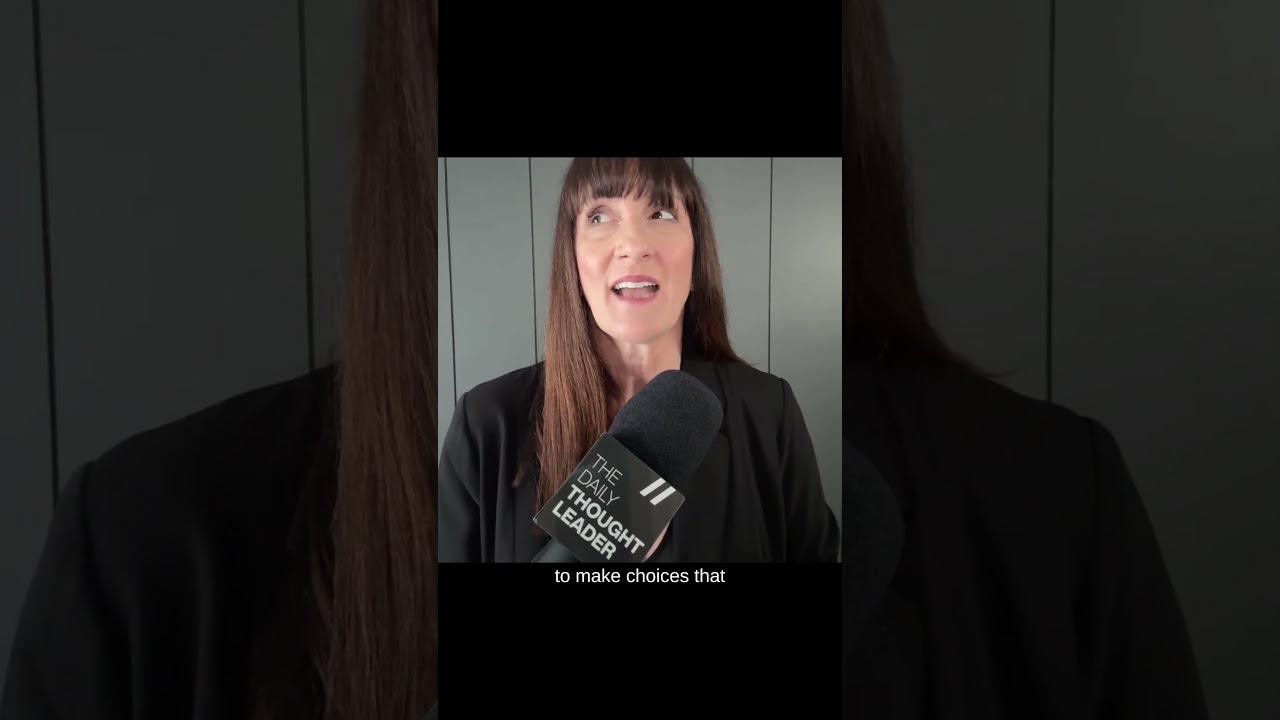
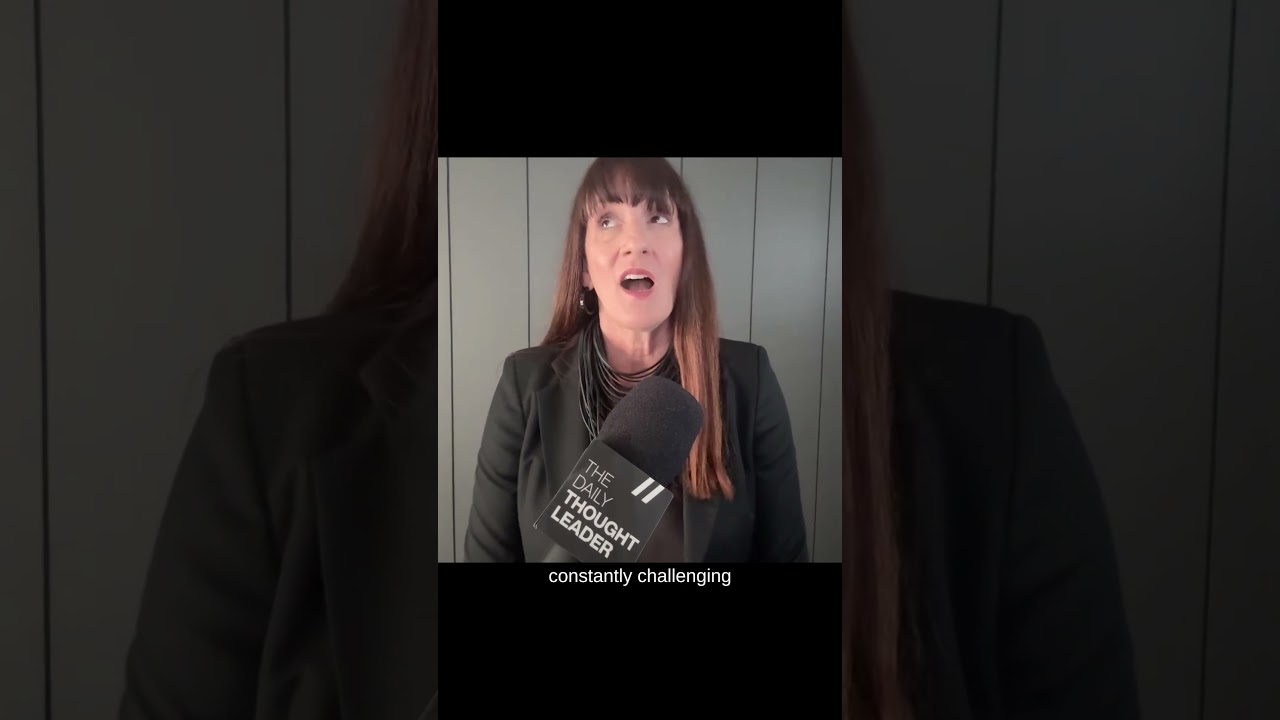
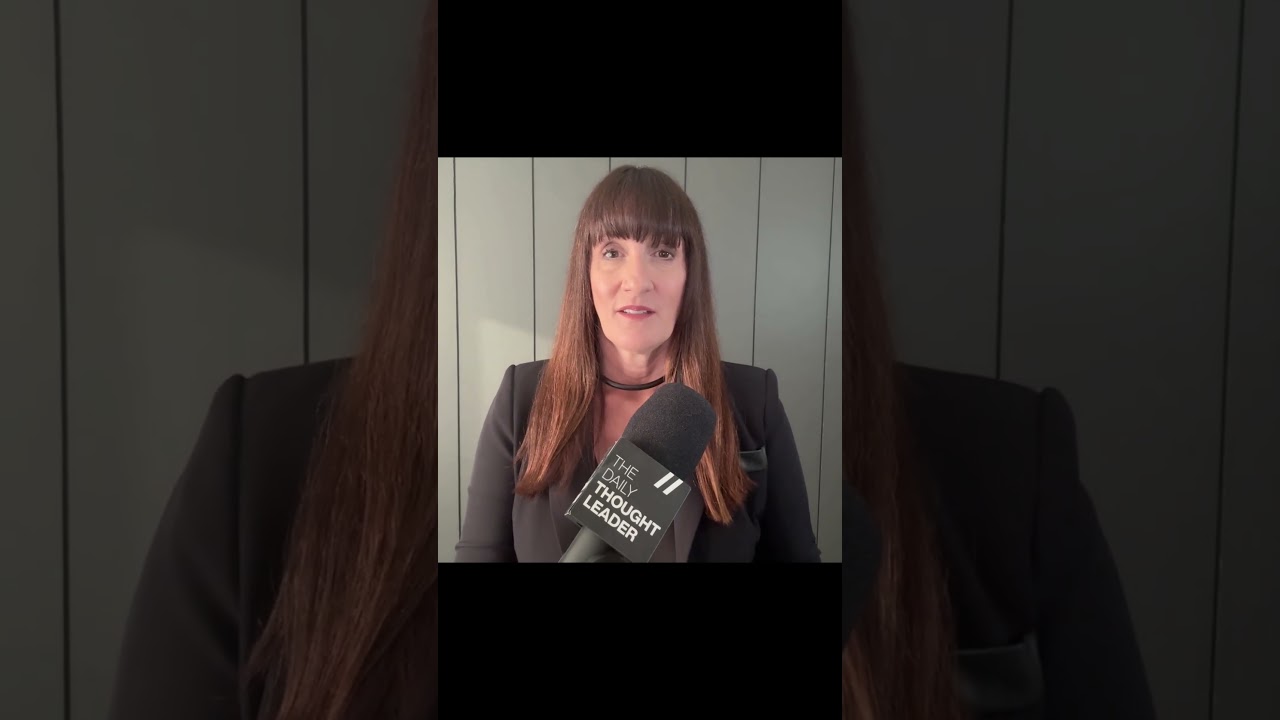
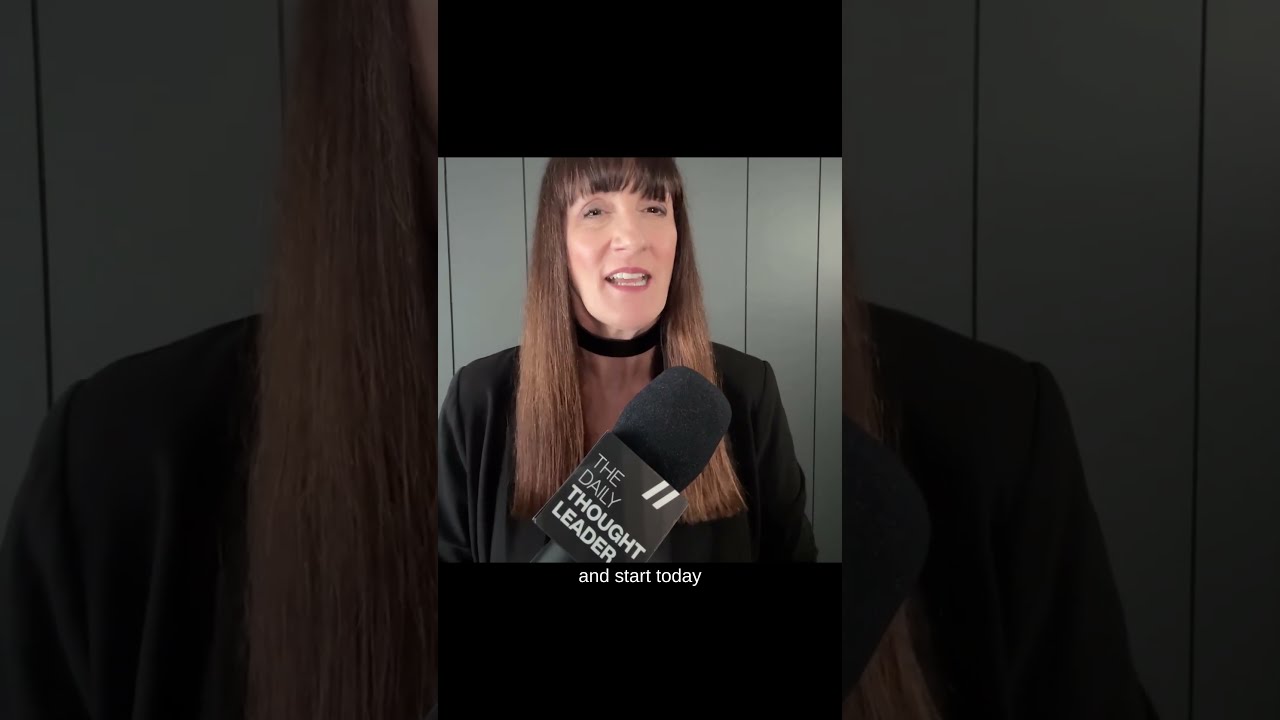
Identical twins Winnie and Lori Hart explain why they named their consultancy TwinEngine: two engines representing a leader brand and an organization brand, a metaphor rooted in their father's small-plane lessons. They describe how the firm shifted from traditional advertising to focus on thought leadership, authenticity, and purpose-driven strategy in an age of AI-generated content.
Chapters
Most people get us confused for obvious reasons. And it was really for like the first 16 years of our lives where people really thought we were the same person, Winnie Laurie. Do you remember that?
Yeah. Turns out that's exactly why we got good at what we did.
Exactly. And it really started with Dad. I know, Dad. So I think we were about 11, and I remember every Saturday we would spend our entire day at the remote control airfield. Do you remember that? With the 4-legged clovers? And Dad wanted to have a better relationship with Tommy. Actually, there's 3 of us. There's Tommy, not a triplet, but our little brother. Baby brother, baby brother. And I remember them like building these planes and flying these planes and crashing these planes and rebuilding these planes, and we were all always just sort of there observing. And I remember, um, sitting in the back seat of Dad's El Camino and Dad looking back and saying, you know, Winnie Laurie Tommy, I kind of want to fly big planes. Do you remember that day?
I do remember that day.
And then, of course, he worked shift work. And I remember, like, there were stacks and stacks of books on the kitchen table, like how to fly a plane. And every day he'd come home at 6 a.m. and he would be sitting there when we got up and got ready for school and reading those books. Studying. Yeah, studying and teaching himself how to fly. And so fast forward, was it like a year?
It was pretty close after that, like a year.
He actually— I never, I'll never forget the day I was standing in the driveway of our little 900-square-foot house on North Main Drive. And I think you were with Dad, right?
I was with Dad. You were with Dad. Me and Tommy.
You and Tommy and Granny, I think. Yeah, it was a great day. And I was on the driveway looking up in the sky and watching Dad and the three of you.
Dad's first flyover.
First flyover.
I remember sitting in the back of the plane and Dad said, I'm going to say hey. And Tommy looked at each other like, what?
And he did the—
he went like this.
Oh, with the plane.
You remember that?
Why wasn't I in the plane? Well, you know, somebody had to go. Somebody had to go.
Someone had to say, "Maw." That's kind of how it's been, right?
Yeah. Well, for me, it was just a really simple lesson that I learned that day, and that is you have to learn how to fly small planes before you can fly big ones. And it really became like the center of who we are, what we do, and why our company is named Twin Engine. I mean, most people probably don't even realize that.
Yeah, it's a great story. Yeah. When I think about twin engine, I kind of think twin engines, but I think two engines. Yeah.
Almost like two seats. Yeah.
Whereas I focus more on the organizational side and you focus more on the leader side. Yeah. Yeah.
Exactly. Well, you got to have co-pilots.
Yeah.
Actually, I don't think Dad's plane was a twin engine. I think it was more like a propeller plane.
It was a single engine.
Single engine plane. But, um, hey, works better with us with twins, right? Dad approved. So I agree with you about this idea of two engines. And we've been doing this for a very long time. I think 30-plus years to be exact. And one thing I love about what we do is that we do think of it as two engines. I think, you know, when we started the company very, very long time ago, we were a full-service advertising agency and it's changed and evolved many times since then.
We are recovering.
We are recovering, recovering advertising executives. Advertising, no, no, no longer. We're on the brand side these days and working with really two different engines of brands, the leader, the brand, of the leader and the brand of the organization and the company. And I think that's been a really unique offering to the people that we love to work with.
And I think a time has changed that too, because we started out, we represented companies. Yeah. I don't even remember ever thinking about leaders and companies back then.
They didn't really have a— I mean, well, maybe a picture in an annual report.
Yeah.
But we never thought of them as the face of a company and to have that visibility that leaders have today.
It seems like it's almost turned over.
It is absolutely turned upside down.
Yeah.
Where like a pyramid where the organization was really withheld and held the brand assets and the brand equity. And now it's really, it's really the leader because people buy from people. And I think with what's happening in the world and with AI and with just the sheer noise of who and what you compete with as a brand, You know, it's that face of the leader that really helps brands come through and stand out.
And thinking about it like as a plane, you gotta, the pilot's gotta fly the plane.
Right.
So you could look at it that way too.
Well, maybe they change, right? Maybe the pilot flies the plane for a while and the organization flies the plane for a while.
Good point.
Yeah. You know, I think that one thing that you and I always talk about is what leads, you know, what's first, what's second, who, what brand actually leads and what follows.
I think originally I would say the organization, but my thoughts have changed on that.
Yeah, I mean, definitely the leader.
Mm-hmm.
You know, I think, you know, we worked on the— it's not the first book, but one of the first books was Stand Out as a Thought Leader. And that book was written because we really saw this change. This was probably, I think, 5 years ago that we were moving from this space of the brand of an organization to the brand of a leader. And what their thought actually is, how to stand out, how to be a thought leader, how to have an opinion, what you stand for. And that book was written to help leaders think about things differently.
But wasn't the first— the first book we wrote was Stand Out. That was organization.
That was for an organization. Yeah. And then we changed.
Yeah.
And I think it was a good change.
You learned a lot from that.
Well, I mean, I know we spoke all over the world. We did hundreds and hundreds of workshops and realized that the leader was missing in that first book.
Fundamentals are the same though.
Fundamentals. Well, we, we changed identity to visuality and visually, visuality to identity. I know we switched that a few times.
There's a few changes. Yeah.
Which actually is a very important part of all of this is because visuality and identity have become so important. You know, how you're seen, where you're seen, um, you know, how you're perceived by people and, um, how you present yourself.
It's not just a logo anymore.
Not just a logo anymore. Well, your face is now the logo, right?
Mm-hmm.
You know, I love the process that we've developed for thought leadership because it's not just about a LinkedIn post. You know, it's about a lot of things. It's about what's your distinct advantage? What is unique about you from other people? And it actually works both ways because it works for the leader and for the organization. Authenticity, you know, what is really true about who you are and How does that reflect in the words that you use? I think right now with AI and what we're seeing with, you know, ChatGPT and Claude and all of the other AI tools is everyone's really sounding the same.
Yeah, this sounds the same.
Totally the same.
I think you also have to understand who your audience is.
Well, everyone's not your audience. You know, I think, you know, the more nichey you can get, the more results achieve. You always say, what do you always say?
There's riches in the niches.
Yeah, I think one thing I love about the direction we're moving into with this concept of two engines and the leader engine and the organization engine is that it helps leaders understand where they stand when it comes to the organization of the brand and what that connection between the two really looks like. What are your thoughts on that?
Well, I think that they— I think you need them both. You know, going back to the plane idea again. Yeah. It takes all of those things to be able to fly that plane.
Well, I think historically leaders showed up because of a crisis. You know, we spent a lot of time on the crisis side of things and It's almost like crisis usually happens sort of like periodically, and now they happen almost daily for some companies and leaders because everything's so visible.
It is so accessible.
So accessible. Mm-hmm. But that the leader has to build brand equity, has to build visuality, identity, uh, way in advance of a crisis happening so that they do have equity and that people feel like they know them when a crisis does occur. Mm-hmm.
And I think they have to lead the culture too.
Yeah, it works internally.
Mm-hmm.
You know, being clear not only what they stand for externally to their audience, but what they stand for internally to their, their teams, their, you know, their community, you know, their peers, their audience, their peers.
Mm-hmm.
Um, peer, you know, it's, uh, I think this whole idea of peer influence has become really important about who you're associated with as a brand, as a leader. And how that is perceived with your own brand. I know that we've had some challenges with some of our leaders where maybe there was a crisis with one of their peers and they got pulled into it. There's a very famous one that's happening visually to all of us these days, which I won't name, but that can really impact people's reputation, which impacts the company and organization.
And perception. Because perception's reality.
Yeah, I know. You know, it's hard today, I think, to be yourself, to be authentic, and to really pay attention to how other people perceive you. You know, I know that we do— one of the things I love about what we do is listening campaigns so that we can really assess, like, how are people perceived? What are people really known for? How are they understood among their peers? You know, that's not easy to see because, like, when you're I mean, you can't see yourself outside of yourself.
Mm-hmm. I've heard that before.
Yeah.
Can't see yourself outside of yourself.
Well, you can't read the label when you're inside the jar. Yeah.
I think, I think one thing too that we do in, in terms of, uh, really understanding that perception is talking, talking to your clients, understanding, uh, their perception because there's always a lot of ahas that you learn with that.
Yeah. I know we launched a brand. It's been many, many years ago. Where the tagline of the entire company came from a client interview.
I remember that.
I remember that exact moment. And I remember sitting there and hearing it and knowing that that was it.
That was it.
And it wasn't some, you know, market marketing speak. It was something that was just real and authentic and unique to a company.
And it ended up being their value proposition.
Yeah. God, that was so great. We need to bring that back. We need to check on them. I mean, I think about how many brands and how many organizations we've worked with over the years, how many leaders, you know, hundreds and hundreds. And there's something I love about every single one of them. It's amazing. Do you have a favorite without naming? Ah, so many.
Have a lot of favorites. Have a lot of favorites. But I think it's very rewarding to see when a company comes together and is really able to present themselves as they, who they really wanna be, you know? I think going through the process just with Twin Engine to become a B Corp was really powerful because that really resonated with who we are as a company, being purpose-driven. And we've seen so many examples of that of our clients who they really, they learn a lot about who they are internally as well. And so that they can really portray that externally.
Well, I think the B Corp process started with some EO companies in Europe that were really thinking about, how can I present myself and build a practice that keeps me purpose-driven? What was that process like?
Well, we were fortunate enough to be able to utilize EO to do that. We went through a course. It was a year-long course. I remember there was hundreds of people in the course. And we were just interested in learning more about the topic. But once we really got into the topic, we really resonated with that's really who we are as a company. And then, so from that point on, we really had a chance to look inside our company and we made a lot of changes because who we wanted to be wasn't always reflected on the inside. So we made a lot of changes to really focus on our team, culture, the benefits that we provide, and the difference that we make, you know, for, you know, the pro bono companies that we've worked for over many, many years.
We wanted that to be a reflection of it as well.
And yeah. We just got certified for our second 3-year term.
That's huge. And it's gotten harder too.
It's gotten very hard. Yeah. They've completely changed how they, uh, the process in terms of what it takes. Um, because they, they want it, they want people to be really proud of it. Um, so not simple.
How many B Corps are there? And they're all over the world, right?
They're all over the world. I think 8, is it 8,000?
Something like that. I think it was 3,000 when we started.
Yeah.
It's about half. About half. It's about half.
So I think 8,000 companies all around the world.
Yeah, it's amazing. I think it's so important today to really think about what purpose means. You know, I know that we've never really been a transactional company and, you know, how to really leverage what we stand for and what's important to us and our values. And I think a lot of those values came from our parents, you know, came from how we were raised, how we grew up. And just the integrity we bring to every single thing we do.
Power of positive thinking.
That's Dad. Power of positive thinking. So many Dad-isms. You don't know what you don't know. Power of positive thinking. Think positive, Winnie and Lori. I remember Dad was our chauffeur, of course, and he would drive us to the mall. Remember when people used to actually go to the mall? The mall. Like, many people probably don't even know what the mall is. But we used to go to the mall and Dad would, you know, drive us up to the, you know, we could see our friends in the background and, you know, he would roll down the window. Yeah, like this, roll down the window and like, you know, Winnie Laurie, you don't know what you don't know. We'd be like, God, I can't believe my dad is doing that. I'm so embarrassed. And think about how important those values were today and how we really live those values every single day. And, um, it makes me so proud. So proud.
So proud. When I think about that, I think about the Lectures 101 on the couch. Oh, Lectures 101. We used to think it was Lectures 101.
That was the beginning of what a podcast was. I remember Dad, and he was really—
the best part of Dad was that he told stories. Dad was such a great storyteller. He was a great storyteller. And, um, And I can remember so many of those stories. Yeah. So we call it lecture, but really it was just a story. Just a story. And he just wanted to impact us.
And when he was a thought leader, dad was a thought leader. Dad was a thought leader. First thought leader we ever met.
Yes. Yeah. Our dad. Yeah.
Brig.
And it was all about the truth.
Yes.
Everything was just about the truth. Yeah.
Yeah.
So fortunate. So lucky. Mm-hmm. I think it had a lot to do too with him growing up in a different country. Yeah. And being exposed to so many different things. And really saying, I think Dad really saw how fortunate he was by living in another country.
Yeah, living in Haiti.
Yeah. So hard to see that sometimes when in the United States because everything's right at our fingertips. But I think that impacted my thought the way it did.
So lucky.
Mm-hmm.
So lucky. You know, it's wonderful to be a dual engine in a company and to be able to have those shared values.
Mm-hmm.
I know that, you know, everyone, you know, every visionary is looking for an integrator. And I think we're like a cookie-cutter example of what that actually can look like. And through those shared values, you know, since the very beginning, I think it's pretty powerful, you know, and then bringing that to the amazing leaders and the organizations we have opportunity to work with to help them be their best, you know, bringing those, that the whole concept of being a B-Corp and be purpose-driven, actually really driven. We're not driven. We have a plane. It's really more purpose-fueled, fueled by purpose.
There you go.
And to help people take off, you know, and to stay on course and to reach their own potential as a leader and as a company. And I know that many people, you know, always ask us, what do we do? You know, and I think we really help leaders and companies really define what they stand for and make a difference in the world. And I think there's, there's, you know, there's equity in that. There's a lot of equity in that. And I think keeping people true to who they are and the organizations they lead, I think, is what the world needs today. We need those voices. We need to hear the voices of those leaders and the amazing organizations that they lead. The world depends on it, I think. Totally agree.
And to be authentic.
Be authentic. Well, I was just thinking about Dad and all the stories. And I think about being identical twins. By the way, we're identical, if you haven't figured that out yet. And the amazing journey that we've had to be able to, like we said, to be able to see ourselves outside of ourselves and how that's really become what we do. And now to have that distinct opportunity to really see those two engines independently but connected, the leader and the organization. What that means for the future of brand and marketing and influence and standing out.
Mm-hmm. Yeah.
Yeah. It's pretty cool.
It is.
Yeah, it's awesome. So this is what we're going to do every week. We're going to talk out loud about the organizations and the leaders that we lead and have the opportunity to work with. And and what's happening right now in the world of brand and twin engine. Mm-hmm. So same time next week, same time next week, The Twin Room.