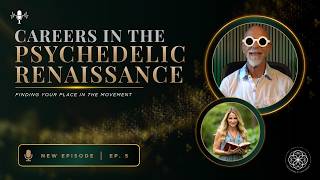
Quit waiting for Legalization| Psychedelic Concierge ep.4
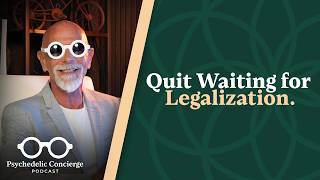
Zappy Zapolin shows how to build a psychedelic guide business right now using legal ketamine lozenges from compounding pharmacies. Guides can charge several thousand dollars per client for preparation, facilitation, and integration work, either as independent operators or salaried clinic staff. The market is huge: tens of millions of curious Americans, and guides collaborate rather than compete.
39 million people have identified in the United States as psychedelic curious. Psychedelic medicine is white hot. The growing popularity of psychedelics as an assist in therapy. But there's no really good resources for where to go. Microdosing of mushrooms is ripping through the middle of the country.
I am so encouraged by psychedelics. You know, it's like a retreat, but never in the world of longevity. And of course, you have to be very careful when talking about psychedelics because they're extremely powerful. It needs to be done properly with a licensed professional.
And it's sweeping through because there's no other solution. And it's been shown to break a heroin addiction in one session. DEA just recently asked Health and Human Services to reschedule psilocybin off of Schedule I. Tens of millions of people are about to have a psilocybin mushroom experience. Welcome to the Psychedelic Concierge Podcast. I'm your host, Zappy Zapolin, and today we're going to talk about how to actually build a career in the psychedelic space without breaking the law. A lot of people have this misconception that they have to wait until things get legal in order to do this work, but in fact, there are several things you can be doing right now that are completely legal and something that you can take on in this very moment. One of those things is ketamine. And because this is an FDA-approved medication, it's totally legal for your client to work with a doctor and work with yourself. And I'm gonna explain exactly what that looks like. The ketamine that's being done right now is being done in a lozenge, and that lozenge comes from a compounding pharmacy and it is sent directly to the client. In the process of working with the client, what you're gonna do is you're gonna connect them to the doctor who is going to do the intake, is gonna go through their medical, make sure they're the right candidate for this. And then that doctor is going to have the compounding pharmacy send them the lozenges in the mail. When you're helping one of your clients have a ketamine experience, the steps there are number one, you're going to connect them with the doctor. And because the ketamine doctor is trained for intake, it's FDA approved, and this is their patient, you're creating a doctor-patient relationship. And that's not for you to do. What's gonna happen is the doctor's then gonna have the compounding pharmacy send the medicine directly to the patient. And once they've got that, now you're in a situation where you can help them. You are going to do preparation on the actual experience, what they're supposed to eat, what they shouldn't, shouldn't do before their treatment, what they might feel during that. You're really prepping them on exactly what is going to take place to eliminate any of their fear, any of their uncertainty. You are going to walk them through exactly what's going to happen during the process of the ketamine and how you're going to help them to integrate that experience after. Once you've got them settled in and everything is good, there is music that you're going to play, a playlist that's going to guide them through the whole journey. You're going to let them know that you're there and you are watching over them. And one of the cool things about Zoom is that not only are you having that connection over the Zoom, but there's like this psycho-spiritual connection that's happening in the field. Field with these people where they're going to understand and feel that you're there for them. And that connection is going to be very real during that process. It's about a 35-minute journey that they go on while they're experiencing this and listening to music. And then after that, they're just going to lay there for another 45 minutes or an hour, just listening to the music in the best meditation of their whole life. You're going to make sure they're okay to use the restroom, that the medicine's worn off, that everything's okay. They're going to, you know, go to sleep in their own bed. Everything's good. And then you go to the next stage, which is going to be the integration. So after they've had this experience, they're going to be trying to figure out, you know, how do I integrate this into my everyday life? And you are, through your training, going to know how to walk somebody through integrating with family, because that's a big thing. Because after you have one of these big experiences and you try to tell your family and things like that, it's very important you use the right verbiage, that you frame this properly, and you frame what's happened to you through that experience. So you're gonna be guiding people of, you know, with their coworkers, with their partners, relationships, all these things of how to properly integrate that experience. And then also as they've had changes, you know, which may be how they're thinking about their life or trauma that doesn't seem to be bothering them anymore. And you're helping these people to just integrate that. And because you've had the experience yourself, you know the language, you know what they're going through, and they can sense that, they understand that. This is a unique experience that they're having and that you as the guide are there to help them to make the most of this experience. And so collectively in helping them, you may have spent 5 or 6 hours between preparation hour, 3 hours of the journey, and then a few hours doing that integration part. So in doing that, if you've been able to charge the client thousands of dollars for that experience, your time was properly paid for and the results that the people are getting are so big that even if they had paid you a million dollars, they would still be thanking you. And so it's really one of these things where you can feel really good, but at the same time, you can make a career out of this. Some people want to work on just one aspect of this. They may want to work on the integration because it's thrilling to work with somebody who's neuroplastic and having all these real breakthroughs, because most coaches will tell you that one of the most frustrating things is repeatedly going through the same thing with their client and no change is happening. They keep talking, but nothing's happening. And when you've had a psychedelic experience and you've really shifted your consciousness, the gains that people can make are huge. So there's a lot of satisfaction people get from just doing integration. Some people may just want to be a guide during the experience because helping people to move through the experience and their emotions and connecting them back to their breath, that thrills them. And there's some people that literally just want to prep people for the journey. They get a kick out of, you know, helping these people have their first experience with a new medication, a new compound. So wherever it fits you, you get to play there. And what I love about it too is that if you want to travel and make this a globetrotting career for yourself, you can do it. But if you want to sit home because maybe you have kids or maybe you're working another job, that you can take this on and over Zoom you can have this whole new career or implement it into your coaching or your therapy. And now you're making massive gains with these people. That's the thrill. Right now, there are so many clinics and retreat centers that are looking for qualified people who can help to prep and integrate the clients and even hold space that, that's an opportunity within the career space where you don't have to be an entrepreneur. You don't have to take this on yourself. If you need that steady paycheck from a clinic or a retreat center, you have that opportunity. And right now, And as the expansion's happening, we're seeing all these clinics and popping up all over the place. They need trained people because the big mistake that happened early with ketamine was people were going into a clinical medical environment and they were interacting with the doctor and the nurses and the staff who'd never done ketamine, have no idea what the person's going through, and have no ability to help the person after. So by working with a clinic or a retreat center that's already doing the business and you're helping their clients, they become more successful and you have a client base built right in in there. The Psychedelic Concierge program, one of the most exciting parts about it is we actually show you how to develop the clients. We help you to find your ideal client. We help you to build the funnels that you need on the internet to draw those folks in. We show you how to price your offering, how to do only the pieces that you want to do. And you've got a— you're standing on the back of all these people who have already built these businesses, built these funnels, and we're helping you to do it in a way where you can have these clients for years and years. And so whether you want to be an entrepreneur or you want that steady paycheck, the opportunity exists right now. The executive side of this program is all about building your career. One of the coolest things about this industry is that it's a coopetition type of thing. And so if you love doing integration and there's somebody else that's putting on an event and they're holding space, they're guiding people through the journey, you can work with them and their clients afterwards to do the integration. Because everybody kind of likes different parts of this whole thing. And so if you find somebody, a client comes to you and says, hey, I want to do mushrooms, I think it's going to be great for me. I want to do a hero dose. And you talk to them about why they want to do it and you know what their intention is, what traumas maybe they're trying to heal from. And then you realize, ah, this person really should be doing ayahuasca. Then you're in a position at that point to guide them to the right medicine and to work with somebody that you know is going to be of the highest quality guide. And so you don't have to be the expert in all these things. What you have to know is the foundations, and then you have to have this really strong network around you where when you realize, hey, this person needs microdosing, you can refer them to a microdosing expert. And that's how you become the concierge. For me personally, my favorite part of being a psychedelic concierge is the emotional connection that I have with these clients because I know they're having these huge experiences. I'm helping them to integrate. But when I get under the hood and I figure out what they're really trying to do and what they're trying to achieve, and then I make this recommendation, I'm not just saying, hey, I think you need ayahuasca, go find a place. What I'm doing is I'm connecting them with the top people in the industry, the best programs, and then I'm able to know, hey, if I prep them properly, they go have this experience, and then I help them to integrate, I'm creating a relationship with them that's going to go on for years and years. And most of my clients They start with one medicine, they peel more of the onion back and then more and more. And so there's— it never ends. These are clients of mine. I've had some of these people for decades now. And so being a psychedelic concierge is all about not just knowing where to send somebody, but sending them the right place and then helping them to move along their journey over their lifetime. You know, we're doing this at 5-star resorts and traveling the world. And so as their concierge, as their guide, I get to join them on these incredible experiences and basically take care of all the things that they shouldn't be thinking about so that they can get the most out of this possible. And that's the job of the psychedelic concierge. People that are— want a VIP experience, they are willing to pay whatever it takes. And because I really feel like this is a million-dollar experience, every time I take somebody to do medicine and have these big breakthroughs, what's that worth? I mean, if they were Bill Gates, I'd be charging them $10 million. And at the end, He'd be saying, "That was totally worth it. When are we going next?" So the experience of being the person that holds that intention as they're going through it and they're having all of these, you know, moment-to-moment things happen, if I'm taking care of that for them, they're gonna have the best experience possible. That's gonna be reflected in— the more white glove it is, the more people are willing to pay. And so for my clients, I two-tier this thing. I say, number one, here's what it's gonna cost you to do this and for me to travel with you. To do and take care of all this, but I want you to think a year from now. If you are in a great headspace, life is fantastic, you've achieved all the things you want, what would you be willing to pay me at that point and kind of pay it forward for other people? And that could be a million-dollar paycheck as you're out there chaperoning these people, traveling around with them. You don't need that many clients to really have a career. This big money, big opportunity. One of the coolest things I think right now is that there are people that are guiding mushroom journeys, helping people to prep, sitting with them while they're having the experience and then integrating that. And they're doing it on weekends. It takes maybe like 8 hours, 10 hours total between the preparation, the experience, and some of the aftercare. And they're charging thousands of dollars for those experiences. So now if they do that 4 times in a month, they have a 6-figure career. And so take the ketamine example. You're gonna do an hour of preparation before their journey. You're gonna spend the 2 or 3 hours that it takes to do the actual session, and then you are going to help them for an hour or 2 of integration sessions after. And whether that's in person or over Zoom, you've just done 5 or 6 hours of work. You charged a couple of thousand dollars to do that. They're happy, you're doing well, and what could be better than that? So now that you know that this is happening and it's real and there's real money here, you can step this as a career, not just something that gives you a thrill. Thanks for spending time with us on the Psychedelic Concierge podcast, and we'll see you next time.
More from Zappy
Some people are looking for a job. Others are looking for work that actually means something.
Building a career in psychedelics isn't as crazy as it sounded five years ago.