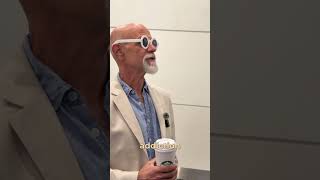
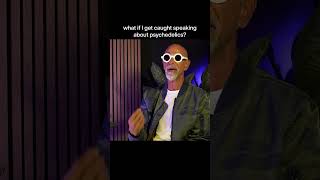
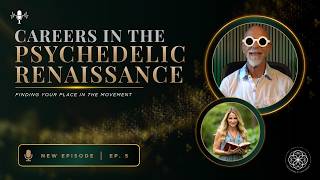
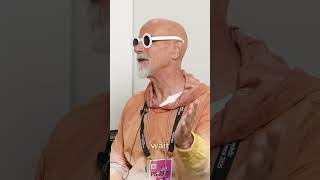
In this episode of the Psychedelic Concierge Podcast, host Zappy Zapolin warns that the rapid growth of psychedelic curiosity—over 39 million Americans—has outpaced the development of professional standards, creating a dangerous “dark side” in the industry. He argues that the primary risk is not the substances themselves but untrained, underground guides who lack trauma‑informed leadership, ethical frameworks, and proper containers for safe experiences. Without clear standards, seekers turn to unreliable internet sources or shady retreats, leading to potential harm, exploitation, and increased public skepticism. Zapolin emphasizes the need for a formal professional container: standardized training, peer communities, and clear best‑practice guidelines that match specific psychedelics (psilocybin, ibogaine, ayahuasca, San Pedro, microdosing) to individual therapeutic goals while respecting contraindications. He stresses that integration—the post‑experience work—is as crucial as the medicine itself; without it, patients risk re‑traumatization. A case study of Lamar Odom’s ibogaine treatment illustrates how skilled facilitation can support genuine transformation, whereas unskilled guidance could derail recovery. The episode concludes with a call to action for practitioners to seek proper training, certification, and to help professionalize the field, thereby building trust, safety, and efficacy for the millions poised to enter psychedelic therapy.
39 million people have identified in the United States as psychedelic curious. Psychedelic medicine is white hot. The growing popularity of psychedelics as an assist in therapy. But there's no really good resources for where to go. Microdosing of mushrooms is ripping through the middle of the country.
I am so encouraged by psychedelics. You know, it's like a retreat, but never in the world of longevity. And of course you have to be very careful when talking about psychedelics because they're extremely powerful. It needs to be done properly with a licensed professional.
And it's sweeping through because there's no other solution. And it's been shown to break a heroin addiction in one session. DEA just recently asked Health and Human Services to reschedule psilocybin off of Schedule I. Tens of millions of people are about to have a psilocybin mushroom experience. Welcome back to the Psychedelic Concierge Podcast. I'm your host, Zappy Zapolin, and today we're going to talk about the dark side of the psychedelic industry and why training matters. What concerns me most about how psychedelic medicine and guiding is happening right now is that it's not the substance that's the problem. It's an uneducated guide. It's somebody who's, trying their best to hold space and they really wanna be positive and they really wanna help, but they don't have the professional standards. They don't have the framework of how to hold space. They don't understand trauma-informed leadership and all of these components that take something from being scary and invite skepticism to being out in the open with standards and something that people can really feel good about and you can help your clients and newcomers to this space to immediately feel comfortable like they should. So what the industry needs right now, most importantly, is clarity and trust, because right now we're coming out of this prohibition. There's no standards, there's no traditional education model, so people just kind of make it up as they go, and that can be dangerous. One important observation right now is that there's a lot of people who have had a psychedelic experience, they understand understand the power of these things and they want to help other people, but they're operating underground. They're doing it in quiet, in the shadows, and it invites a lot of skepticism. It perpetuates the scrutiny that's happening. And so as well-intentioned as they are, they don't have this professional container that they're in where they can know that what they're doing is actually helping the industry. So there's a lot of people out there that really feel like they're advancing this mission because they're working with the medicine and they've had their own big experiences. But the reality is, because they're doing it in the shadows, in the quiet, without the proper container, they're inviting more skepticism, more scrutiny to come to this industry. So it's like this paradox where they want to help, they want to bring this into the light, but by working in the shadows, they're keeping it in the shadows. The solution to all this is to actually have a professional standard that's created and to be part of that and to work with best practices. Because in other industries where they're taboo and they're underground, they remain that way. And the way that you bring something out into the public, into the light in a positive way that doesn't have scrutiny up around it, doesn't invite more skepticism, is to raise the of professionalism of the industry itself. And that comes from your base knowledge. It comes from having a community of peers to test things with and to really know what the standards are. Because interestingly enough, in the psychedelic industry, there's a lot of people who think they know what the standard should be. But really, the standards are up here because we've got to meet society where they're at. And they're coming out of this prohibition. They've come out of now a pandemic. We've got this suicide, addiction, depression epidemic happening. So by keeping it in the shadows, you just sort of perpetuate this stereotype. When you have the professional container and you come to these people and say, hey, I believe this may be a solution for you, and here's the data, and here's what I do, and here's what you should expect, now they're looking at it like, wow, this is professional industry. These are the standards and I'm going to benefit from this. The unfortunate situation right now is that because we've been in a prohibition, there isn't clear trustworthy sources. And so what people wind up doing is they go on the internet, they search. They heard about ayahuasca from, you know, Aaron Rodgers, or they hear about ibogaine because of Conor McGregor and they go, oh, this is for me. They go online and they find some place, maybe it's in Costa Rica or Peru somewhere, and they take that opportunity and they go down there and because they don't understand what a professional container is supposed to look like, because we don't have these standards, they wind up in some, you know, scary situation with somebody who's doing dangerous things, risky things, maybe even taking advantage of them. And that's the sta— that's what's happening right now on the street. And so as we become more of a profession, as this industry professionalizes itself, people get the knowledge, then we've got a new opportunity for people where they can say, "Aha, I know where I should enter this space. I know what medicine would be best for me." 'Cause all these medicines have different opportunities. So every medicine, you know, you've got psilocybin microdosing to bring people joy. You've got iboga for addiction. You got ayahuasca if you need the hug from your grandmother. You've got San Pedro to connect you back to nature. So knowing which medicine you need based on what you're doing or what you need is really important. And so when people are trained, when there are professional standards, those people are able to do an intake on these people now and say, "Aha, okay, you're telling me you think you need ayahuasca for this reason and that, but because of what you're telling me your traumas are, what your intention for doing this is, I actually think you need something else." and you're able to be a better source for them to figure out what they really need. Because right now, you go online right now, you just think you either need ayahuasca or maybe some mushrooms, when in fact there's so many opportunities for you to heal yourself using these different medicines. And, and, and quite frankly, there's a lot of medications that are contraindicated with psychedelic medicine. So if you're just making this stuff up as you go, or going on Google and trying to figure it out, you could put yourself in a really dangerous position. You need to be with somebody who can show you, here's what you're trying to achieve, here's the medicine you probably want to use, and here's what you need to look out for. You know, the psychedelics for me and my experience on Wall Street are kind of a mirror because when I was the vice president at Bear Stearns, there were all kinds of products, stocks, bonds, all kinds of different risk profiles and things. And so, If you don't know what you're doing and you're just putting your money in and hoping it goes well, it's probably gonna go bad. And so same thing with psychedelics. If you don't know what you need or you don't have somebody who can, a professional who can tell you what would be best for you, why would you put it in your body? That doesn't make sense. At the end of the day, these are powerful energies, these compounds. And so you need a proper container. You need guidance. It's almost like when you're 16 years old, you don't just give the kid the car keys keys. You know, a car is like a powerful energy. It's dangerous. So you don't just hand them the keys because they're of age. You need education and training to be able to handle that. And with psychedelics, that's the container, is the professional who can help you to get educated, get trained, and get the most out of it possible. One of the scary things I see in the psychedelic space happening is that people just assume that the medicine's going to do everything. So they say, oh, I'm having depression or addiction, I'll just take this medicine and I'll be good. They don't realize that the medicine is just a small part of it. It's what happens after and how you integrate that into your existing life that's gonna be the factor of how much you get out of it. So right now you've got a situation where if you're not guided properly and you have this traumatic event come up, you could actually cause more trauma. So there's all these well-intentioned people who are trying to hold space and show somebody how to have a good psychedelic experience, and all of a sudden this big trauma comes up, something that would be amazing to get through and guide somebody through, and they try to either handle it in some way to suppress it or to, you know, make it go away. And at the end of the day, they may have actually traumatized this person even more than before they did the psychedelics. A lot of what I see happening right now is that people are having these psychedelic experiences, they're coming out, and they're having to process all of these really big traumas and experiences and things that came up and integrate that into their existing life, and they're not able to. It's creating this almost a worse situation than before they went in and did the medicine. The journey itself doesn't do much if you don't have the support and the integration support to take what you learned about yourself or what happened to you, and then to integrate that back into your life. And with support, you can get through any kind of trauma. You can take these things for peak performance and integrate them in a way that's going to be really healthy. But the idea is that, as the shamans say, the medicine is going to do half the work, but half the other half is up to you. So here's an example of that. I worked with Lamar Odom, the basketball player, Kardashian, gave him a psychedelic intervention over a couple of years. And when he did the ibogaine in Mexico with a doctor and a trained facilitator, when he came back, He wasn't all of a sudden a monk and doing nothing. People came to him and said, "Hey, I got a plane. We're going to Vegas. We're going to party." And he wasn't like, "Oh, I'm not going to do that because I don't do that anymore." He was like, "Oh, okay. Yeah, let's do that." And he got on the plane. He went to the parties. And then he realized, "Aha, this party thing, it's not really resonating with me anymore. I don't think I'm going to do that anymore." And so he had to have that experience. And if somebody were not weren't supportive and didn't know what they were doing, they might say, "Hey man, what are you doing? It looks like nothing worked." When in fact he had changed so completely that when he had the experience, he no longer craved it, no longer even wanted it. That's real transformation. And if you don't know how to help somebody to move forward in their life after these big experiences, you may be hurting them more than you're helping them. Hopefully, if you listen to this episode, you can understand that if you are out there and you're holding space and having ceremonies and just winging it, and you think you're moving this thing forward, this industry forward, you're actually hurting it. And I would implore you to go ahead and get trained and be part of a professional container, not winging it and just making it up as you go along, because you might think that you're helping this industry and moving it forward, but you're actually continuing to hold it back from being what it's supposed to be. So if you're curious about what that kind of training really looks like and what goes into that, reach out to us and get involved in a professional way. Thanks so much for listening to the Psychedelic Concierge Podcast. Hopefully you heard from this episode what it takes to bring this whole industry out into the light to make it everything it's supposed to be. See you next time.