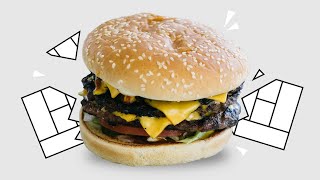
Business Model Canvas Example - Mr Beast Burger

MrBeast Burger used Virtual Dining Concepts' model to scale fast: partner with existing restaurants that have spare kitchen capacity, slap a celebrity brand on the menu, sell through delivery apps. No new building, no new staff. Just licensing fees and a cut of sales.
Questions this video answers
February 10, 2021
300 locations
Robert Earl
Nearly six years
Takes a cut of fast-food sales from the end consumer (licensing/commission)
Chapters
MrBeast is second on the list of Forbes highest paid YouTube stars. He's just launched a fast food brand called MrBeast Burger and opened up 300 locations overnight. To put that into context, it took McDonald's nearly six years to do pretty much the same thing. So how did MrBeast do it so fast? To answer this question, we need to look back at the company behind MrBeast Burger. Virtual dining Concepts was founded by hospitality entrepreneur Robert Earl, who has a string of restaurant chains across the U.S. what he realized was that many restaurant owners like himself had spare capacity in their kitchens. So he saw an opportunity to apply a business model that hadn't been used before in his industry. Let's use the business model canvas to see what that looks like. Virtual Dining Concepts first customer segment is the mass market, or to be specific, the fans or followers of celebrities and influencers like MrBeast. For example, the value proposition for the mass market is fast food created by their favorite influencers. And Virtual Dining Concepts reaches them through the social media channels of the celebrities and influencers that they work with for revenue. Virtual Dining Concepts takes a cut of fast food sales from the end consumer. Now, celebrities and influencers are the channel to reach the mass market. But celebrities and influencers are also a customer segment themselves for Virtual Dining Concepts Concepts. And the value proposition for celebrities and influencers is being able to monetize their audience. Celebrity account managers and agencies are the channels that Virtual Dining Concepts uses to then reach those celebrities. On the back end, the key activity is outsourcing fast food production to their key partner restaurant owners across the country with spare capacity in their kitchens. But what's essential for this model to work is they have celebrity brands as a key resource. So rather than Virtual Dining Concepts investing heavily in promoting the restaurants by itself, it offers the celebrities a virtual celebrity restaurant brand. So MrBeast has his own burger chain, Mariah Carey has her own line of cookies, and Tiger has his own chicken bites. Virtual Dining Concepts then creates demand through the social media channels of these celebrities and influencers. Of course, this all produces a very different type of cost structure as they have to pay the celebrities licensing fees. So there you go. That's the story of how MrBeast Burger became one of the fastest growing business models in the fast food industry. But it does raise the question, why didn't an established fast food company like McDonald's do it first? Well, that's because most incumbents have a successful business model that they're focused on exploiting. They aren't set up to explore new models. Or at least they're not yet. If you found this video useful, why not give it a like and subscribe to Strategizer's YouTube channel for more content just like this.
More from Zaur

An Immersive Workshop to Calculate the ROI of AI Strategy - AUTONOMOUS session

Predict, Optimize, Decide: Enterprise Decision Making For The Simulation Era - AUTONOMOUS summit

AI Insiders podcast ep. 9 - Not so cookie-cutter: Consumer Choices in the Age of AI