This content was created by Zaur AI. This content was uploaded by Zaur AI. This is a YouTube video titled "Strategyzer Blog: How Dong Energy Reinvented Itself While Being Successful" created on September 22, 2016. It features Nabile from the content team at Strategizer discussing the balance between improving existing business models and inventing new ones, using Dong Energy as a case study. The video highlights the importance of innovation during times of success rather than crisis, detailing Dong Energy's transition from fossil fuels to renewable energy.
Chapters
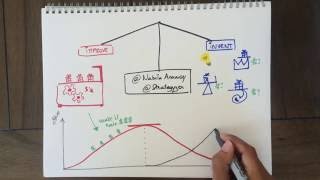
Hey, guys, I'm Nabile from the content team at Strategizer, and today I want to talk about the balance between improving your current business model and inventing new ones. And that's something that a lot of large organizations get wrong. But first, let me quickly remind you what invent and improve mean. Improving your business model is about optimization, cost reductions, extending your product line, etc. Basically, improve consists in extracting as much revenue as possible from your current business model before it matures and before it expires. On the other end, inventing is about designing new business models, investing in new growth engines, building new products that solve critical problems for customers. You're building small mini machines and trying to develop one that can grow as much or even more than your old business model. Most organizations spend a lot of time here on the improve. They grow their business and they improve it. But then once they see signs of their business aging and maturing, like here on this plateau, they then switch to the search of new growth engines because they can see that their current business won't be competitive much longer. But as you can see, companies that start at this point end up trying to build an entirely new business model while facing declining earnings, pressure from shareholders, and really not having much time to invent themselves. The mistake that large organizations make is not that they forget about innovation. It's that they start working on it when it's too late. The invention of new growth engines has to happen while the current business model is thriving. Here's an example of a company that started its reinvention while it was successful. Dong Energy is the largest offshore wind farm in the world today. But a decade ago, it was purely relying on oil, gas and coal to supply energy to customers. At that time, Dong foresaw external factors that would weaken its fossil fuel business. Tighter regulations on CO2 emissions in Europe would incur growing costs. People had a negative opinion on fossil fuels, and renewable energy was starting to become more affordable. Finally, governments were supportive of companies moving towards cleaner energy and desubsidized investments in that area. Yes, fossil fuels will still be needed for decades. But Donk took a call, and it decided to reinvent itself at a time when it could still finance the search for new growth engines. So it redeployed its expertise in offshore oil and gas into offshore wind farms. In 2015, 18% of its revenues came from oil and gas, but 75% of its capital was reinvested in wind energy, versus only 9% of its capital invested in oil and gas. Why? Because DONG is investing in its technology to make wind energy as competitive as other fossil fuel energy. And this is critical for its success. It's using its old business model's cash to finance its new business model until the new business model can be profitable on its own. Now, dong's reinvention is not guaranteed at all. There are a lot of threats that could make the company fail. A significant portion of dong's wind energy revenues came from subsidies, which will disappear over time. Since commodities prices went down, dong's revenues from oil and gas have plummeted. And that's a big weakness for them as they're trying to transition. This transition has been very capital intensive, and DONG needs strong revenues to offset its deep debt. Finally, DONG could also completely fail to execute its vision. If the company cannot meet its promise of lowering the cost of wind energy, it won't survive against utility's competitors. But one thing that we know for sure is that DONG has maximized its chances of success by starting its reinvention while it was successful. An evidence of this is the recent IPO that DONG did. In spite of revenues in oil and gas plummeting, DONG Energy was valued at 16 billion doll, and it became the largest European IPO in 2016, at least so far this year. That says a lot about the potential growth that buyers are seeing in Deng. An IPO like this wouldn't have been possible if Deng had reacted only when the oil and gas crisis started. The lesson of this story, when in crisis, it's too late to establish a new infrastructure for future growth engines. Too often, companies wait until things go bad to start inventing new business models. But like Dong, you should focus on inventing new growth engines while your current business model is successful.