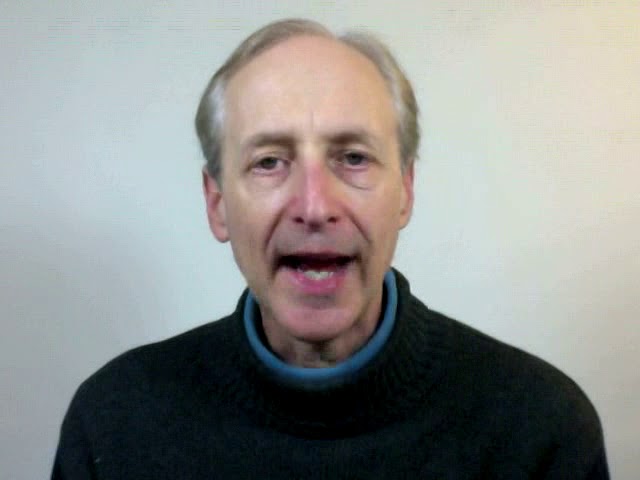
Aaron Marcus explains how to spot legitimate agents and photographers. Commission rates run 10% for union work and around 20% for modeling. Red flags include promises of stardom, excessive upfront fees, and no professional portfolio. Always verify an agent's website, ask about their clients, and bring a companion to independent shoots.
Chapters
Hi, my name is Aaron Marcus and I was recently asked a really good question and I wanted to share the information with you. There was a woman who wanted to know— this is really for her child, but it would hold true for adults as well— whether she would be able to figure out if an agent is legitimate and also if she's doing some marketing on her own, if the companies that that are offering her children jobs if they are legitimate as well. So just so that you know, I mean, normally I spend at least 90 minutes, sometimes 2 hours doing a webinar on these topics, but let me give you some of the most important things that you want to be looking for just to make sure you're dealing with legitimate people. So with agents, here's one of the things that you want to do. I know a lot of people will say to you, well, if the agent asks for any money up front, If it's not going towards a percentage from a booking, then it's a scam. And let me just tell you, that's not necessarily true. And this is the reason why. Yes, normally you're only going to pay your agent a percentage from any booking that you get. And if it's— if you are a member of SAG-AFTRA, you're in the union, you will only be paying a 10% commission fee. That could change at some point, but as of today, that's what it is. If you're doing a modeling job, it's going to be a 20% commission fee. And if it's a non-union acting job, it will typically be a 20% commission fee. However, the one time where you might be paying an agent a fee that has nothing to do with a booking is most agents have websites, or they will ask you to be a part of another company's website that they use to help promote you. If that's the case, you will be paying some kind of fee, and it's a marketing fee essentially, and that would be a very legitimate thing to spend money on because that's how agents promote their talent today. So some of the other things you want to do and listen for and ask. Look, the thing is, if you're being told that you're going to be a star, that you're going to make millions of dollars, and they are asking for upfront fees, monthly fees, that would make me very nervous. The other things too is I would go to the agent's website and look at the talent that they represent. Now, not all agents have websites that are open to the public for you to see their talent. Some of them have codes that only other industry professionals can see— photographers, directors, casting directors. But, you know, look at the photos. And even if you don't know anything about photography, you're going to be able to look at somebody's headshot or some of their commercial photos and very clearly see, are these professional shots or are these just really pretty junky kind of photographs that were just thrown up on a website. You know, look at the people in your category. I would also ask the agent, you know, what kinds of roles, what kinds of jobs, what kinds of projects can they see you being cast in? And listen to what they have to say, and you'll be able to figure out pretty quickly whether the agent is legit or not. The other thing too is, if you want, you can read my book, How to Become a Successful Commercial Model. I have a whole chapter on agents. And you will know very specifically the questions to ask and the answers that you should be getting. But the most important thing is trust your instincts, and if something's not feeling quite right to you, trust it. And if you are liking what you're hearing, then I would go with that as well. Now, as far as marketing yourself and making sure that the photographer or the production company is legit, There are a number of things that you can do. If it's a photographer who is offering you a job and it's not, you know, you didn't send it through an agent, number one, if you do have an agent and it's assuming it's non-exclusive, I would send it through your agent. And even though you will be paying a commission fee to your agent for a job that they had nothing to do with, it's well worth it to you because number one, they will be able to check the person out to make sure it's a legitimate job. The other thing is it will let the agent know that you are marketable, that you're making Money for the agent. And the other thing too is, you know, if you book the job on your own, you're not sure if it's a legitimate job. The other thing too is that the agent will know what is the proper charge for the job. Because if you're being told, you know, they want to use you for this modeling job, you're going to be up on billboards all throughout your state, what is your fee? And you're probably not going to have a clue as to what would be a, you know, a proper and expected charge for being in a high exposure format like a billboard. So, one thing you can do is send it through an agent to help make sure it's legitimate. But if you're not, if you don't have an agent, or for whatever reason you don't want to, something else you can do is go to the photographer's website. Make sure that you're seeing the kinds of photos there that you are comfortable with. I would also find out, you know, who the client is, what the job is all about, and check out the company's website. Once again, just to make sure that this company really exists and to see what kind of work they do. If it's a TV commercial, let's say it's a production company and it's a casting company, once again, you can always check out their website. If it's a TV commercial, I would check out the company who the commercial is for. I would make sure that it's really happening. You can always Um, you know, speak to, uh, the casting director and, you know, and find out. Certainly one of the questions you're going to be asking is, what's the product? You know, who's it for? And make sure that they're really doing it. The, the other thing too is, and I know this is kind of like a last resort, and I'm not trying to scare anybody, um, but you need to know that, look, if you're booking a job on your own, which I highly recommend that you do, but you've got to be really careful. And you're going to bring somebody to the set with you. If it's a photographer's studio, you'll bring somebody. They don't have to necessarily be on the set while you're working. They can sit out in the hallway or in the lobby. If you're doing an outdoor shoot, absolutely, somebody's going to come with you. And make sure people know where you're going to be, what time you're going to be working, and let people know that you will call them at a certain time. And once again, I'm not trying to scare you. But in today's time period, you can't be too safe. So those are some of the things that I would do to make sure that the job is legitimate. I would also— you can always ask, are there other actors involved in the shoot? Are there other models? And talk with them. See if they've had any experience with these people as well. But the best thing though is— and not to say that it's 100% sure that it's going to be legit— check out people's websites and you will get a lot of information from the website. And it's not so much the wording, it's really what things look like. And just like I was saying with the agents, trust your instinct. So I hope that was helpful to you. If you have any questions at all, you can always feel free to ask me at facebook.com/howtomodel. And, you know, like the page and please visit my website, howtomodel.com. I'm Aaron Marcus, and I look forward to talking with you again soon. How to model.