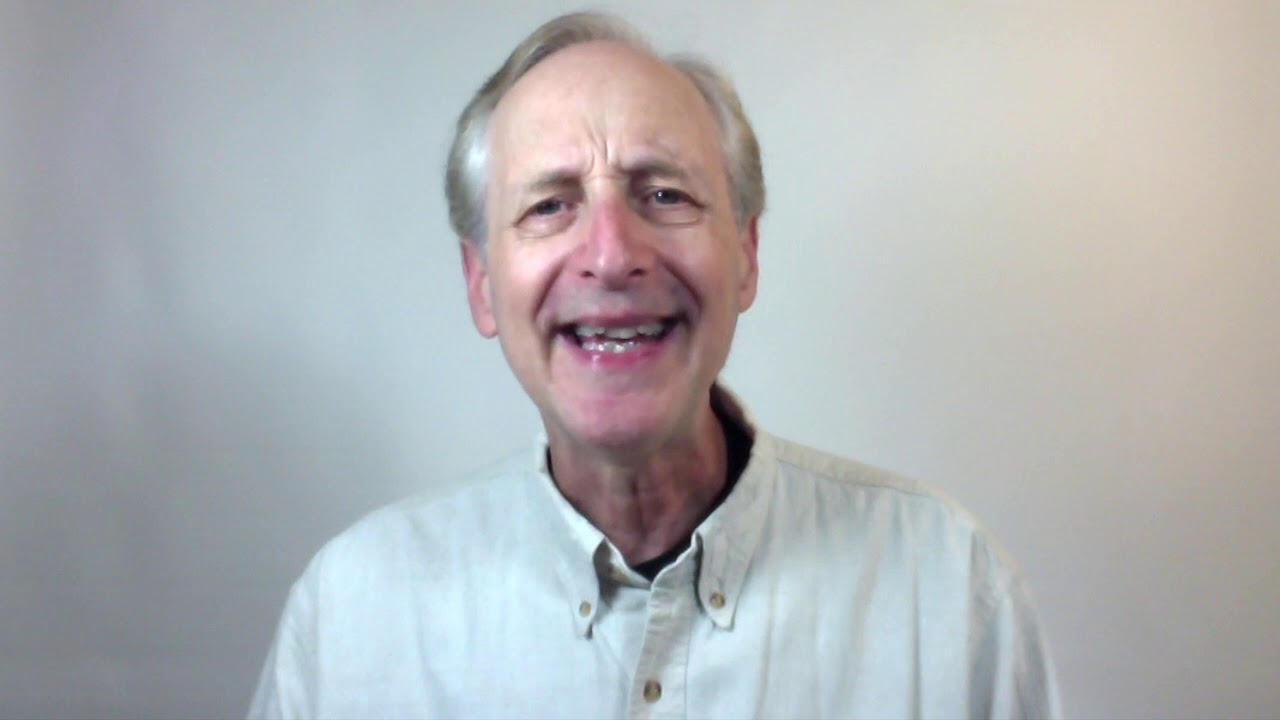
Aaron Marcus, a veteran actor with 1,200+ jobs, explains why you should notice writer's notes in scripts but not follow them blindly. He booked a Homicide: Life on the Street role by playing a grieving club director as ice-cold and matter-of-fact instead of sad, proving the writer's direction is just one option.
Chapters
Hi, I'm Aaron Marcus, and if you're watching this on YouTube, welcome to my Acting and Modeling Tips channel. If you're watching this elsewhere, feel free to go to my youtube.com/howtomodel channel, and you can subscribe and also click on the notifications button, and that way you will always receive all the new information that I post there. So I've been very fortunate. I've been a full-time actor for over 30 years. I've booked over 1,200 jobs, and perhaps you've seen me on Everything from Law and Order to House of Cards to Gotham, Halt and Catch Fire, Mr. Robot. I've done tons of TV commercials, commercial print ads. But let me tell you what I would like to talk with you about today. Let's say you get an audition. First of all, I'd like to say congratulations because they're hard to get. They really are. And you should be incredibly excited about getting the opportunity to audition. Now, you're looking at the sides. The sides is the short portion of the script that you're going to be reading during your audition. And it's not uncommon for a writer to put some notes in there. You know, maybe there's a scene where it says laugh. Maybe there's a scene where it says scream. Maybe there are some lines where it says cry. Whatever it is, you might see some kind of notation from the writer. So the question is, do you pay attention to it? Absolutely, you pay attention to it. Do you use it? Meh, not necessarily. Because you have to remember, this is the writer's perception. We as actors, it's our job to interpret this in a way that we think is interesting. And one thing to always keep in mind, you don't have to play it straight, meaning that because there's a scene where you are supposed to be angry and it says shout, you know, you're supposed to be shouting, or there's a scene where you're supposed to be very upset and, you know, it says tearing up, Well, you know what? That's completely up to you. Now certainly you have to make sure that it fits the character, it fits the scene, but I can tell you I booked a television show on NBC many years ago. It was called Homicide: Life on the Street. While I was being interviewed by some homicide detectives, and it was a very sad situation, there were members of my country club who were murdered. So instead of doing what the writers wrote in the sides and what would kind of make sense, be very sad, be very solemn, I'm talking about these members. Instead, I decided to play it a very different way. I brought something interesting to this character. I made him ice cold. So as I'm talking about these people who died, it's just matter of fact. Yep, I knew the guy, very nice family. I was, I was the membership director of this country club. And basically, Essentially what I was thinking of, hey, I know it sounds kind of cold, but I just lost income from 3 families and I've got to do a lot of damage control because people are starting to leave this country club because people are getting murdered there. So as I'm talking about these people, it's matter of fact, ice cold. Essentially, it's kind of like, are we done here? Uh, because I've got a lot of work to do. And I wound up getting booked. for the role. So certainly pay attention to, uh, what is written in the sides, but don't use that as a guide as to how you need to read the scene. That's up to you. That's where you get a chance to be creative. And don't necessarily do what everybody else does, what you think is the normal thing to do. Once again, as long as it fits the scene, be creative with it. Hey, don't forget, if you are watching this on YouTube, make sure you subscribe, hit the notification button, and I'd love to hear your thoughts as well. Leave a comment as to, you know, what you do with the writer's comments and things that you might have done or changed that you found really helpful. And if you do have any follow-up questions, you can always reach me on my website, howtoactandmodel.com. I'm Aaron Marcus, and I can't wait to talk with you again soon. Bye.