CIRS Diagnosis: Physical Exam Findings
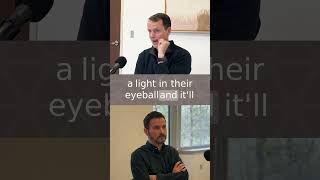
Aaron Hartman, MD describes bedside physical exam findings that can suggest SIRS and neuroinflammation. He highlights very fine tremors (detectable by placing a small piece of paper on the hand), reflex abnormalities, and an "adrenal pupil"—a dynamic pupil response reflecting dysautonomia where the pupil constricts with light but then re-dilates quickly as sympathetic ‘fight-or-flight’ activation occurs.
Chapters
More from Aaron



Women’s Heart Attack Symptoms Differ From Men’s 95% of the Time — Only 30% Have Chest Pain #shorts

Heart Disease Kills More Women Than All Cancers Combined — 80% of Cardiac Research Is on Men #shorts

Women’s Physiology Was Systematically Ignored in Drug Research — The Consequences Are Still #shorts




Until 1993, Women Were Banned From Clinical Drug Trials — Then Those Drugs Were Prescribed t #shorts